
Industry News
Pet automatic feeders have become essential devices for pet owners who need to ensure regular feeding schedules despite busy lifestyles or absences. These devices dispense pre-measured portions of dry food at programmed times, combining mechanical components with electronic controls. The materials used in their construction must be durable, food-safe, and resistant to pet activity and cleaning. Understanding these materials helps consumers select feeders that are safe, reliable, and appropriate for their specific needs.
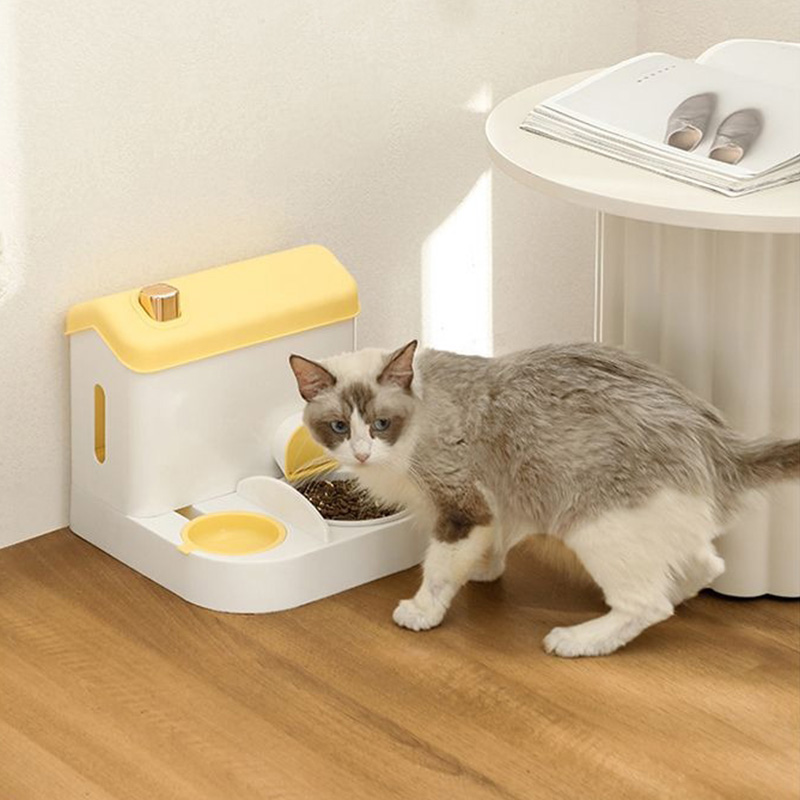
Housing and Structural Components
The outer housing protects internal mechanisms and contains the food reservoir. Material selection affects durability, cleaning ease, and appearance.
Acrylonitrile Butadiene Styrene (ABS):
ABS is the most common material for feeder housings. This thermoplastic offers good impact resistance and dimensional stability.
The material can be molded into complex shapes with integrated features such as lid seals, button panels, and mounting points.
ABS provides a smooth, non-porous surface that resists staining and is easy to clean with mild detergents.
Some grades include UV stabilizers for feeders placed in sunny locations.
Polypropylene (PP):
Many food hoppers and internal components use polypropylene, identified by recycling symbol #5.
PP offers excellent chemical resistance and does not react with dry pet food or common cleaning agents.
The material has a high melting point, making it suitable for dishwasher-safe components (top rack only).
PP is naturally translucent in its natural state, allowing some visibility of food levels without opening the unit.
Polycarbonate (PC):
Some transparent food hoppers are made from polycarbonate, providing clear visibility of remaining food.
Polycarbonate offers exceptional impact resistance and optical clarity.
Modern formulations are BPA-free, addressing health concerns associated with earlier polycarbonate products.
The material can become brittle over time if exposed to UV light, so it is typically used for indoor feeders.
Stainless Steel:
Premium feeders may incorporate 304 stainless steel for feeding bowls or trays.
Stainless steel is non-porous, does not harbor bacteria, and resists scratching from pet activity.
The material is easy to sanitize and does not absorb odors.
Stainless steel components add weight, helping prevent tipping by enthusiastic pets.
Food Hopper and Dispensing Mechanism
The components that store and dispense food must maintain food freshness and deliver consistent portions.
Auger Systems:
Many feeders use an auger (a spiral screw) to move food from the hopper to the dispensing opening.
Augers are typically molded from acetal (polyoxymethylene) or nylon, which provide low friction and wear resistance.
The auger design must accommodate various kibble sizes without crushing or jamming.
Rotating Drum Systems:
Some feeders use a rotating drum with compartments that align with the dispensing opening.
Drums are molded from polypropylene or ABS, with precise compartment volumes for accurate portion control.
The drum shaft is typically stainless steel or brass for smooth rotation and corrosion resistance.
Seals and Gaskets:
To maintain food freshness, hoppers include seals at lids and dispensing openings.
These are made from food-grade silicone or thermoplastic elastomers (TPE) , which remain flexible across temperature ranges.
Silicone seals resist compression set, maintaining their sealing ability over thousands of cycles.
Electronic Components
The control system includes materials common to consumer electronics, adapted for the pet feeder environment.
Control Panel and Display:
The user interface includes a printed circuit board (PCB) made from FR4 fiberglass-epoxy laminate.
Buttons may be mechanical switches with stainless steel domes or capacitive touch sensors with conductive coatings.
LCD or LED displays use liquid crystal or LED technologies with protective acrylic or polycarbonate windows.
Power Supply and Wiring:
Internal wiring uses stranded copper wire with PVC or silicone insulation.
Battery compartments have contacts made from nickel-plated steel or beryllium copper with corrosion-resistant plating.
AC adapters have molded ABS housings with copper-wound transformers and silicon-based electronics.
Sensors:
Food level sensors may use infrared LED and phototransistor pairs with epoxy encapsulation.
Motor position sensors use Hall effect sensors (silicon) responding to small magnets on rotating shafts.
Jam detection circuits monitor motor current through sense resistors and microcontroller analysis.
Motors and Drive Systems
The electromechanical heart of the feeder must be reliable over thousands of dispensing cycles.
Electric Motors:
Most feeders use small DC gear motors with permanent magnet rotors (ferrite or neodymium magnets).
Motor housings are stamped steel or die-cast zinc with bronze or powdered metal bearings.
Brushes, where present, are carbon or graphite compounds.
Gear Trains:
Reduction gears are typically powdered metal (iron-copper alloys) or molded acetal for quieter operation.
Gear shafts are hardened steel or stainless steel running in bronze bushings or plastic bearings.
Drive Couplings:
Connections between motor and auger/drum use rubber or silicone couplers to absorb shock and accommodate minor misalignment.
Food Bowl Materials
The bowl where food is dispensed must be safe, durable, and easy to clean.
Stainless Steel:
Removable stainless steel bowls are preferred for hygiene and durability.
The material does not harbor bacteria and withstands dishwasher cleaning.
Stainless steel bowls resist chewing damage from determined pets.
Ceramic:
Some feeders include ceramic bowls with food-safe glazes.
Ceramic is heavy, helping prevent tipping, but can chip or crack if dropped.
Melamine:
Budget feeders may use melamine bowls, which are lightweight and break-resistant but less durable than stainless steel.
Non-Slip Bases:
Bowl bases incorporate silicone or TPR rings to prevent sliding on floors during eating.
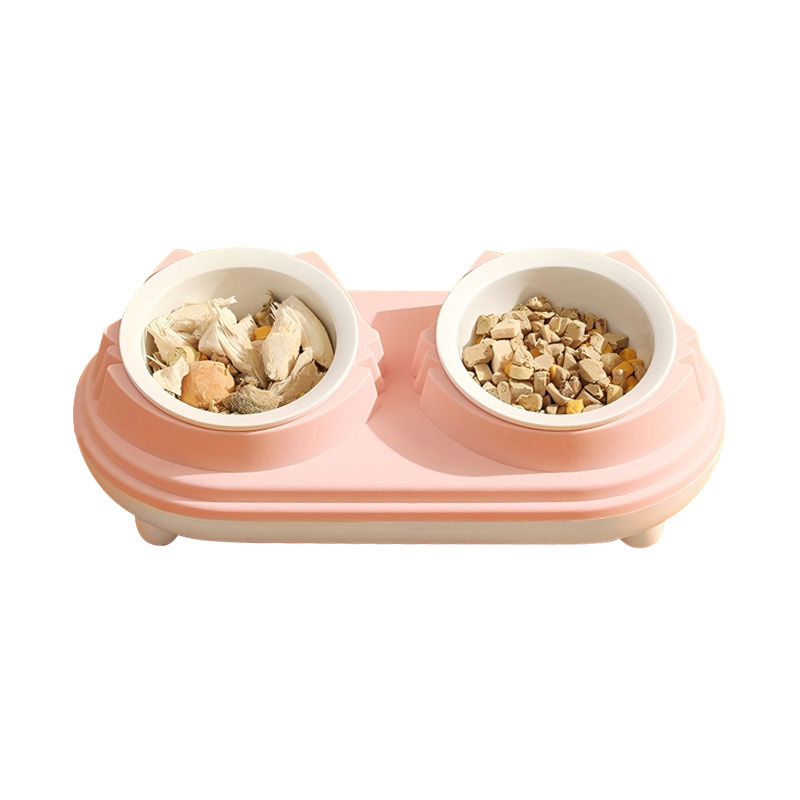
Pet Bowl
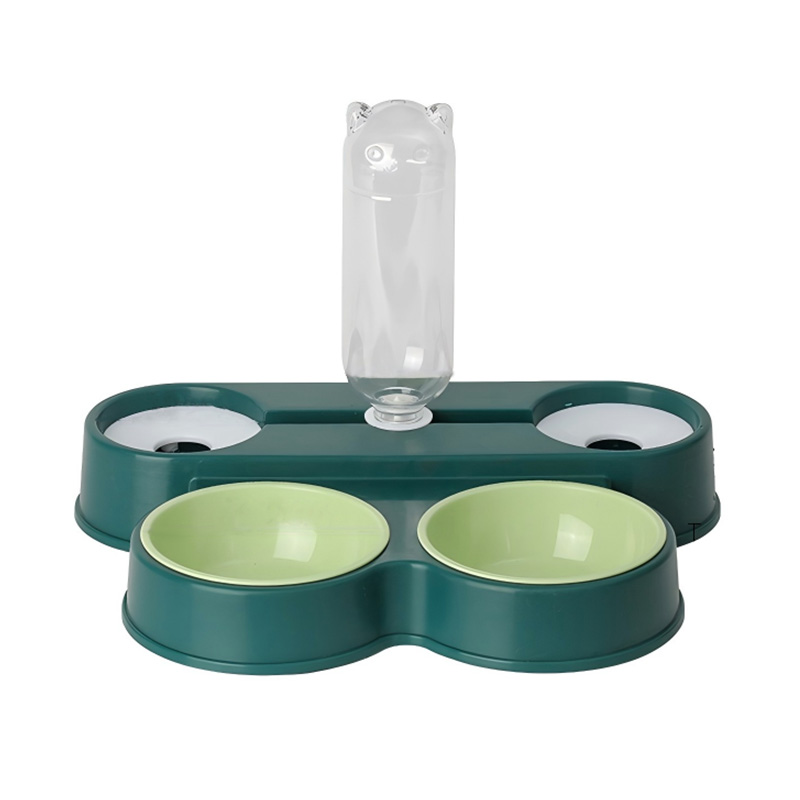
Pet Bowl
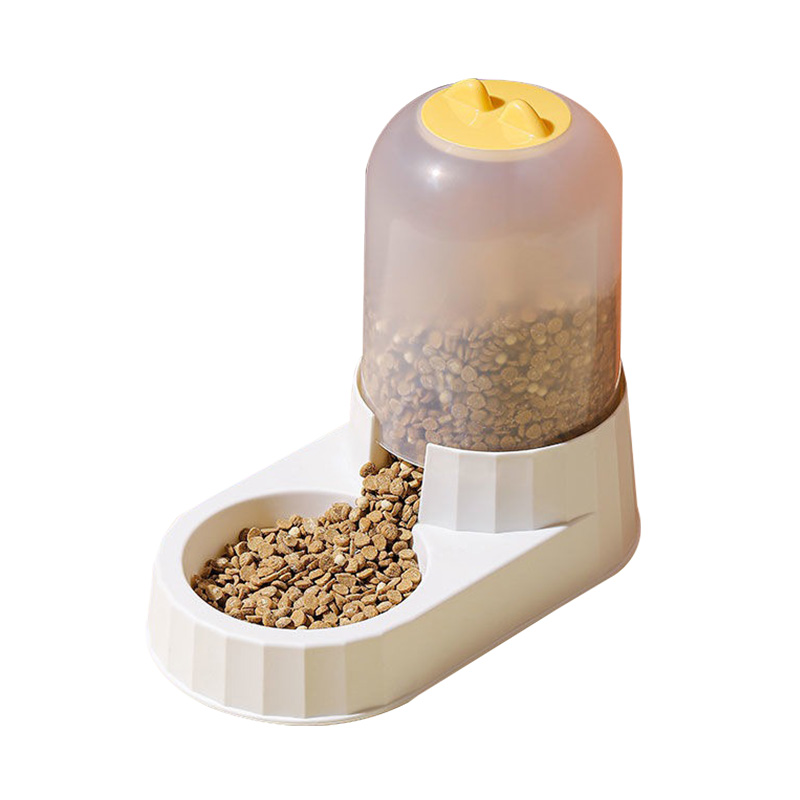
Pet Automatic Water Dispenser
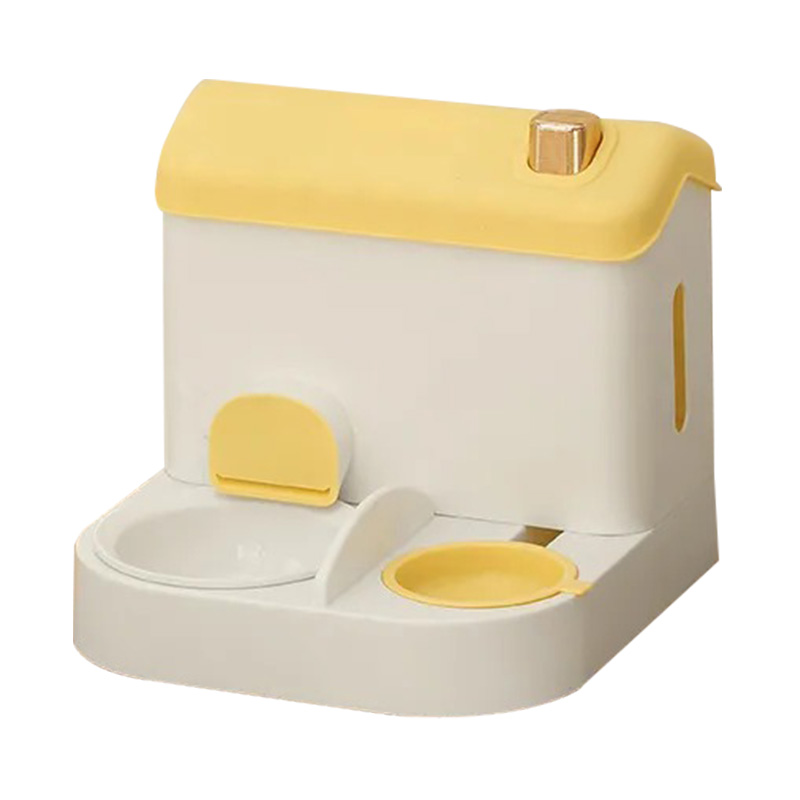
Pet Automatic Water Dispenser
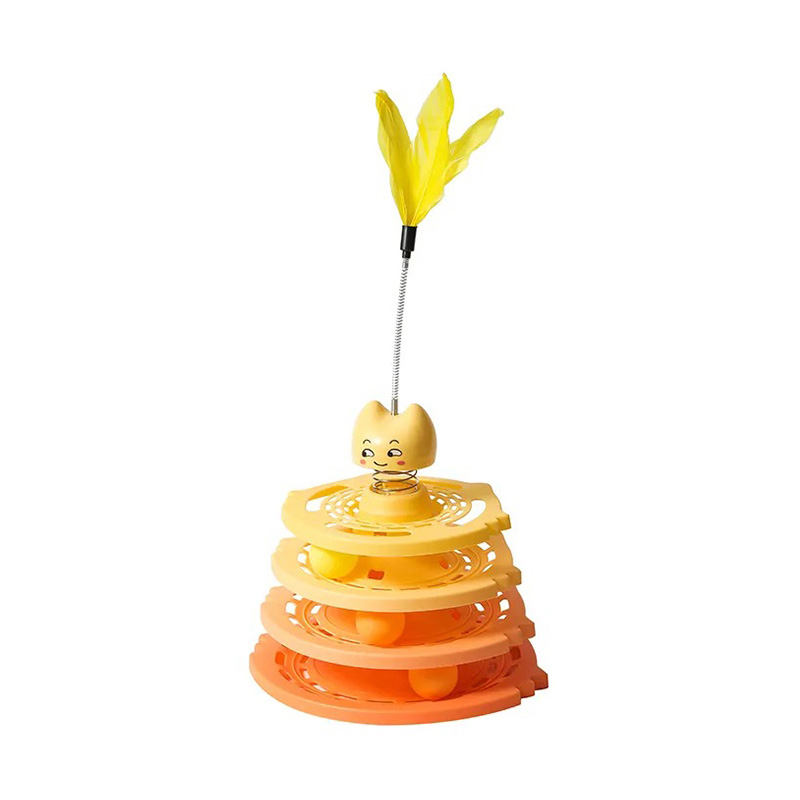
Pet Toy
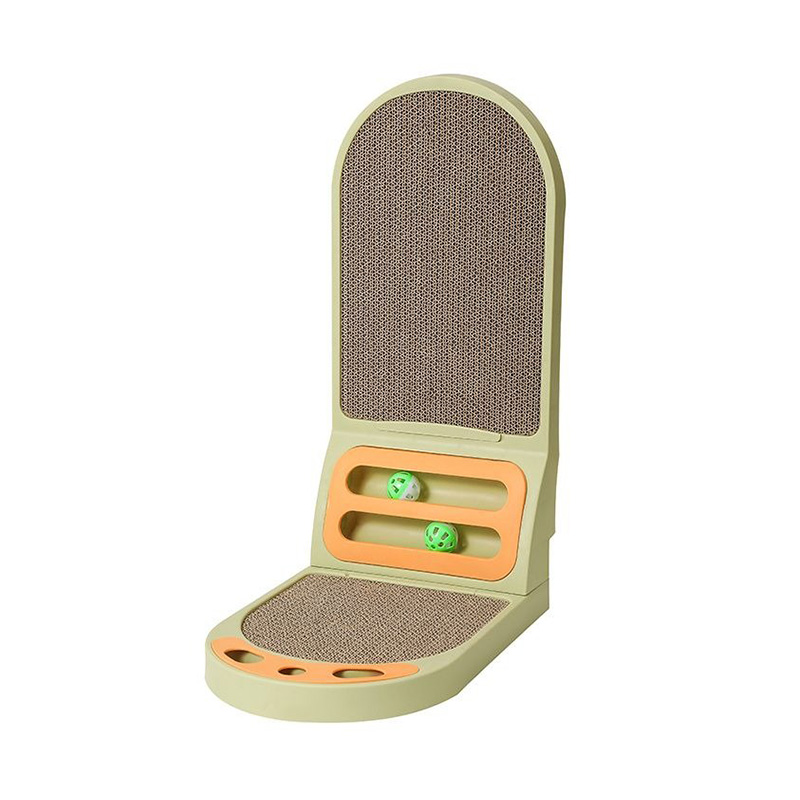
Cat Scratch Board
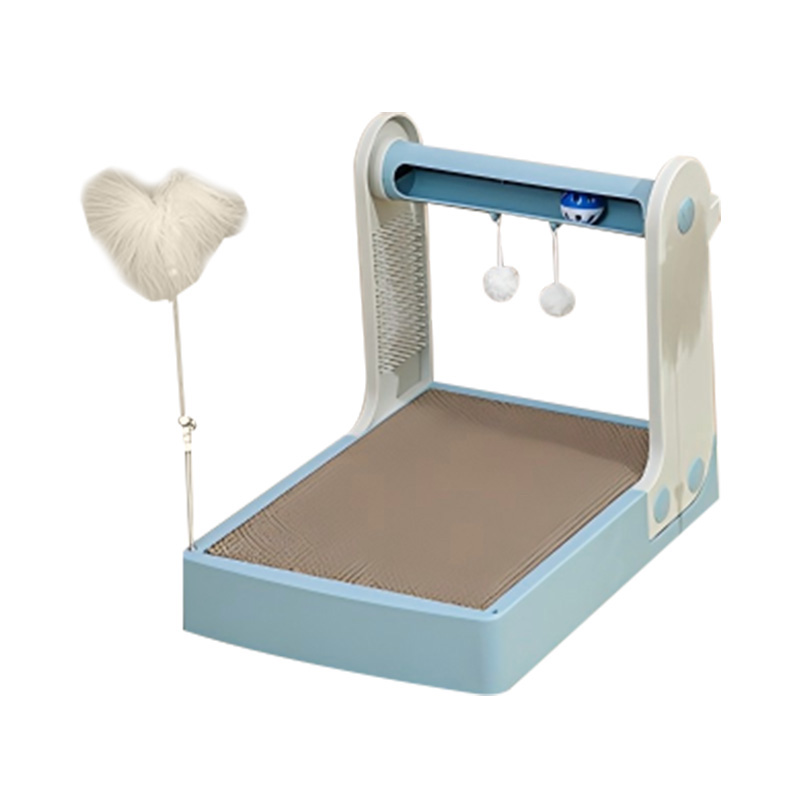
Cat Scratch Board
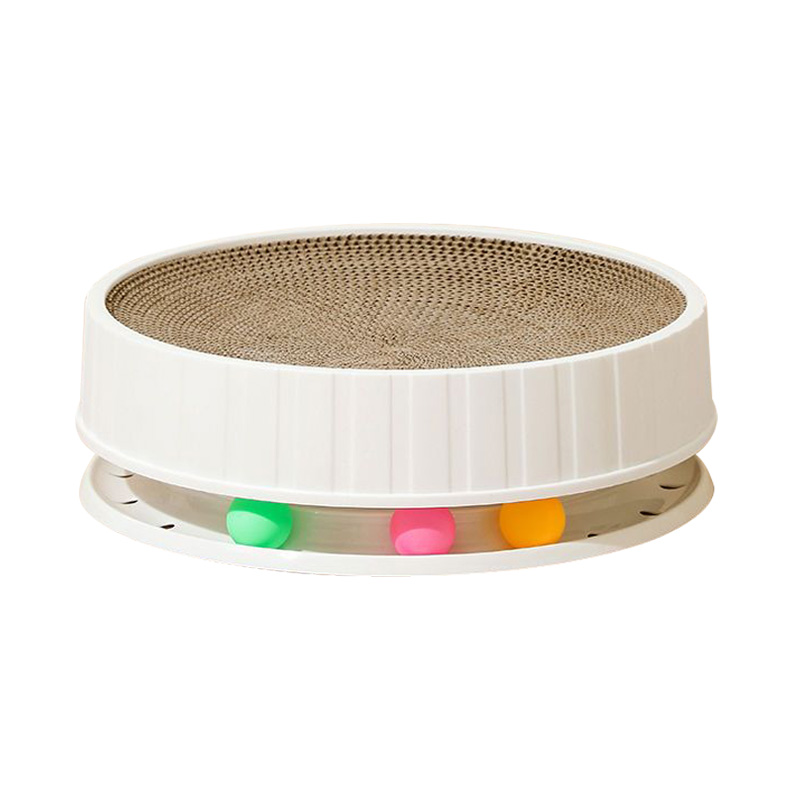
Cat Scratch Board



 +86-18329090387
 [email protected]
 Pukou Village, Xiaoshun Town, Jindong District, Jinhua City, Zhejiang, China
Pet Supplies & Products Factory

 English
 русский
 Español
 Português
 عربى
عربى