
Industry News
Automatic drinking water feeders are devices designed to provide a continuous supply of water for pets, livestock, or small animals. They rely on mechanisms such as gravity, pumps, and filters to maintain a steady water level without frequent intervention. These devices are increasingly adopted in homes, farms, and animal care facilities due to their convenience and ability to support consistent hydration.
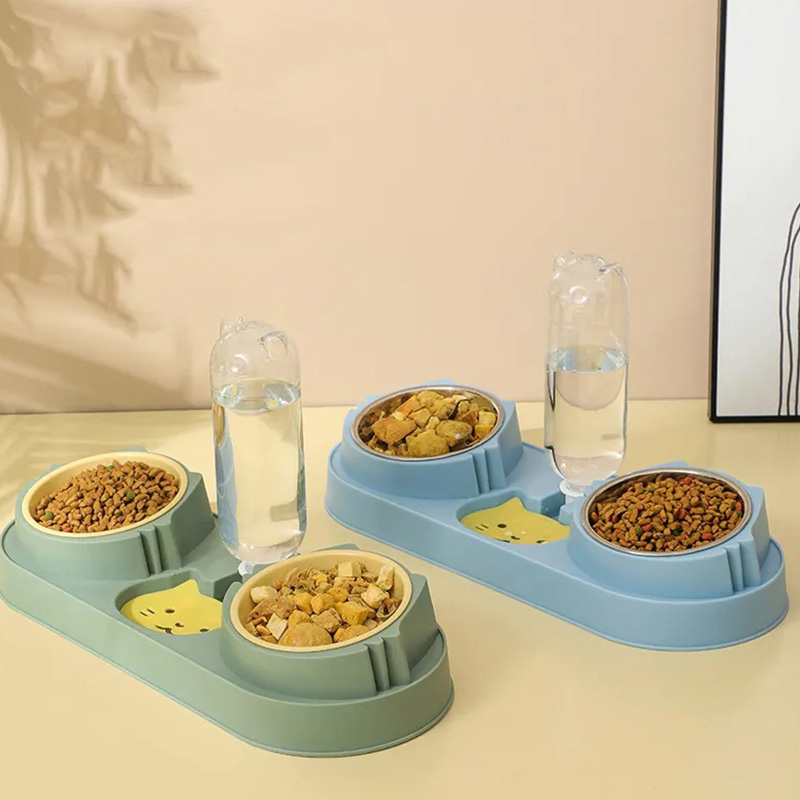
The production of an automatic drinking water feeder involves multiple stages, each contributing to reliability, hygiene, and usability.
1. Material Selection and Preparation
Plastic and metal components: Feeders typically use food-grade plastics or stainless steel to ensure durability and safety. Handles, reservoirs, and trays are molded or cut to specific dimensions.
Reservoir preparation: Water tanks are manufactured to precise volumes and shapes. Molded plastic reservoirs may include integrated outlets or channels for water flow.
Filter and pump elements: Filtration cartridges, pumps, and tubing are prepared separately. Filters remove debris, while pumps or valves regulate water flow.
2. Component Assembly
Integration of reservoir and tray: The reservoir is securely attached to the drinking tray or bowl, ensuring that water flows steadily without leaks.
Installation of valves and pumps: Mechanical or electric components are connected to control water release. Some feeders include sensors or electronic circuits for automated refill systems.
Seal and fasten connections: Joints are sealed with gaskets or adhesives to prevent water leakage, and screws or clips are used to secure detachable components.
3. Quality Control and Testing
Leak and flow testing: Units are filled and tested to ensure consistent water delivery and proper function of pumps or valves.
Electrical testing: For powered feeders, circuits, and sensors are checked for correct operation.
Sanitation inspection: Components are examined for smooth surfaces and cleanliness to prevent bacterial growth.
These production steps ensure the feeder operates reliably and meets safety standards for animals.
Despite their advantages, automatic drinking water feeders have several potential problems that can affect performance and usability.
1. Mechanical and Electrical Issues
Pump failures: Battery-operated or electric pumps can malfunction due to wear, electrical faults, or improper voltage, stopping water flow.
Valve clogging: Debris or mineral deposits can block mechanical valves, reducing water delivery or causing leaks.
Sensor malfunctions: Automatic refill systems with sensors may fail to detect low water levels or provide inaccurate readings.
2. Maintenance Challenges
Cleaning difficulties: Reservoirs, tubing, and trays require regular cleaning to prevent algae or bacterial buildup, and some models are difficult to disassemble fully.
Filter replacement: Filters must be changed periodically, and neglecting this can reduce water quality and flow efficiency.
Component wear: Moving parts such as pumps, valves, and connectors may degrade over time, reducing performance.
3. Water Quality and Environmental Factors
Contamination risk: Standing water in reservoirs can become contaminated if cleaning is infrequent or if animals introduce dirt or debris.
Temperature effects: Hot or cold environments can affect water flow, pump efficiency, or material integrity. Plastic components may warp under heat, and freezing temperatures may damage tubes or valves.
Dependence on water source: Feeders must be refilled from an external water source; if supply is inconsistent, pets or livestock may not receive adequate hydration.
4. Usage Limitations
Size constraints: Smaller feeders may not provide sufficient water for multiple animals or large pets.
Power reliance: Electric or sensor-based models require batteries or electricity, limiting use in areas without power access.
Setup complexity: Some automatic feeders require careful assembly, adjustment, and calibration, which may be challenging for certain users.
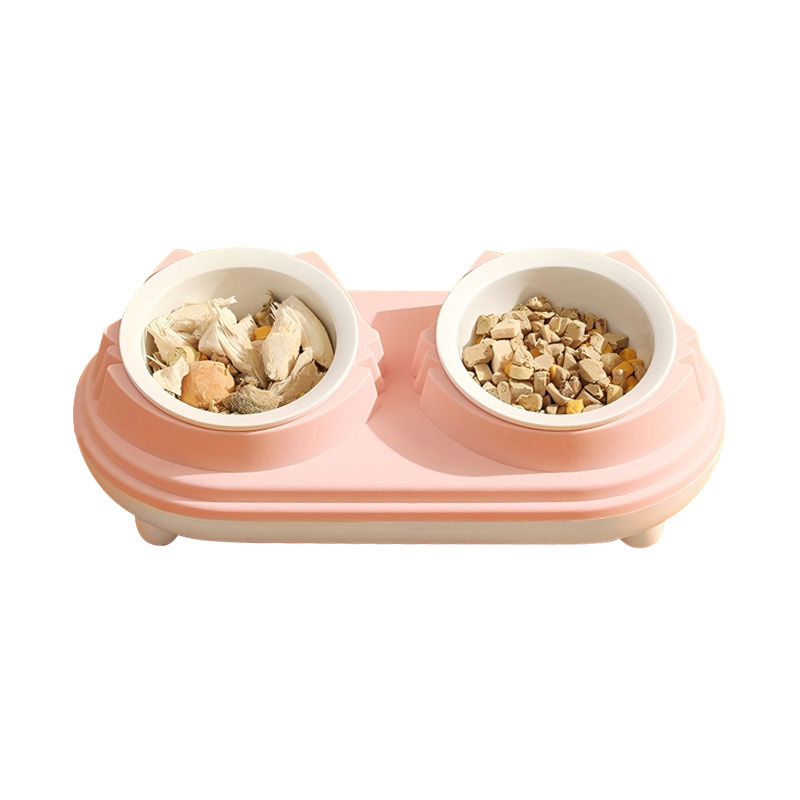
Pet Bowl
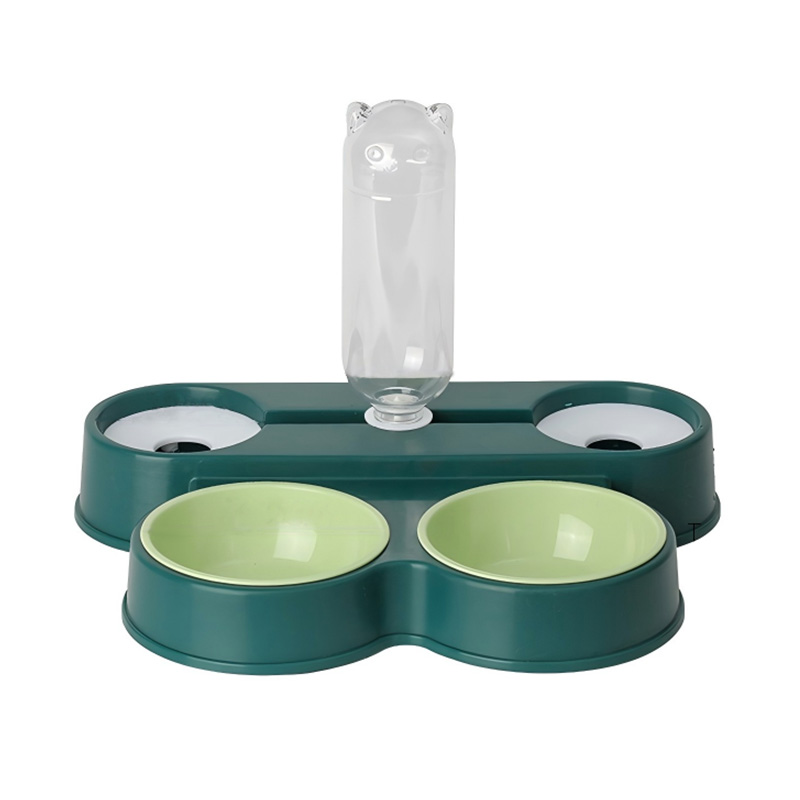
Pet Bowl
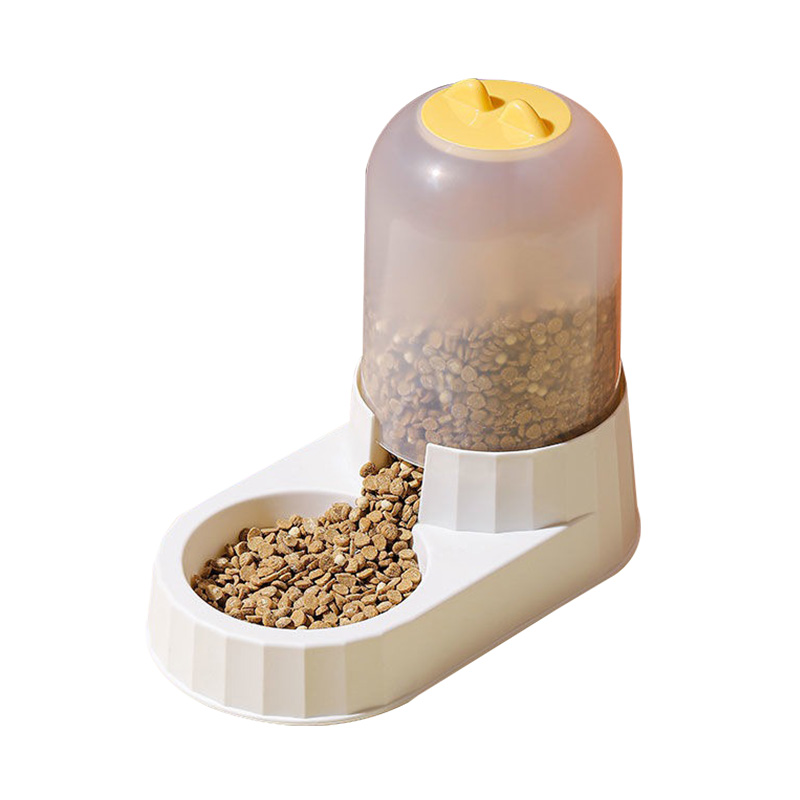
Pet Automatic Water Dispenser
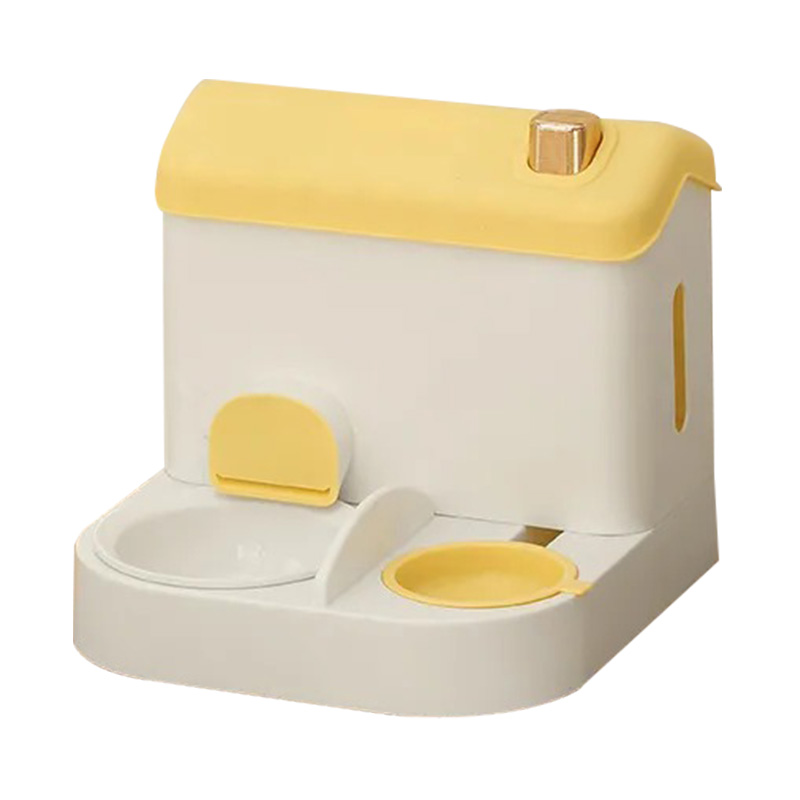
Pet Automatic Water Dispenser
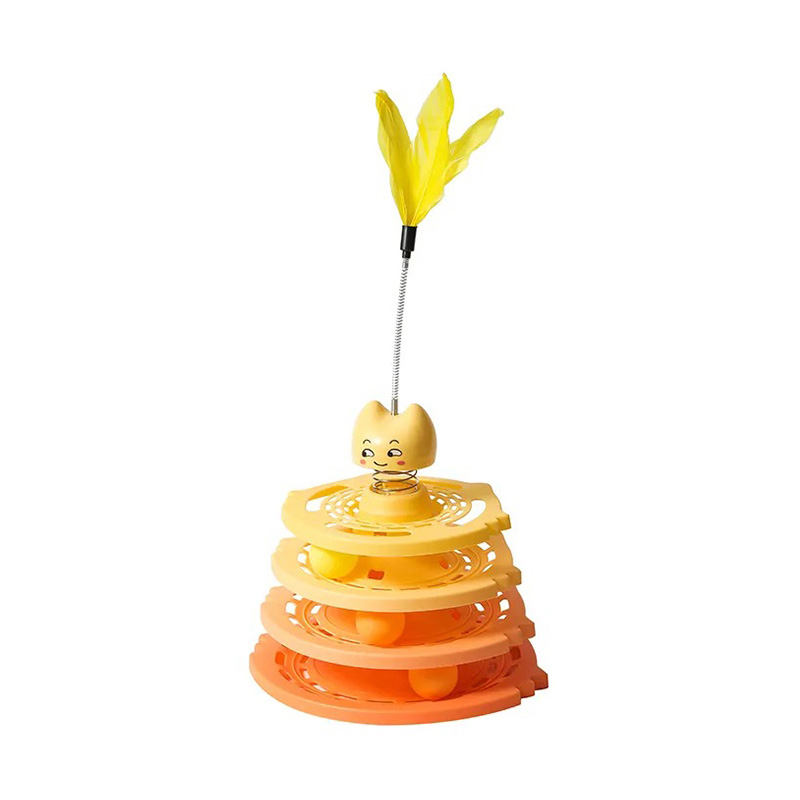
Pet Toy
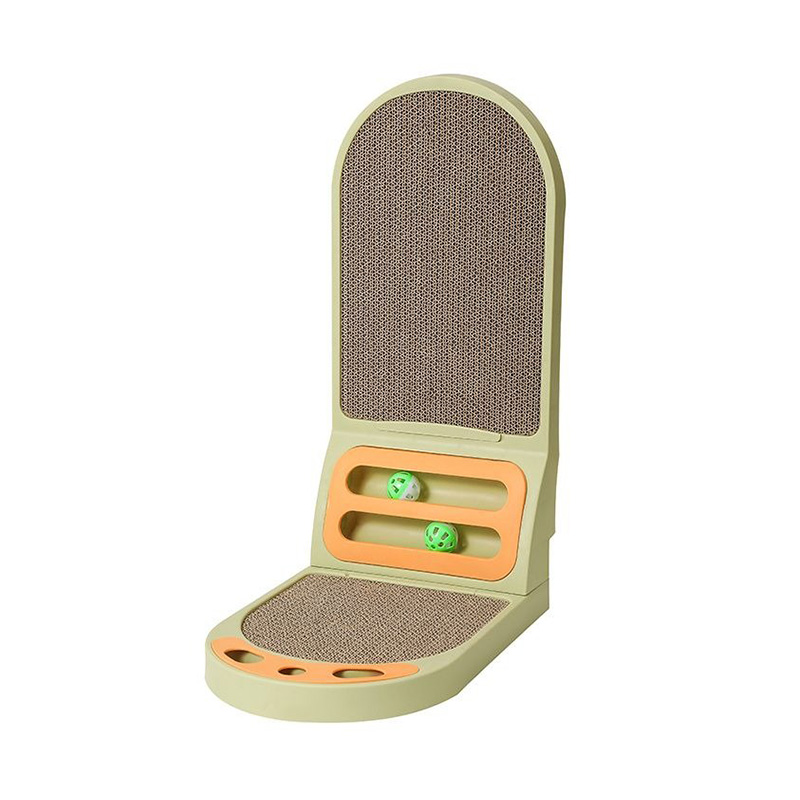
Cat Scratch Board
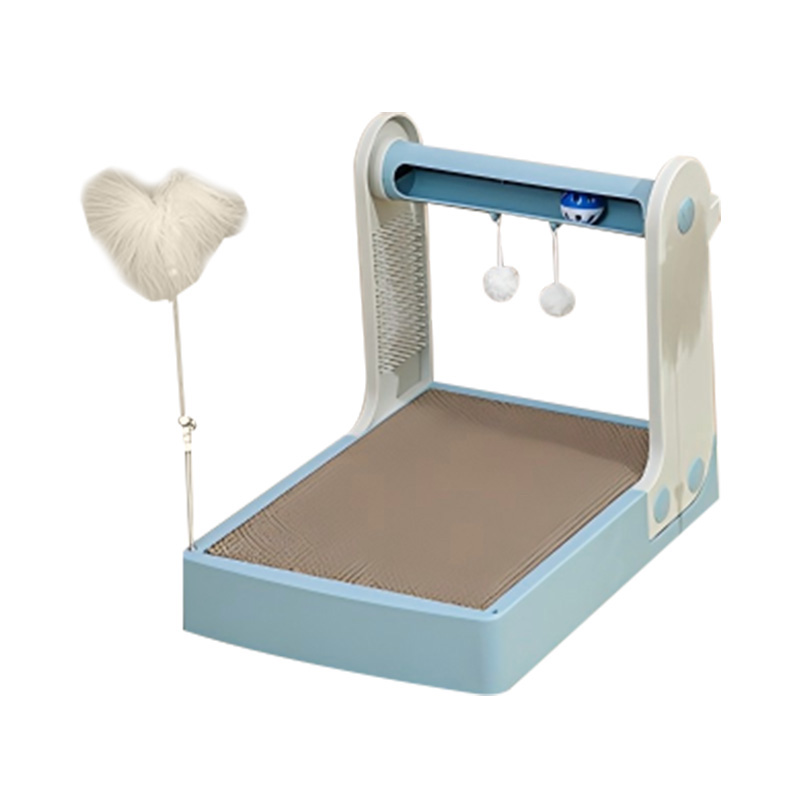
Cat Scratch Board
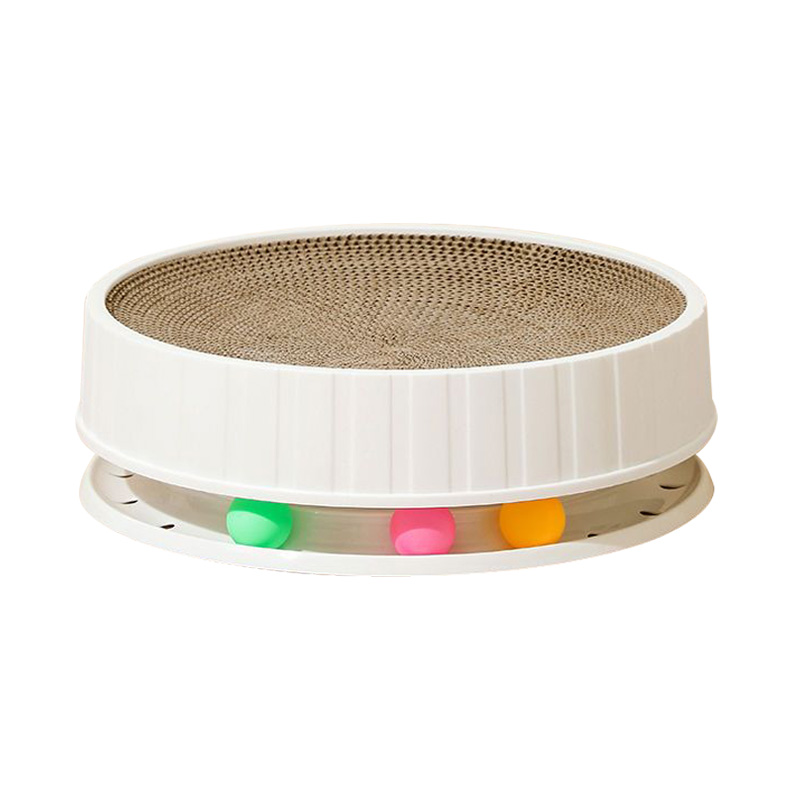
Cat Scratch Board



 +86-18329090387
 [email protected]
 Pukou Village, Xiaoshun Town, Jindong District, Jinhua City, Zhejiang, China
Pet Supplies & Products Factory

 English
 русский
 Español
 Português
 عربى
عربى