
Industry News
Pet automatic water dispensers, also known as pet fountains or automatic waterers, have become common household items for pet owners seeking to provide fresh, circulating water for their cats and dogs. These devices combine a water reservoir with a pumping system that continuously recirculates water, often through a filter, encouraging pets to drink more by appealing to their instinctive preference for moving water.
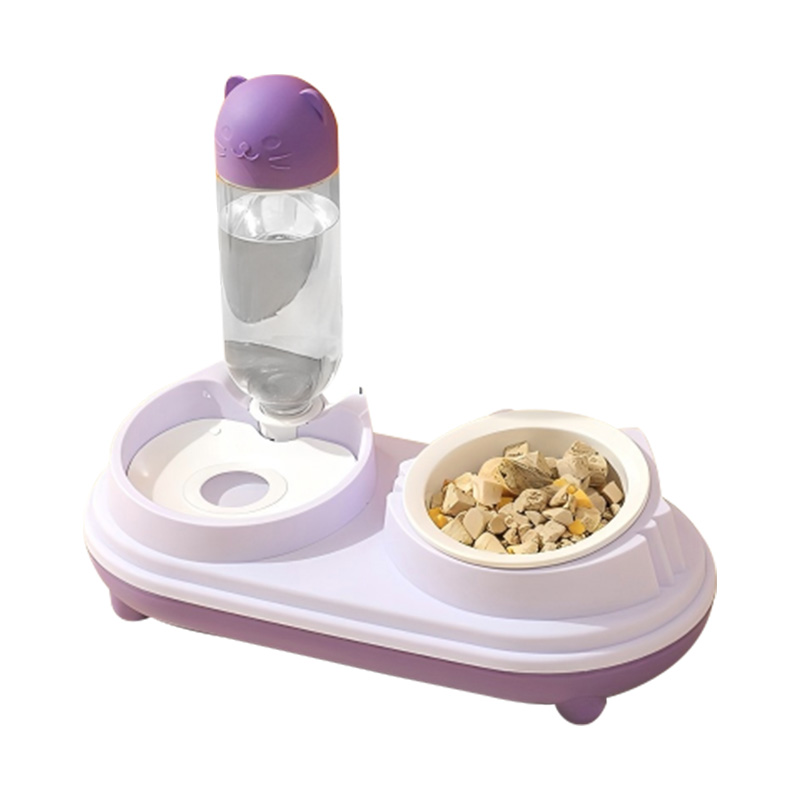
The Water Reservoir: Food-Grade Plastics and Glass
The water reservoir is the largest component of any automatic dispenser, and its material composition directly affects water quality and safety.
Food-Grade Polyethylene Terephthalate (PET or PETE):
Many transparent reservoirs are made from PET, the same material used for bottled water and many food containers.
PET is lightweight, transparent, and impact-resistant. It allows pet owners to easily see water levels without opening the unit.
The material is generally considered safe for food contact and does not leach significant chemicals into water at room temperature.
However, PET can develop scratches over time, which may harbor bacteria if not cleaned thoroughly.
Polypropylene (PP):
PP is widely used for opaque or translucent reservoirs and components. It is identified by the recycling symbol #5.
This thermoplastic offers excellent chemical resistance and does not react with water or common cleaning agents.
PP has a high melting point, making it suitable for parts that may be washed in dishwashers (top rack).
The material is resistant to stress cracking and maintains its properties over many years of use.
Polycarbonate (PC):
Some dispensers use polycarbonate for reservoirs, particularly in older designs or certain brands.
Polycarbonate is durable and impact-resistant, with optical clarity similar to glass.
However, polycarbonate is manufactured using bisphenol A (BPA) , and concerns about BPA leaching have led many manufacturers to transition away from this material for food-contact applications.
Modern dispensers using polycarbonate are typically labeled "BPA-free," indicating that the material has been formulated to minimize or eliminate BPA migration.
Tritan Copolyester:
Tritan is a BPA-free copolyester that has gained popularity in premium pet fountains.
It combines the clarity and toughness of polycarbonate with enhanced chemical resistance and freedom from estrogenic activity.
Tritan can withstand dishwasher cleaning and resists staining from colored liquids or pet saliva.
The material is more expensive than standard plastics, which contributes to higher product costs.
Glass Reservoirs:
A small but growing segment of the market uses glass for the main water reservoir.
Borosilicate glass is the preferred type due to its thermal shock resistance and durability.
Glass is non-porous, does not scratch easily, and does not harbor bacteria in surface imperfections.
Glass reservoirs are heavier and more fragile than plastic alternatives, requiring careful handling during cleaning.
The material is completely inert and does not leach any substances into the water, making it the preferred choice for owners concerned about plastic interactions.
Pump Components and Internal Mechanisms
The pump and circulating system contain multiple materials chosen for their performance in continuous contact with water.
Pump Housing: Engineering Plastics
The pump housing is typically molded from polyoxymethylene (POM) , also known as acetal, or nylon (polyamide).
These engineering plastics offer low friction coefficients, dimensional stability in water, and resistance to wear from moving parts.
POM has natural lubricity, which helps the pump run smoothly without external lubrication.
The materials are resistant to the mineral deposits that can accumulate from hard water.
Impeller and Rotor: Magnetic Materials and Plastics
The impeller, which moves water through the pump, is typically made from plastic (often POM or polypropylene) with an embedded magnet.
The magnet is usually ferrite (ceramic magnet) or neodymium-iron-boron for stronger magnetic coupling.
The impeller assembly is the only moving part in pumps, and its material must resist wear and maintain balance over thousands of operating hours.
Some impellers include a ceramic shaft or stainless steel shaft running against rubber bushings for quiet operation.
Motor Housing and Seals:
The electric motor is contained within a housing that must be watertight. This is typically achieved with epoxy potting compounds that encapsulate the motor windings.
Seals between the motor housing and pump chamber use nitrile rubber (NBR) , silicone rubber, or ethylene propylene diene monomer (EPDM) O-rings.
EPDM is particularly valued for its resistance to ozone, UV, and aging, making it suitable for long-term water contact.
Power Cord and Connectors:
The low-voltage power cord is insulated with polyvinyl chloride (PVC) or thermoplastic elastomer (TPE) .
The connection point where the cord enters the pump must be sealed, typically with a strain relief molded from flexible PVC or rubber.
Some designs use a magnetic connector that separates if the cord is pulled, preventing the dispenser from being dragged. These connectors contain magnets (typically neodymium) and gold-plated pogo pins or contacts.
Water Pathways: Tubing and Connectors
The plumbing that carries water from the reservoir to the drinking area must be flexible, durable, and resistant to biofilm formation.
Silicone Tubing:
Silicone is the preferred material for water tubing in pet fountains due to its flexibility, temperature resistance, and low surface tension.
Silicone does not impart taste to water and resists the growth of bacteria and mold better than many other materials.
The material remains flexible across a wide temperature range (-60°C to 200°C), surviving freezing conditions or dishwasher heat without degradation.
Silicone tubing is more expensive than PVC alternatives but lasts longer and maintains water quality better.
Polyvinyl Chloride (PVC) Tubing:
Some budget dispensers use PVC tubing for water pathways.
PVC is less expensive than silicone but may contain plasticizers that can leach over time, particularly if the water is warm.
PVC tubing can become stiff and brittle with age, especially if exposed to UV light.
Food-grade PVC formulations are available and are safer than general-purpose PVC.
Polyethylene Tubing:
Rigid or semi-rigid polyethylene tubing is used in some designs for straight runs where flexibility is not required.
Polyethylene is chemically inert and does not leach plasticizers, as it is used without plasticizers.
The material can be connected with barbed fittings that create a seal without adhesives.
Connectors and Fittings:
Plastic fittings are typically molded from polypropylene or nylon.
Metal fittings, when used, are stainless steel to prevent corrosion. Brass or copper fittings are avoided because copper ions can be toxic to some aquatic life and may affect water taste.
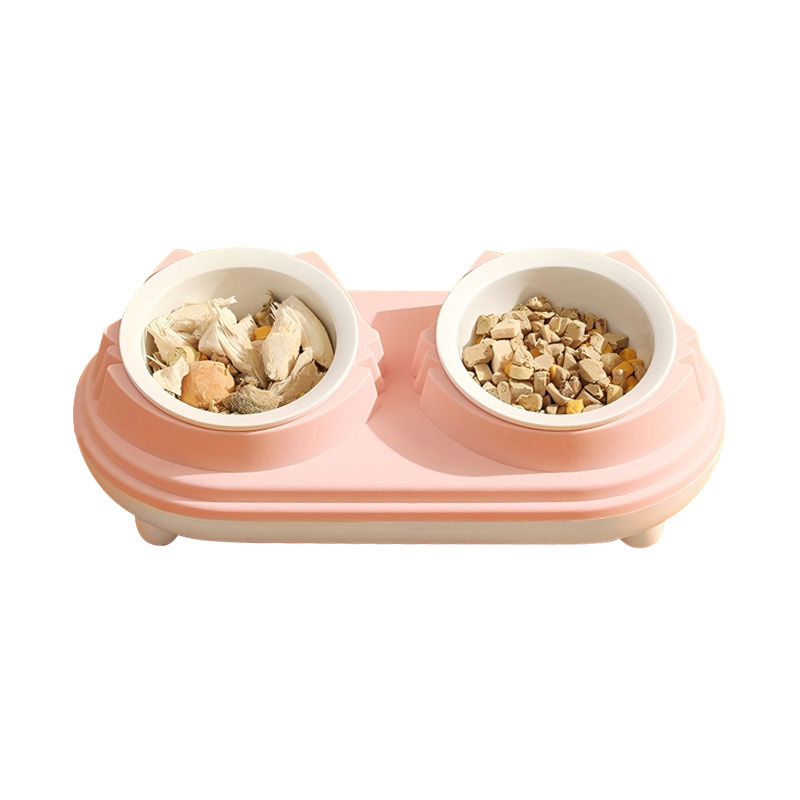
Pet Bowl
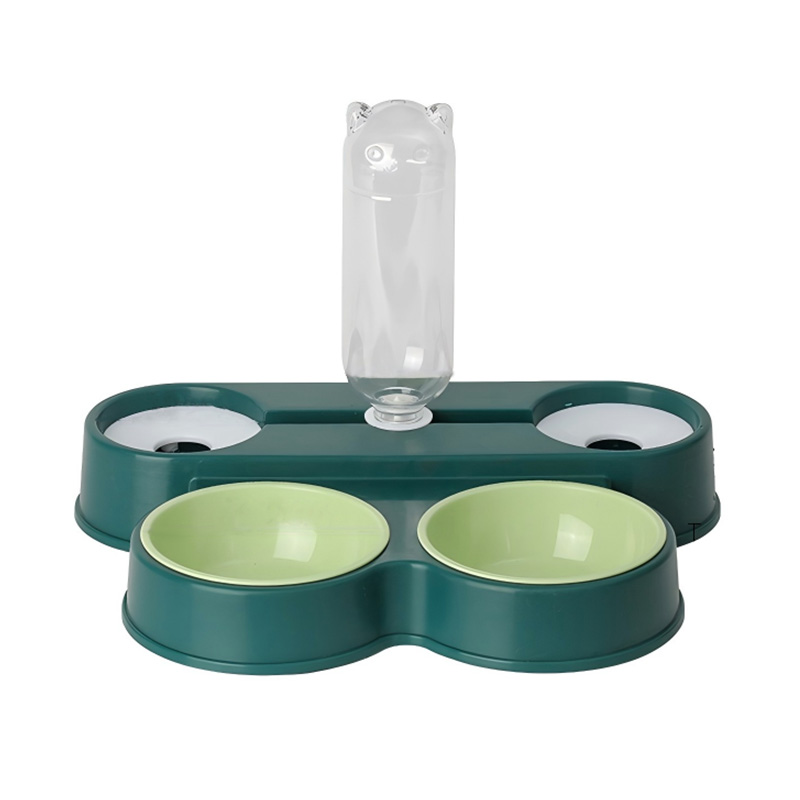
Pet Bowl
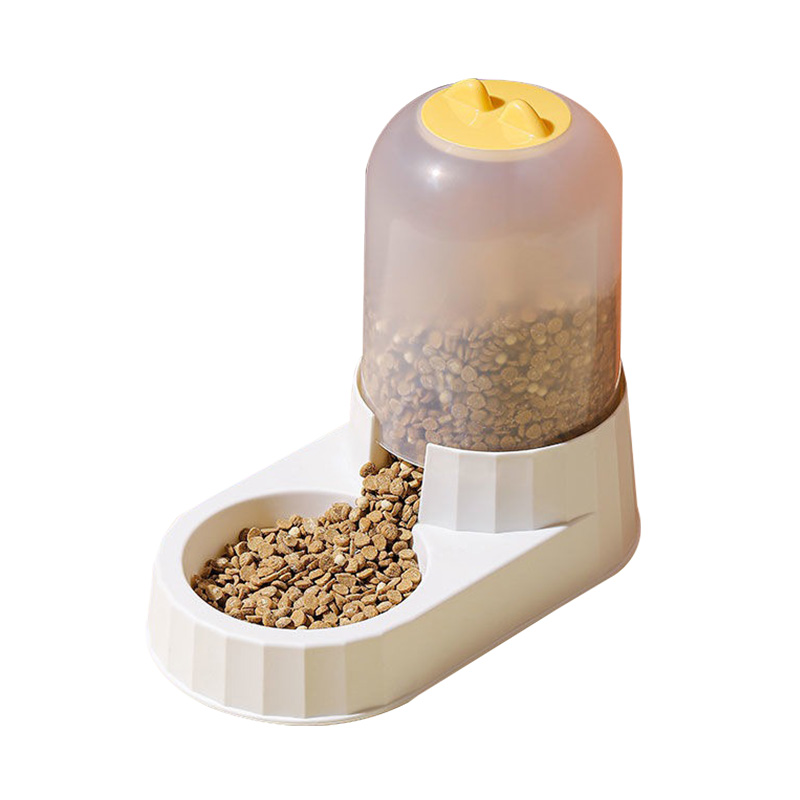
Pet Automatic Water Dispenser
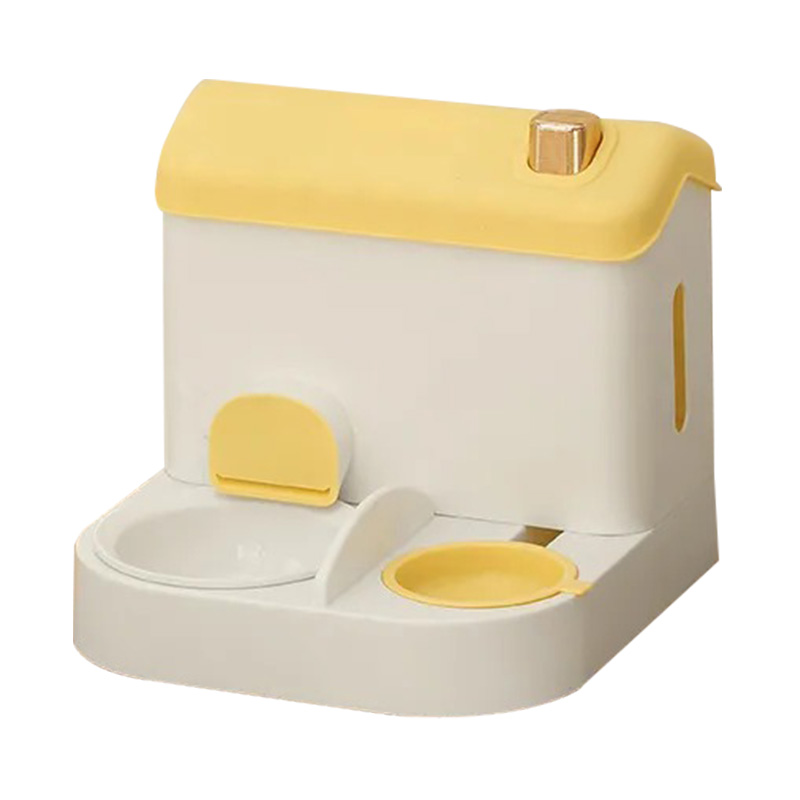
Pet Automatic Water Dispenser
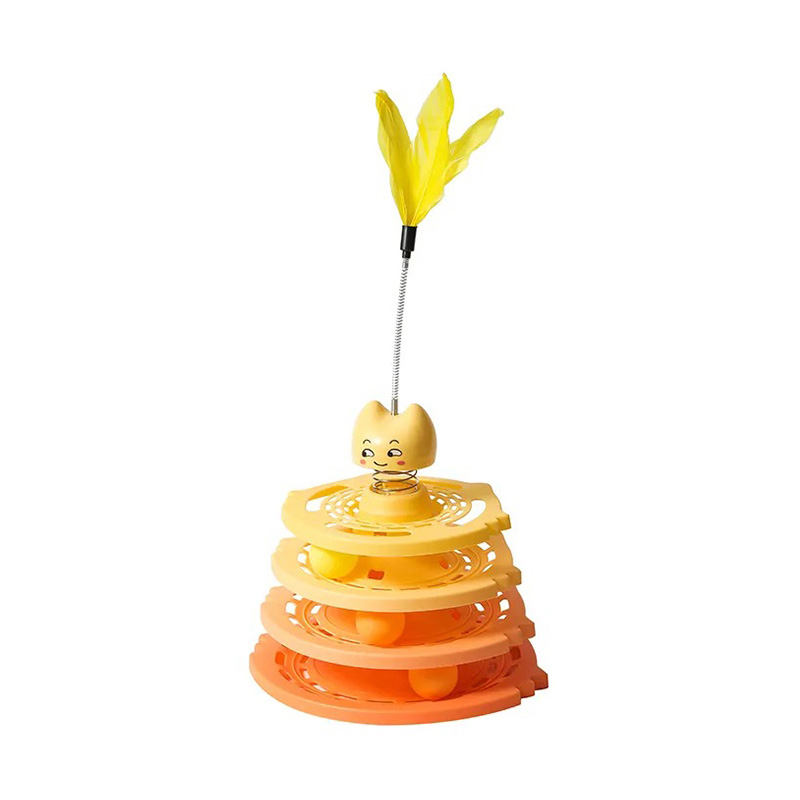
Pet Toy
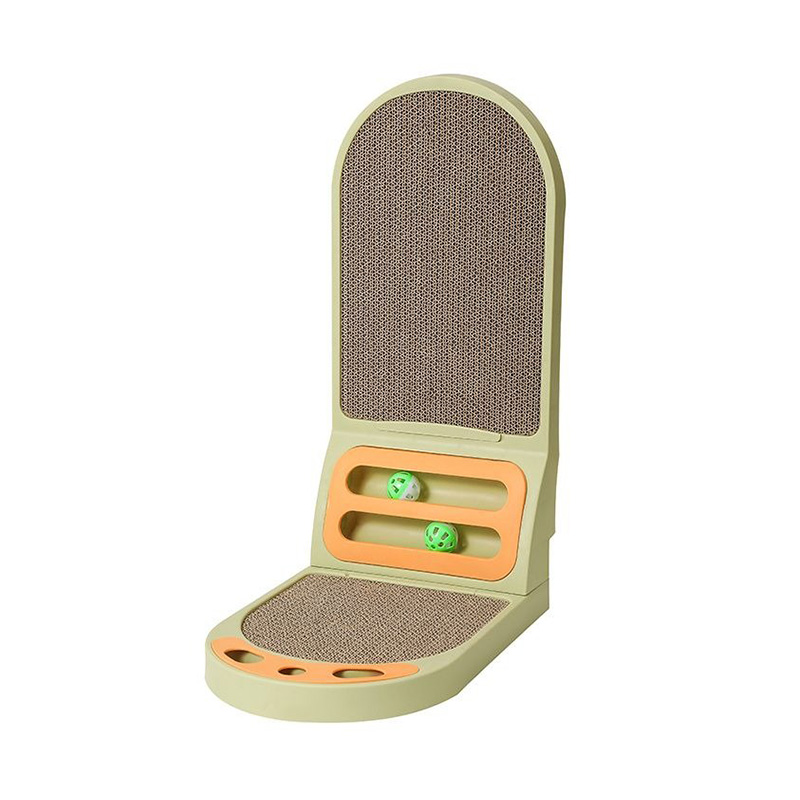
Cat Scratch Board
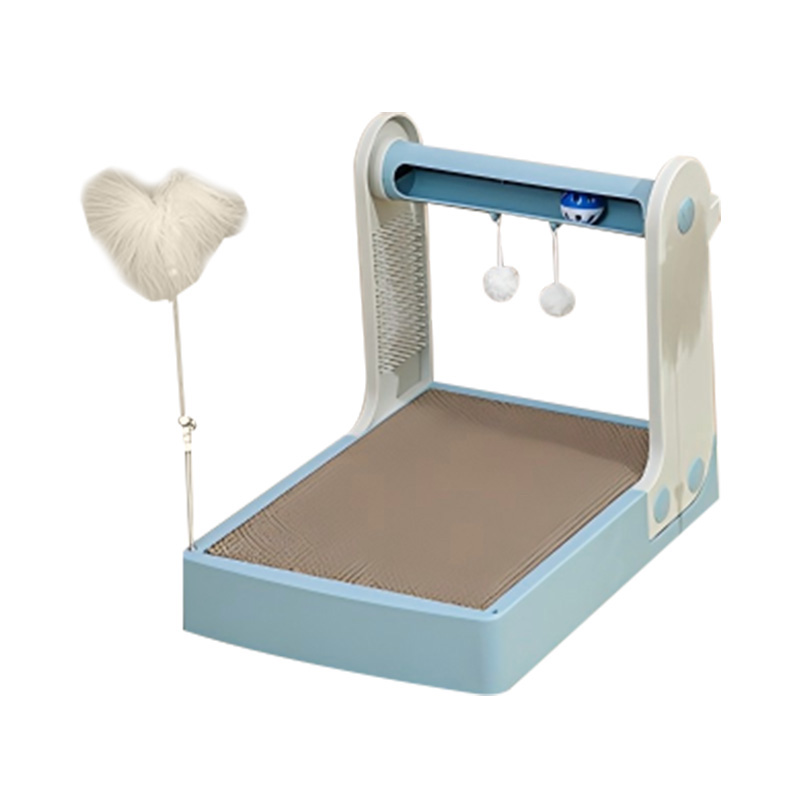
Cat Scratch Board
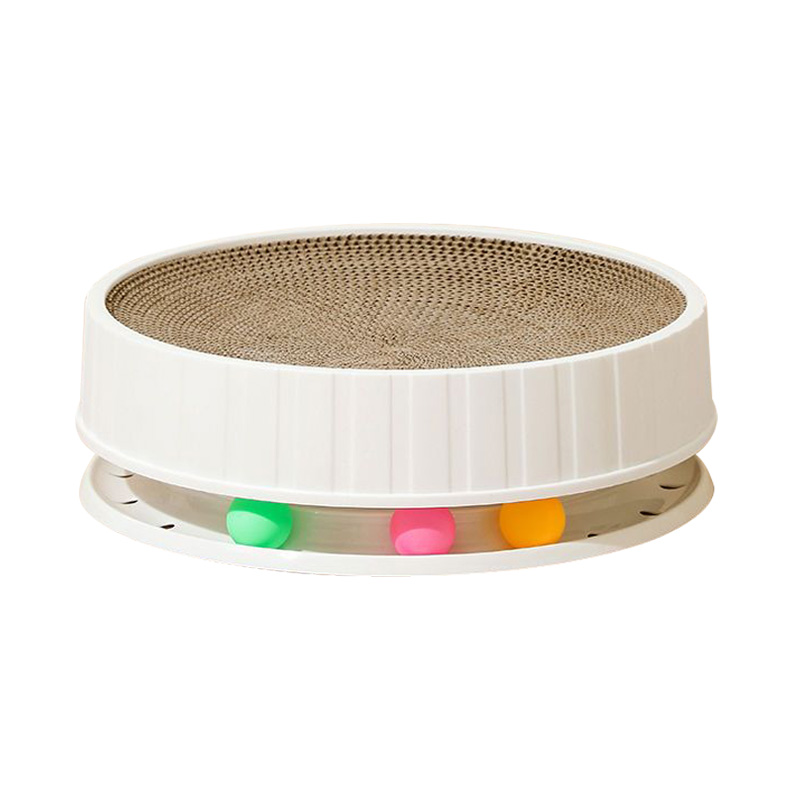
Cat Scratch Board



 +86-18329090387
 [email protected]
 Pukou Village, Xiaoshun Town, Jindong District, Jinhua City, Zhejiang, China
Pet Supplies & Products Factory

 English
 русский
 Español
 Português
 عربى
عربى