
Company News
With the increasing awareness of environmental protection, new environmentally friendly materials are being used more and more widely in the field of pet products. These materials are not only environmentally friendly and degradable, but also can reduce pollution to the environment while ensuring performance. For example, biodegradable plastic is a plastic material that can be decomposed by microorganisms in the natural environment. Using it to make pet products can effectively reduce white pollution. In addition, there are some materials that are recycled from waste, such as recycled paper and recycled cotton, which are also widely used in the manufacture of pet products.
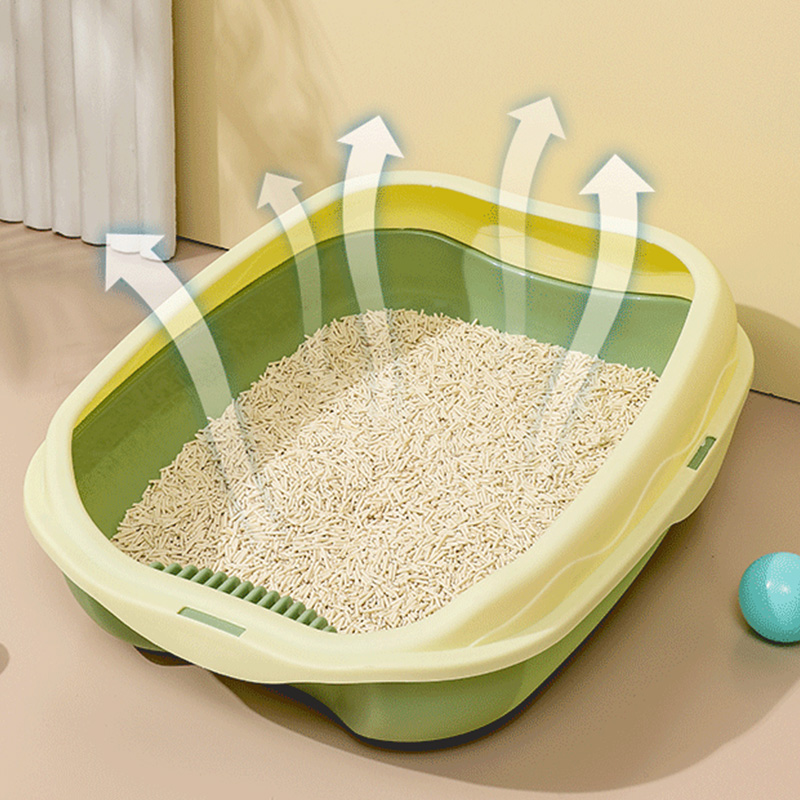
An open-top cat litter box is one of the simplest and basic designs available for pet owners. Unlike its covered counterparts, it lacks a lid or top structure, allowing easy access for the cat to use the box. Here are some characteristics and advantages of this design:
Simple Design:
The open-top cat litter box is usually straightforward in design, often made of plastic with low sides. Its simplicity makes it easy to clean and maintain.
Ease of Access:
Cats can enter and exit the box with ease, making it a preferred choice for young or senior cats, especially those with limited mobility. This open design reduces any discomfort that might arise from a lid or cover, allowing cats to use it naturally.
Ventilation:
The absence of a cover promotes better airflow within the box, helping to reduce odors. With more ventilation, the box stays fresher for longer periods, reducing the need for frequent cleaning.
Ease of Cleaning:
Without a top to remove or disassemble, cleaning the open-top cat litter box is quicker and more convenient. It also allows owners to monitor the litter level and cleanliness more effectively.
Affordability:
Open-top litter boxes are typically more affordable than their covered counterparts. Since they lack additional features, such as hoods or doors, they are often less expensive.
Larger Surface Area:
The open design provides a larger surface area for cats to move around. This makes it ideal for cats who need more space to adjust their positioning while using the box.
Ideal for Multi-Cat Households:
In a multi-cat household, open-top boxes can be a convenient option. Multiple cats can easily access the box without needing to deal with any barriers or covers.
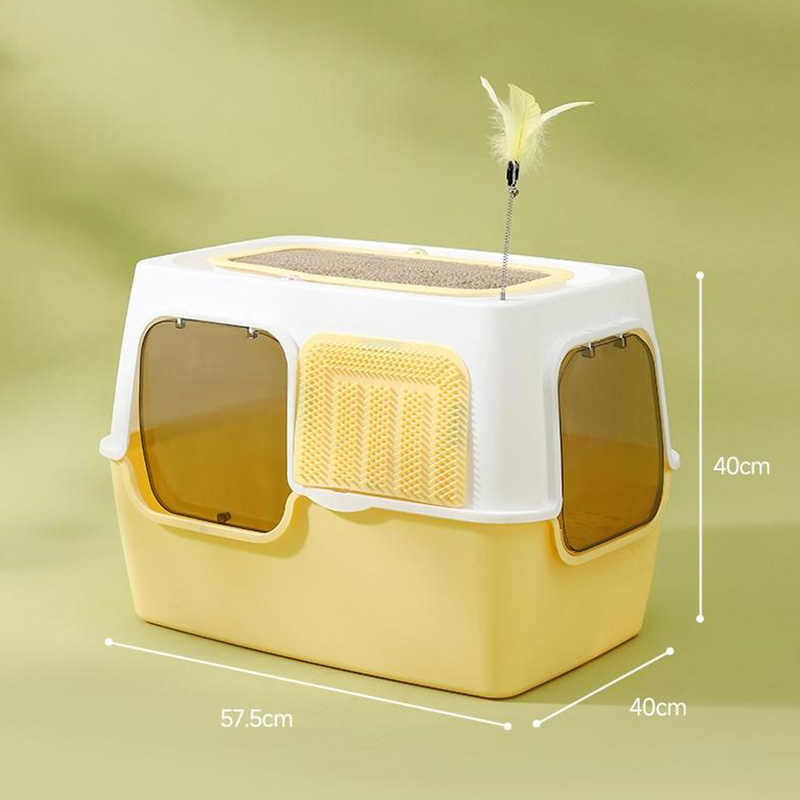
A 2-in-1 fully enclosed cat litter box offers more features and customization than a regular enclosed box. The design is often more sophisticated, with the possibility of converting the box into different configurations. Let’s examine the key differences between these two types of boxes:
Design and Flexibility:
A 2-in-1 fully enclosed cat litter box typically has a modular design that allows the owner to adjust or modify the box depending on the cat's needs. It may be used with a removable top, side panels, or a hood, offering flexibility in how it is set up.
In contrast, a regular enclosed litter box is typically a single, fixed unit that includes a fully covered top and sides, designed to limit access to the litter area while preventing litter from being kicked out.
Access Points:
A regular enclosed litter box typically has one or two entry points, usually a flap door or a small opening, which cats must use to enter or exit the box.
A 2-in-1 fully enclosed litter box, on the other hand, often has multiple access points that can be configured to meet specific needs, such as side openings or removable tops. This versatility can be especially helpful for cats with different behavioral preferences.
Ease of Maintenance:
Fully enclosed boxes may have more components to clean, such as detachable covers and filters. However, the 2-in-1 design allows owners to tailor the level of enclosure based on how easy they want the maintenance process to be.
Regular enclosed litter boxes can be a bit more cumbersome to clean, as the full coverage of the box makes it necessary to remove the top for thorough cleaning.
Ventilation:
While both types of boxes aim to reduce odor, a 2-in-1 fully enclosed box often comes with added ventilation options, such as air filters or vents, to maintain airflow while keeping the odor contained. Regular enclosed boxes might lack these ventilation features, bring about stronger odors over time.
Space:
A 2-in-1 fully enclosed box often provides more space for the cat, as the configuration can be adjusted to offer more room for maneuvering.
A regular enclosed litter box might feel cramped, especially for larger cats, as the space is typically confined to the interior dimensions of the box.
Despite their flexibility and innovative design, 2-in-1 fully enclosed cat litter boxes can present some challenges for both cats and their owners. Below are some common problems:
Complicated Setup:
The multiple components of a 2-in-1 box might make setup initially confusing, especially for new cat owners. Some models require significant assembly or adjusting of parts to create the right configuration.
Restricted Space:
Some cats may find the enclosed nature of the box uncomfortable, especially if the box is too small or the access points are too narrow. Cats that are larger or more sensitive may be hesitant to use the box altogether.
Frequent Maintenance:
The more elaborate design, with additional filters or modular parts, can make regular cleaning more time-consuming. Keeping the ventilation system and filters clean requires consistent attention.
Potential for Odor Build-Up:
If the ventilation system is not well-maintained or the filters become clogged, the fully enclosed nature of the box can trap odors inside, making it smellier than an open-top box. Without proper airflow, the box can become less effective in odor control.

Covered cat litter boxes are generally not recommended for kittens, especially very young ones. The primary concern with covered boxes is the size and accessibility of the entry point. Kittens may struggle to fit through the small openings or become intimidated by the enclosed space, which may bring about accidents outside the box. Additionally, the lack of visibility inside a covered box can cause stress for kittens, who are still learning to use the litter box. It is better to start with an open-top box or a box with a larger, more accessible entry to make the transition easier for kittens.
Training your cat to use a covered litter box is similar to training them for an open-top box, but there are a few additional considerations to make the process easier:
Introduce the Box Gradually:
Place the covered box in a quiet area of the home, preferably where your cat already feels comfortable. Initially, leave the top off the box or leave the door open to allow your cat to adjust to the new space without feeling confined.
Encourage Exploration:
Gently place your cat inside the box to help them understand its purpose. Praise them for using the box and offer treats as a reward for successful use. Ensure the litter is clean and inviting to encourage use.
Cover the Box Gradually:
Once your cat starts using the box regularly, begin to cover the top or close the door slowly. This gradual approach reduces any anxiety your cat might have about using the enclosed space. Always ensure they have enough room to move freely inside.
Monitor Behavior:
Watch for signs of hesitation or reluctance to use the box. If your cat seems distressed by the covered box, consider returning to an open design until they are fully comfortable.
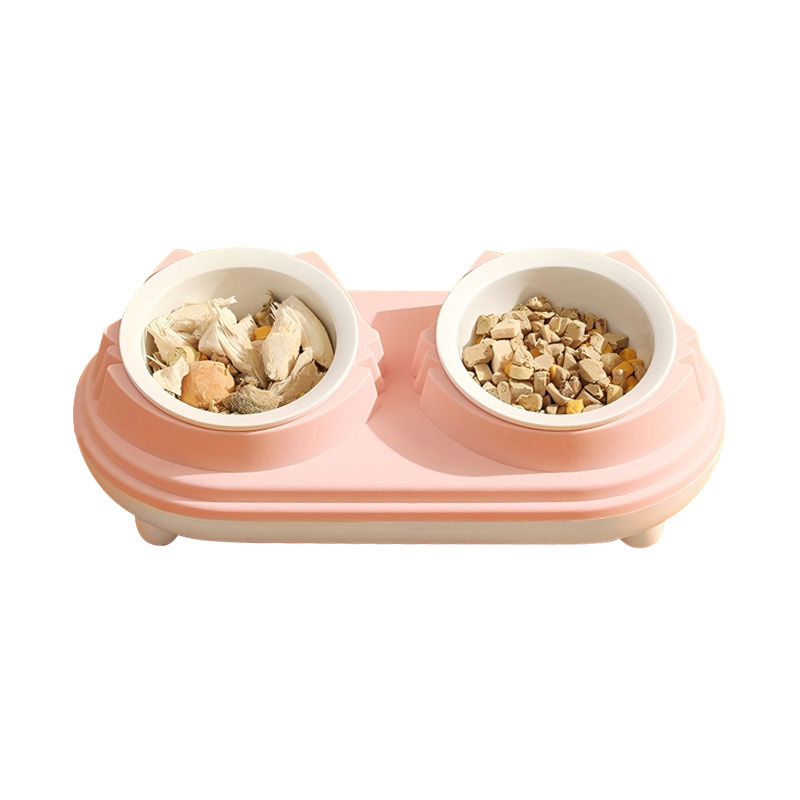
Pet Bowl
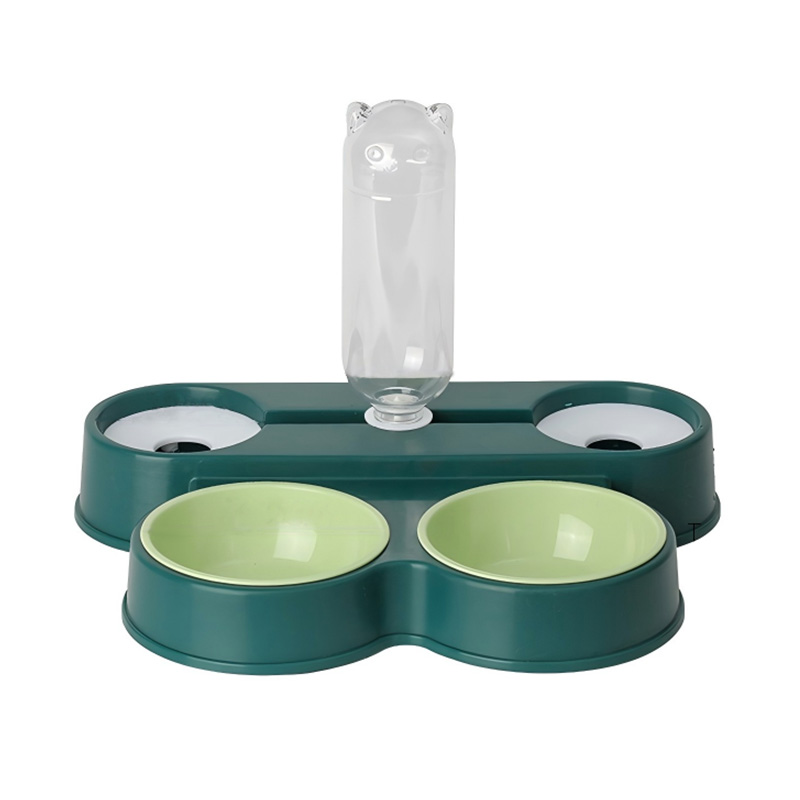
Pet Bowl
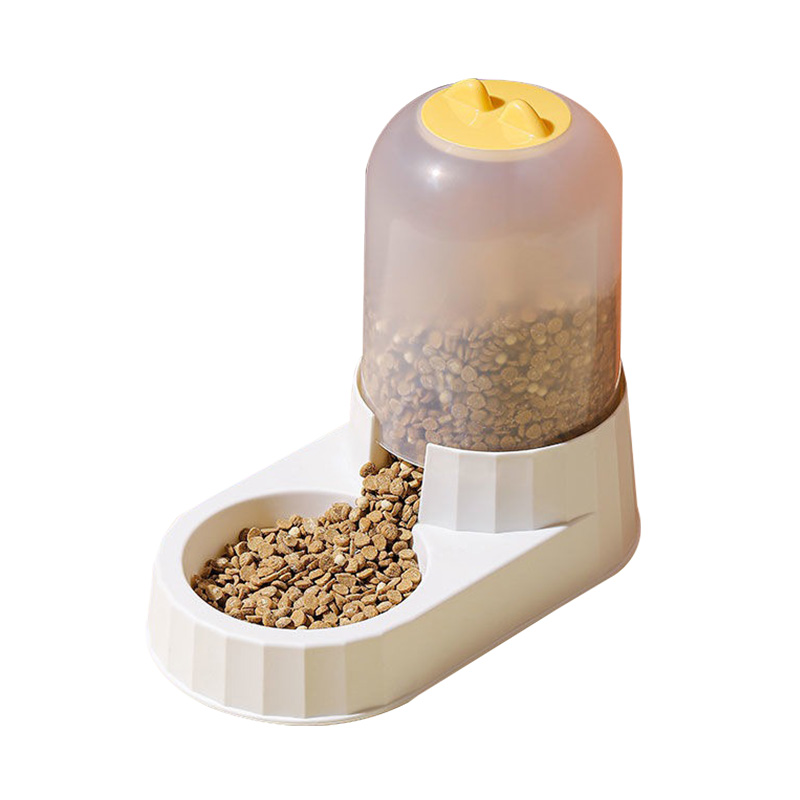
Pet Automatic Water Dispenser
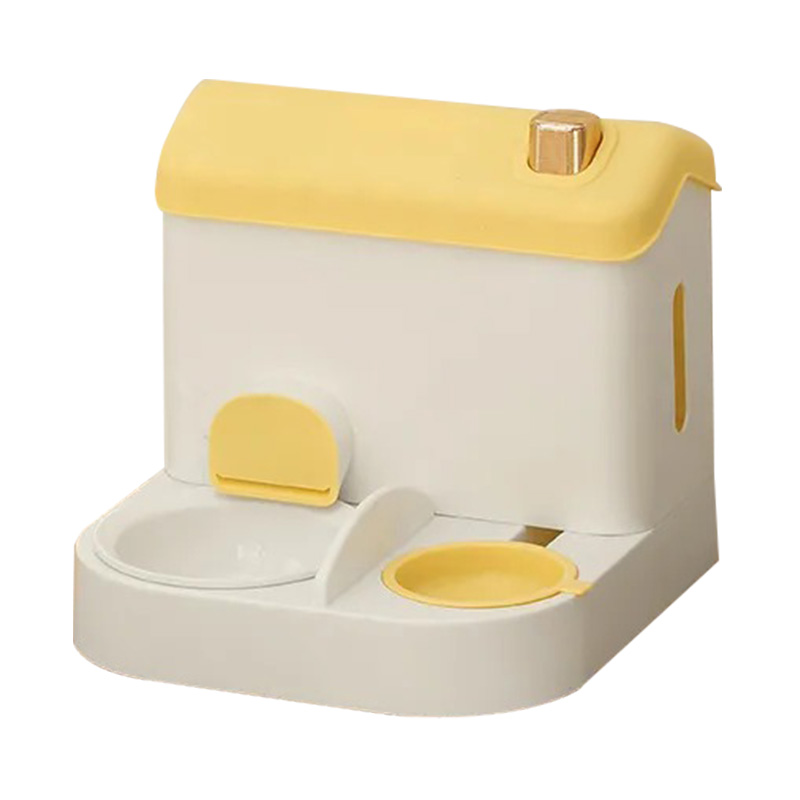
Pet Automatic Water Dispenser
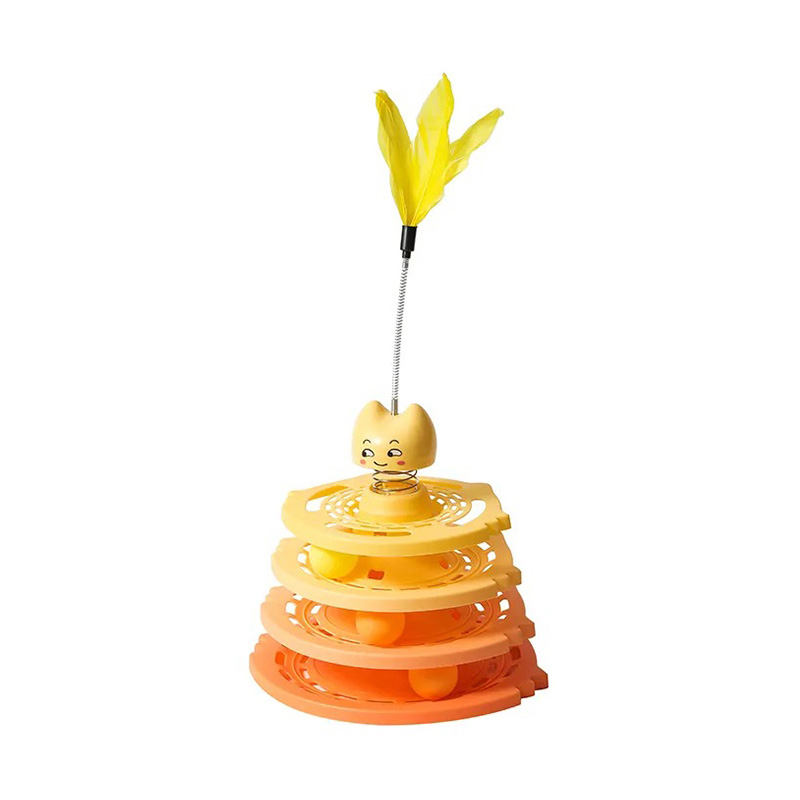
Pet Toy
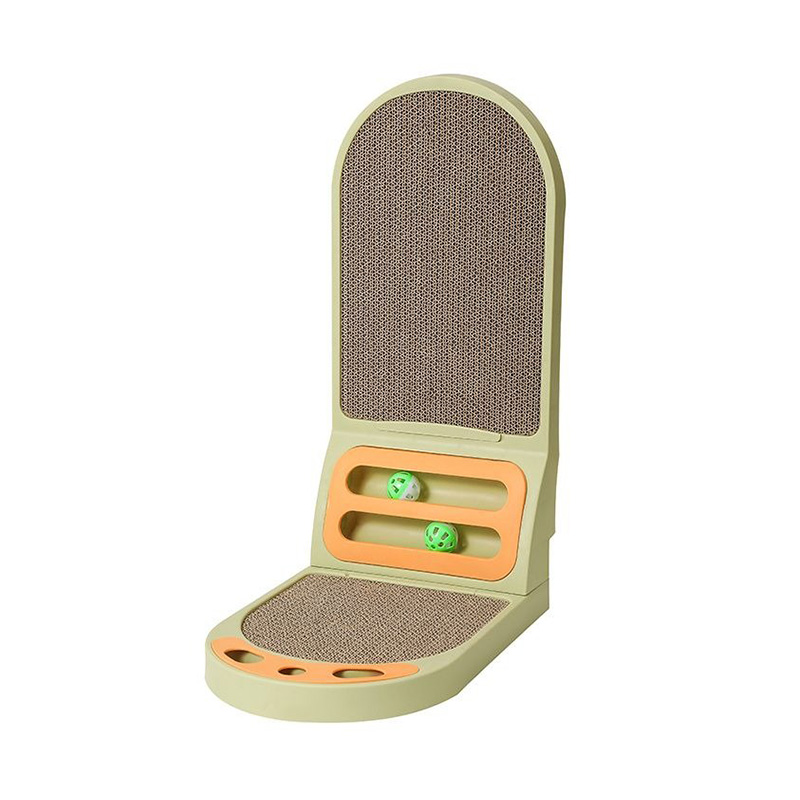
Cat Scratch Board
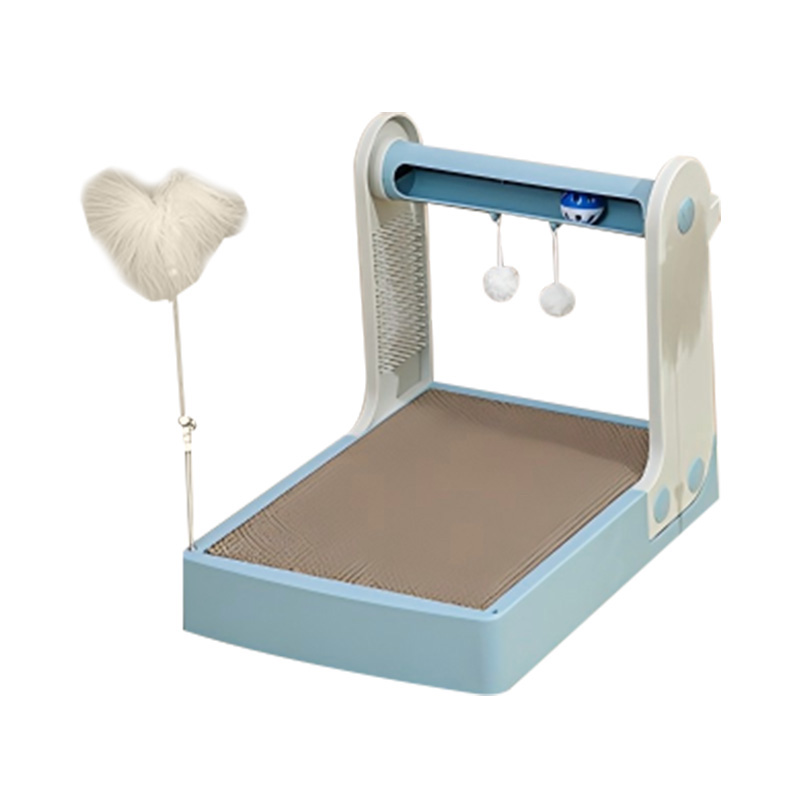
Cat Scratch Board
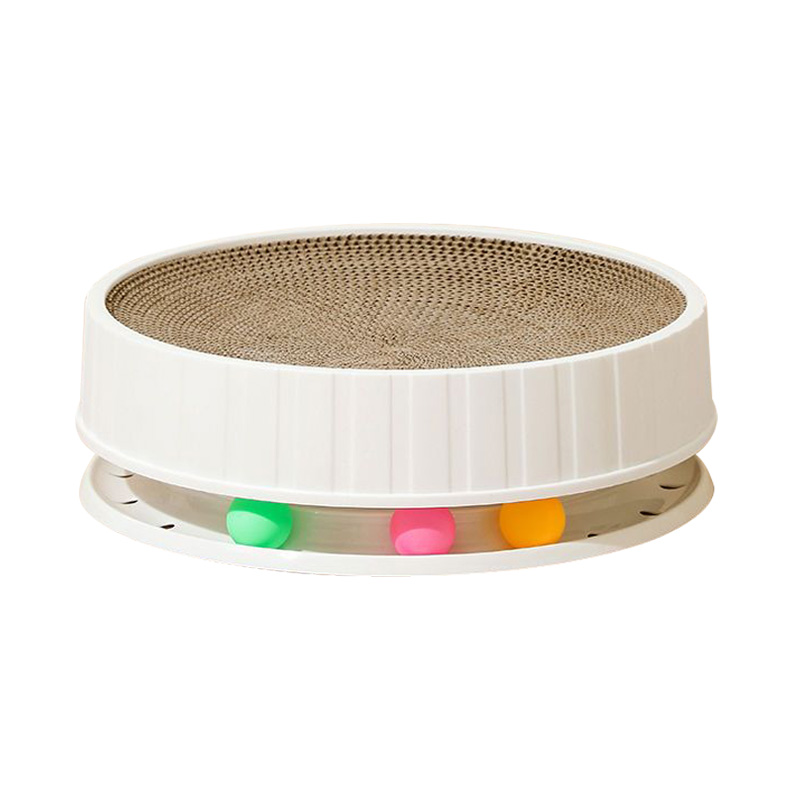
Cat Scratch Board



 +86-18329090387
 [email protected]
 Pukou Village, Xiaoshun Town, Jindong District, Jinhua City, Zhejiang, China
Pet Supplies & Products Factory

 English
 русский
 Español
 Português
 عربى
عربى