
Industry News
1. Satisfy natural needs and physiological maintenance
Natural claw sharpening mechanism:
Cat scratching boards help cats remove aging cuticles, prevent nails from growing too long and causing punctures or embedding into the pads to cause infection, and maintain the sharpness of claws to continue hunting instincts.
The sweat glands in the claws release odors by scratching on the cat scratching board to complete the territory marking behavior.
Spinal and muscle exercise:
The stretching action during scratching can stretch the back muscle groups, promote joint flexibility, and prevent the accumulation of spinal pressure caused by obesity.
2. Mental health and behavior management
Stress release and emotional regulation:
The scratching process stimulates the secretion of endorphins, effectively relieves negative emotions such as anxiety and boredom, and reduces stress reactions such as abnormal aggressive behavior or excessive licking.
The frequency of scratching increased by 40%-60% after spreading catnip, proving that this behavior has natural pleasure attributes.
Environmental adaptation and habit formation.
The dedicated scratching area can reduce furniture destruction by 80%-90%, and the conditioned reflex of "fixed-point scratching" can be established through guidance.
3. Functional extension and health protection
Multi-functional use scenarios: Modern cat scratching boards often integrate climbing frames, cat nests or cat toys to increase exercise while providing all-weather entertainment space.
Disease prevention: Regular use can avoid paronychia caused by overly long nails and reduce the risk of paw pad trauma caused by scratching hard objects.
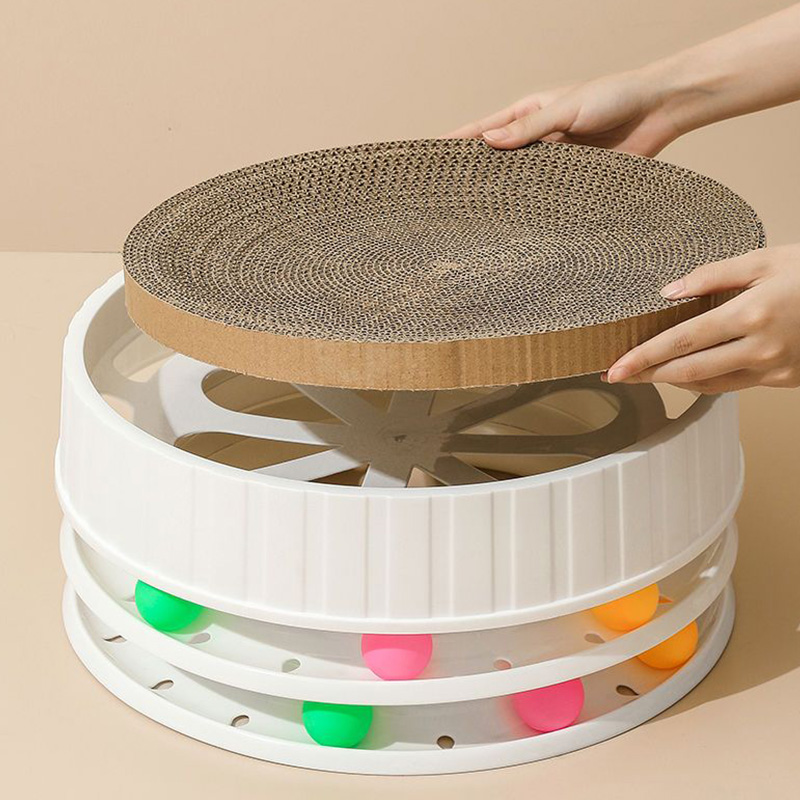
Domestic cats rely on scratching behavior to maintain claw condition, mark territory, and stretch muscle groups. For households that want to balance feline enrichment with preservation of furniture and walls, engineered scratching surfaces such as wall-mounted units and corrugated cardboard boards offer a practical solution. Manufacturers and distributors are also responding to consumer attention toward safety and environmental impact. The following essay addresses three aspects of contemporary scratching products: safe use of wall-mounted systems, sustainability considerations for recycled cardboard boards, and design features of flat and angled corrugated models with catnip integration.
Wall-mounted cat scratchers provide vertical stimulation and save floor space, but installation and use require procedural care. A structured safety approach covers mounting integrity, material evaluation, and behavioral observation.
Evaluate the wall substrate before installation. Drywall, masonry, and wood studs present different load-bearing characteristics. Anchors should match substrate type, and the product's weight rating must align with expected dynamic load, including jumping or climbing forces. For drywall applications, mounting into studs or using rated expansion anchors reduces the probability of detachment. Fasteners should be checked for torque stability after installation, ensuring no rotational play or loosening.
Consider height placement relative to the cat's body dimensions. Positioning the scratcher so the cat can extend fully without overreaching supports ergonomic movement patterns. Excessive elevation may prompt unsafe jumping behavior. Avoid installation near fragile shelves, electrical cords, or heat sources, since sudden movement during play could displace nearby objects.
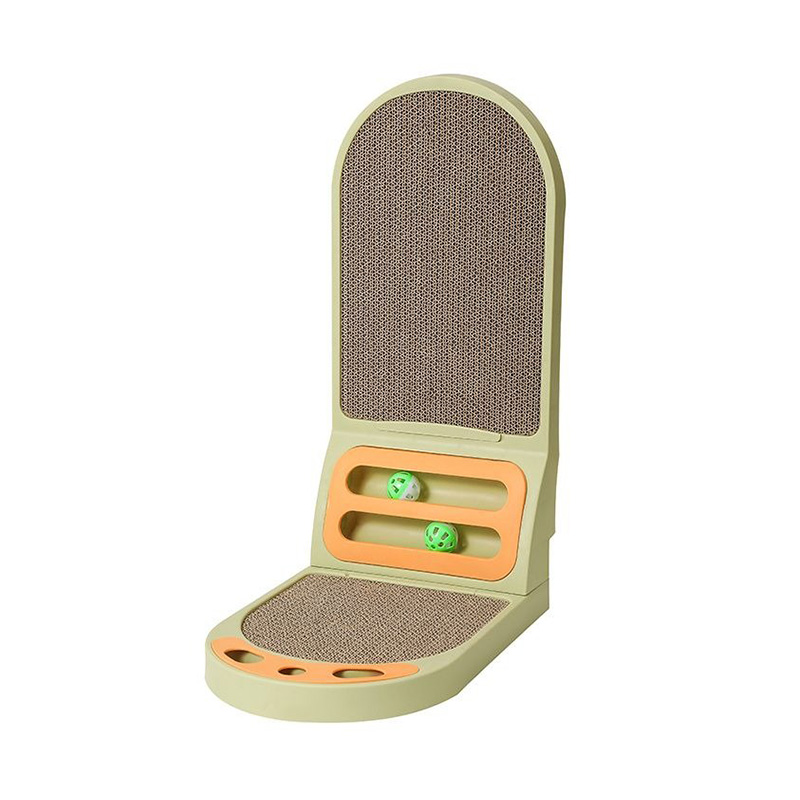
Material inspection is another safety component. Cardboard layers, sisal coverings, or composite panels should be free from exposed staples, splinters, or adhesive seepage. Routine visual inspection allows early identification of wear patterns such as delamination or fraying, which may pose ingestion or entanglement risks. When deterioration reaches structural compromise, replacement or refurbishment is advisable.
Cleaning and maintenance should be conducted without aggressive chemical agents. Neutral detergents or mechanical dust removal maintain hygiene without introducing residues that could irritate paws or respiratory systems. During maintenance, temporarily restrict access to prevent interaction with tools or detached parts.
Behavioral monitoring ensures the product aligns with the animal's use patterns. If signs of avoidance, stress, or unstable climbing appear, reassessment of installation position or product design may be warranted. By combining secure mounting, material diligence, and ongoing monitoring, wall scratchers can operate as a controlled and safe enrichment element within the household environment.
Many manufacturers incorporate post-consumer or post-industrial recycled paper fibers into corrugated structures. The material is pulped, filtered, and reprocessed into layered sheets, which are then bonded into scratching blocks. Product labeling or technical documentation typically specifies recycled fiber percentages.
Recycled fibers may exhibit shorter cellulose length compared with virgin pulp, but engineered layering and density control compensate for this difference. Performance depends more on corrugation geometry and adhesive application than on fiber origin alone. In practical usage, properly manufactured boards retain functional scratching resistance across expected service intervals.
Some products employ starch-based or water-soluble binders rather than solvent-based adhesives. These alternatives can reduce volatile emissions and improve end-of-life processing. Consumers seeking environmental alignment should review ingredient disclosures or certifications provided by suppliers.

End-of-life recyclability varies according to contamination from debris, catnip residue, or composite additions. In many municipal systems, clean cardboard components can enter standard recycling streams. Severely worn or contaminated boards may be diverted to waste channels. Local recycling guidelines provide definitive direction.
Corrugated cardboard inherently decomposes under composting conditions, particularly when free from synthetic coatings. Decomposition rates depend on moisture, microbial activity, and fragmentation. Users interested in compost diversion should confirm absence of inks or additives that conflict with organic processing criteria.
Third-party certifications or lifecycle disclosures offer verification beyond marketing language. Documentation referencing material sourcing, manufacturing emissions, or waste reduction initiatives contributes to transparent evaluation.
Products shipped in minimal or recycled packaging reduce total environmental footprint. Consolidated shipping practices and localized manufacturing also influence resource consumption metrics.
Through examination of material sourcing, bonding agents, and disposal pathways, environmentally oriented scratching boards demonstrate compatibility with broader sustainability strategies while maintaining functional usability.
Corrugated cardboard scratchers appear in several geometric configurations, each influencing feline interaction patterns. Flat boards represent the simplest architecture, typically resting on floors or integrated into furniture surfaces. Their planar profile accommodates horizontal scratching motions associated with scent marking and paw conditioning. Flat configurations distribute mechanical wear across a broad area, extending usable surface coverage. Integration with catnip infusions encourages exploratory engagement, as volatile aromatic compounds stimulate investigatory behavior in receptive cats.
Angled scratchers introduce inclined planes that shift biomechanical loading. Inclination supports partial vertical extension without requiring wall attachment, allowing cats to transfer body weight into the scratching action. Structural reinforcement is necessary at load-bearing edges to prevent deformation under repeated stress cycles. Catnip inclusion in angled models often resides within internal channels or surface coatings, gradually releasing scent through abrasion and maintaining user interaction over time.
Casual or hybrid configurations merge elements of flat and angled geometries, sometimes incorporating curvature or modular assembly. These structures create diverse tactile zones, enabling cats to select preferred scratching orientation. From a manufacturing standpoint, hybrid forms require careful die-cutting and folding precision to preserve dimensional stability. Material density and flute direction within corrugated layers influence compression resistance and acoustic feedback generated during scratching, which can affect behavioral preference.
Catnip integration across these formats typically involves embedding dried plant material or applying extract-based coatings. Manufacturers must manage distribution uniformity and containment to prevent excessive shedding or ingestion. Periodic replenishment through removable inserts or refill packets maintains sensory engagement over extended usage periods.
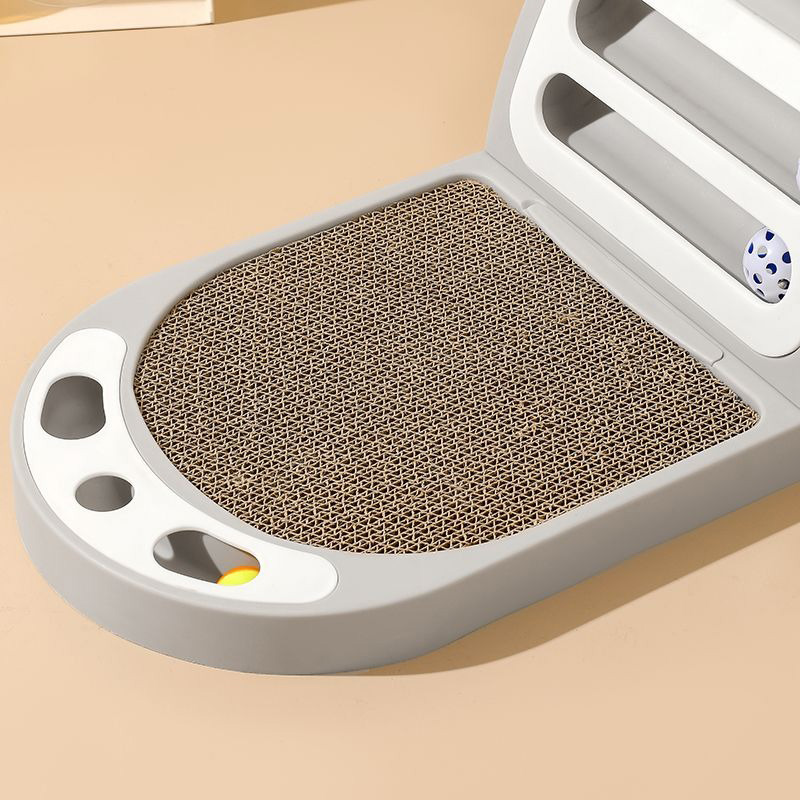
From a commercial and product design perspective, these structural variations illustrate how minor geometric changes alter mechanical interaction and consumer perception. Selecting among flat, angled, or hybrid models depends on available floor space, observed animal posture tendencies, and maintenance considerations. By combining corrugated engineering with attractant elements such as catnip, these scratchers address behavioral needs while presenting a modular product category adaptable to different residential contexts.
Cat scratching systems represent a convergence of behavioral science, materials engineering, and consumer product design. Safe installation of wall-mounted units protects both animals and household infrastructure. Recycled cardboard boards demonstrate alignment with environmental considerations when evaluated through material sourcing and disposal pathways. Meanwhile, structural diversity among flat and angled corrugated scratchers reveals how geometry and sensory augmentation influence engagement. Understanding these factors allows manufacturers, distributors, and consumers to approach scratching solutions with informed technical and practical awareness.
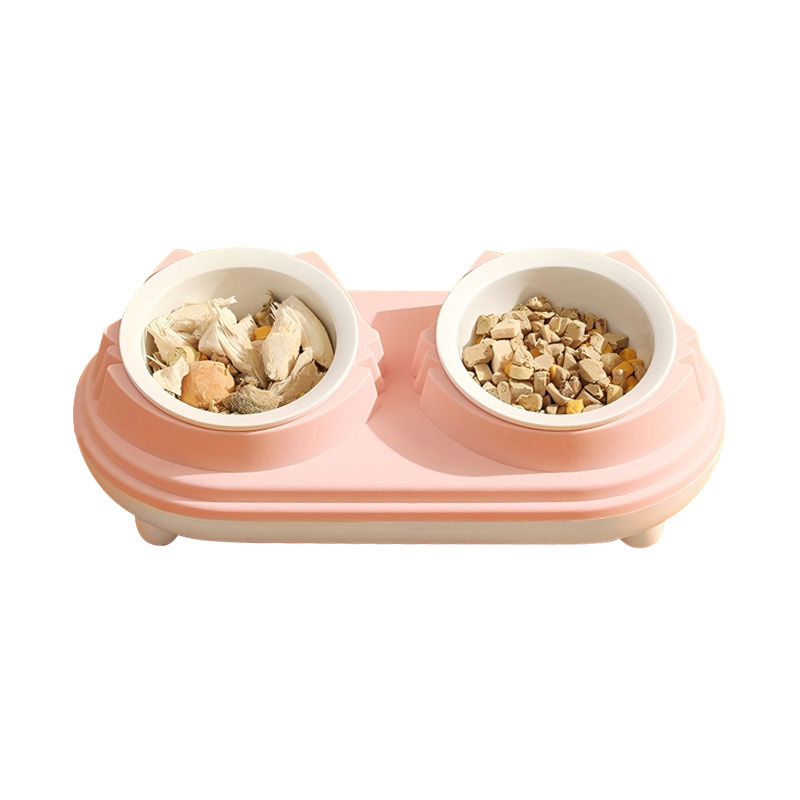
Pet Bowl
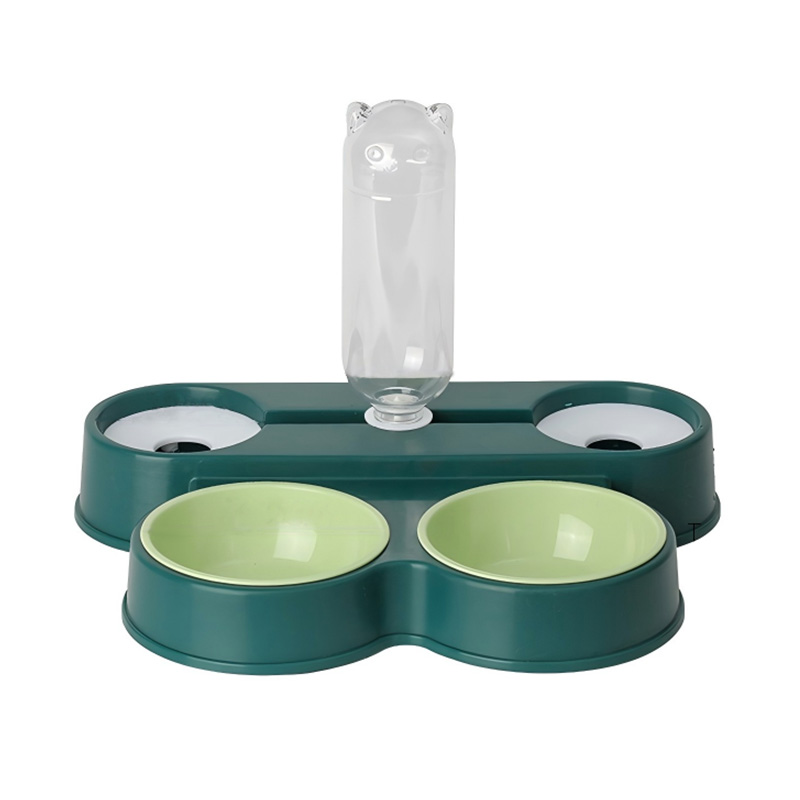
Pet Bowl
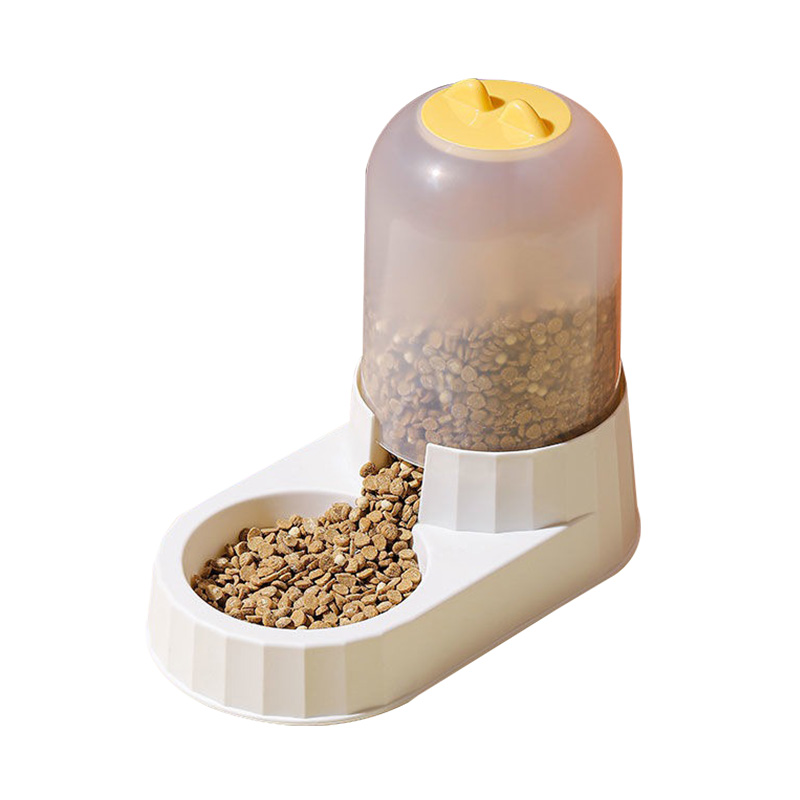
Pet Automatic Water Dispenser
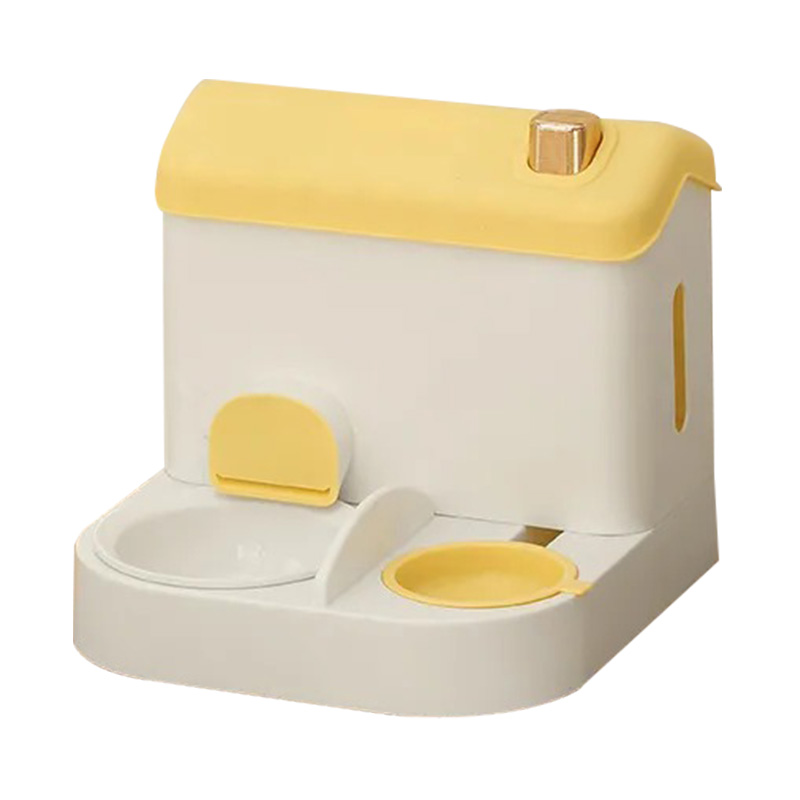
Pet Automatic Water Dispenser
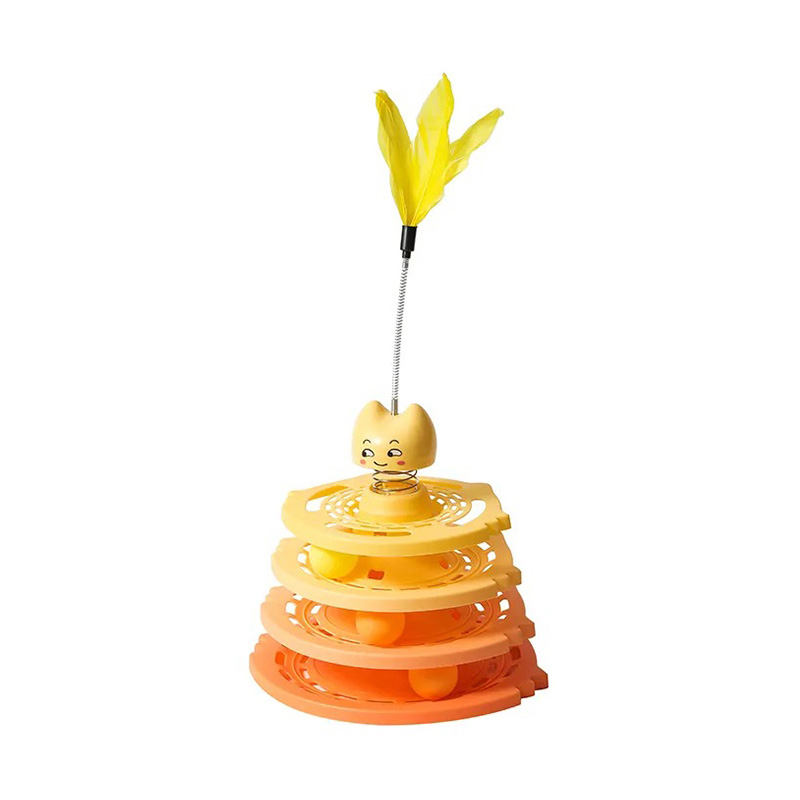
Pet Toy
Cat Scratch Board
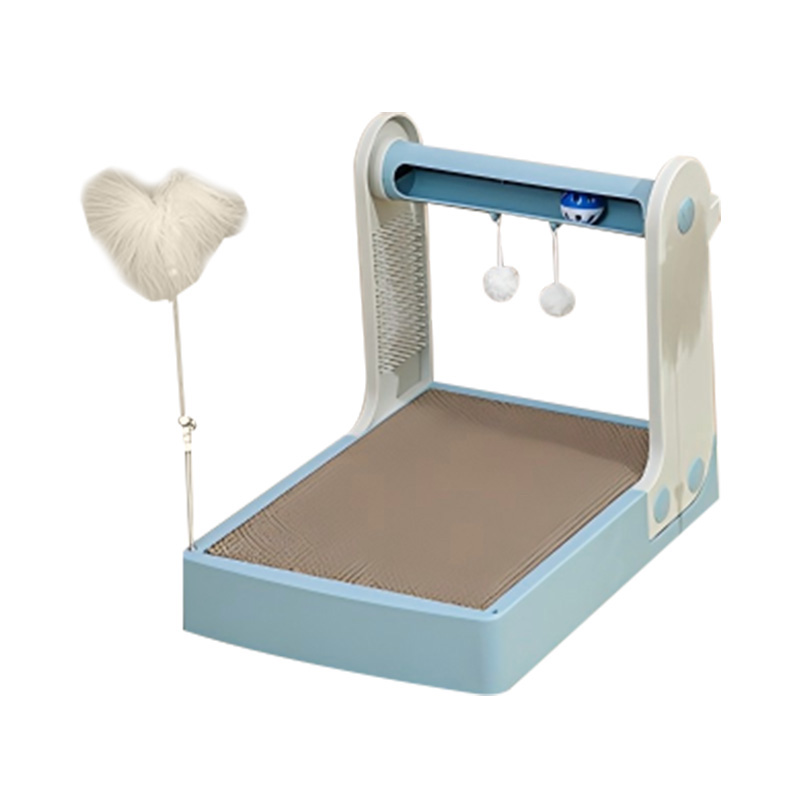
Cat Scratch Board
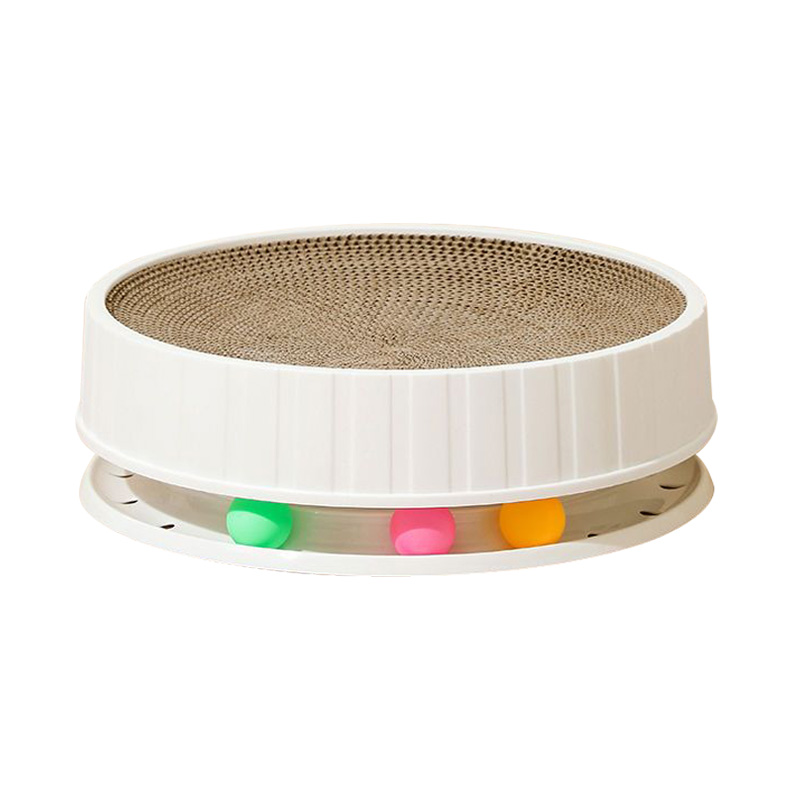
Cat Scratch Board



 +86-18329090387
 [email protected]
 Pukou Village, Xiaoshun Town, Jindong District, Jinhua City, Zhejiang, China
Pet Supplies & Products Factory

 English
 русский
 Español
 Português
 عربى
عربى