
Industry News
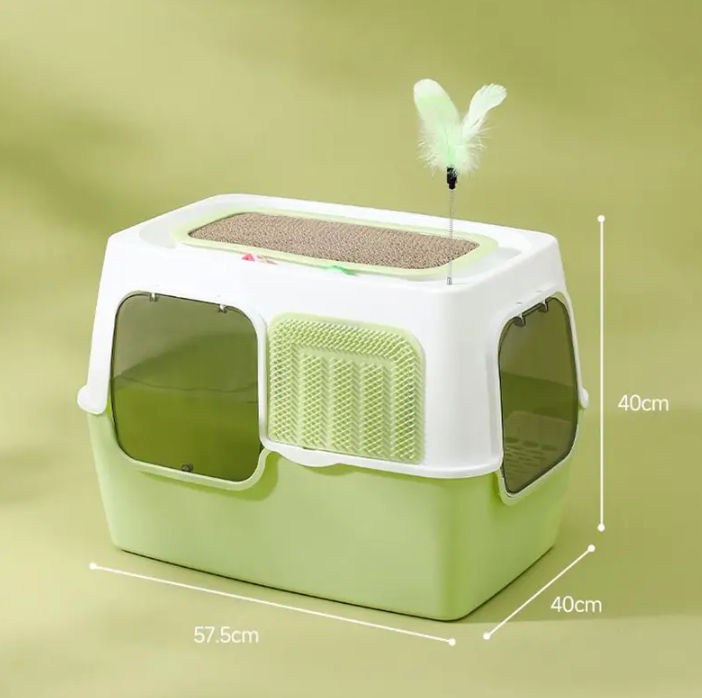
A plastic enclosed litter box is often chosen for indoor cats when owners want to keep litter and odor more contained. At first glance, the fully covered shape looks simple enough, but many people still pause before using it long term. The question usually is not about material quality, but whether a plastic enclosed litter box feels comfortable and practical for daily use.
In real homes, the answer tends to depend on how the cat reacts and how the box is managed rather than the structure itself.
Enclosed space feels different for cats
Compared with open trays, a plastic enclosed litter box creates a more closed environment. Some cats enter without hesitation, while others take time before fully accepting it.
What owners often notice is not dramatic change, but small differences:
These small signals usually appear early when a plastic enclosed litter box is introduced.
Air movement inside the box is limited
One practical difference with a plastic enclosed litter box is airflow. Because the structure is covered, air exchange is not as open as with a simple tray.
In daily use, this shows up in a simple way: odor does not spread quickly, but it also does not disappear quickly if cleaning is delayed.
That is why many owners adjust cleaning habits after switching to a plastic enclosed litter box, instead of changing the product again.
Placement often changes the result
Where the plastic enclosed litter box is placed can affect how it performs in a home. A small corner with little ventilation may hold odor longer, while a more open space allows air to move more freely around it.
Some owners end up moving the box after a few days of use, not because the design is wrong, but because the room layout feels different in practice.
Cats do not all respond the same way
A plastic enclosed litter box does not produce the same reaction in every cat. Some seem comfortable right away, especially if they already use enclosed spaces. Others prefer more open access and may avoid it at first.
Over time, many cats adjust, but the speed of that adjustment is not predictable.
Cleaning habits decide most of the outcome
In everyday use, the condition of a plastic enclosed litter box depends heavily on cleaning frequency.
When cleaning is regular, the enclosed structure feels manageable. When cleaning is delayed, small issues become more noticeable inside the covered space.
Typical routines include:
These steps matter more than the shape of the box itself.
A simple way to look at safety
A plastic enclosed litter box is generally used in normal indoor conditions without special concerns. The design itself is not complicated, but it does change how air, smell, and movement behave inside a small space.
Because of that, its suitability is usually decided in real use rather than on paper. If a cat uses it normally and the cleaning routine is consistent, the enclosed design becomes part of daily living without much attention. If either of those changes, the experience with a plastic enclosed litter box changes as well.
What owners end up focusing on
After some time, owners usually stop thinking about whether a plastic enclosed litter box is “good or bad” in general. Instead, attention shifts to whether the cat is comfortable using it and whether the cleaning routine fits the household.
In many cases, the design is less important than how well it fits into the rhythm of the home.
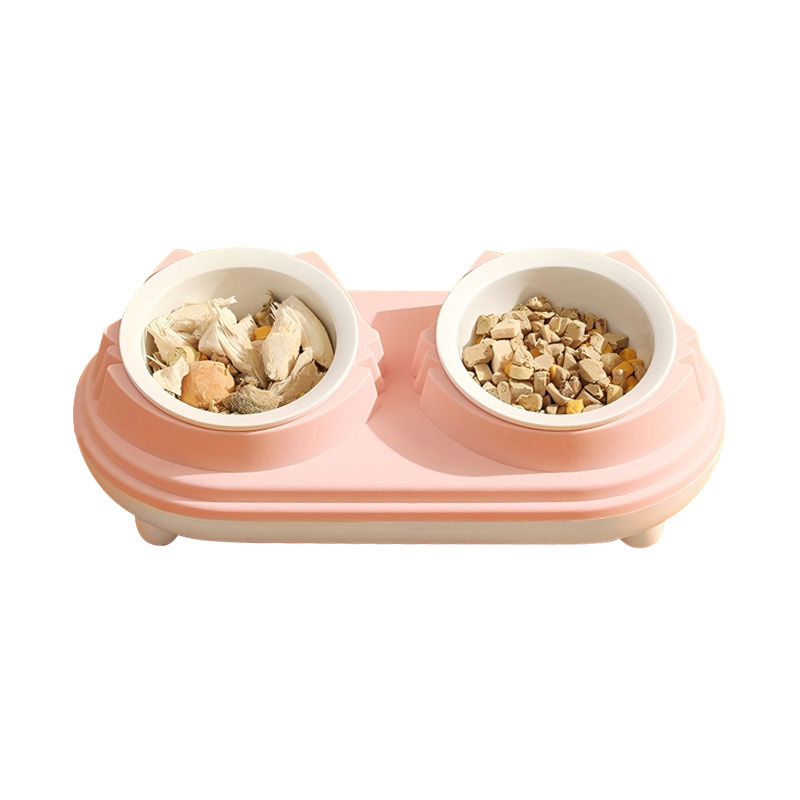
Pet Bowl
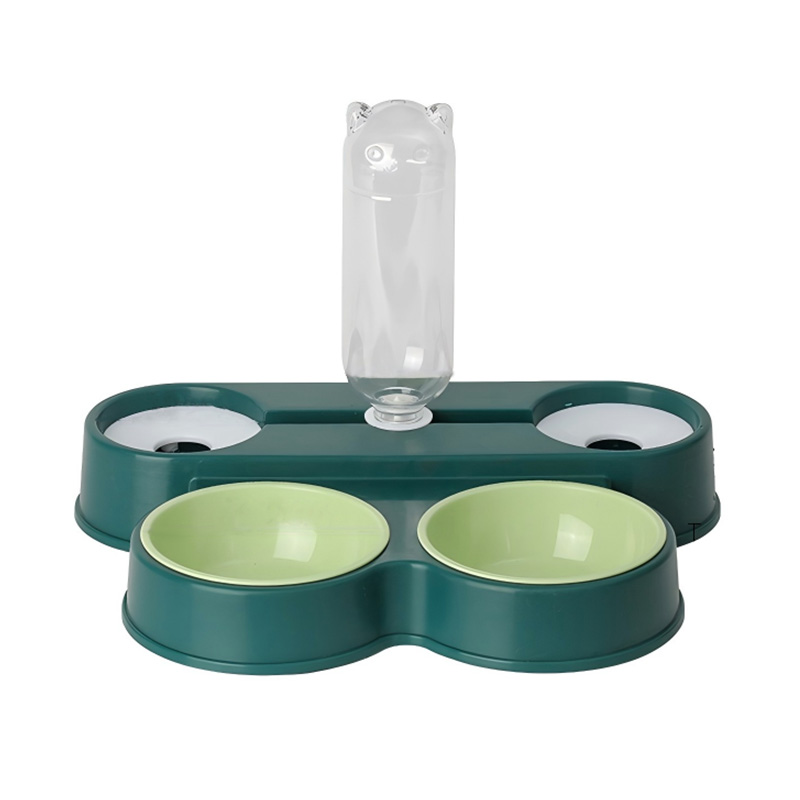
Pet Bowl
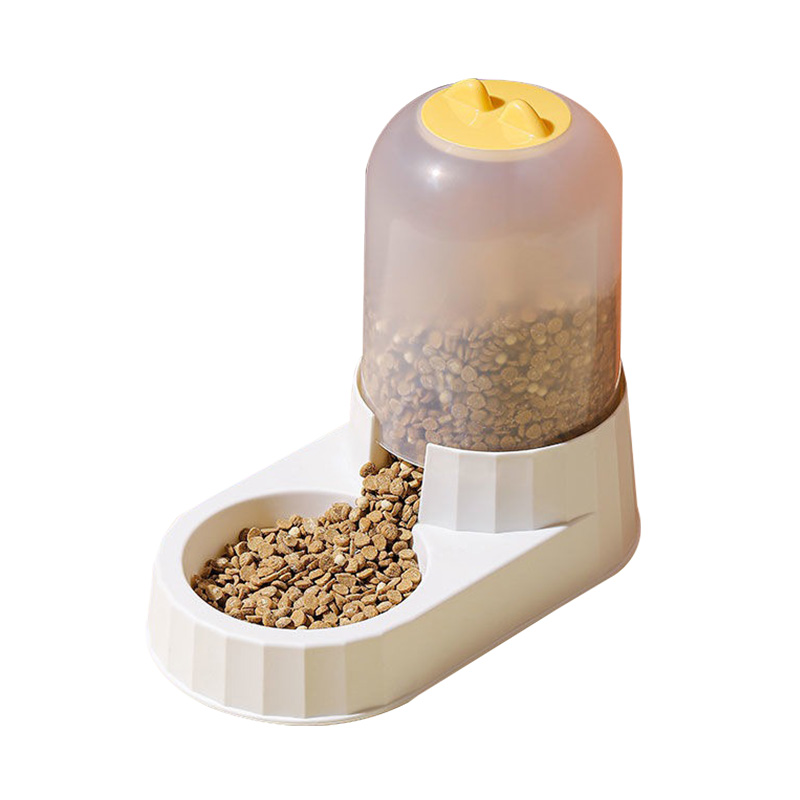
Pet Automatic Water Dispenser
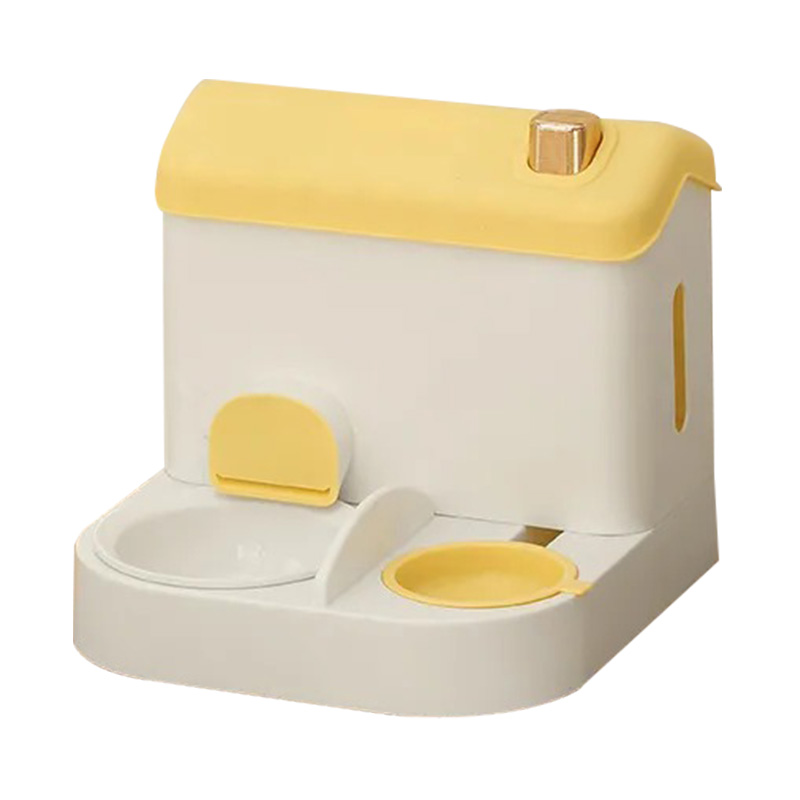
Pet Automatic Water Dispenser
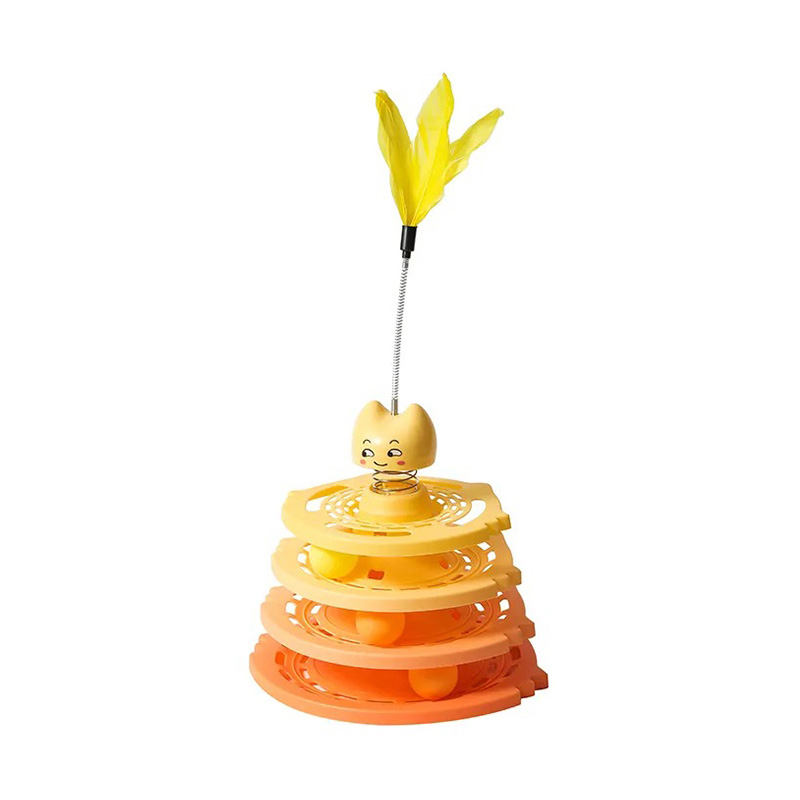
Pet Toy
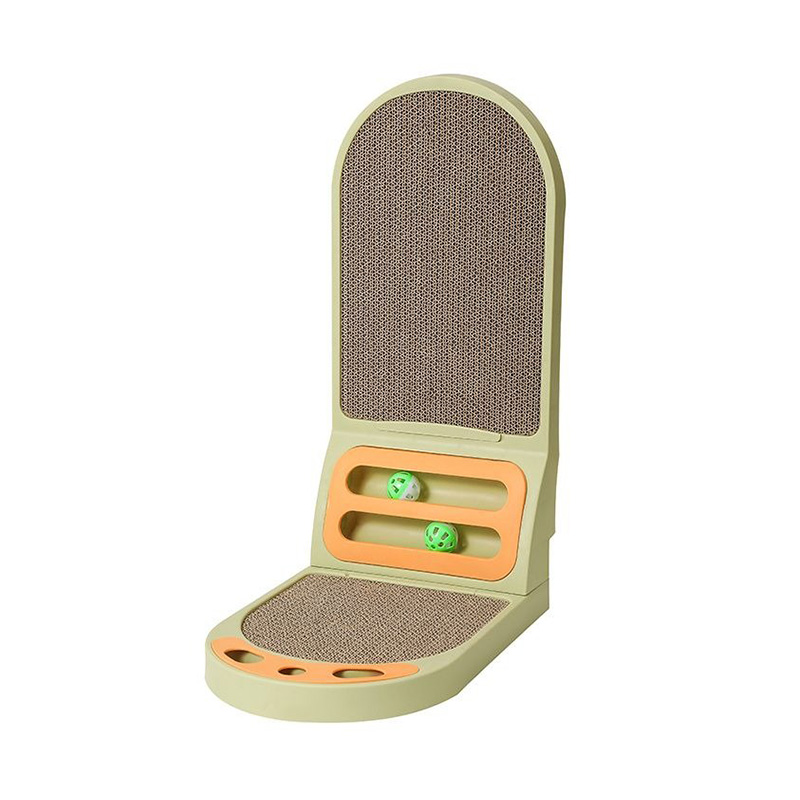
Cat Scratch Board
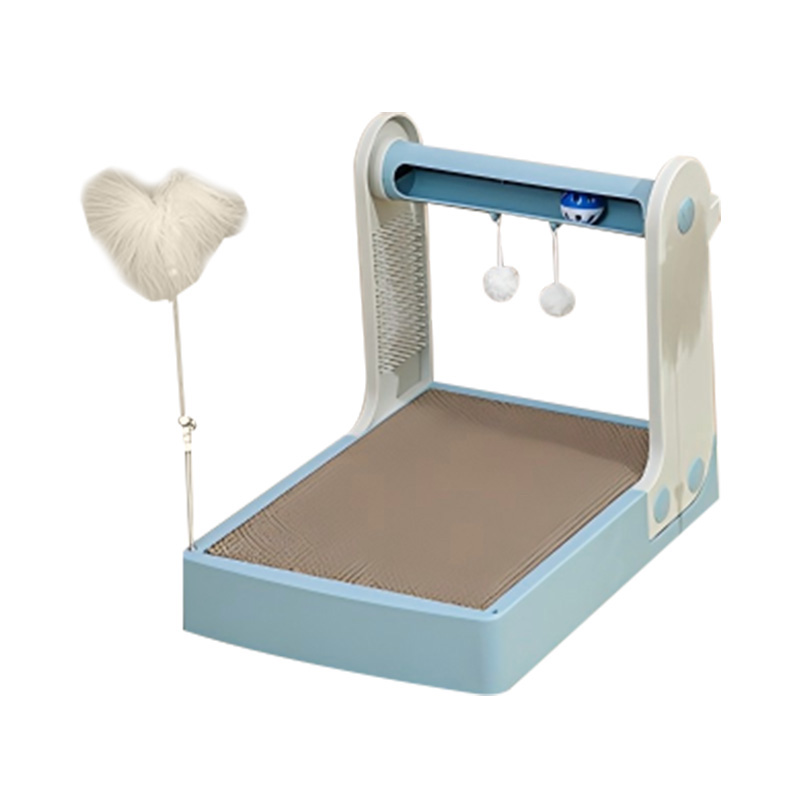
Cat Scratch Board
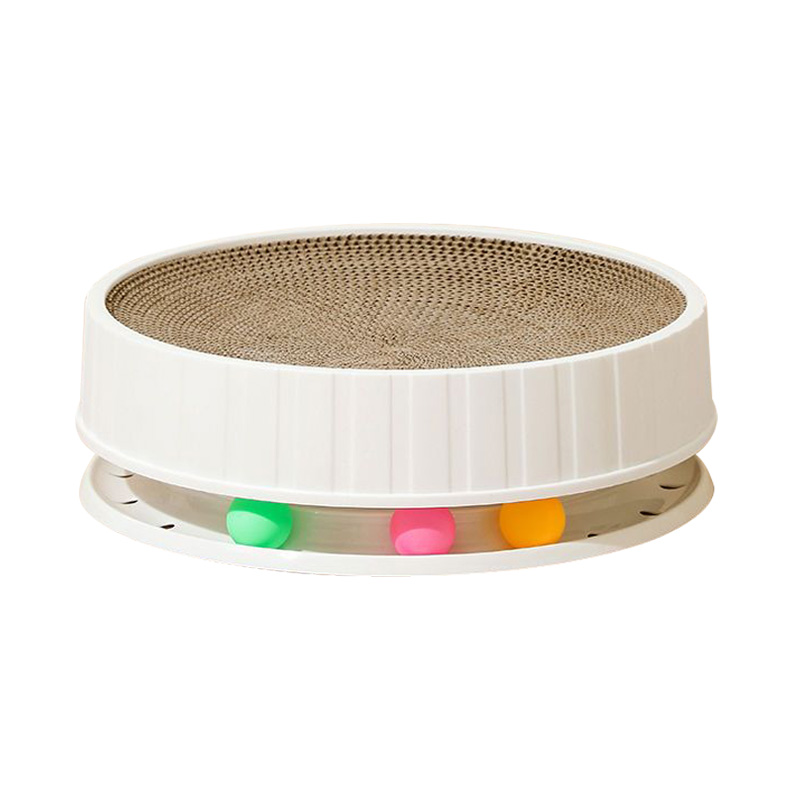
Cat Scratch Board



 +86-18329090387
 [email protected]
 Pukou Village, Xiaoshun Town, Jindong District, Jinhua City, Zhejiang, China
Pet Supplies & Products Factory

 English
 русский
 Español
 Português
 عربى
عربى