
Industry News
In many households, especially apartments or homes without easy outdoor access, owners start looking for simple ways to manage a dog's daily toilet routine. One common option is the plastic dog toilet. It is not a complex product, but it solves a very practical problem: giving dogs a fixed indoor place to go.
A plastic dog toilet is usually placed in a corner, balcony, or bathroom area, and used together with training pads or a mesh surface depending on the design.
Why indoor toilet setups become necessary
Not every dog can rely only on outdoor walks. Weather, work schedules, and living environment all influence daily routines.
In practice, owners often switch to a plastic dog toilet in situations like:
In these cases, having a fixed indoor spot reduces random accidents around the home.
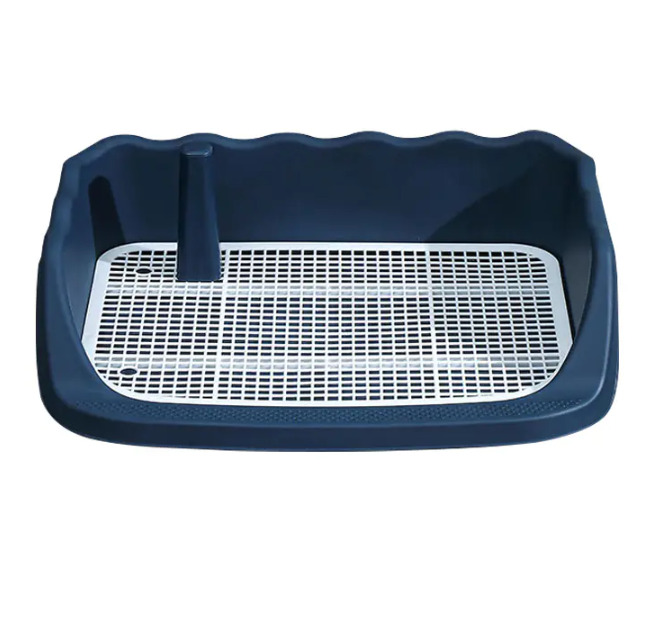
What a plastic dog toilet actually does
At a basic level, a plastic dog toilet is a structured tray that holds waste pads or allows liquid to drain into a lower container.
Some designs use a simple flat tray, while others include a grid layer on top. The grid keeps the dog's paws slightly separated from moisture, while the bottom tray collects liquid for cleaning.
A plastic dog toilet is mainly about control and containment rather than changing a dog's behavior immediately. The goal is to create a repeatable location that the dog can recognize over time.
Training behavior is more important than the tray itself
The product alone does not guarantee results. Many dogs still need time to understand where they are expected to go.
Owners usually rely on repetition and timing rather than the tray design alone.
For example:
Over time, the dog begins to associate the plastic dog toilet with a fixed routine rather than a random object in the room.
Different tray designs serve different habits
Not all plastic dog toilet products are the same. Small design differences often match different household needs.
Some common structures include:
In many homes, the choice depends more on cleaning habits than on the dog's size alone.
Cleaning routine affects daily use
One practical detail that often decides long-term use is cleaning frequency.
A plastic dog toilet needs regular washing to avoid odor buildup and maintain hygiene. Some owners clean it daily, while others do it every few days depending on usage.
In multi-dog households, cleaning becomes more frequent simply because the tray is used more often.
When dogs accept it and when they resist
Dogs do not all react the same way to indoor toilet setups. Some dogs quickly start using a plastic dog toilet, especially when introduced early as puppies. Others may ignore it for a longer period and prefer other surfaces.
In many cases, success depends more on consistency and placement than on the product itself.
For example, a tray placed in a quiet corner is often used more reliably than one moved around frequently.
A practical tool rather than a complete solution
A plastic dog toilet is not a replacement for outdoor walks, nor is it intended to change a dog's natural behavior entirely. It is more of a support tool for specific living conditions.
In many households, it works as a backup option during busy schedules or as part of early training. Once routines are established, some dogs continue using it regularly, while others gradually shift back to outdoor habits.
Either way, the plastic dog toilet remains a simple structure that helps reduce randomness in indoor living spaces and gives both owners and pets a more predictable routine.
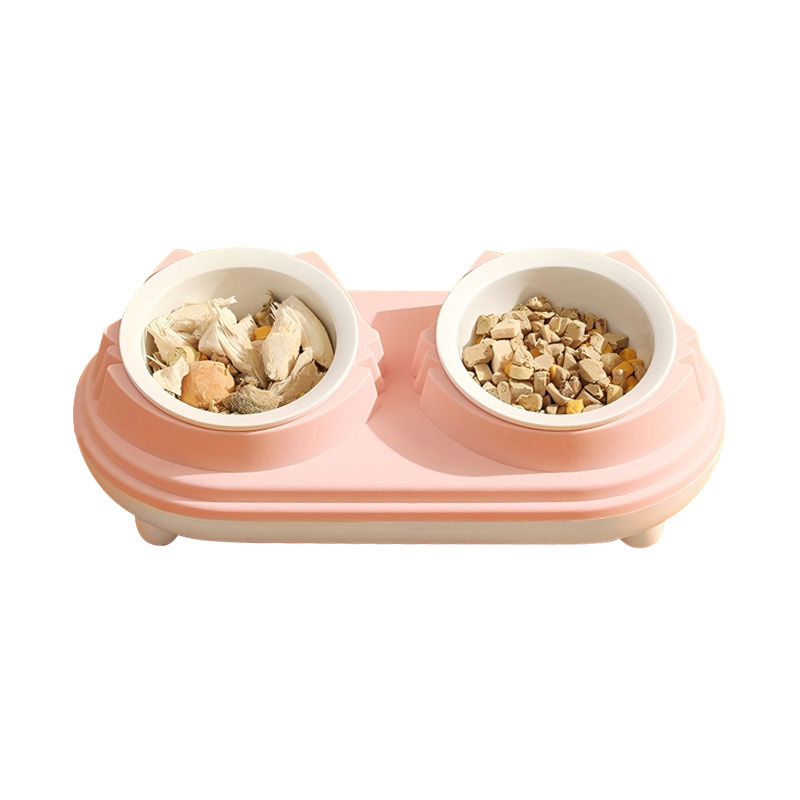
Pet Bowl
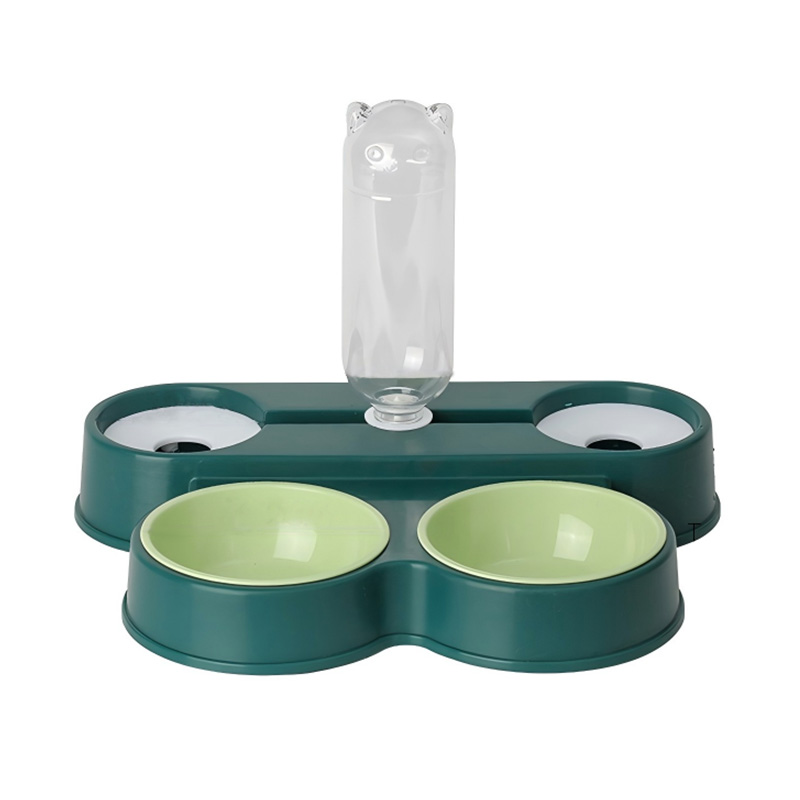
Pet Bowl
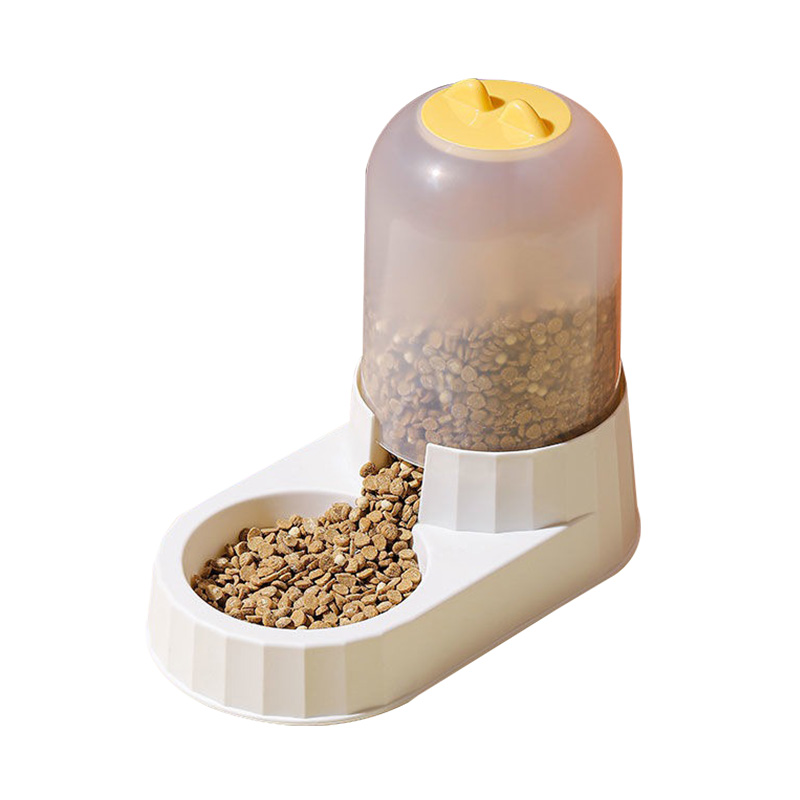
Pet Automatic Water Dispenser
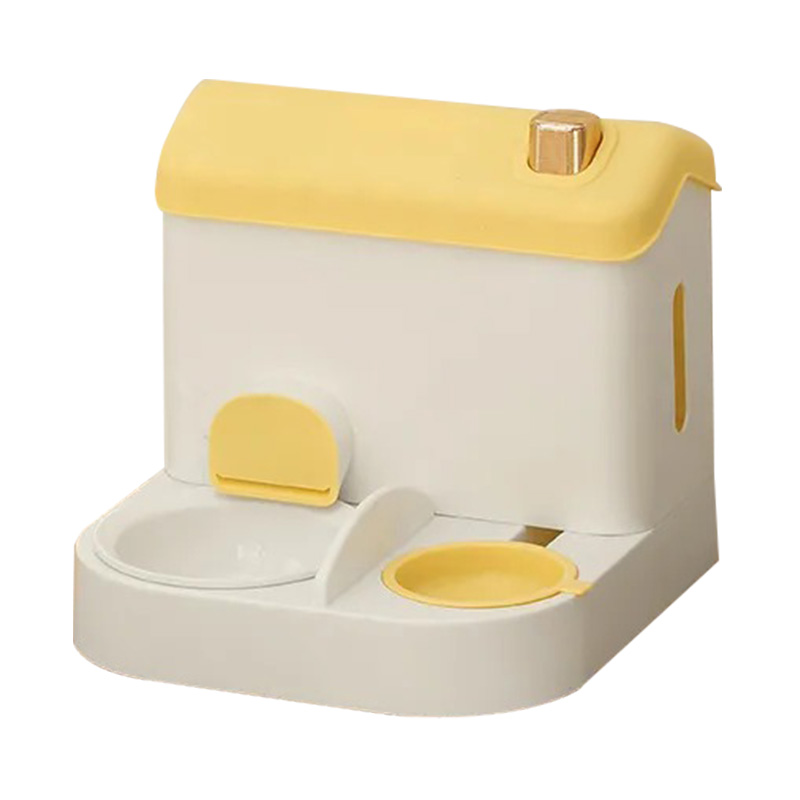
Pet Automatic Water Dispenser
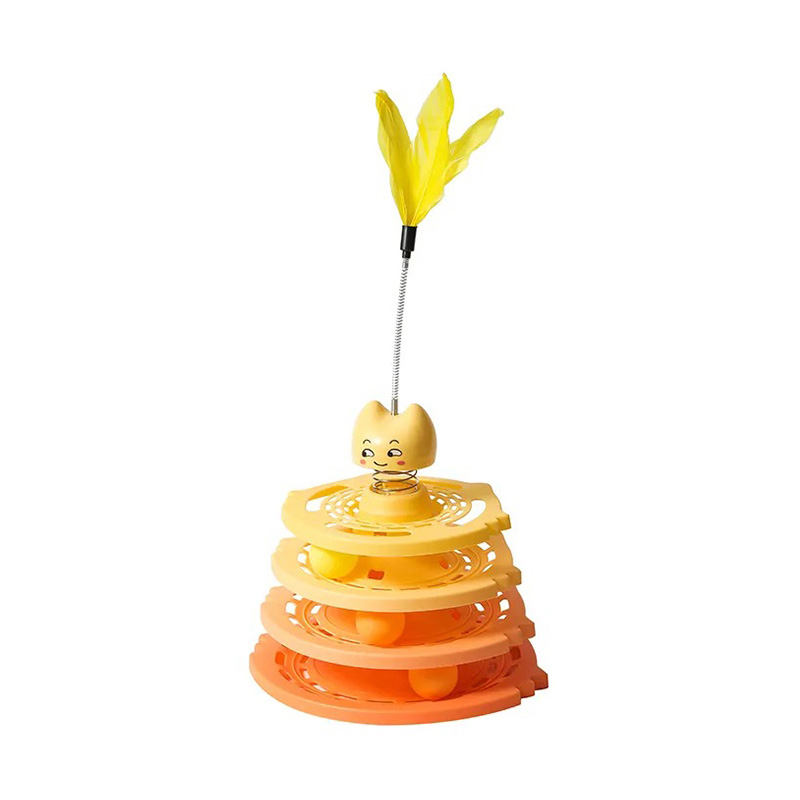
Pet Toy
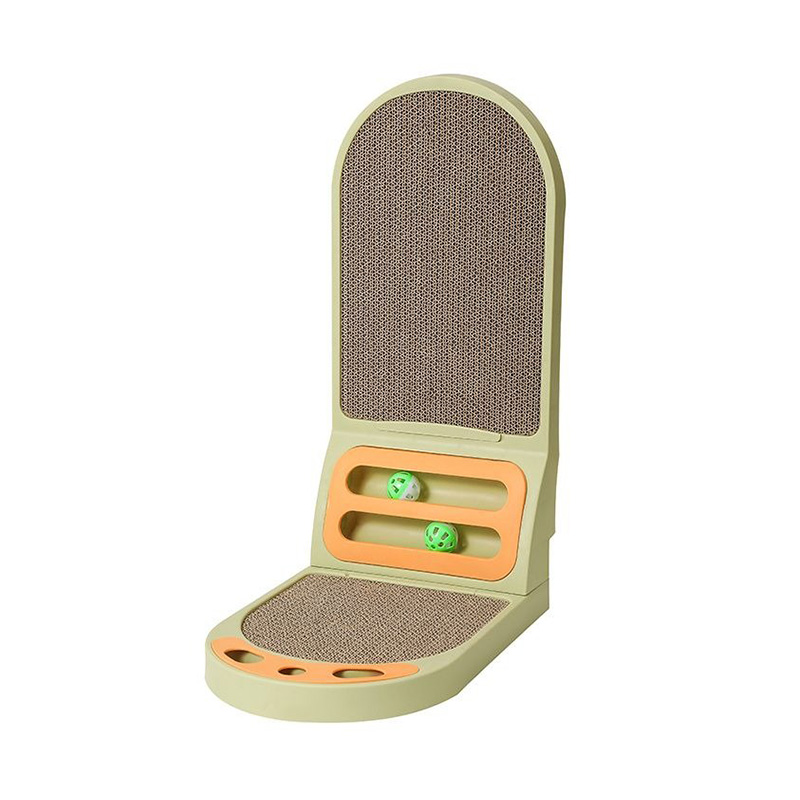
Cat Scratch Board
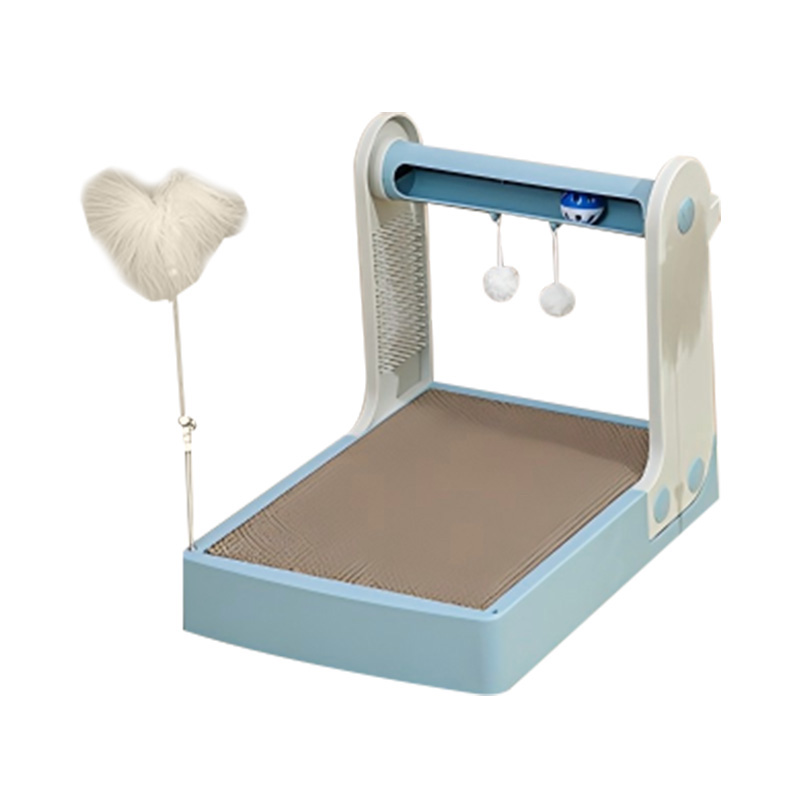
Cat Scratch Board
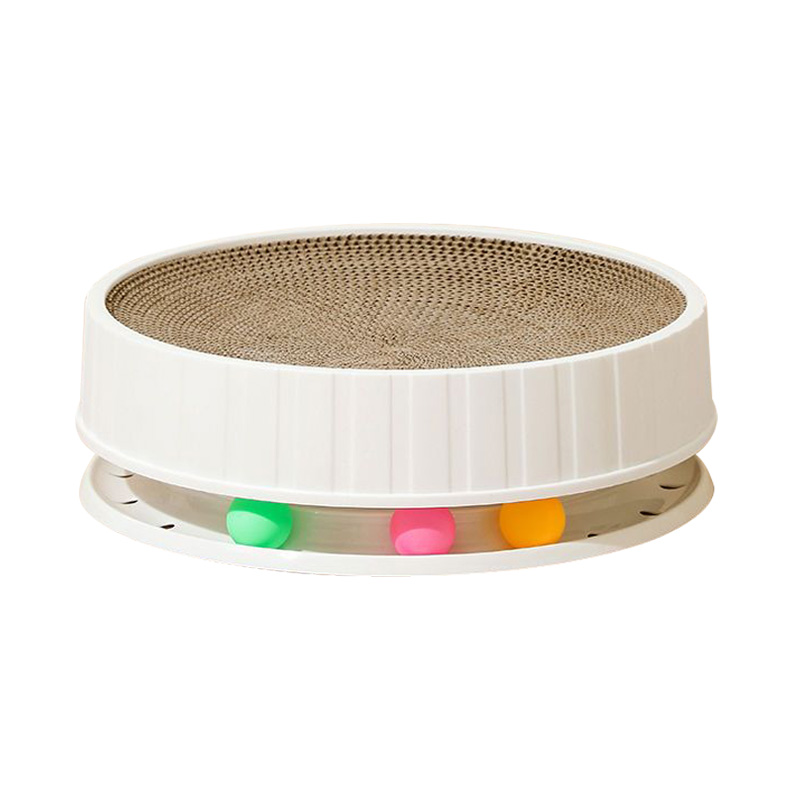
Cat Scratch Board


 +86-18329090387
 [email protected]
 Pukou Village, Xiaoshun Town, Jindong District, Jinhua City, Zhejiang, China
Pet Supplies & Products Factory

 English
 русский
 Español
 Português
 عربى
عربى