
Industry News
An Automatic Drinking Water Feeder of the gravity type has no motor, no switch and no plug, yet it keeps a bowl topped up all day. The only force involved is air pressure, and understanding how that works explains both why these feeders are reliable and why they sometimes fail in ways owners do not expect.
A water bottle is filled, sealed and turned upside down into a bowl that has a small opening near its base. Water flows out until it covers that opening, and then it stops. The air outside presses on the water surface in the bowl and holds the column of water in the bottle in place, much like a thumb over the end of a straw.
When a pet drinks and the level falls below the opening, a bubble of air slips into the bottle and a little water flows out to take its place. The flow ends again as soon as the opening is covered. An Automatic Drinking Water Feeder therefore refills the bowl in small steps and always settles at the same depth.
The gurgle owners hear from an Automatic Drinking Water Feeder after a drink is the air bubble rising through the water. It is normal, and it shows that the feeder is working. A bottle that never gurgles or bubbles after the pet drinks may have a blocked opening or a seal problem.
An electric water fountain needs a socket, a pump and a cord. A gravity-fed pet water bowl needs none of them, so a puppy cannot chew a cable, a cat cannot knock a plug loose and a power cut does not leave animals without water. There is no pump motor to hum, which matters in a small flat where a cat sleeps near its bowl. There is also no filter to replace, and the whole feeder can be rinsed under a tap.
One Automatic Drinking Water Feeder on the market uses a PP body with no electrical parts at all, and others add a bottle with a stainless steel bowl. All of them depend on the same principle, so they share the same strengths and the same limits.
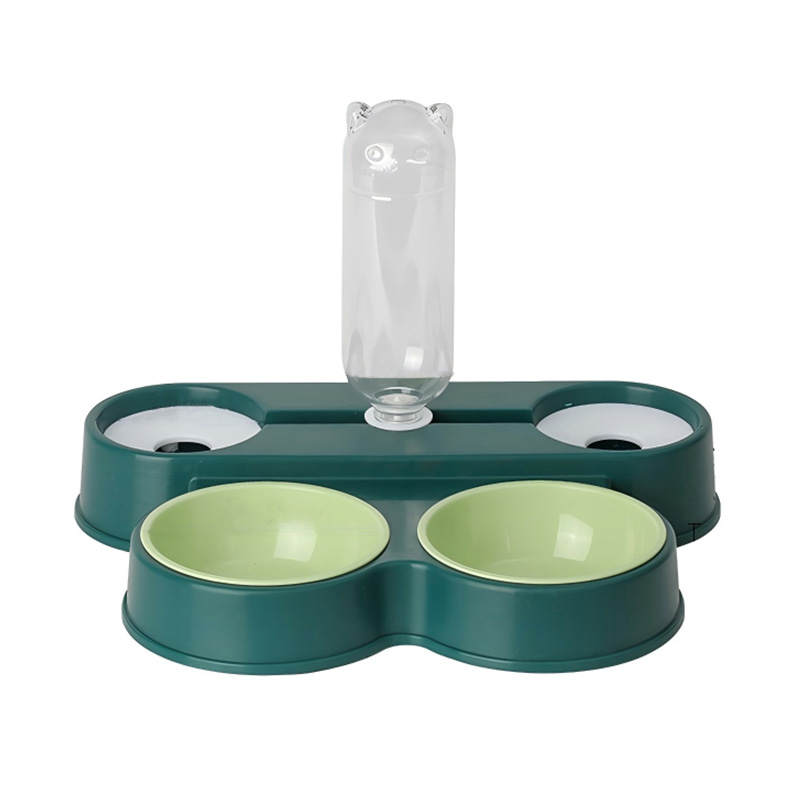
Air inside the bottle expands when the room warms up. If an Automatic Drinking Water Feeder sits in direct sun or beside a heater, the trapped air can push extra water into the bowl, which then overflows. Placing it in a shaded spot with an even temperature avoids the problem.
The bottle cap must seal tightly, because a loose cap lets air in and the whole bottle drains at once. A small crack in the bottle has the same effect. Checking the cap thread and the rubber gasket each time the bottle is refilled takes only a few seconds.
A feeder that is nudged by an excited dog can tilt, and the opening may rise above the water line or drop below it. Models with a wide base or a non-slip underside stay put, while light ones need a stable corner.
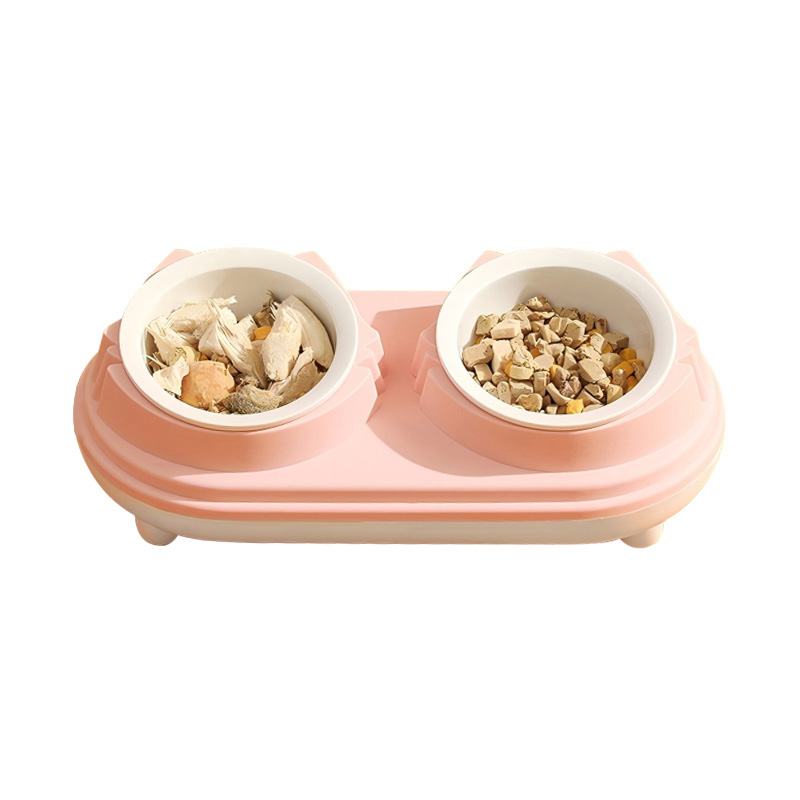
Cats, dogs and small animals reach water differently, so one bowl does not suit all of them. Kitten models are shallow and small, while dog bowls are wider with a higher rim. Tilted bowls raise the front toward the pet, which changes the angle of the neck while drinking, and a neck guard on the rim limits how far a small animal can push in. An automatic water feeder for pets with double bowls places food and water side by side, so one unit covers a daily meal and an automatic refill together.
Detachable parts matter for cleaning. Biofilm builds up in any water container within a day or two, so every Automatic Drinking Water Feeder should come apart without tools. Stainless steel resists odor and scratches, while food-grade PP weighs less and costs less, and each suits a different kind of household.
Before giving a new Automatic Drinking Water Feeder to a pet, fill it over a sink, turn it over and set it on a dry towel. Watch it for ten minutes. If the bowl stays at one level, with no dripping and no spreading puddle, the seal is sound and the unit is ready for use.
Pet Bowl
Pet Bowl
Pet Automatic Water Dispenser
Pet Automatic Water Dispenser
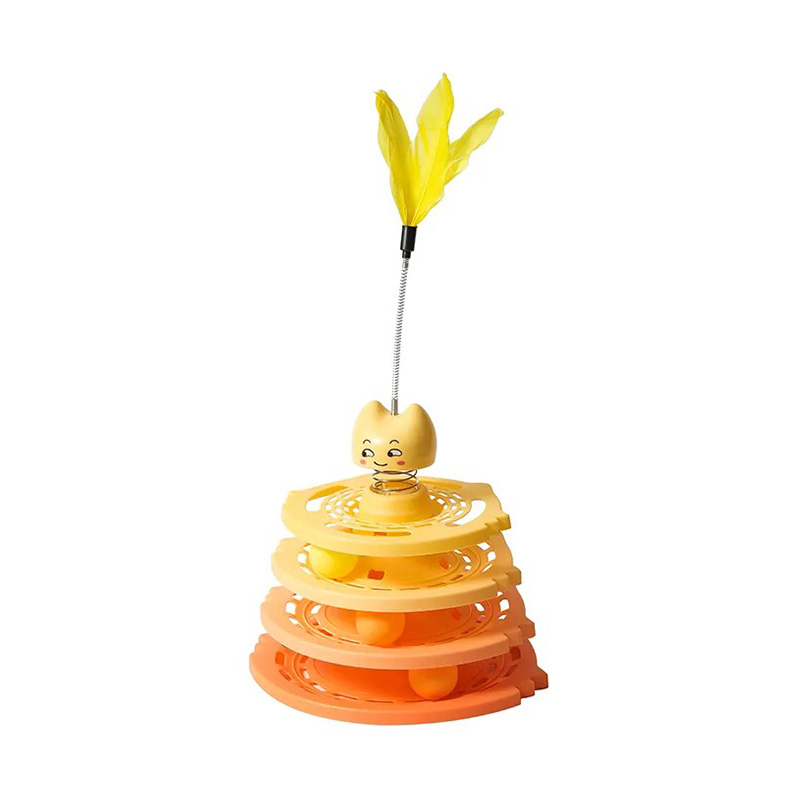
Pet Toy
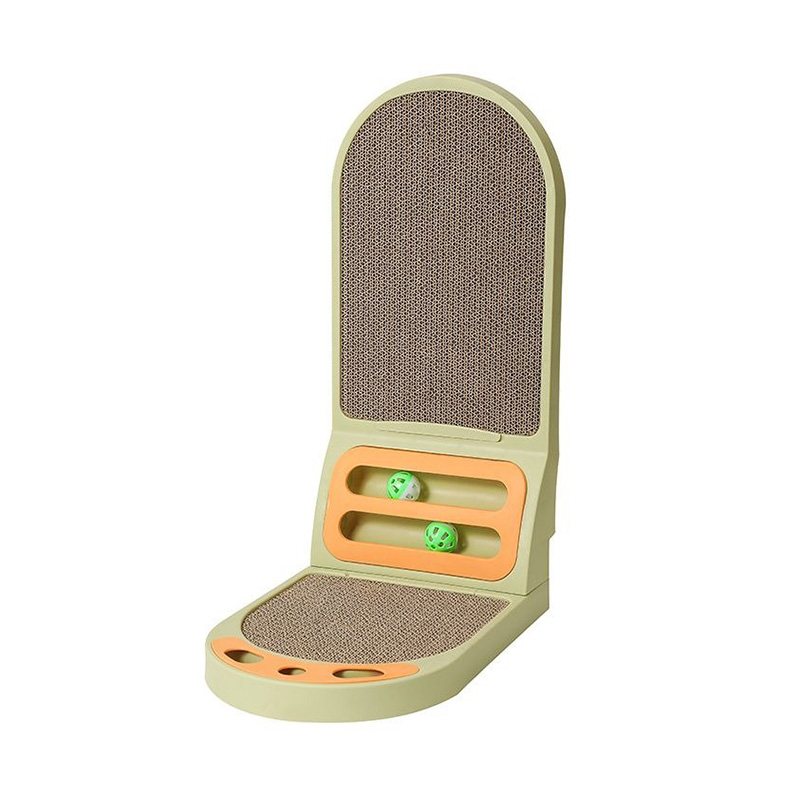
Cat Scratch Board
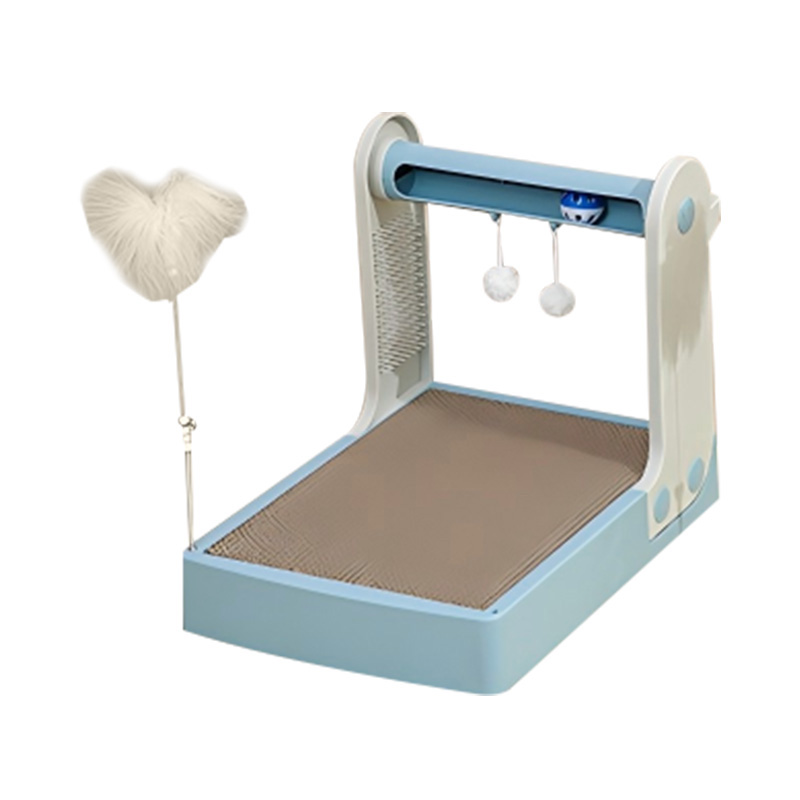
Cat Scratch Board
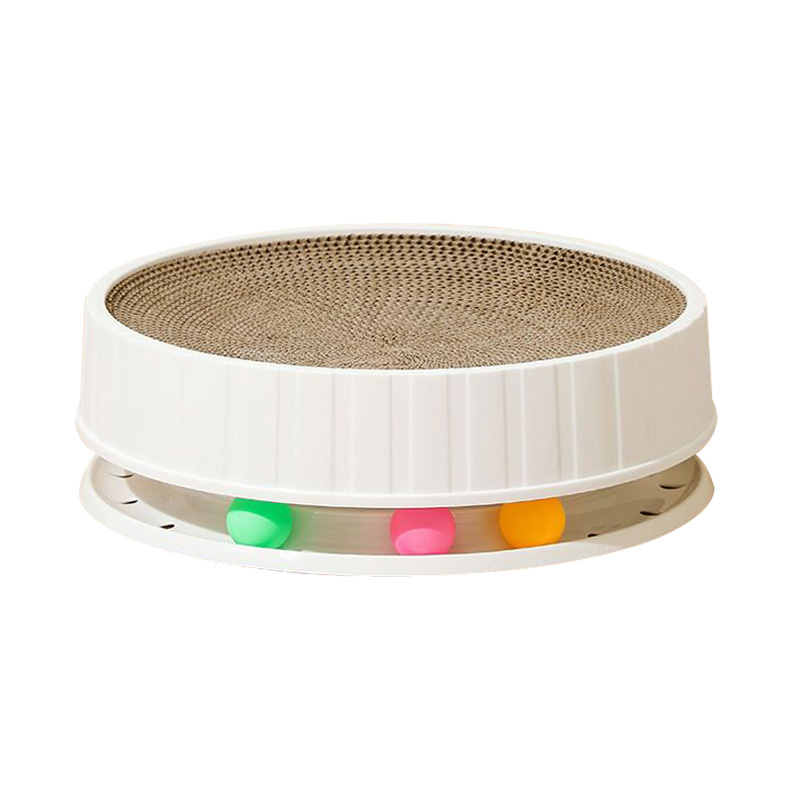
Cat Scratch Board


 +86-18329090387
 [email protected]
 Pukou Village, Xiaoshun Town, Jindong District, Jinhua City, Zhejiang, China

Pet Supplies & Products Factory

 English
 русский
 Español
 Português
 عربى