
Industry News
A Pet Automatic Water Bowl has no pump, no battery and no moving parts in the usual sense. The water stays in an upturned bottle and drops into the tray when the level in the tray falls. It looks like a small trick, but it is ordinary physics at work, and the same physics explains why the moulded parts on these bowls are made the way they are.
Fill a bottle, close it, and turn it over with its mouth sitting in a shallow tray. A little water runs out, which leaves a small pocket of reduced air pressure above the water inside the bottle. The pocket grows until the pressure there, plus the weight of the water column, equals the pressure of the atmosphere pressing on the tray. At that point the flow stops, and that balance is the heart of each Pet Automatic Water Bowl.
The numbers are small. For a bottle with a 15 cm column of water, the weight of the column is about 1.5 kilopascals, roughly 1.5 percent of normal atmospheric pressure. That slight difference is enough to hold the water in place, because the opening is covered by the water in the tray and no air can get in to replace it.
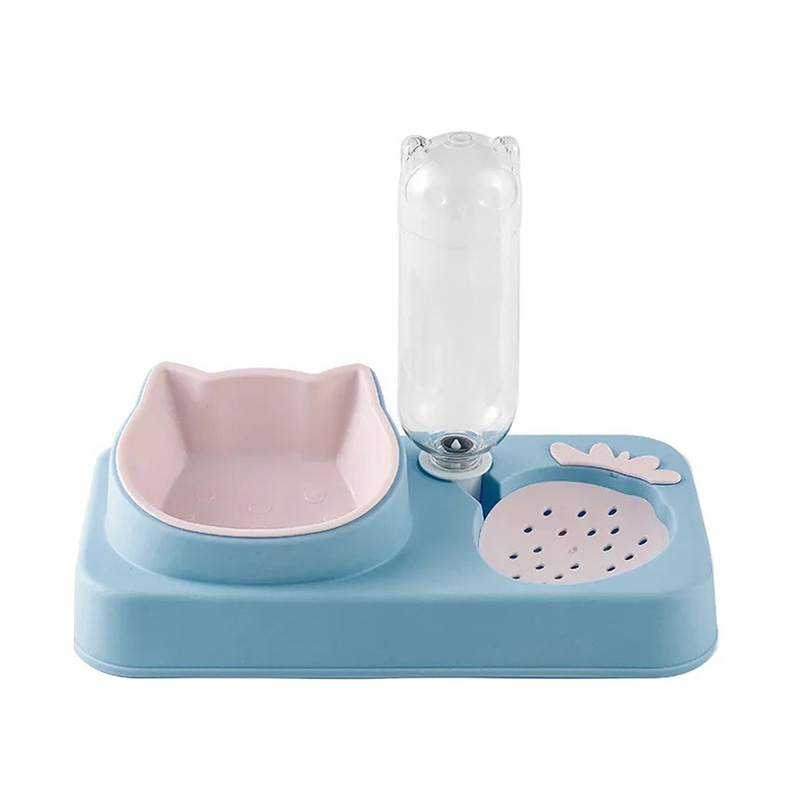
The opening of the bottle sits at a fixed height above the tray floor, and the water in the tray settles at that height. In a Pet Automatic Water Bowl, when an animal drinks, the level in the tray falls below the opening. Air can now enter the bottle as a bubble, an equal volume of water leaves, and the opening is covered again.
A tray about 11 cm across has a surface area near 100 square centimetres. If 20 mL is drunk from it, the level drops by about 2 mm, enough to uncover the opening and let one bubble in. The cycle then repeats in small steps, so the tray stays close to the same depth while the bottle slowly empties. A Gravity-Fed Water Bowl therefore needs no sensor: the geometry of the opening and the tray is the control system.
Since the whole system depends on air entering at the tray and nowhere else, any other opening spoils it. A cap thread that does not seat evenly, or a gasket that sits slightly off, gives air another route into the bottle, and the bowl floods the tray. For this reason, the cap, the thread and the sealing surface are the parts of an Automatic Pet Water Bowl that need the tightest tolerances.
Injection moulding handles that work for a Pet Automatic Water Bowl. Polypropylene is a common resin for the bottle, cap and tray because it moulds cleanly, and the mould is cut so that thread depth, seal seat and tray rim come out flat and consistent from one shot to the next. Assembly lines then fit the gasket and check that the cap closes. Jinhua Hongda Daily Use Articles Co., Ltd., in Xiaoshun Town, Jinhua, works from a factory area above 10,000 square metres with more than 50 machines, and it lists injection moulding and assembly lines among its equipment.
The same principle appears in several shapes of Pet Automatic Water Bowl. The factory's catalogue includes a Pet Automatic Refilling Bowl in a tilted, neck-guard version, an automatic refilling double bowl that pairs a water bottle with a stainless steel bowl, and a three-in-one gravity-sensing cat bowl shaped like a strawberry. A kitten bearded style adds a bowl face to the same mechanism. Each uses a bottle and a tray, and each depends on the seal.
Hongda supports OEM and ODM orders with custom logos, colours and packaging, so a distributor's own version of a Pet Automatic Water Bowl can keep the mechanism and change the outside. Adding a Pet Water Dispenser in a new colour or a different tray shape changes nothing about the physics. The pressure balance works the same way each time, and the part that has to be right is the one that keeps air out until the tray asks for it.
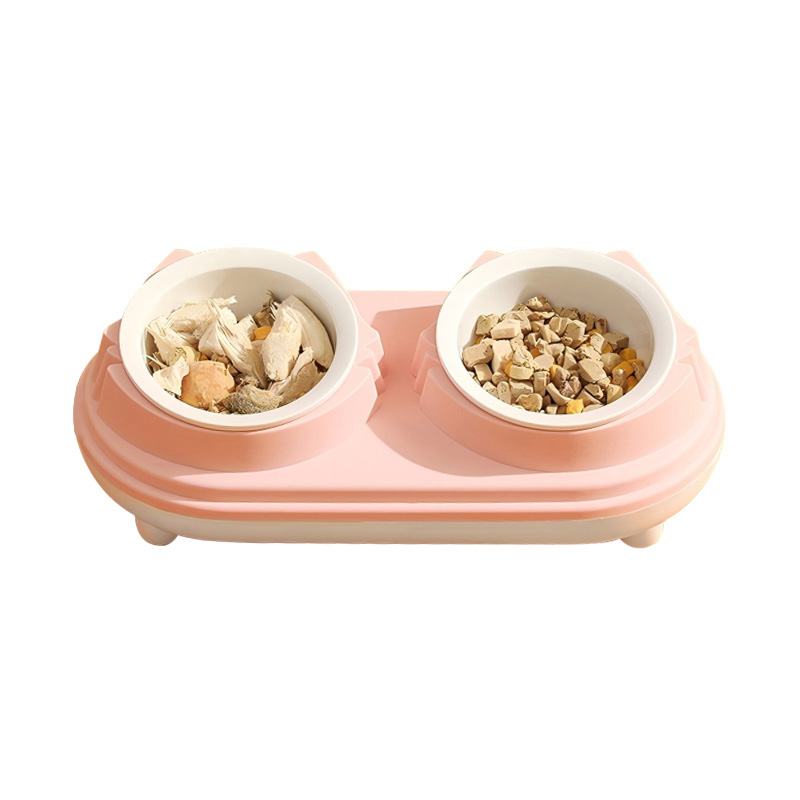
Pet Bowl
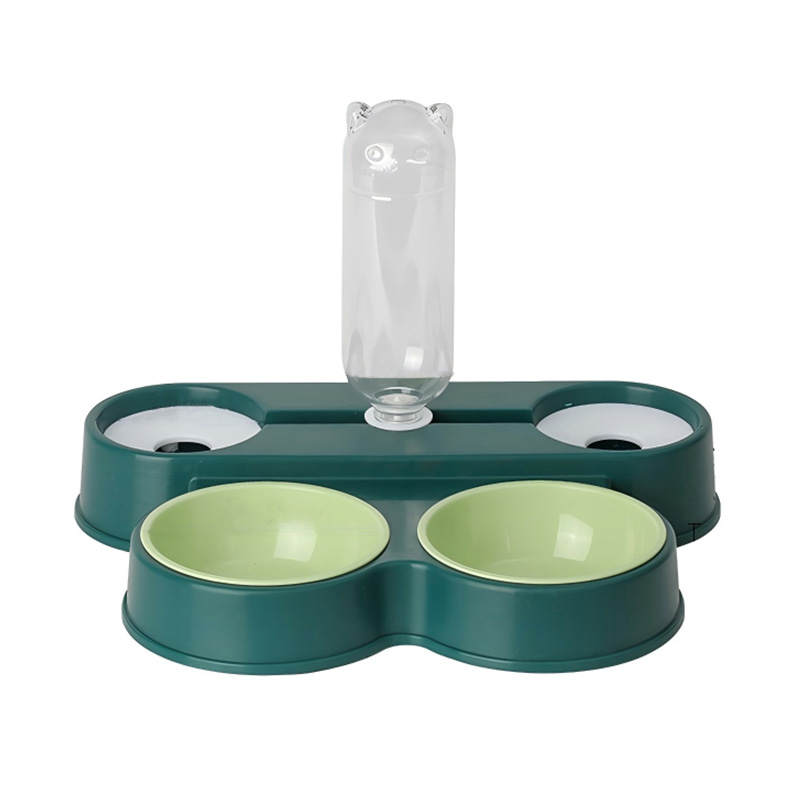
Pet Bowl
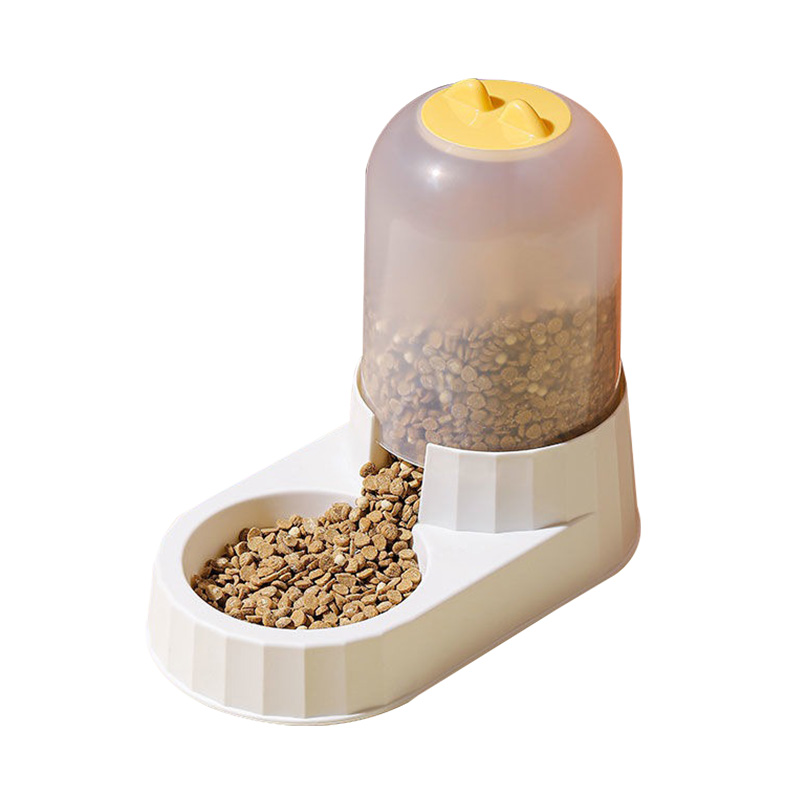
Pet Automatic Water Dispenser
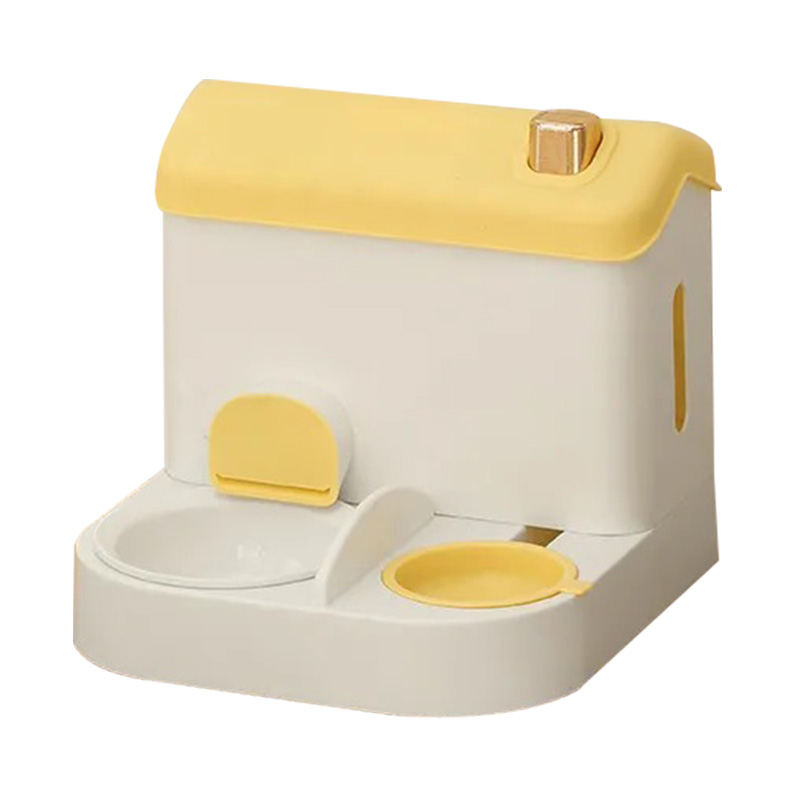
Pet Automatic Water Dispenser
Pet Toy
Cat Scratch Board
Cat Scratch Board
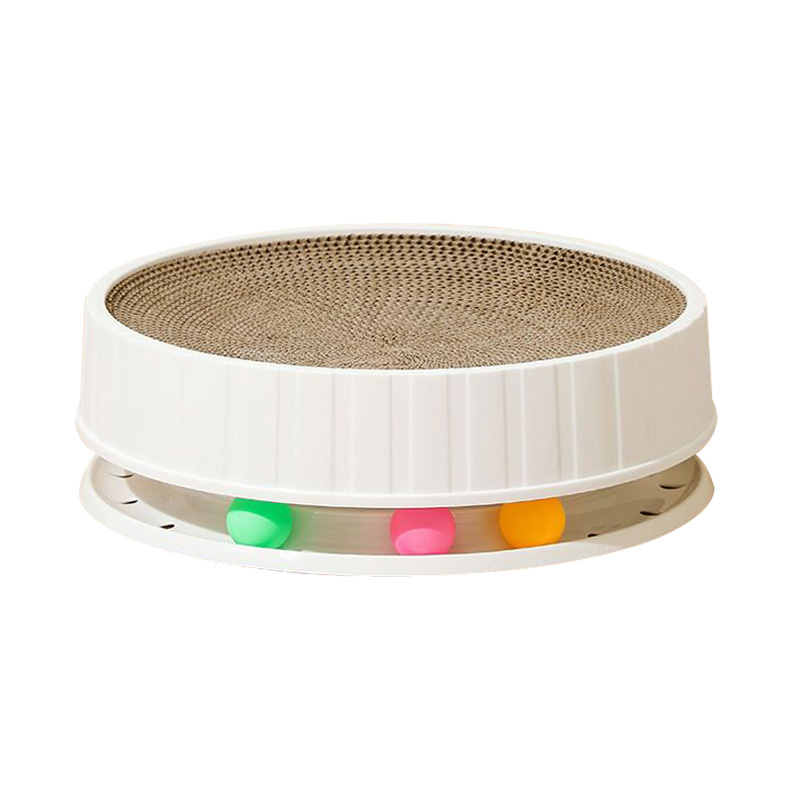
Cat Scratch Board


 +86-18329090387
 [email protected]
 Pukou Village, Xiaoshun Town, Jindong District, Jinhua City, Zhejiang, China

Pet Supplies & Products Factory

 English
 русский
 Español
 Português
 عربى