
Industry News
Veterinary product researchers and pet accessory buyers alike have spent recent years examining why household pets, particularly cats, frequently underconsume water relative to recommended hydration levels. An automatic drinking water feeder addresses part of this gap through continuous circulation, a mechanism that changes how animals interact with their water source compared to traditional static bowls left unchanged for hours or days at a time.
Understanding Feline Hydration Behavior
Cats descended from desert-dwelling ancestors retain instinctive preferences that affect modern hydration habits, often showing stronger interest in moving water sources than still water left sitting in a bowl. An automatic drinking water feeder replicating a flowing stream taps into this instinctive preference, encouraging cats to drink more frequently throughout the day than they typically would from a static bowl. Veterinary behaviorists studying feline hydration patterns have noted that increased water intake through this mechanism can meaningfully support urinary tract health, an area of ongoing concern particularly among indoor cats with limited natural water sources available.
Which pets benefit most from circulating water technology remains a common question among buyers comparing this category against traditional bowl alternatives. Dogs generally show less pronounced preference for moving water compared to cats, though multi-pet households often report that dogs adapt readily to shared circulating units originally purchased primarily for a cat's benefit, suggesting the technology offers cross-species appeal even when the underlying behavioral motivation differs between species.
How Filtration Supports Consistent Intake
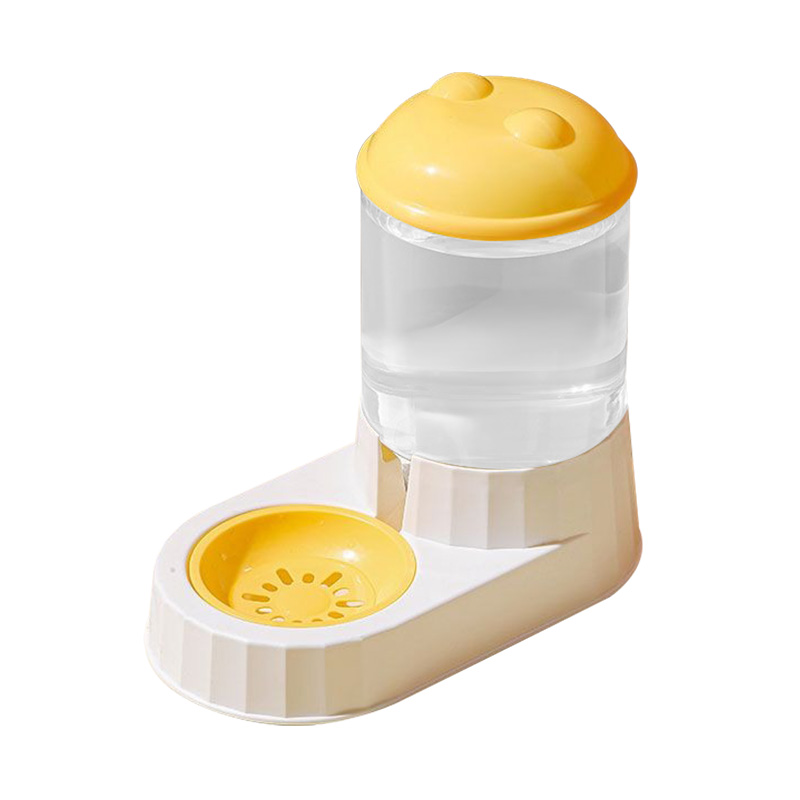
Water taste and odor affect consumption willingness across most animals, and an automatic drinking water feeder incorporating effective filtration removes contaminants that might otherwise discourage regular drinking. Chlorine taste from tap water, for instance, can deter some pets from drinking consistently, and carbon filtration layers within many current product designs address this specific concern by improving water taste without requiring pet owners to source bottled or specially treated water separately.
Pet water fountain filtration also addresses hygiene concerns tied to bacterial growth in standing water, since stagnant bowls left unchanged for extended periods can develop bacterial buildup that discourages drinking even among pets without strong flow preferences. Continuous circulation combined with filtration reduces this buildup considerably compared to static alternatives, supporting more consistent daily water intake regardless of an individual pet's behavioral preferences around moving versus still water.
What Role Does Reservoir Capacity Play?
Reservoir sizing directly affects how frequently pet owners need to refill an automatic drinking water feeder, which in turn affects consistency of water availability throughout the day, particularly for households where pets spend extended hours alone. Larger capacity units reduce the risk of a unit running dry during work hours, a scenario that effectively negates the hydration benefits the technology otherwise provides. Buyers sourcing for multi-pet households specifically prioritize larger reservoir options, recognizing that shared water sources deplete faster across several animals than single-pet setups typically experience.
Does Noise Affect Pet Willingness to Drink?
Pump operation noise represents a legitimate concern when introducing circulating water technology to pets accustomed to silent static bowls, since noise-sensitive animals may initially avoid approaching an unfamiliar sound source. Manufacturers addressing this transition period have developed quieter pump mechanisms specifically to ease adoption, recognizing that an automatic drinking water feeder generating minimal operational sound encourages faster acceptance among cautious pets compared to louder alternatives that might otherwise discourage regular use during the adjustment period.
Gradual introduction alongside a pet's existing familiar bowl often helps ease this transition, a practice increasingly recommended within product packaging and retail point of sale materials as manufacturers recognize that behavioral adoption affects customer satisfaction as much as the product's technical performance.
Sourcing Considerations for Health-Focused Retail Positioning
Retailers positioning pet hydration accessories around health benefits rather than purely convenience increasingly request supporting documentation from suppliers regarding filtration effectiveness and material safety certification. Buyers sourcing an automatic drinking water feeder intended for this health-focused retail positioning typically prioritize suppliers capable of providing testing documentation that supports marketing claims made to end consumers concerned specifically about their pets' hydration and urinary health outcomes.
As pet owners continue researching hydration's connection to broader health outcomes, particularly regarding feline urinary and kidney health, wholesale buyers sourcing water feeding accessories are increasingly treating this product category as a health-oriented purchase decision rather than a simple convenience accessory within broader pet care assortments.
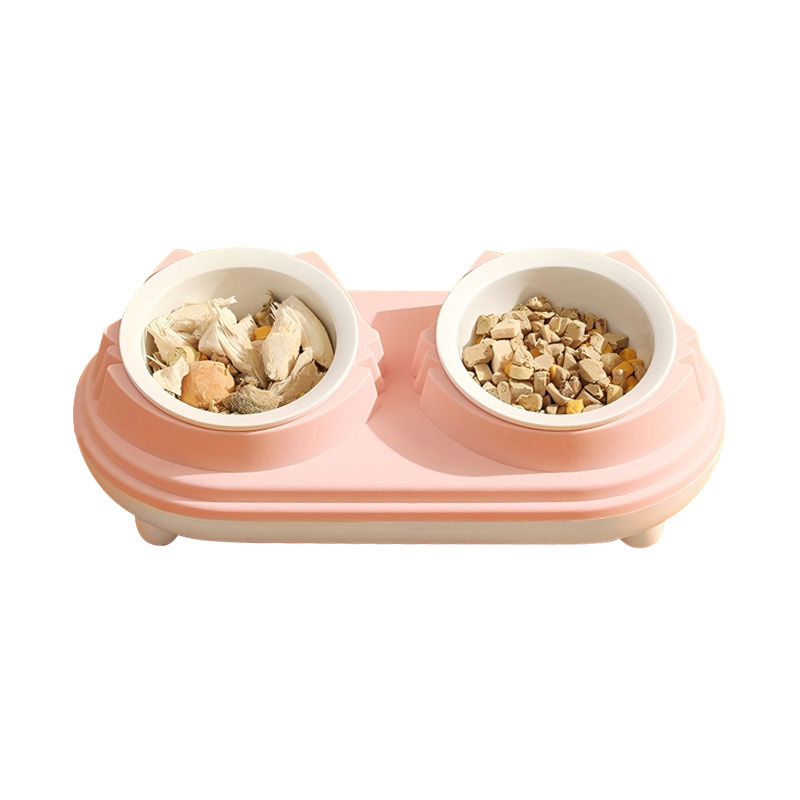
Pet Bowl
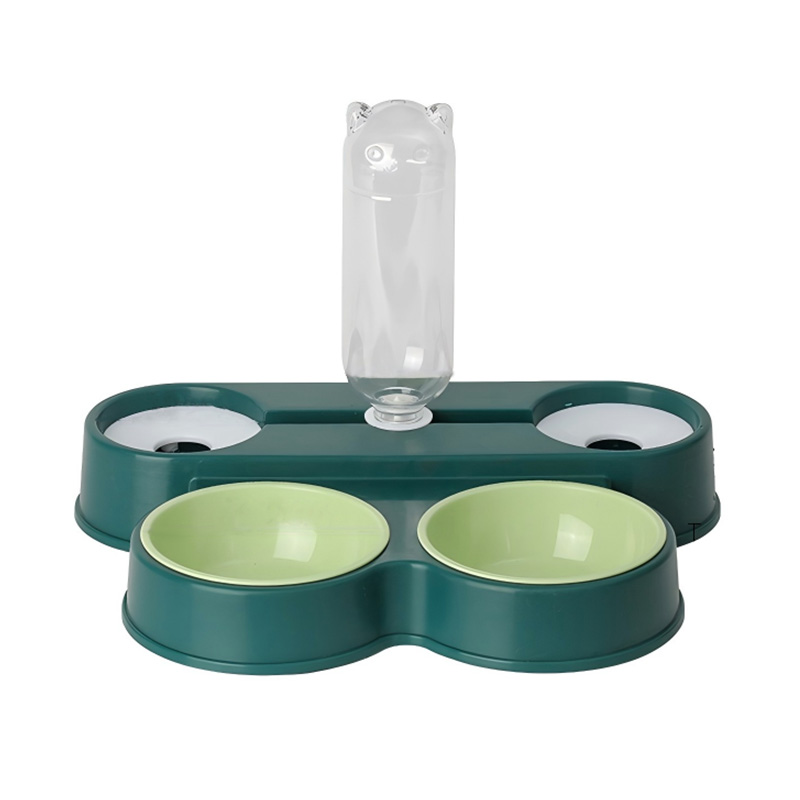
Pet Bowl
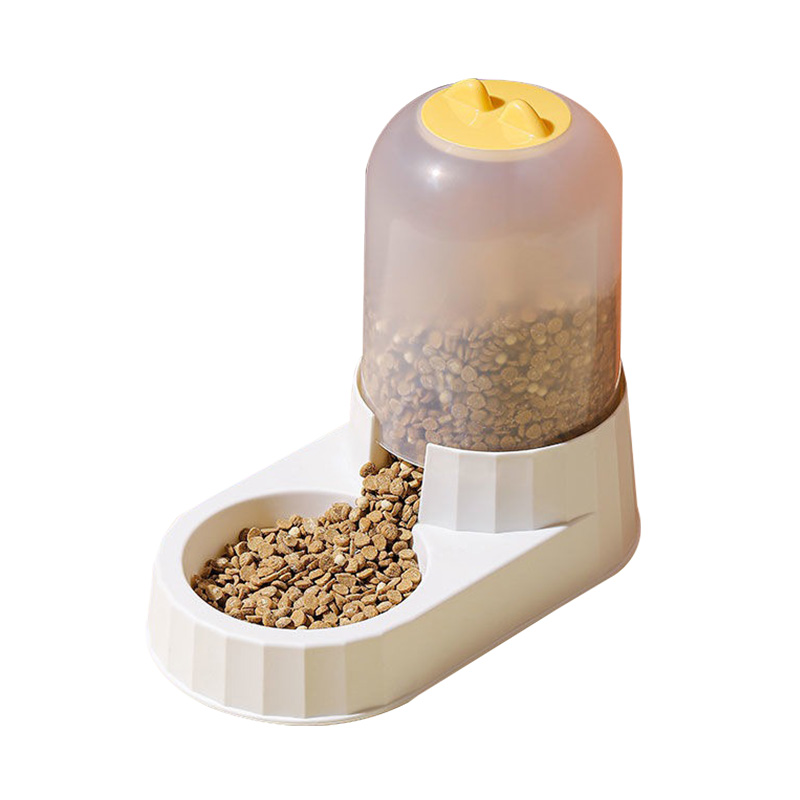
Pet Automatic Water Dispenser
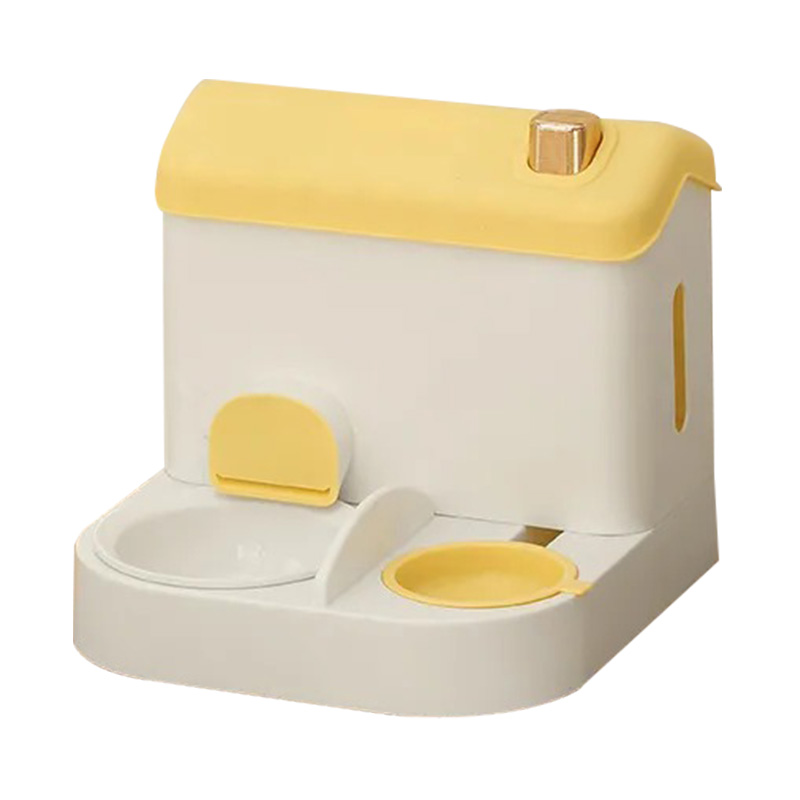
Pet Automatic Water Dispenser
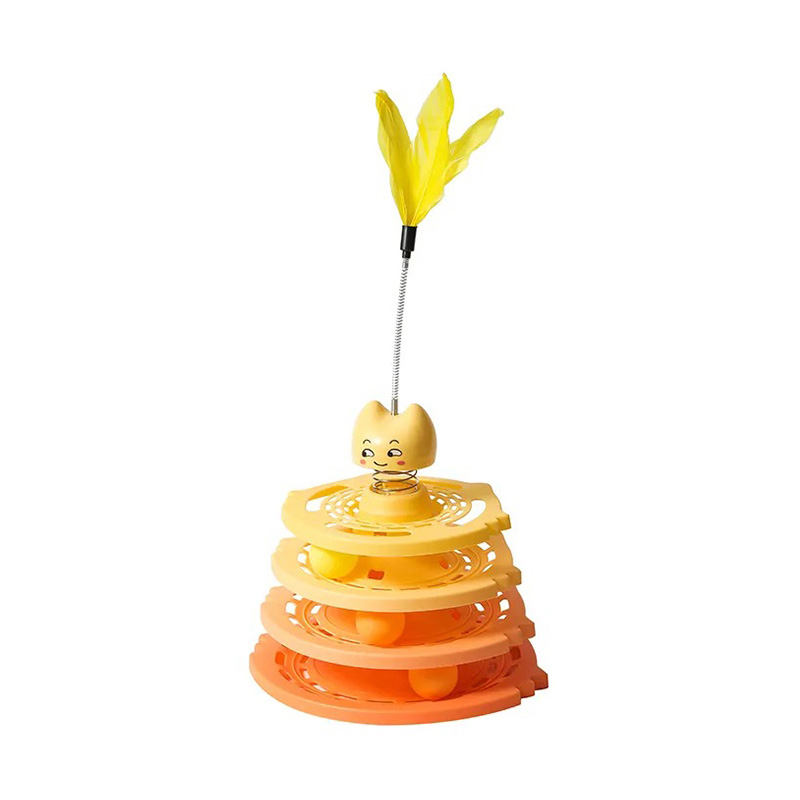
Pet Toy
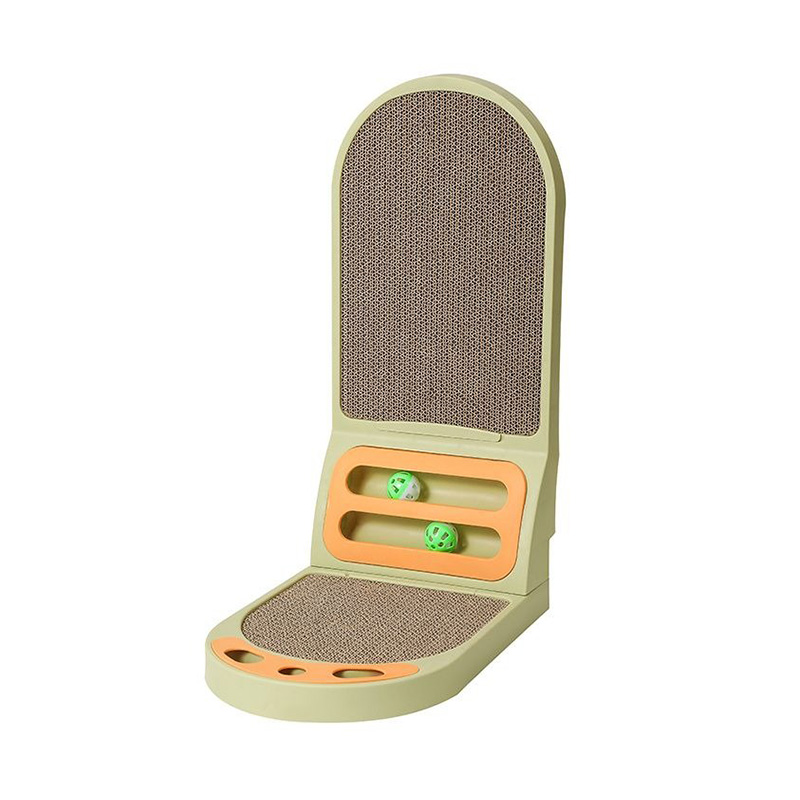
Cat Scratch Board
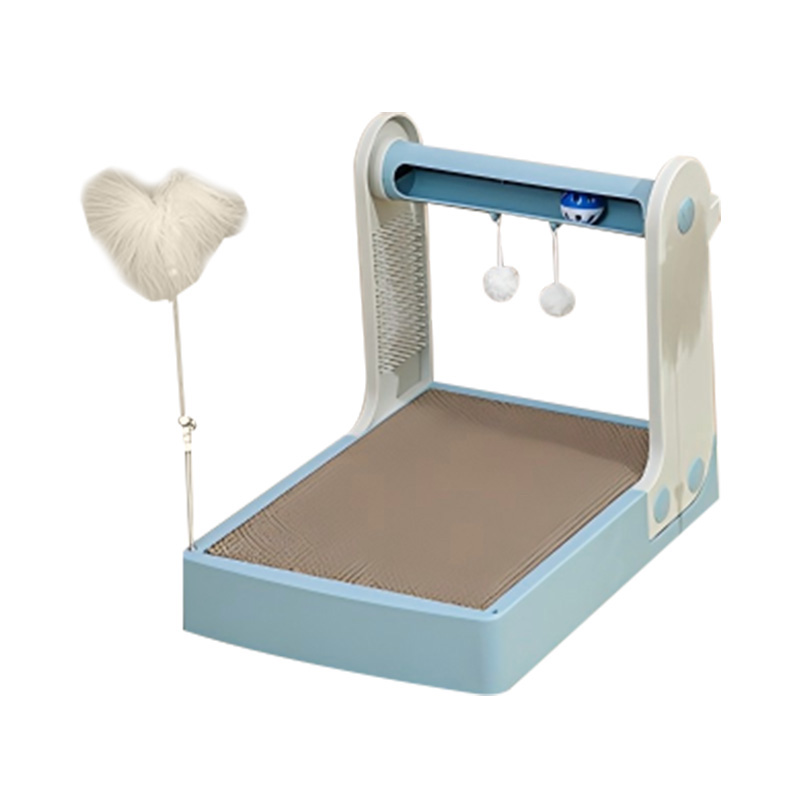
Cat Scratch Board
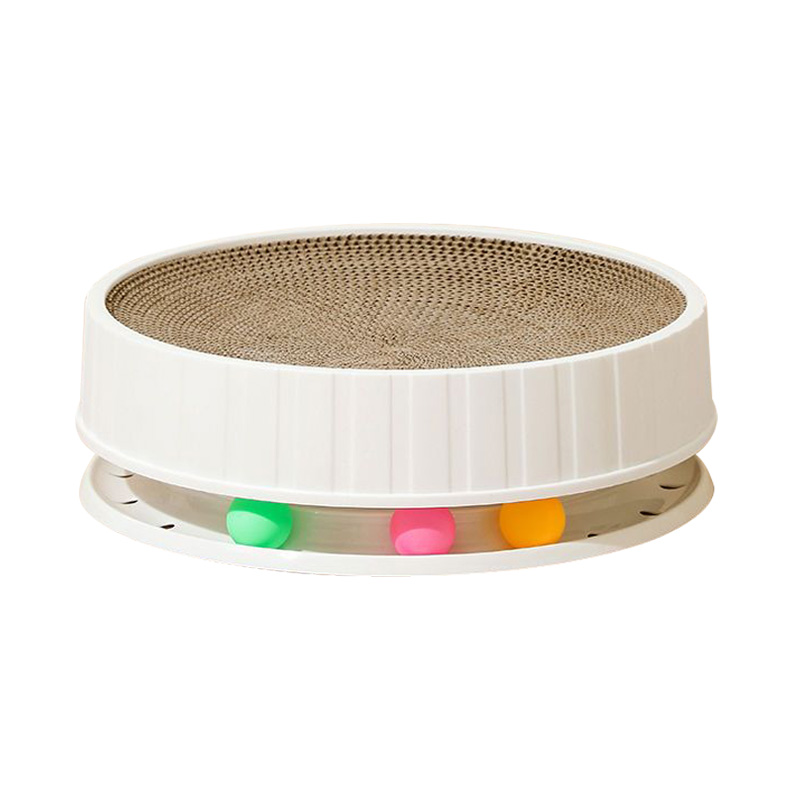
Cat Scratch Board



 +86-18329090387
 [email protected]
 Pukou Village, Xiaoshun Town, Jindong District, Jinhua City, Zhejiang, China
Pet Supplies & Products Factory

 English
 русский
 Español
 Português
 عربى
عربى