
Industry News
Cat litter box design has gradually moved beyond the simple open tray. Different cats have different habits, while owners also need to consider cleaning, litter scatter, odor, and the amount of space available at home. A Semi Enclosed Cat Litter Box sits between an entirely open tray and a fully enclosed structure, creating a partially covered environment while keeping the entrance relatively accessible. This combination makes the structural design of the litter box an important part of everyday cat care.
An open litter tray gives cats a clear view of the surrounding area and provides easy entry from above or the front, depending on its shape. A fully enclosed box, by contrast, surrounds the cat more completely and can limit the direct spread of litter outside the enclosure.
A Semi Enclosed Cat Litter Box takes a middle position between these two formats. Part of the litter area is covered while an opening remains available for the cat to enter and exit. This structure can provide some containment without creating a completely enclosed interior.
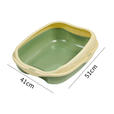
For manufacturers, the challenge is to determine how much of the litter area should be covered and where the entrance should be positioned.
The entrance is one of the most important structural elements of a Semi Enclosed Cat Litter Box. Cats need enough room to enter, turn, squat, and leave without unnecessary obstruction.
The product listed by HD Pets combines a semi-enclosed structure with an easy-to-clean design and includes a cat litter scoop. This combination places attention on both the cat's access and the owner's cleaning process.
The entrance can also influence how much litter is carried outside during use. A suitable opening and surrounding structure can help guide movement while still keeping access relatively straightforward.
A litter box is cleaned frequently, so the internal structure needs to allow waste and used litter to be removed without requiring complicated disassembly.
For a Semi Enclosed Cat Litter Box, the relationship between the covered section, litter tray, and opening can influence how easily an owner can reach the interior. A design that looks compact from the outside may still require sufficient access for scooping and routine cleaning.
The HD Pets model is specifically described as easy to clean and supplied with a litter scoop. This illustrates how cleaning equipment can be considered together with the litter box rather than treated as a completely separate accessory.
One reason semi-enclosed designs continue to attract attention is that they do not attempt to completely surround the cat. The partially covered structure can create a degree of separation between the litter area and the surrounding room while maintaining a visible entrance.
This distinction is important when comparing a Semi Enclosed Cat Litter Box with a fully enclosed model. A covered structure does not automatically provide the same containment characteristics as a completely enclosed box.
For product developers, this creates a design balance. Increasing the covered area may provide more physical separation, but reducing the opening too much could make access less convenient for some cats.
Litter can be carried outside the box when cats enter, turn, scratch, or leave. While no litter box structure can eliminate this behavior entirely, the shape and height of the surrounding walls can influence how litter moves beyond the tray.
A Semi Enclosed Cat Litter Box can use its partially covered structure to create additional boundaries around the litter area. However, the actual effect depends on the dimensions of the entrance, interior space, litter depth, and the behavior of the individual cat.
This means manufacturers need to evaluate the complete structure instead of assuming that enclosure alone determines litter containment.
The material used for a litter box needs to withstand repeated contact with litter, waste, cleaning tools, and household cleaning routines. Smooth internal surfaces can also influence how easily residue is removed.
For a Semi Enclosed Cat Litter Box, the shape of corners and transitions between the tray and covered section can therefore be as important as the material itself. Complex recesses may create additional areas that require cleaning, while simpler surfaces can make routine maintenance more straightforward.
These details become increasingly relevant for owners who clean the litter box frequently.
Litter box development involves two different users: the cat and the person responsible for maintaining the box. The cat needs accessible entry, sufficient internal room, and a usable litter area. The owner needs practical cleaning access, manageable litter containment, and a structure that fits the available living space.
A Semi Enclosed Cat Litter Box attempts to address both sides through a partially covered structure. Its value does not come from being simply more enclosed than an open tray, but from the way its entrance, walls, interior space, and cleaning access are combined.
For B2B buyers and pet-product manufacturers, this makes structural design an important consideration when developing litter boxes for different household environments.
As cat products continue to become more application-specific, the Semi Enclosed Cat Litter Box represents one approach to balancing openness and containment. Rather than treating enclosure as an all-or-nothing choice, manufacturers can adjust the covered area, entrance, cleaning access, and internal dimensions according to how cats and their owners actually use the product.
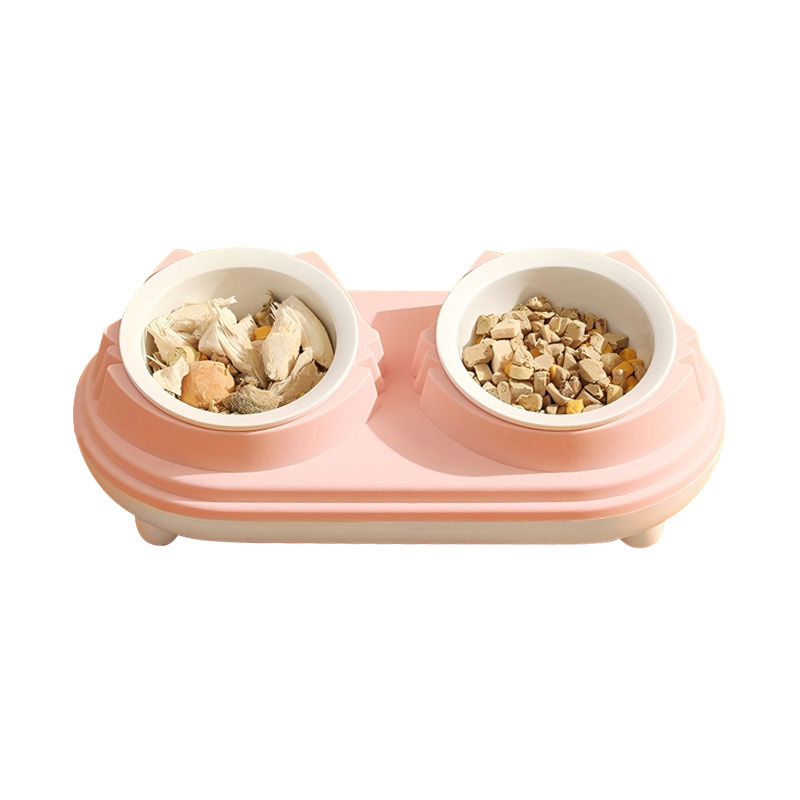
Pet Bowl
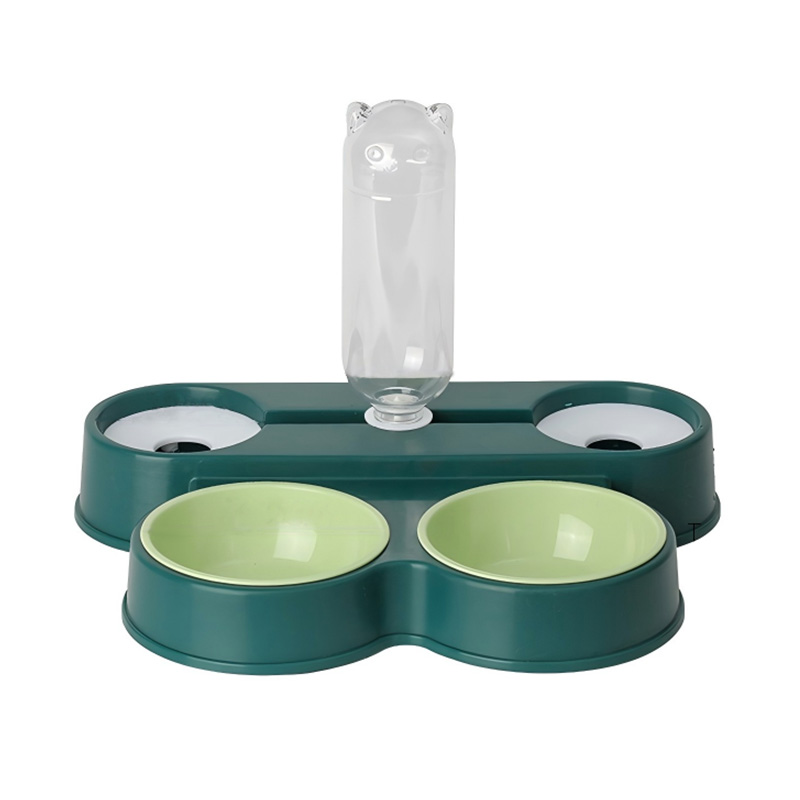
Pet Bowl
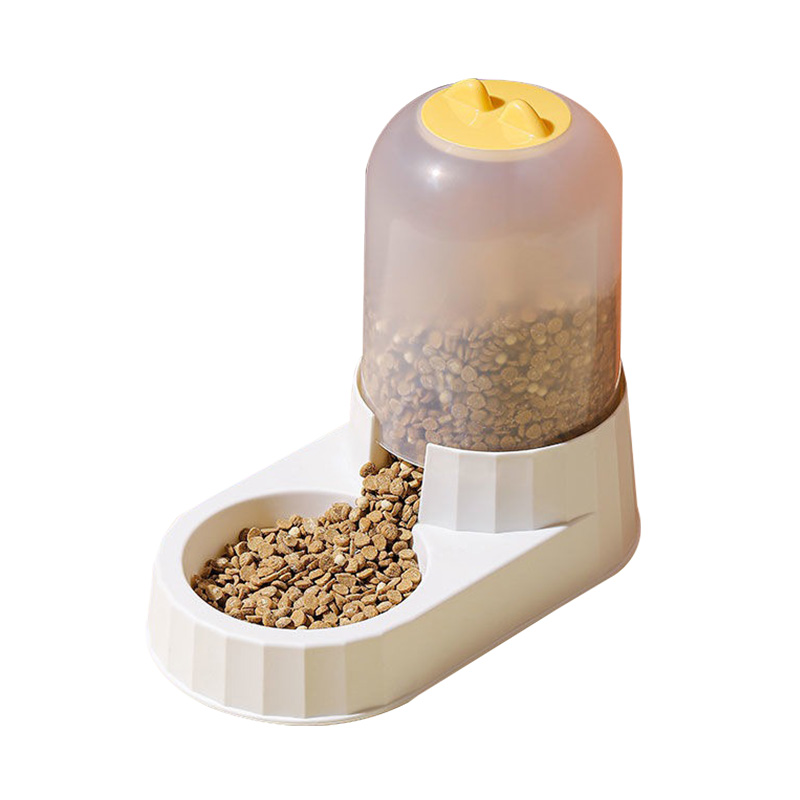
Pet Automatic Water Dispenser
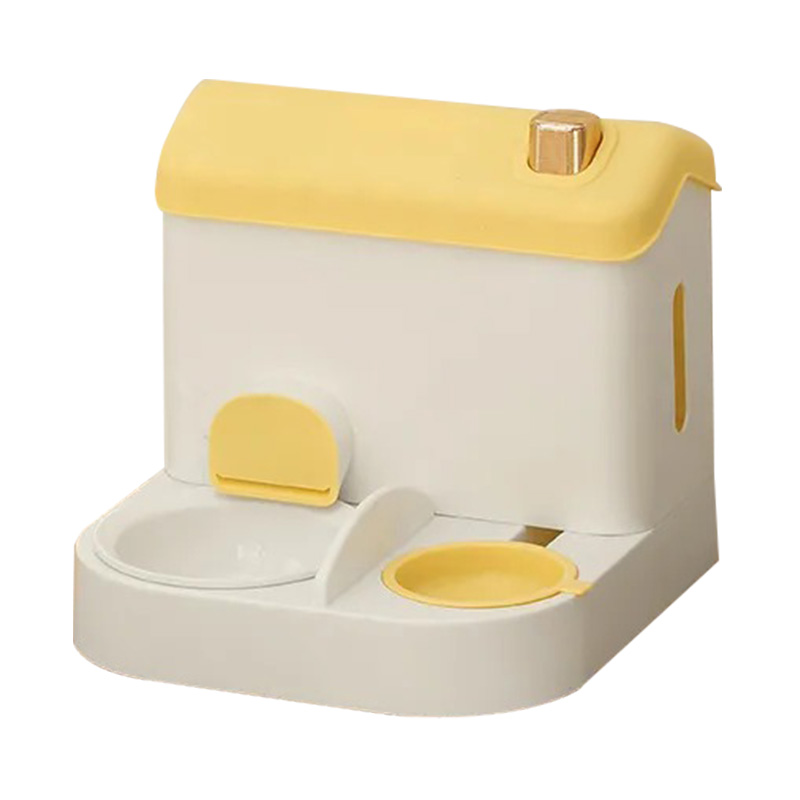
Pet Automatic Water Dispenser
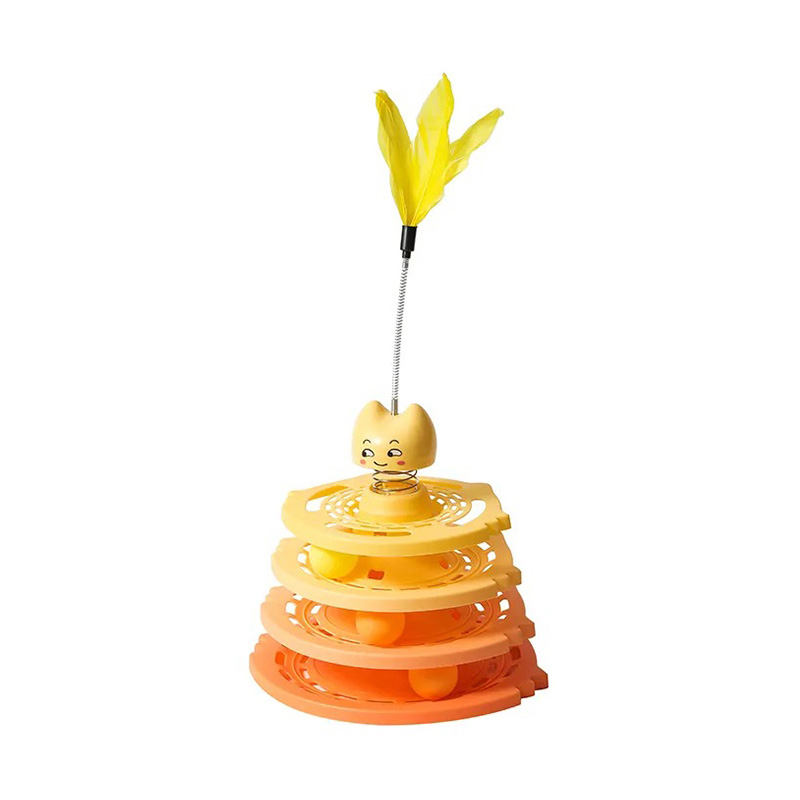
Pet Toy
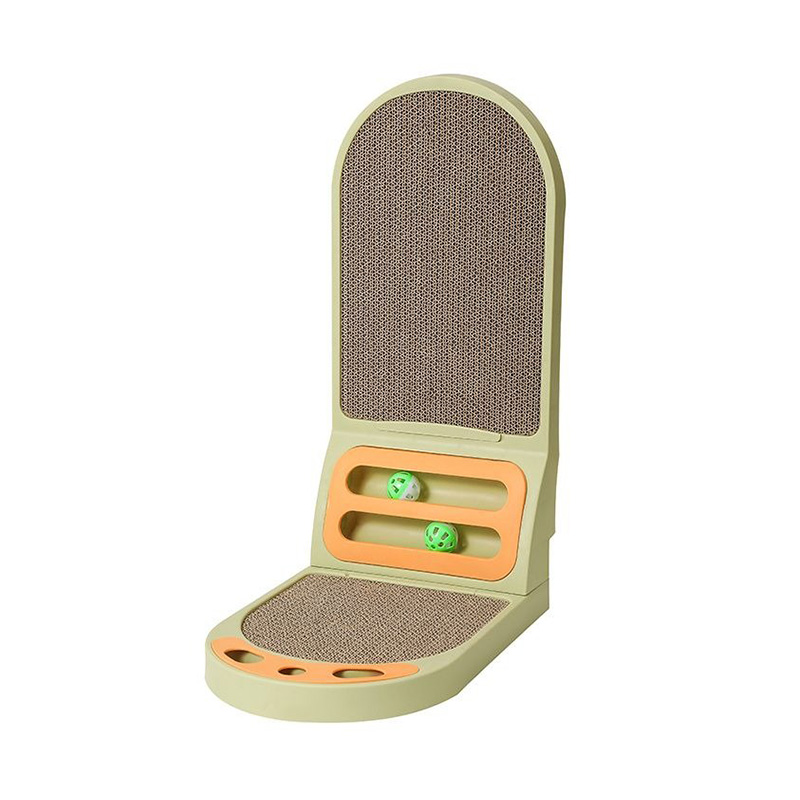
Cat Scratch Board
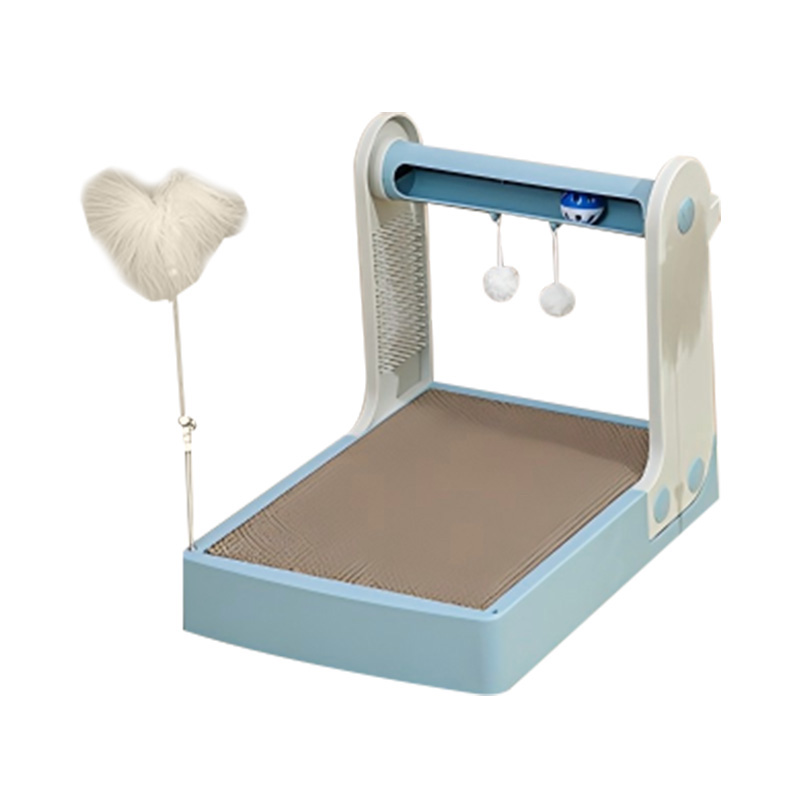
Cat Scratch Board
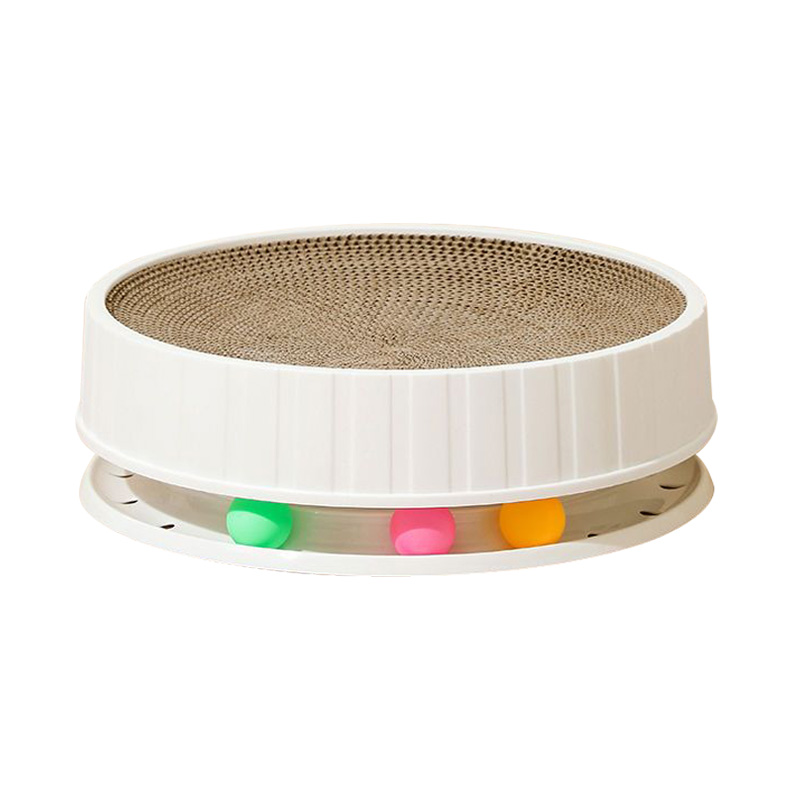
Cat Scratch Board



 +86-18329090387
 [email protected]
 Pukou Village, Xiaoshun Town, Jindong District, Jinhua City, Zhejiang, China
Pet Supplies & Products Factory

 English
 русский
 Español
 Português
 عربى
عربى