
Industry News
Cat size is an important consideration when selecting a litter box, but it can be overlooked when products are designed around average dimensions. Larger cats need enough room not only to enter the box but also to turn, squat, scratch, and leave without being restricted by the walls or roof. A Covered Litter Box for Big Cats therefore requires a different approach to dimensions and access than a compact litter box intended for smaller animals.
A litter box needs to provide more than enough space for the cat to stand. Cats naturally move their bodies when preparing to use litter, covering waste, and exiting the box. For larger cats, a box that appears spacious externally may still feel restrictive if the entrance or internal width is too limited.
A Covered Litter Box for Big Cats therefore needs to be evaluated according to usable interior space rather than overall appearance alone. Length, width, height, entrance dimensions, and the position of the opening all influence how a large cat interacts with the box.
HD Pets offers a large-size fully enclosed litter box with a double-opening configuration, specifically reflecting the need for a larger structure and alternative access points.
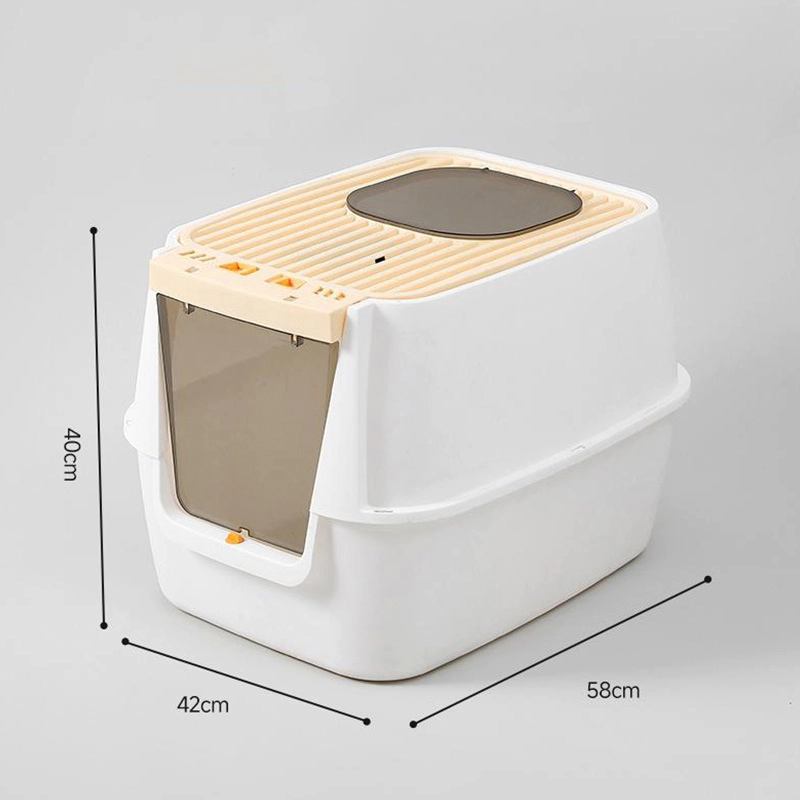
The entrance is particularly important for larger cats because it represents the first physical limitation they encounter. A small doorway may require the cat to squeeze through or change its body position before entering.
For a Covered Litter Box for Big Cats, a larger opening can provide more straightforward access while still maintaining the covered structure around the litter area.
The HD Pets large-size model uses a double-opening design, giving cats more than one route into and out of the enclosed area.
Multiple openings can also change where the litter box can be positioned within a room because the owner has more flexibility in how the entrances relate to walls and surrounding furniture.
Once inside the litter box, a large cat still needs to move. It may turn around before selecting a position, scratch the litter, or adjust its posture after use.
This makes internal width an important factor in a Covered Litter Box for Big Cats. Simply increasing the external height does not necessarily create sufficient horizontal space. If the interior remains narrow, the additional height may provide limited practical benefit.
Product developers therefore need to consider the three-dimensional relationship between the cat's body size and the internal geometry of the box.
A covered litter box creates a different physical environment from an open tray. The roof and surrounding walls provide greater separation from the room, but they also mean that the internal dimensions have to be considered more carefully.
For a Covered Litter Box for Big Cats , the roof height needs to leave enough vertical space for the animal to enter, turn, squat, and scratch naturally. The entrance height and roof position work together rather than functioning as independent dimensions.
This is especially relevant for larger breeds or heavier adult cats, where the same enclosure dimensions may feel very different compared with a smaller animal.
The double-opening configuration used by the HD Pets large-size litter box creates an additional access route. This can be useful when the litter box is placed in a particular location or when the cat prefers to enter from a specific direction.
For a Covered Litter Box for Big Cats, multiple openings can also reduce dependence on a single entrance. If one side is positioned close to a wall or piece of furniture, the other opening can remain available for access.
From a product-development perspective, this means opening placement becomes part of the overall space-planning design.
A larger litter box naturally contains more internal surface area and may hold a greater quantity of litter. Cleaning access therefore becomes particularly important.
For a Covered Litter Box for Big Cats, the owner needs to be able to reach the litter area for scooping and routine maintenance. Large external dimensions should not make the internal tray unnecessarily difficult to access.
The relationship between removable components, openings, covered sections, and litter depth can all affect the practical cleaning process.
The development of a Covered Litter Box for Big Cats illustrates a broader shift in pet-product design toward more specific animal requirements. Instead of producing one standard size for every cat, manufacturers can differentiate products according to body size, movement patterns, entrance requirements, and living environments.
The large-size HD Pets model combines a fully enclosed structure with two openings, providing a specific configuration for larger cats rather than simply enlarging a conventional open tray.
For B2B buyers, dimensions are therefore only one part of product evaluation. Entrance size, interior movement space, roof height, cleaning access, and opening arrangement all contribute to whether a litter box is suitable for larger animals.
As pet products become more differentiated, the Covered Litter Box for Big Cats shows how animal size can influence product architecture. The focus moves from simply making a litter box bigger toward creating enough usable space and practical access for the animal while retaining a manageable structure for the owner.
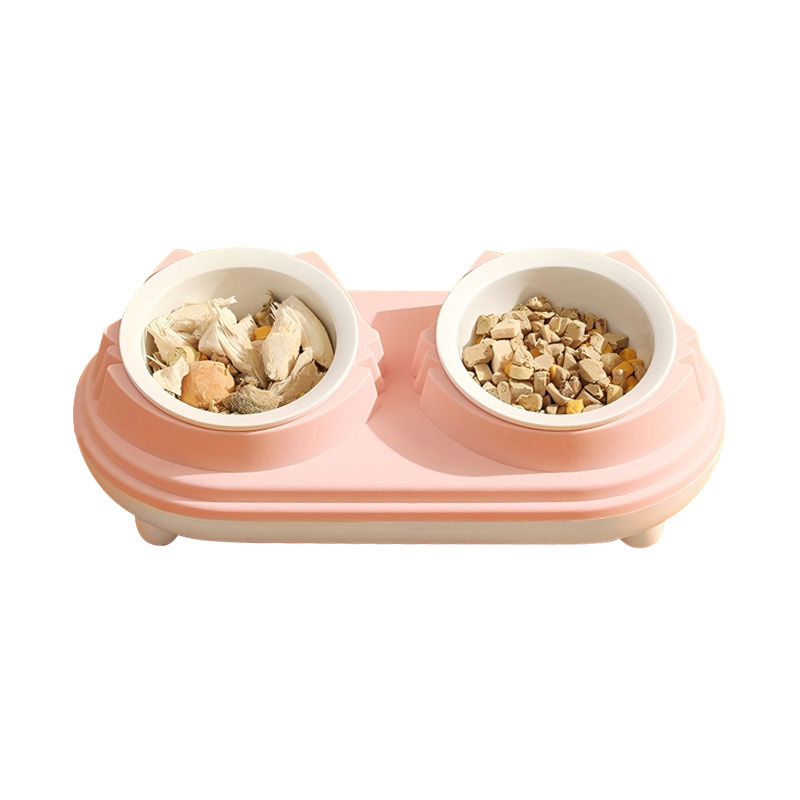
Pet Bowl
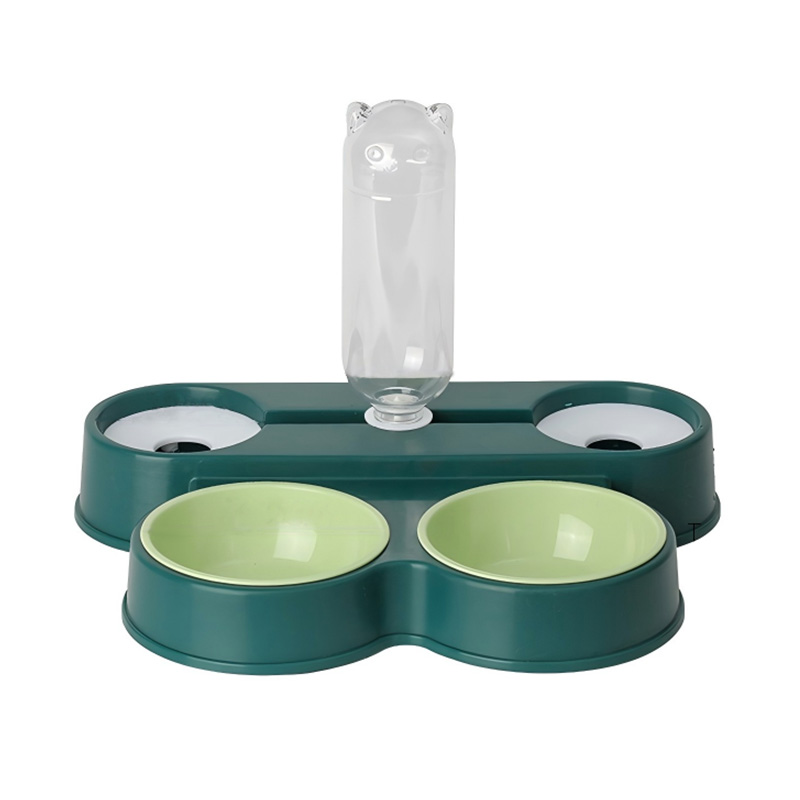
Pet Bowl
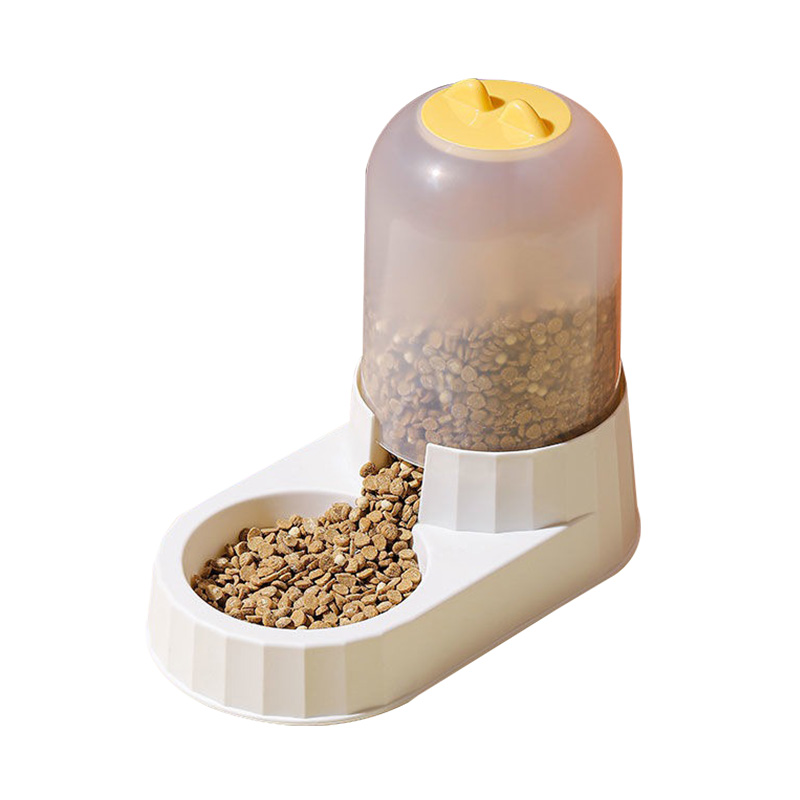
Pet Automatic Water Dispenser
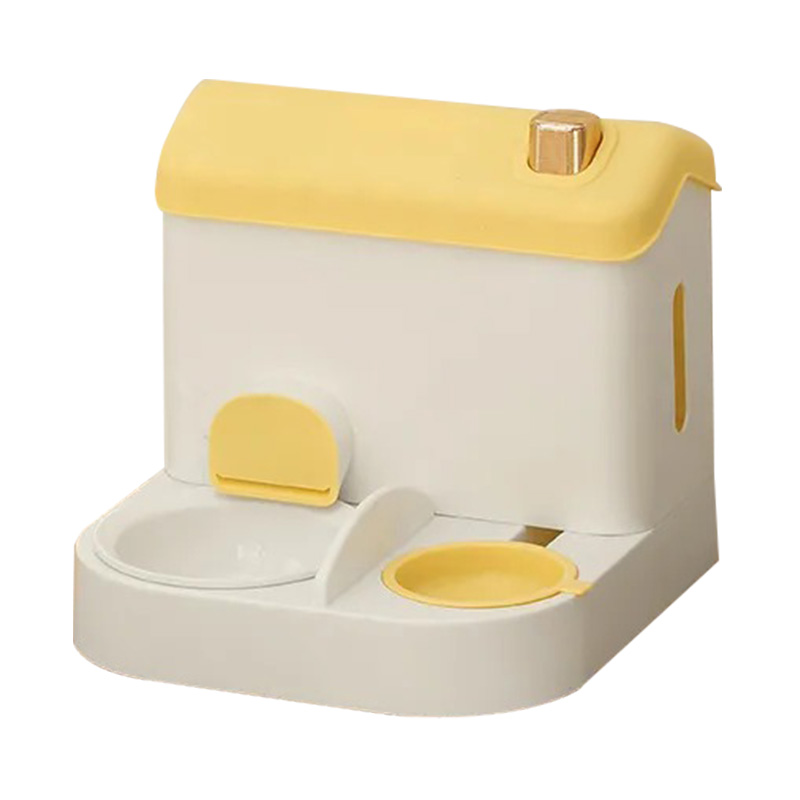
Pet Automatic Water Dispenser
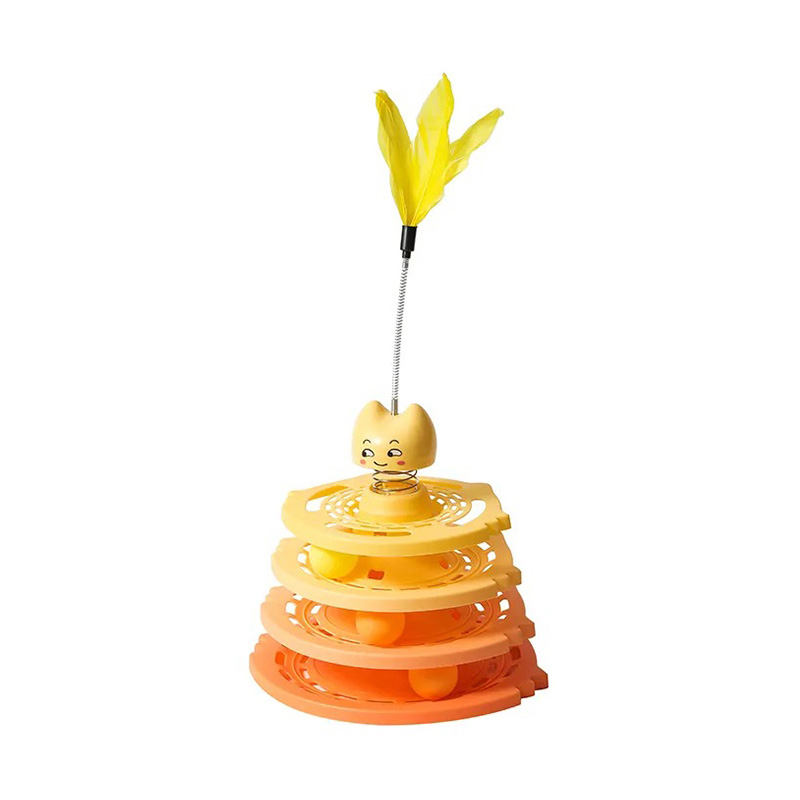
Pet Toy
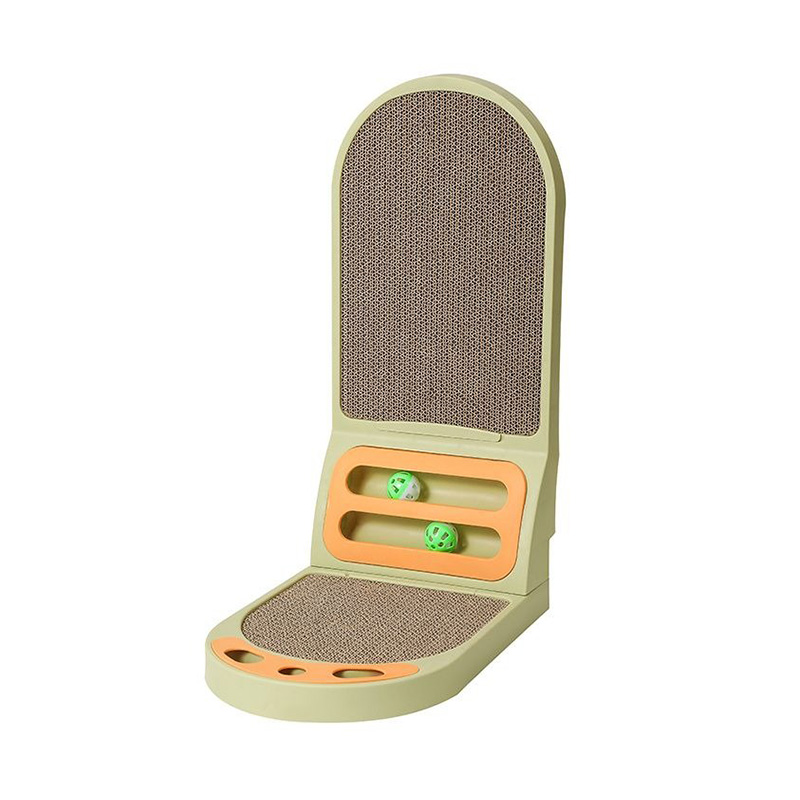
Cat Scratch Board
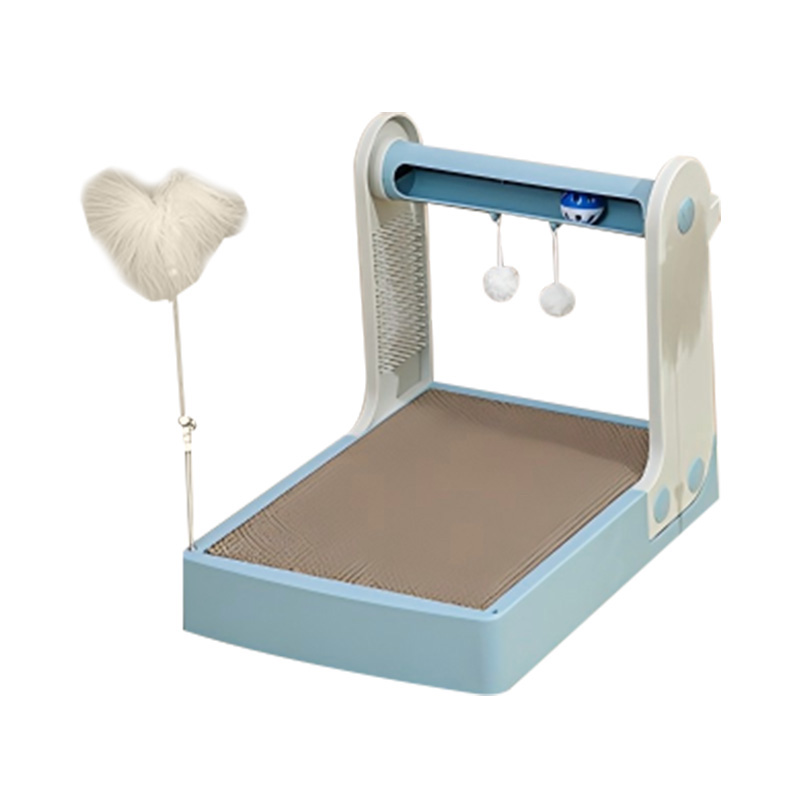
Cat Scratch Board
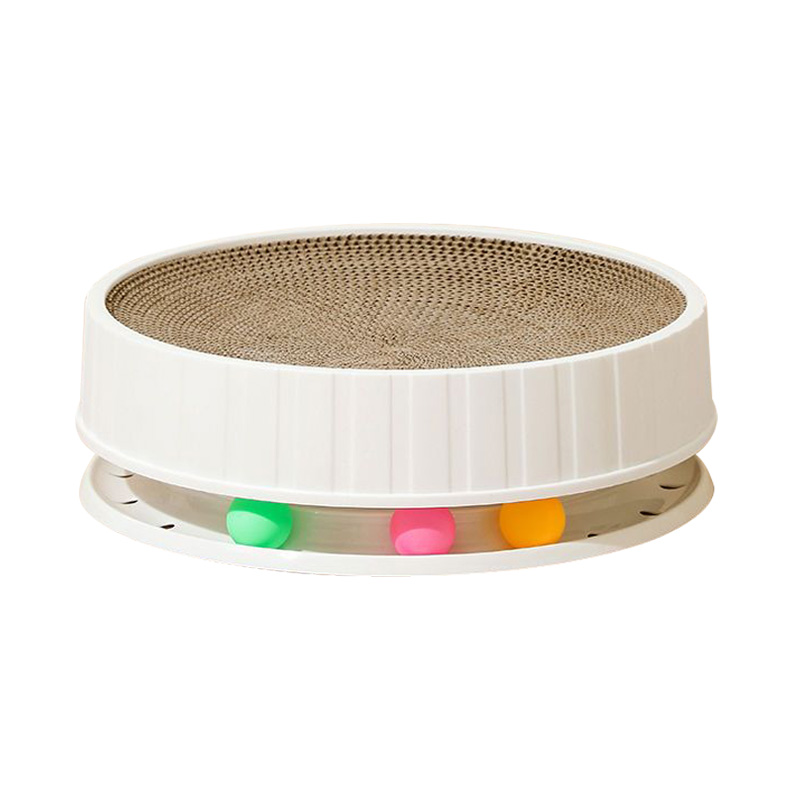
Cat Scratch Board


 +86-18329090387
 [email protected]
 Pukou Village, Xiaoshun Town, Jindong District, Jinhua City, Zhejiang, China
Pet Supplies & Products Factory

 English
 русский
 Español
 Português
 عربى
عربى