
Industry News
A Semi Closed Cat Litter Box is usually discussed from the perspective of cleaning, yet many pet product developers spend more time observing something else—the way cats approach, enter, and leave the litter area. Small changes around the entrance often influence daily behavior long before owners notice differences in cleaning frequency.
During product evaluation, another phrase regularly appears in design reports: cat litter box, especially when different entrance layouts are compared under the same indoor environment.
Cats Rarely Follow The Same Route Every Time
People tend to imagine that a cat walks directly toward the litter box.
Daily observation tells another story.
Some stop nearby.
Some circle once.
Others pause before stepping inside.
These small movements are surprisingly consistent for individual cats but different from one animal to another.
When using a Semi Closed Cat Litter Box, designers often pay attention to these repeated approaches because entrance shape influences how naturally the cat begins the final step into the litter area.
Young cats sometimes enter immediately.
Older cats often move more cautiously.
The difference appears before the cat even touches the litter.
Indoor Layout Changes Daily Movement
The litter box does not exist alone.
Furniture surrounds it.
Walls influence approach angles.
Food bowls may sit nearby.
Walking paths naturally develop inside the home.
Because of these surroundings, a cat litter box is evaluated together with room layout rather than by itself.
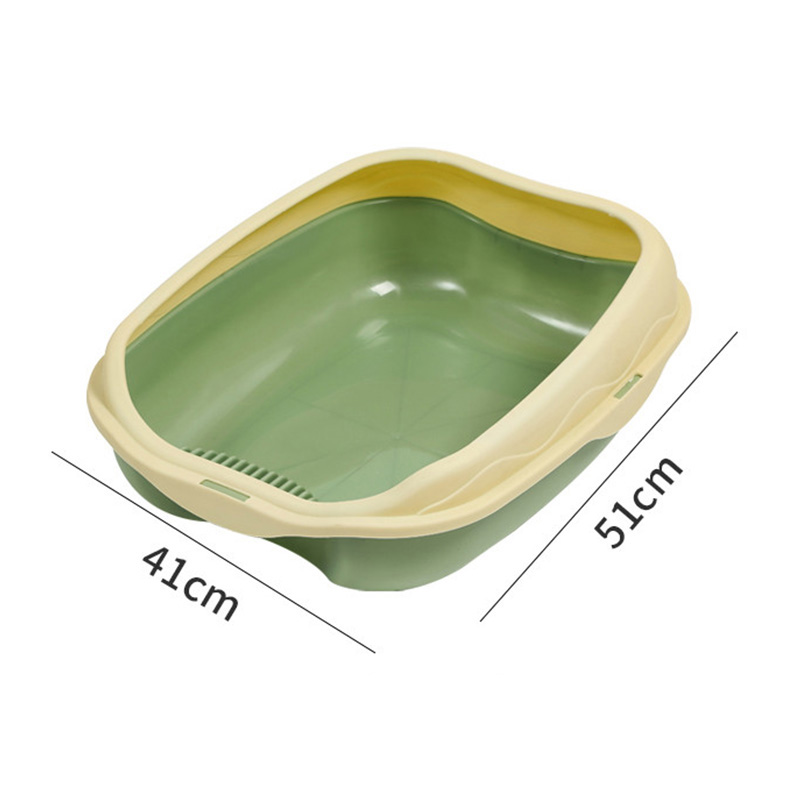
Product developers frequently rearrange testing spaces while observing whether cats continue using the same approach direction or establish new habits after furniture changes.
These observations help explain why identical litter boxes may appear to perform differently in different households.
Entry Behavior Becomes Routine
Cats prefer familiar routines.
Once a comfortable entry path develops, it usually repeats.
Owners may notice the same paw placement.
The same turning angle.
The same exit direction.
A Semi Closed Cat Litter Box therefore becomes part of the animal's daily movement rather than simply a cleaning accessory.
Design teams often review video recordings over several days instead of relying on one observation session.
Small differences become easier to recognize through repetition.
Daily Cleaning Also Influences Behavior
Owners interact with the litter box every day.
Litter is replaced.
Scoops are used.
The surrounding floor is cleaned.
After maintenance, some cats return immediately.
Others wait before using the box again.
These responses are sometimes recorded while evaluating a cat litter box, because cleaning routines indirectly influence animal behavior.
Testing therefore includes both feline activity and owner interaction instead of examining only one side of the experience.
Observation Notes Stay Surprisingly Short
Behavior studies usually produce simple records.
cat approached from left side
entry completed without hesitation
exit direction remained unchanged
cleaning completed before next observation
These entries appear repeatedly during product evaluation.
Rather than describing the litter box itself, they document how cats respond to familiar environments over time.
As additional observations accumulate, developers gain a clearer understanding of how a Semi Closed Cat Litter Box fits naturally into household routines. At the same time, repeated comparisons between different cat litter box layouts help identify which entrance arrangements encourage consistent daily behavior without changing the cat's normal movement patterns.
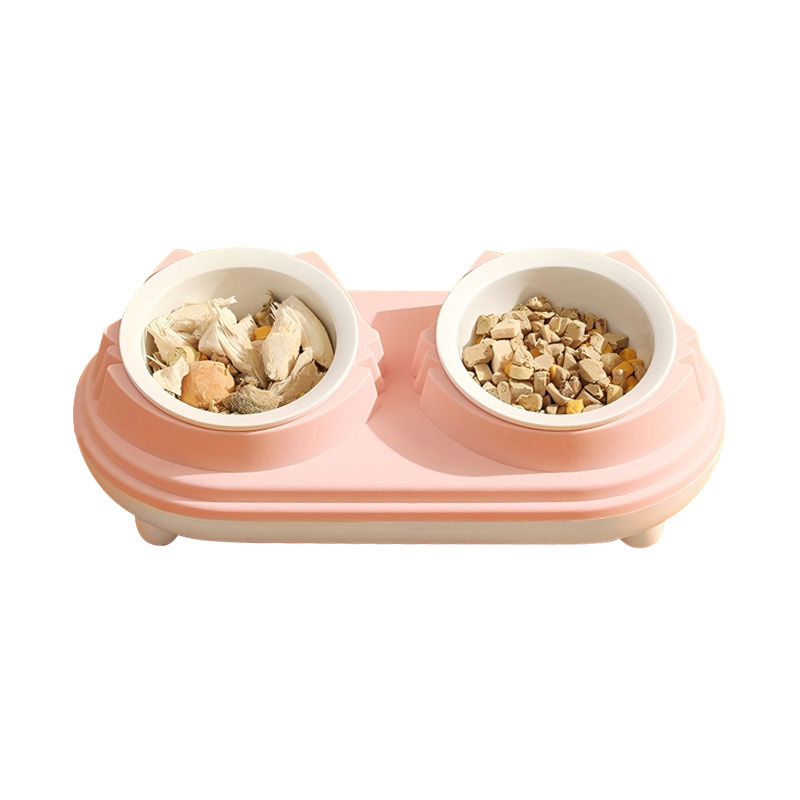
Pet Bowl
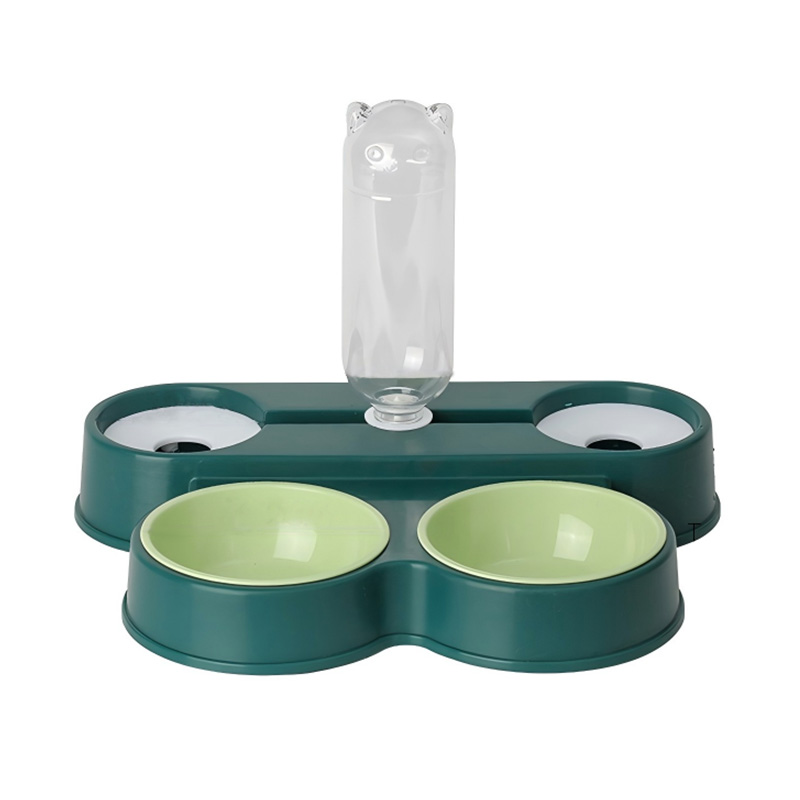
Pet Bowl
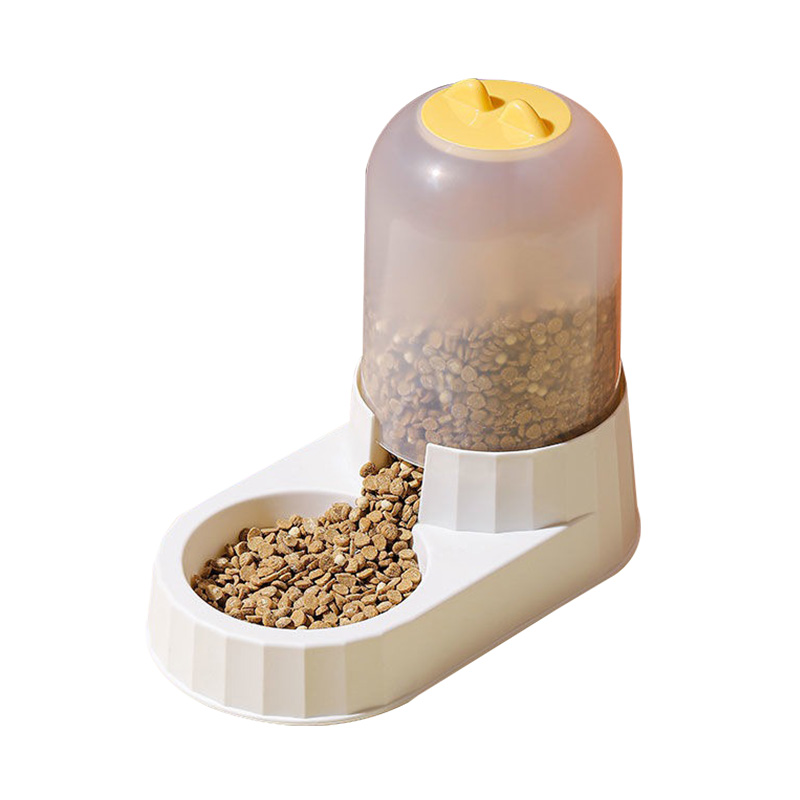
Pet Automatic Water Dispenser
Pet Automatic Water Dispenser
Pet Toy
Cat Scratch Board
Cat Scratch Board
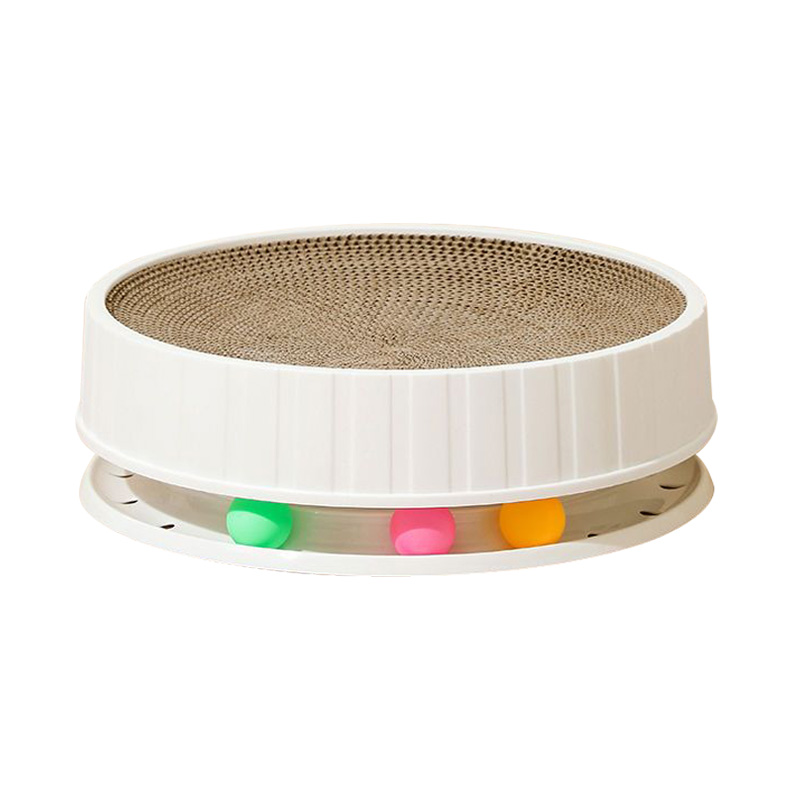
Cat Scratch Board



 +86-18329090387
 [email protected]
 Pukou Village, Xiaoshun Town, Jindong District, Jinhua City, Zhejiang, China
Pet Supplies & Products Factory

 English
 русский
 Español
 Português
 عربى
عربى