
Industry News
A dog left alone from 8 a.m. to 6 p.m. can empty a small bowl well before the owner is home, which is where a Pet Automatic Water Dispenser enters the picture. A cat that avoids stale water may skip the afternoon drink altogether. That gap between refills explains why pet retailers keep widening this category.
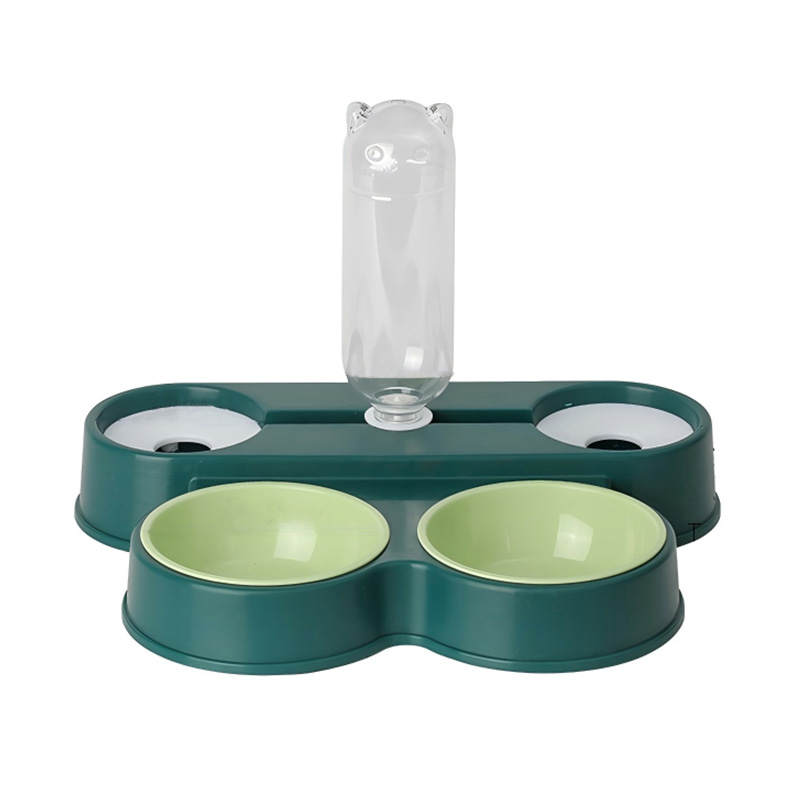
Owners with long commutes or hybrid schedules tend to size a purchase around one number: how many hours the animal is alone. A tray bowl covers a morning, while a reservoir of two to four litres often covers a full workday for a medium dog or a pair of cats. The logic is simple. Water sits in an inverted tank, and as the tray level drops, air enters the tank and releases more water. A gravity-fed Pet Automatic Water Dispenser needs no pump or socket, so it suits apartments, shared pet rooms, and small animals such as rabbits.
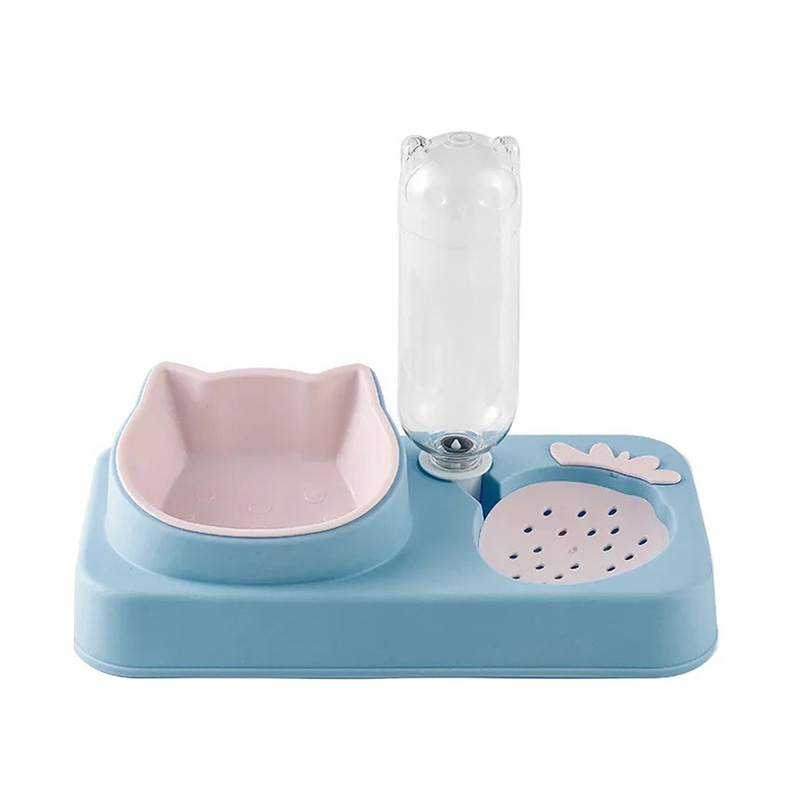
Circulating models work another way. A small pump moves water through a spout or fountain, and some cats drink more readily from moving water. Because that type needs an outlet, it stays near wall power. Buyers who supply first-time owners often stock both, since one household may want a gravity unit in the kitchen and a Pet Automatic Water Dispenser with a flowing spout in the cat’s corner. Neither design replaces the other; each Pet Automatic Water Dispenser format answers a different routine.
Cats tend to drink away from their food, so a unit beside the food bowl is sometimes ignored while the same unit near a window ledge or hallway gets visited. Dogs usually drink after play or meals, so a spot near the feeding area works. A flat, non-slip base matters as well: a dispenser that rocks when a large dog leans on the rim teaches the animal to avoid it. Animals may also take a few days to accept a new Pet Automatic Water Dispenser, so keeping the old bowl nearby during that period helps. Setting the unit at the animal’s own height, with a tray rim low enough for a puppy or an older cat, makes the first drink easier to start.
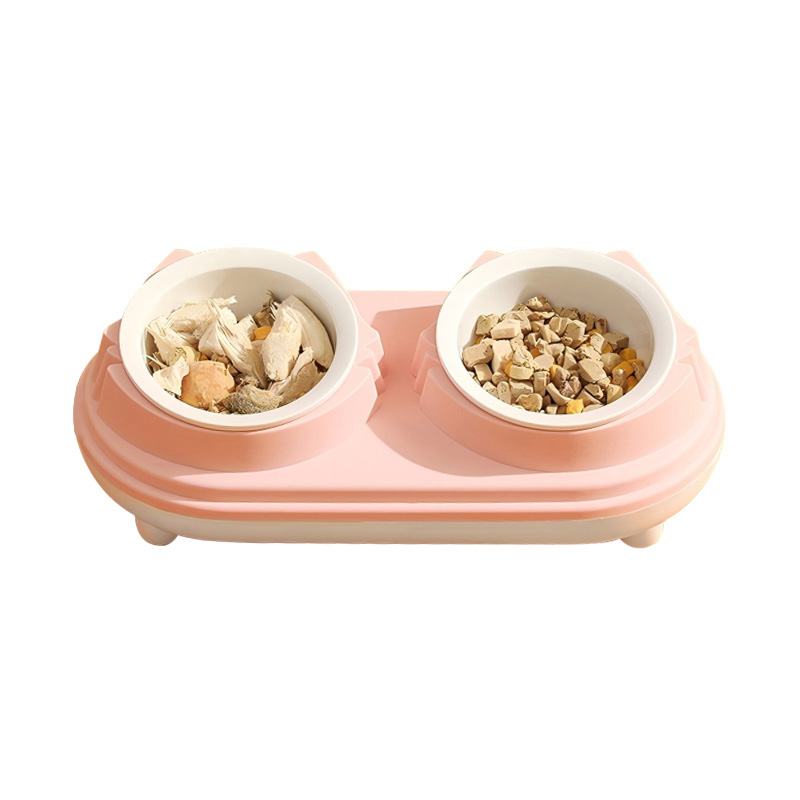
For retailers and distributors, the questions are concrete. What capacity range does the line cover? Do the tank and tray come apart without tools for rinsing? Is the plastic food-contact grade and BPA-free? Does a clear tank show the water level so owners know when to refill? Some buyers also ask for water-and-food sets, since owners who travel for a weekend want one unit for both. When a Pet Automatic Water Dispenser answers these points on the box and in the manual, the choice is easier for the end customer. Colour, logo placement and carton design are usually settled after those functional points, not before them.
In practice, a Pet Automatic Water Dispenser is judged against the owner’s schedule first and against other brands second. Capacity, flow type and placement are the three decisions that shape that judgment.
Pet Bowl
Pet Bowl
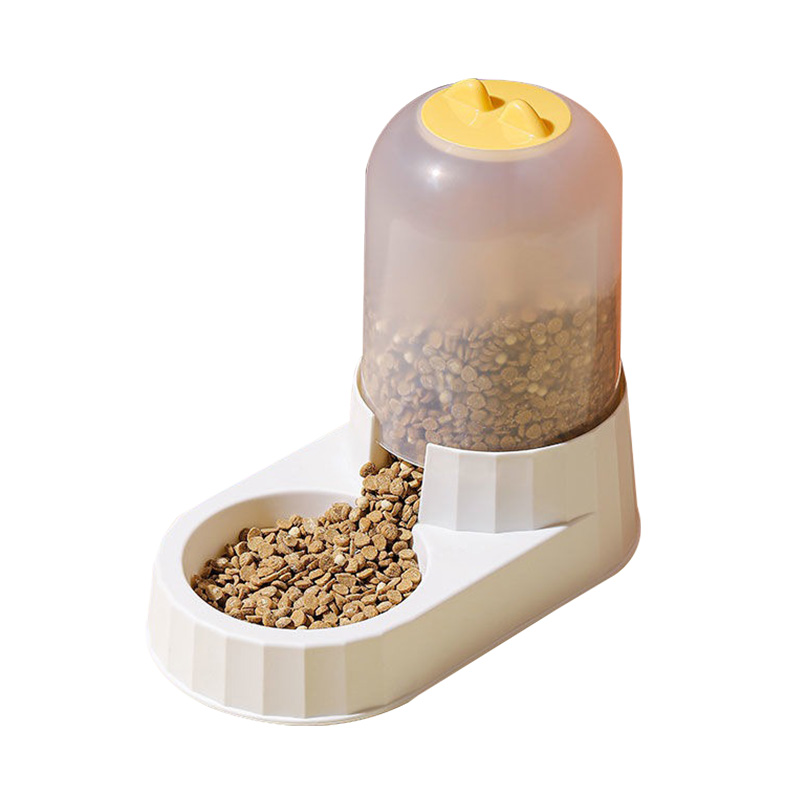
Pet Automatic Water Dispenser
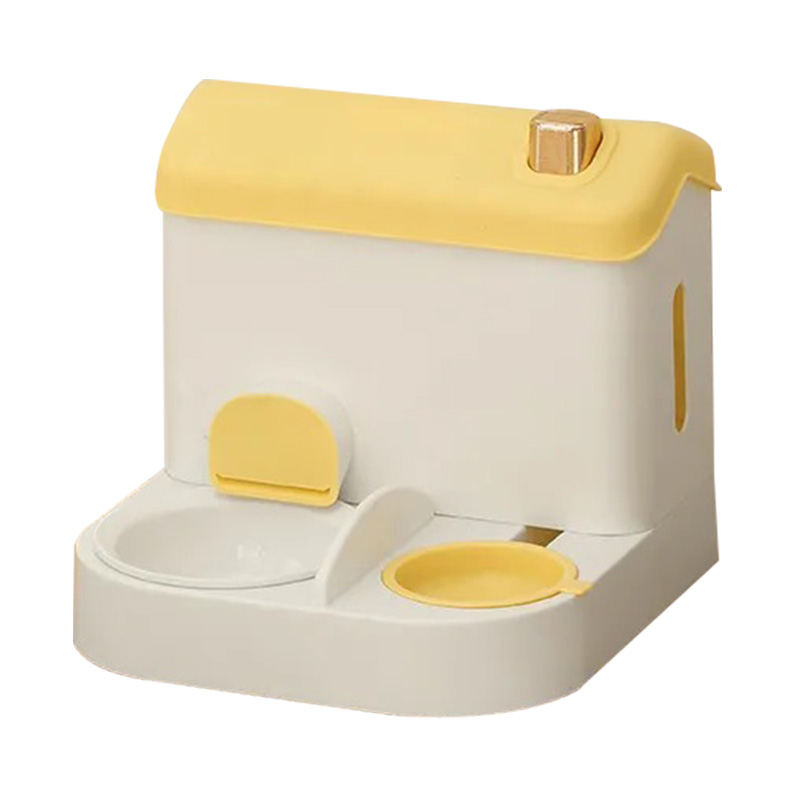
Pet Automatic Water Dispenser
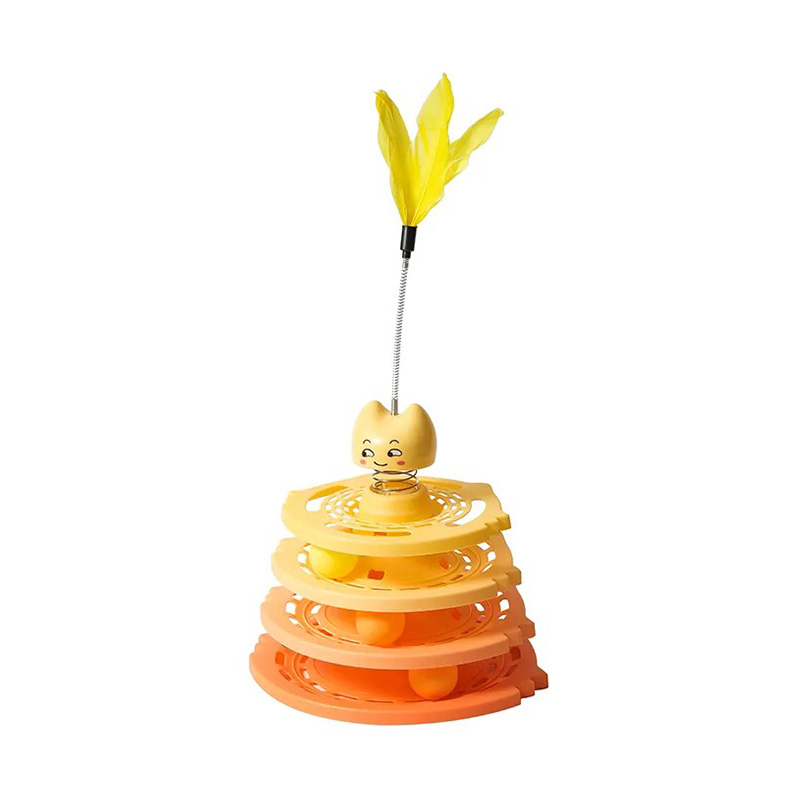
Pet Toy
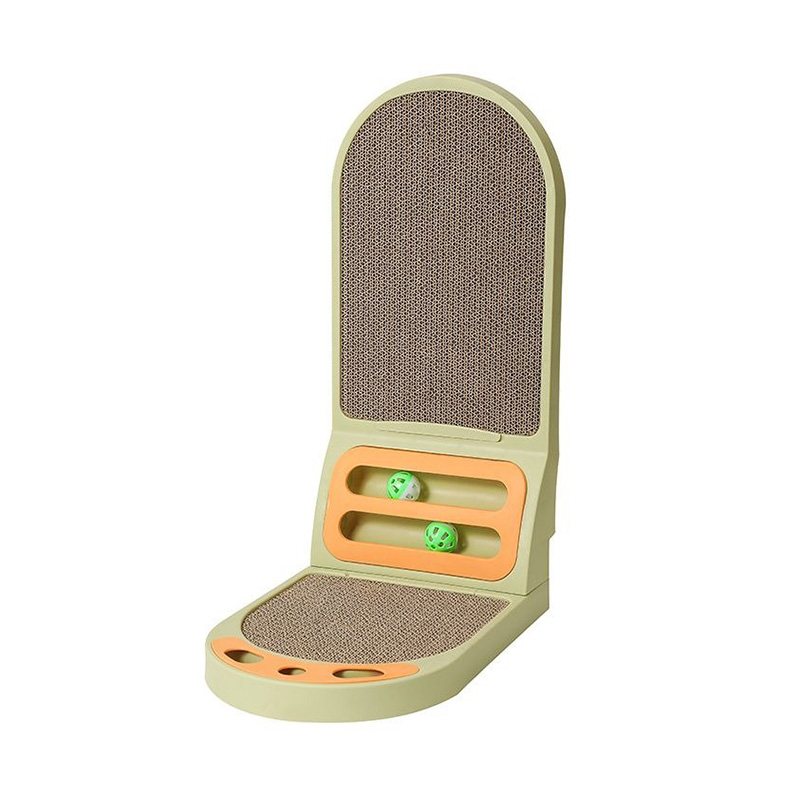
Cat Scratch Board
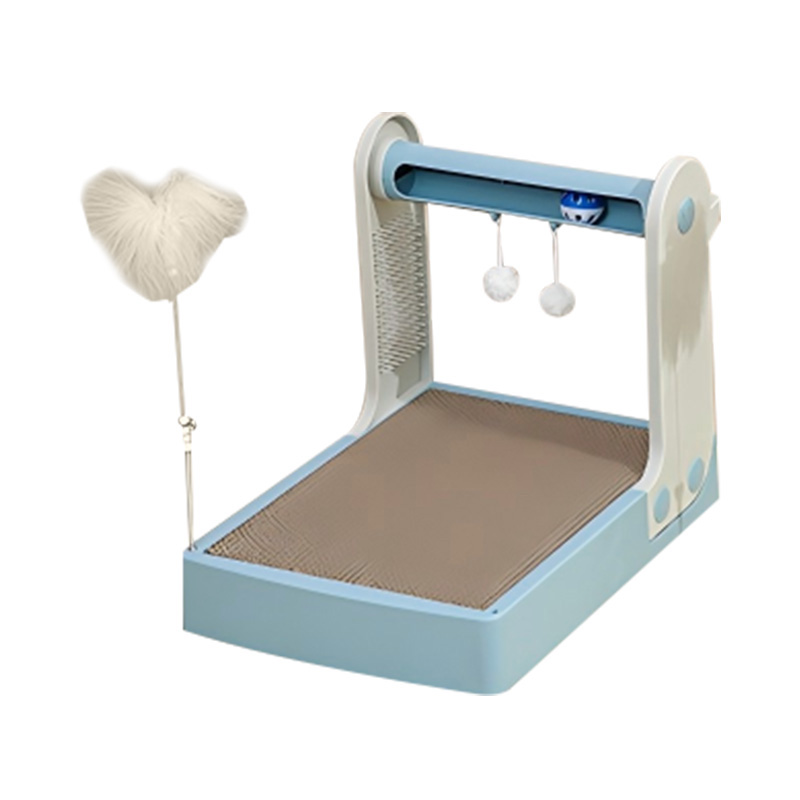
Cat Scratch Board
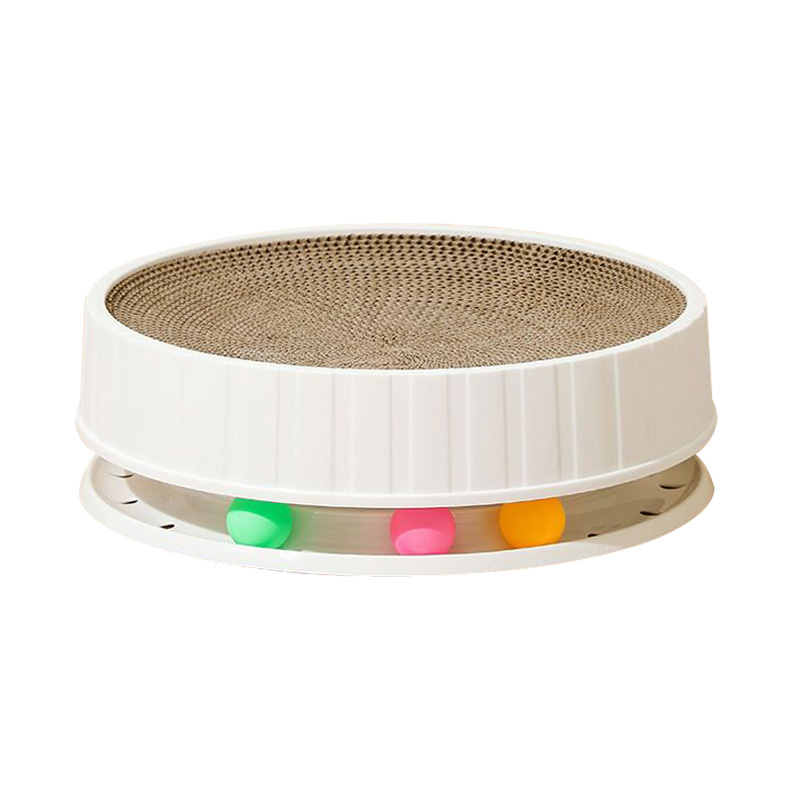
Cat Scratch Board


 +86-18329090387
 [email protected]
 Pukou Village, Xiaoshun Town, Jindong District, Jinhua City, Zhejiang, China

Pet Supplies & Products Factory

 English
 русский
 Español
 Português
 عربى