
Industry News
A Dual Feeders Pet Bowl built with a tilted feeding surface solves one problem and creates another that a lot of product photos never show: raising the front edge to ease neck strain on a small cat or dog also raises the whole unit's center of gravity, right at the moment an animal is pushing against it to eat. Getting the tilt to actually help posture without turning mealtime into a spilled-food cleanup depends on a handful of design decisions that don't show up until a buyer asks specifically about them.
A shallow tilt, somewhere in the range common manufacturers land on for small breeds and kittens, lowers the angle a short-necked animal has to bend to reach food without changing how the bowl handles liquid. Push the angle much steeper and a Dual Feeders Pet Bowl starts fighting basic gravity: water pools toward the low side, kibble slides to one edge, and the animal ends up chasing food around the bowl instead of eating comfortably. Buyers sourcing this category for a market with larger dog breeds should ask whether the tilt angle changes with bowl size, since a degree that works for a kitten can be too shallow to matter for a mid-size dog and too steep to matter for a very small one.
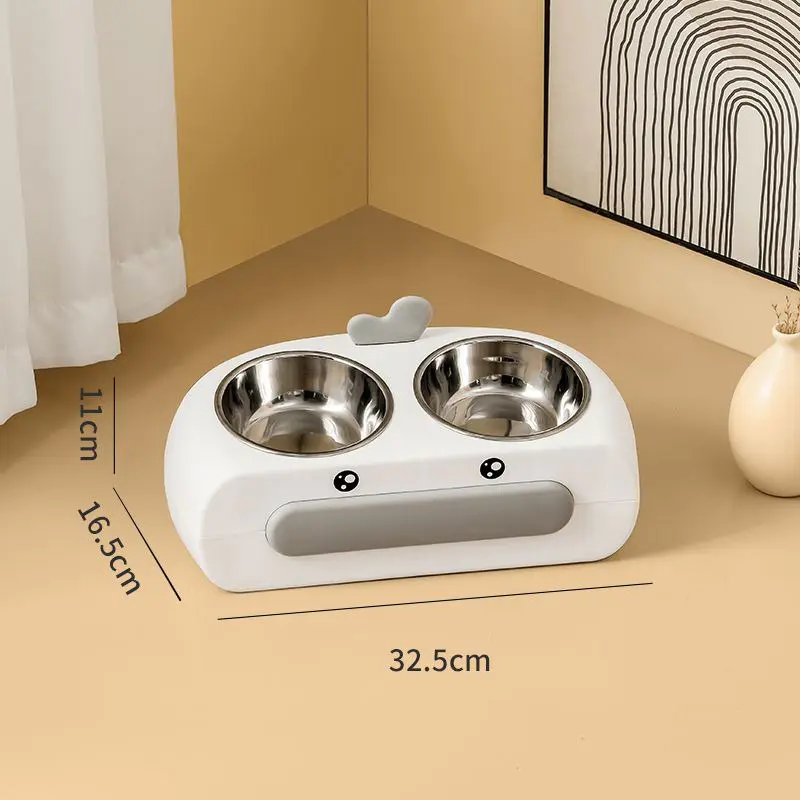
Raising one edge of a bowl shifts weight distribution in a way flat feeders never have to account for, so a Dual Feeders Pet Bowl needs a wider base footprint or added weight low in the housing to keep from rocking when an animal presses against the raised side. A narrow base that looks fine on a flat feeder can tip a tilted one during normal use, particularly with an enthusiastic eater pushing the bowl across a hard floor. Rubber or silicone feet on the base add resistance against sliding, but they solve a different problem than tipping does, and a factory that treats the two as interchangeable is usually cutting a corner on the stability testing that a tilted design actually needs.
Splitting a bowl into food and water sides only works if each compartment holds its contents independently, and that gets harder once one side of the unit sits at an angle. A dividing wall that stops short of the bowl's full depth lets water migrate into the food side during a tilt, turning kibble soft and unappetizing well before the intended feeding session ends. Detachable bowl inserts, which buyers commonly ask for so the pieces can go in a dishwasher, add another seam where a poor fit lets liquid seep down into the housing itself rather than staying contained in the bowl. A Dual Feeders Pet Bowl worth stocking keeps that seal tight enough to survive repeated removal and reinsertion, not only a handful of uses out of the box.
None of these three variables get solved by picking a cuter animal shape for the housing. A factory that can speak to tilt angle by bowl size, base stability testing, and compartment sealing on a Dual Feeders Pet Bowl line is giving a buyer something closer to what the posture-support claim on the packaging is actually supposed to deliver.
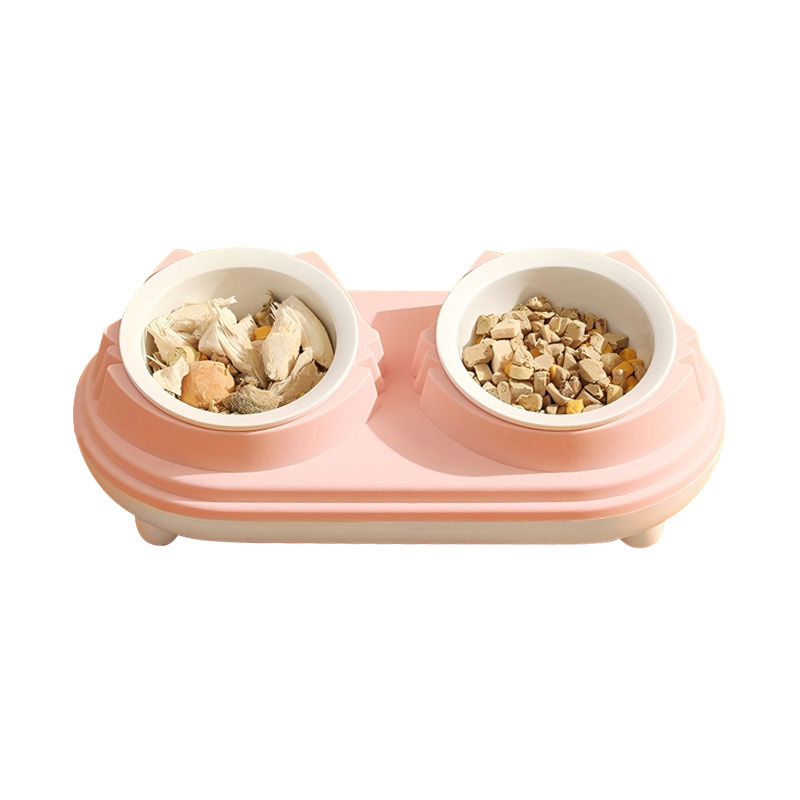
Pet Bowl
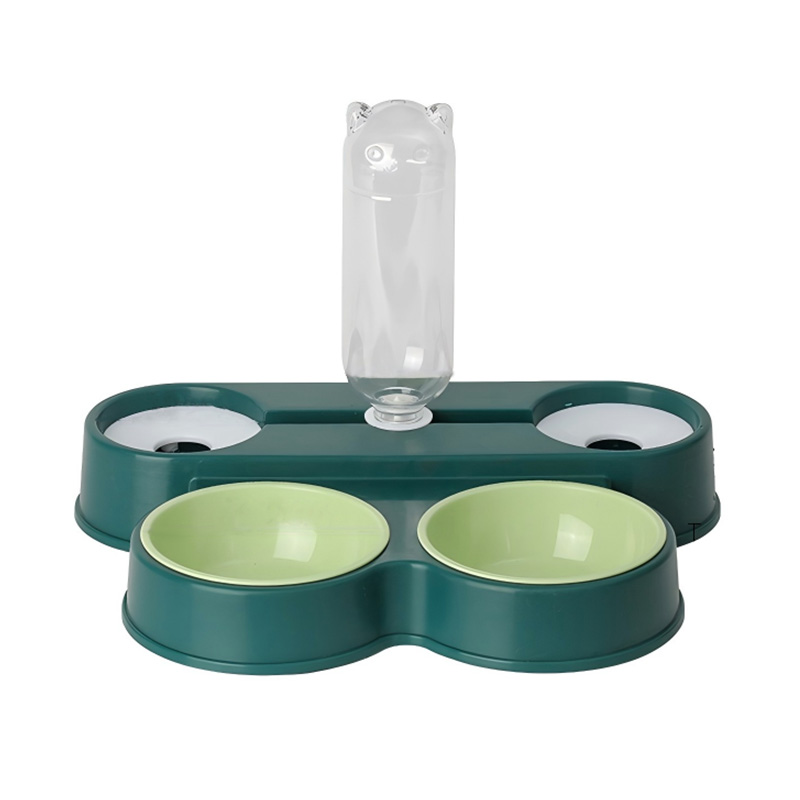
Pet Bowl
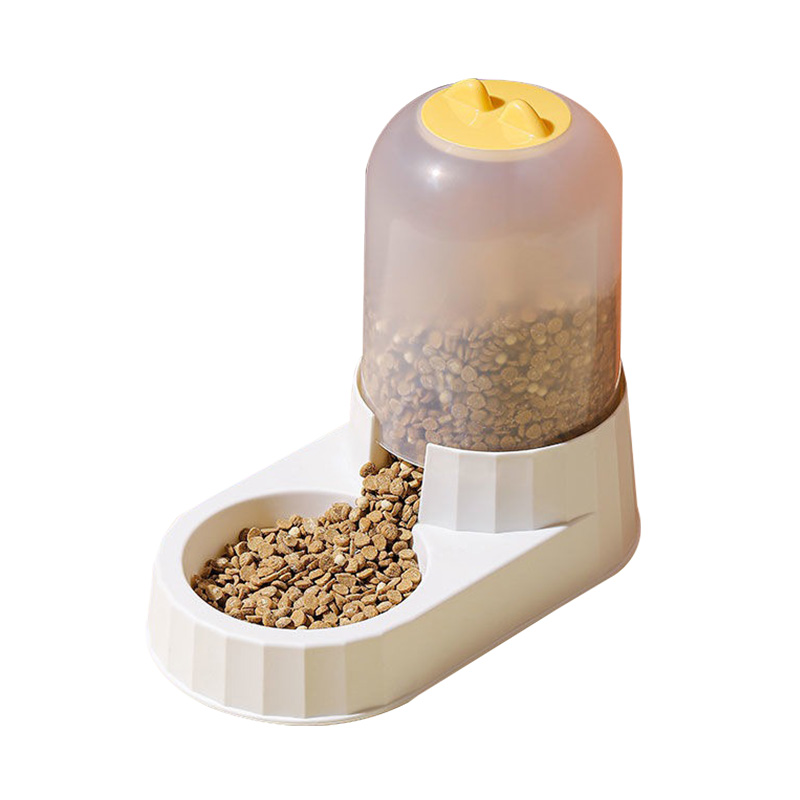
Pet Automatic Water Dispenser
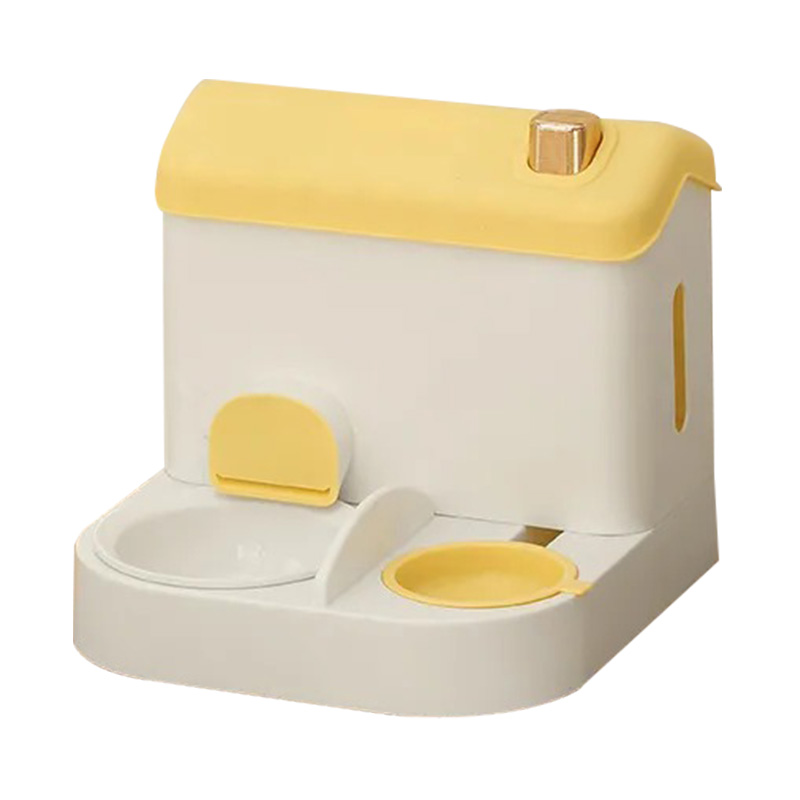
Pet Automatic Water Dispenser
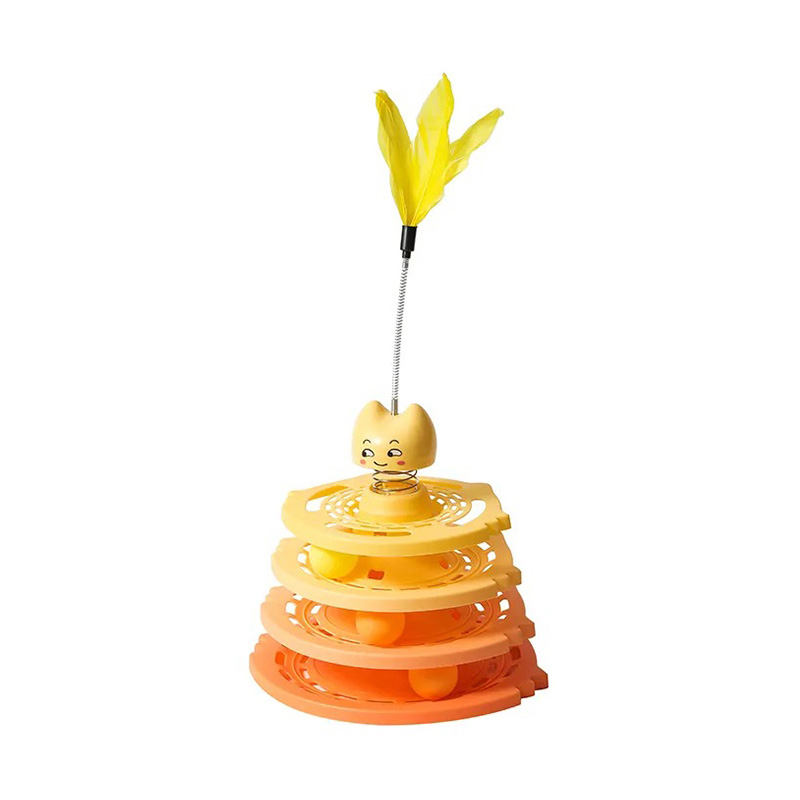
Pet Toy
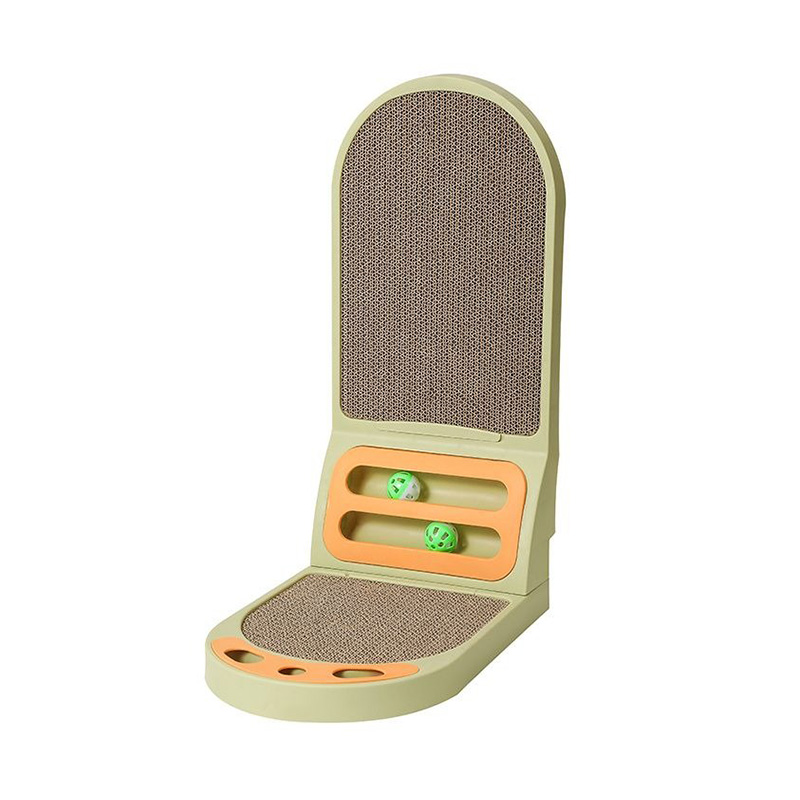
Cat Scratch Board
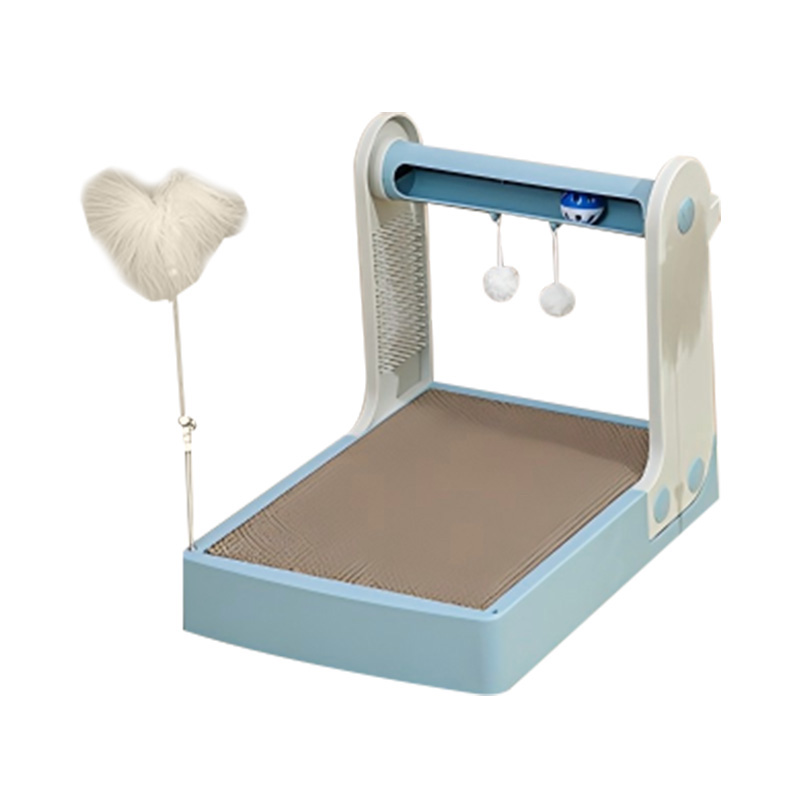
Cat Scratch Board
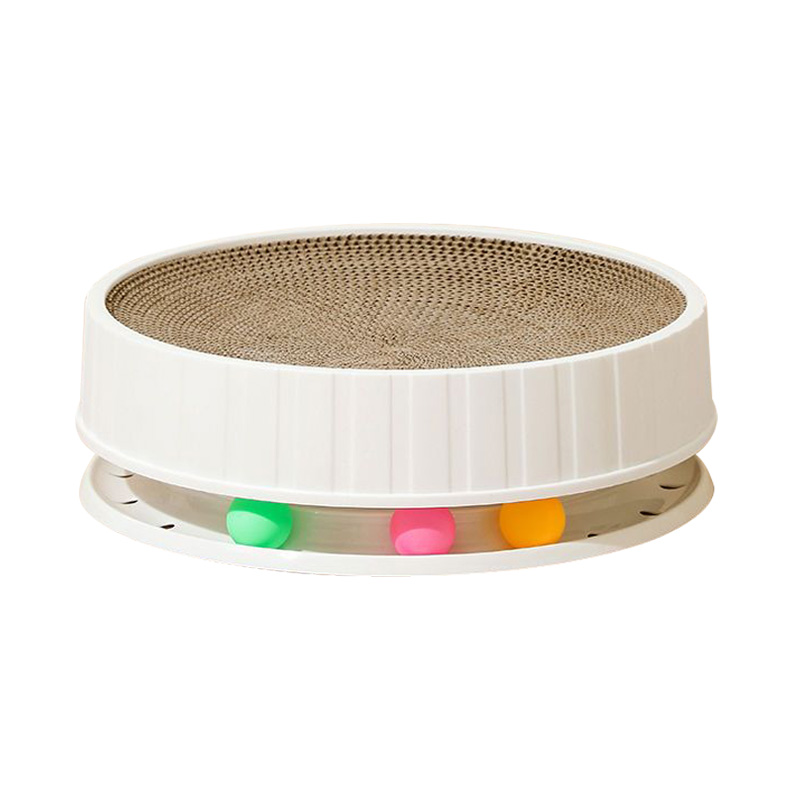
Cat Scratch Board



 +86-18329090387
 [email protected]
 Pukou Village, Xiaoshun Town, Jindong District, Jinhua City, Zhejiang, China
Pet Supplies & Products Factory

 English
 русский
 Español
 Português
 عربى
عربى