
Industry News
A Magic Cat Scratching Board earns its name from the catnip that ships with it, but the corrugated core underneath does the actual work of keeping a cat coming back to the board instead of the sofa arm. Buyers evaluating this category for a private label program tend to focus on board shape and print design, when in fact the flute orientation, catnip application method, and adhesive used to laminate the layers together are what decide whether the finished product performs the way the packaging promises.
Corrugated board is built from a fluted inner layer sandwiched between flat liners, and which way that flute runs relative to the scratching surface changes how a cat's claws interact with it. Vertical flute orientation gives claws individual channels to catch and pull, producing the long shred strands that make a board look well used within a week or two. Horizontal or diagonal flute orientation spreads claw contact across more paper fiber at once, producing finer shredding and less debris scattered around the base. Neither pattern is wrong for a Magic Cat Scratching Board, but a buyer sourcing for a market that complains about mess should ask which orientation the factory defaults to, because a supplier commonly locks in one flute direction for the whole product line rather than offering it as a spec option.
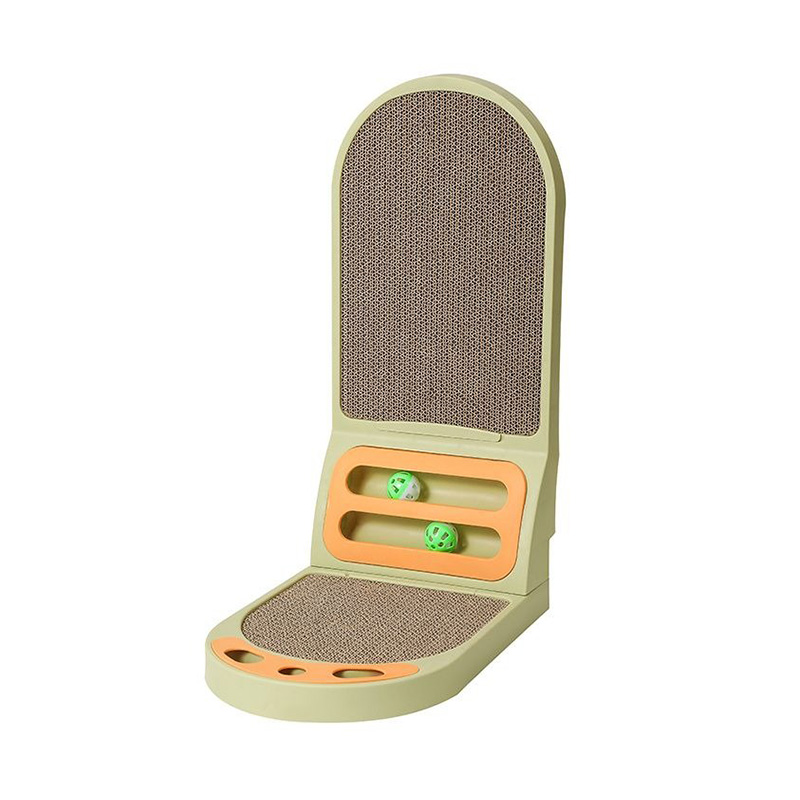
The catnip packed with a Magic Cat Scratching Board gets applied one of two common ways: a surface spray applied after the board is assembled, or a sachet insert tucked into a pocket built into the corrugated structure. Spray application gives an immediate, strong scent that fades within a few weeks of handling and air exposure, which suits a product meant to move through retail quickly. A sachet insert holds potency longer and can often be replaced or refreshed by the end customer, which matters more for a Magic Cat Scratching Board positioned as a reusable or refillable product rather than a single-use item. Buyers should ask which method a factory uses before assuming "comes with catnip" means the same thing across different suppliers, since the two approaches lead to noticeably different customer experiences a few months after purchase.
Laminating multiple layers of corrugated board together requires an adhesive, and that adhesive sits directly against a surface cats scratch, chew, and occasionally lick. A water-based, low-VOC adhesive costs more per unit than a solvent-based alternative but carries less risk of residue transferring to a cat's paws or mouth during normal use. A Magic Cat Scratching Board built for a market with strict pet product safety requirements, or for a private label buyer supplying a retailer with its own compliance standards, needs documentation on the specific adhesive formulation used, not just a general "non-toxic" claim on the packaging. Bond strength matters here too: an adhesive that holds layers together loosely lets the board delaminate at the edges under repeated scratching, well before the corrugated core itself has worn through.
None of these three choices show up in a product photo, which is exactly why they get skipped during sourcing conversations that stay focused on shape, size, and print design. A factory that can speak specifically to flute orientation, catnip application, and adhesive formulation for a Magic Cat Scratching Board order is usually the one whose finished units match what the packaging promises once they reach a customer's living room.
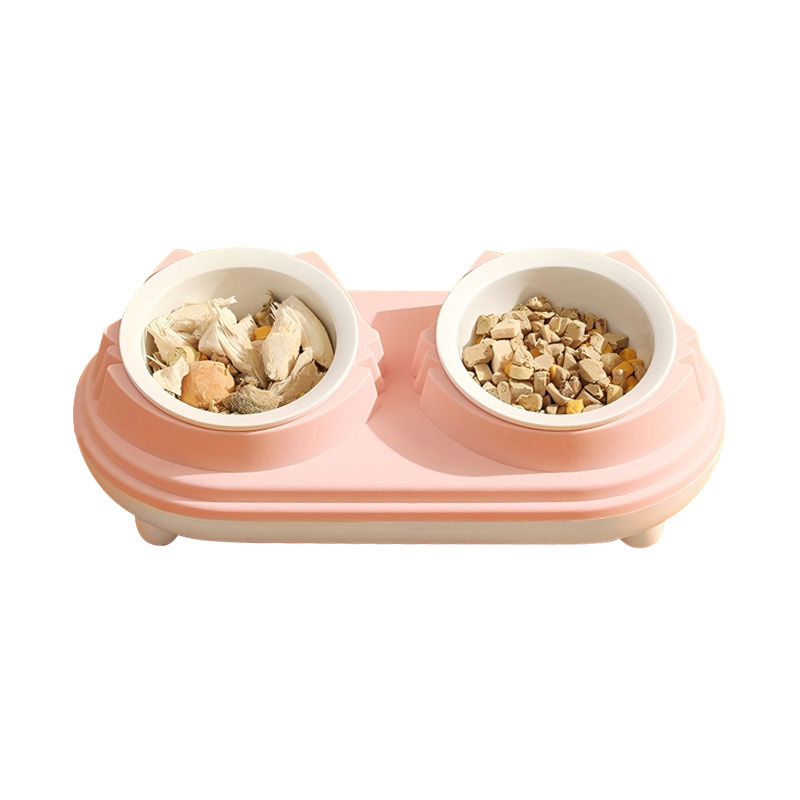
Pet Bowl
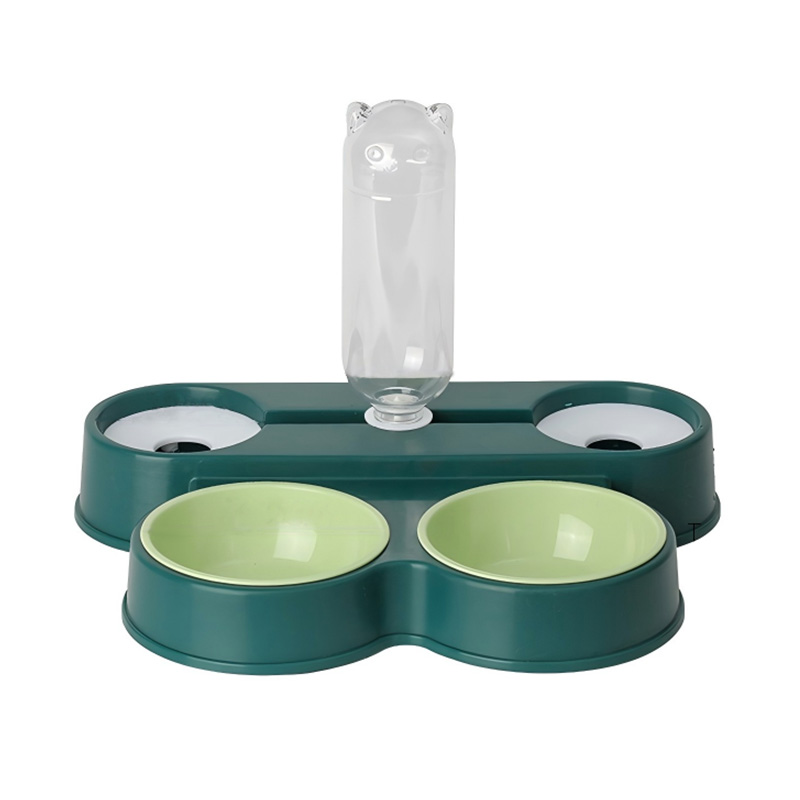
Pet Bowl
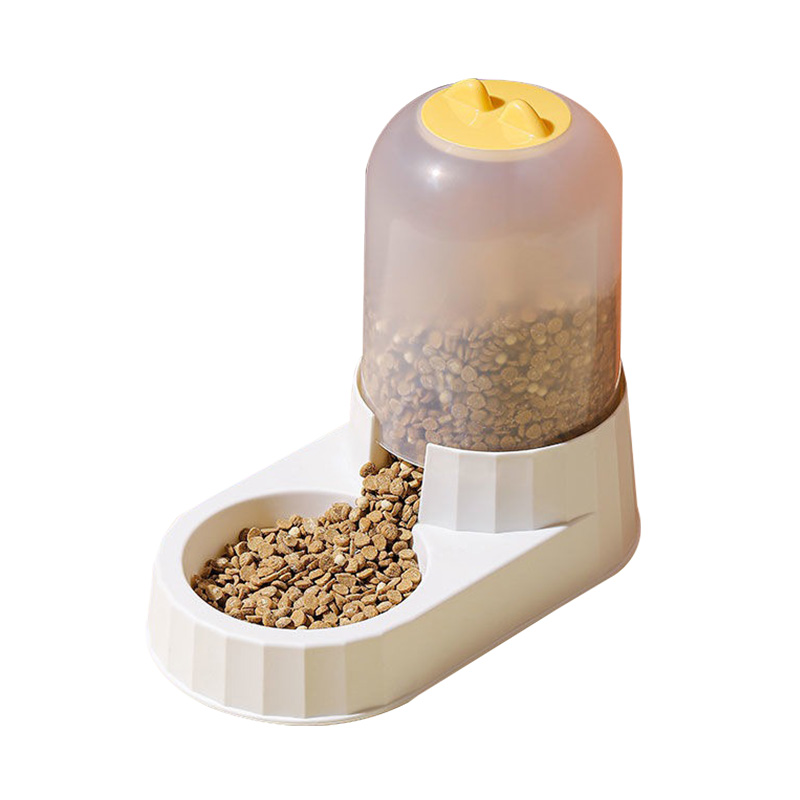
Pet Automatic Water Dispenser
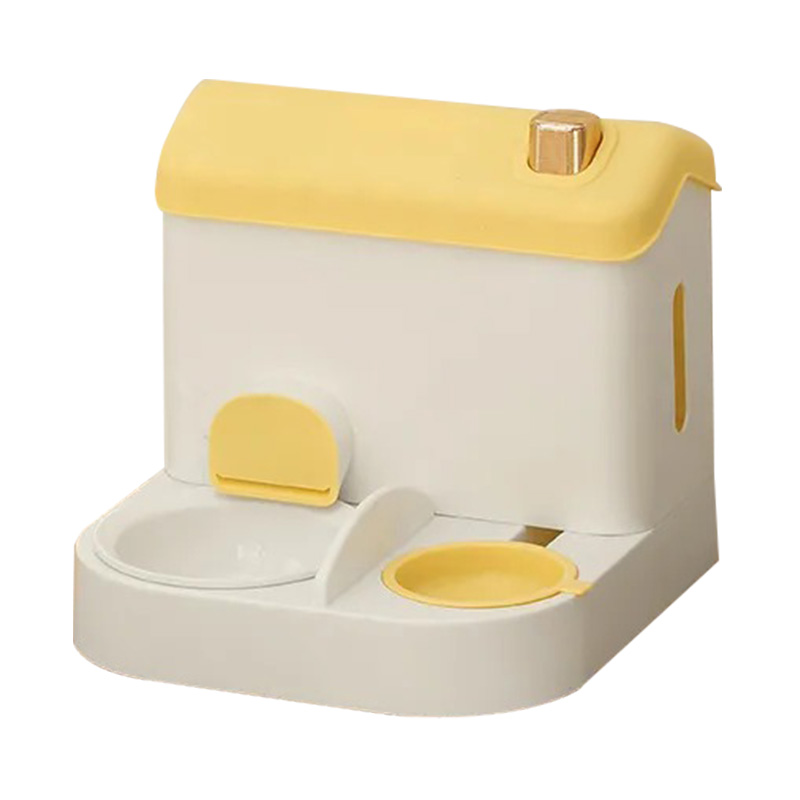
Pet Automatic Water Dispenser
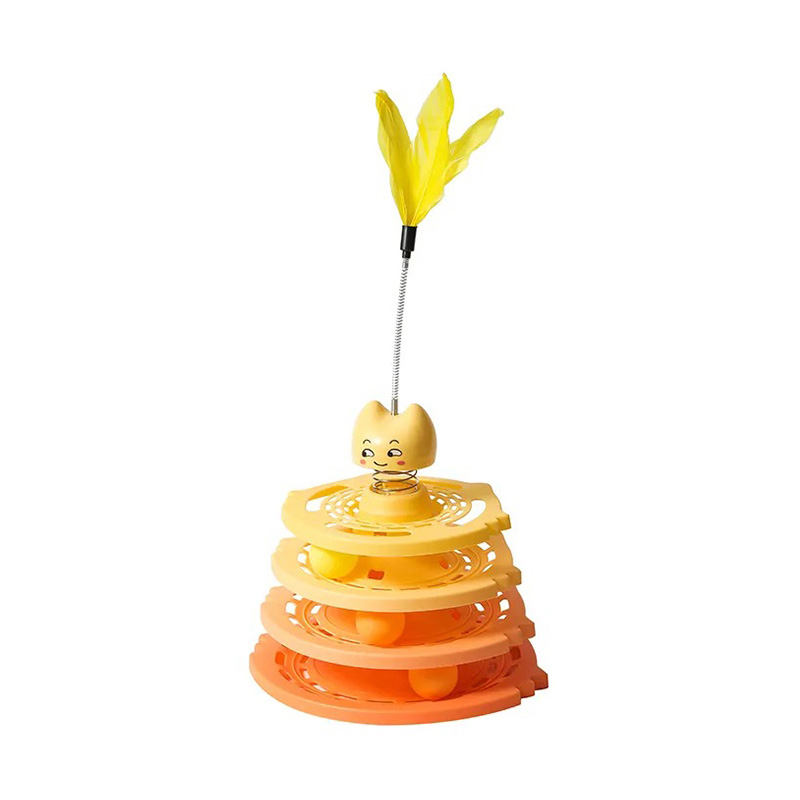
Pet Toy
Cat Scratch Board
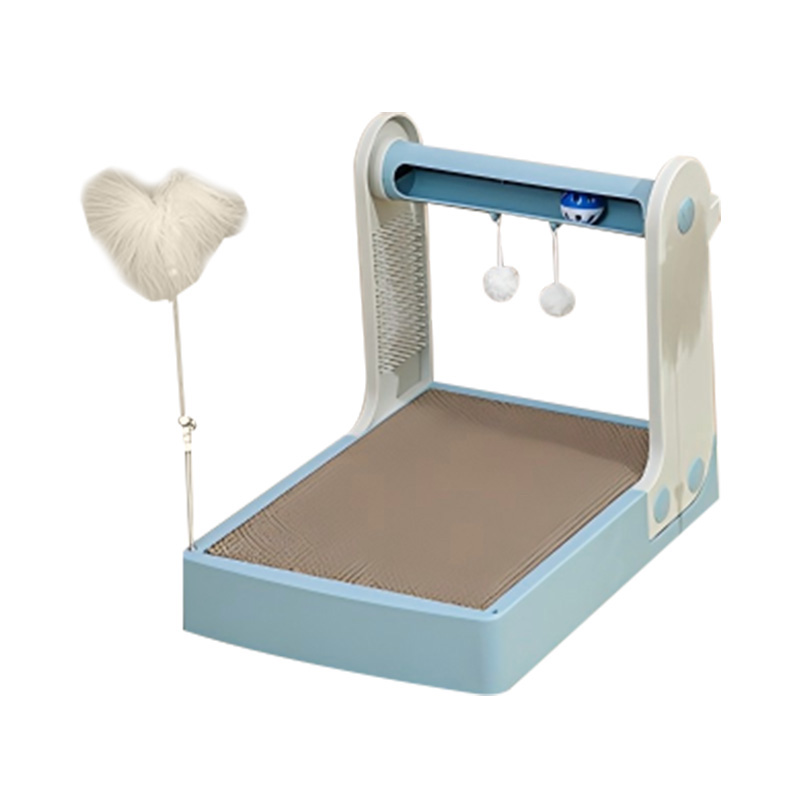
Cat Scratch Board
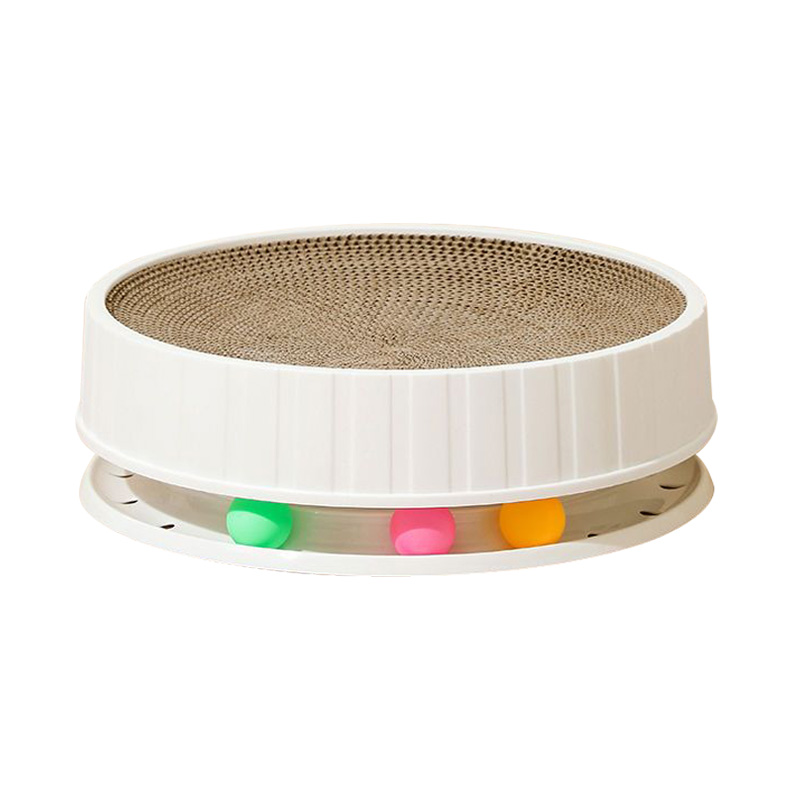
Cat Scratch Board

 +86-18329090387
 [email protected]
 Pukou Village, Xiaoshun Town, Jindong District, Jinhua City, Zhejiang, China
Pet Supplies & Products Factory

 English
 русский
 Español
 Português
 عربى
عربى