
Industry News
Pet care routines often include repeated water refilling, monitoring cleanliness, and checking availability throughout the day. This becomes more noticeable in multi-pet households or during long working hours. A lack of consistent water access can create stress for both pets and owners, especially when routines are interrupted.
An Automatic Drinking Water Feeder addresses this gap by maintaining a steady supply of water without frequent manual intervention. The concept is simple: reduce repetitive tasks while predictably supporting daily hydration habits.
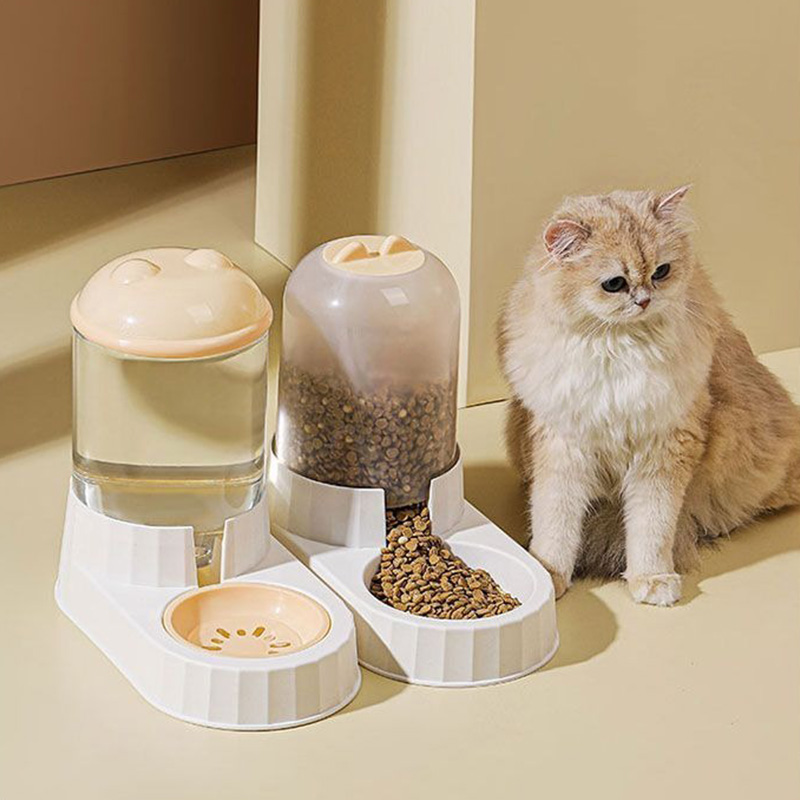
Gravity and Siphon-Based Systems Explained
Most designs rely on gravity-fed or siphon-based mechanisms. These systems regulate water flow naturally, allowing water to refill the bowl as levels decrease. No complex setup is required, which makes them practical for everyday use.
This approach keeps water accessible while limiting overflow or unnecessary waste. For many users, this balance between simplicity and function is a key reason to adopt an Automatic Drinking Water Feeder.
Maintaining Clean and Fresh Water
Water freshness is another concern. Stagnant water can discourage pets from drinking regularly. Many feeder designs include enclosed reservoirs that reduce exposure to dust and debris.
Materials also play a role. Products manufactured using food-grade, BPA-free plastics help maintain water quality while being easy to clean. These design considerations support daily usability without adding complexity.
Material and Build Quality
Durability is often linked to material choice. A well-built feeder resists cracking, deformation, and wear over time. Smooth internal surfaces make cleaning easier and reduce residue buildup.
Factories with structured production processes, such as an Automatic Drinking Water Feeder Factory, typically focus on consistent material sourcing and controlled manufacturing steps. This leads to stable product output across batches.
Capacity and Practical Design
Different pet sizes require different water capacities. Smaller units may suit cats or small animals, while larger reservoirs are more practical for dogs or multi-pet environments.
Design also affects usability. Wide openings for refilling, stable bases to prevent tipping, and transparent tanks for monitoring water levels all contribute to a more user-friendly experience.
Reducing Manual Refilling Frequency
One of the common issues in pet care is the need for constant refilling. An Automatic Drinking Water Feeder reduces this frequency by storing a larger volume of water and dispensing it gradually.
This is particularly useful for people with unpredictable schedules. The feeder acts as a buffer, keeping water available even when attention is elsewhere.
Supporting Hygiene Without Extra Effort
Cleaning routines can become time-consuming when dealing with traditional bowls. Automatic feeders are often designed with detachable components, making them easier to wash and reassemble.
Quality control is not limited to final inspection. It involves material selection, moulding precision, assembly checks, and packaging standards.
An Automatic Drinking Water Feeder is not a complex device, but it addresses a very practical need. It reduces repetitive tasks, supports hydration routines, and simplifies daily care without requiring technical knowledge.
By focusing on usability, material quality, and thoughtful design, manufacturers like Hongda contribute to products that fit naturally into everyday life.
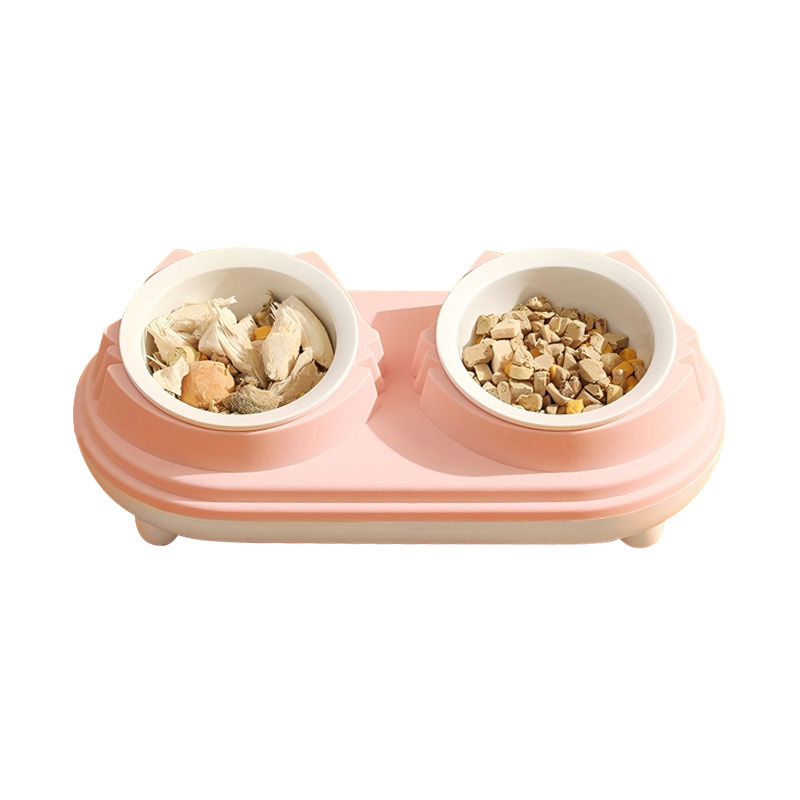
Pet Bowl
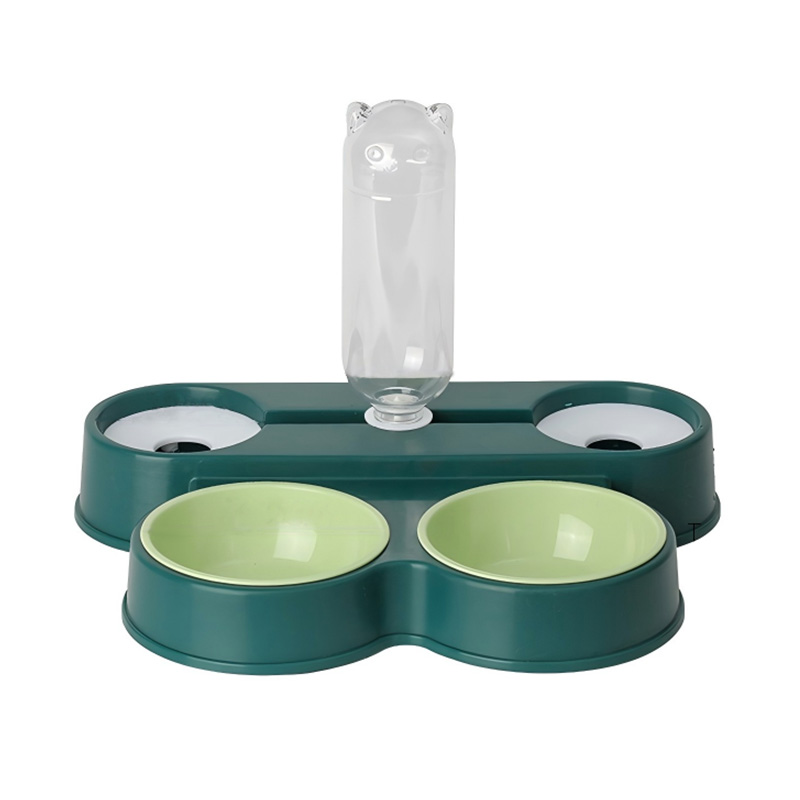
Pet Bowl
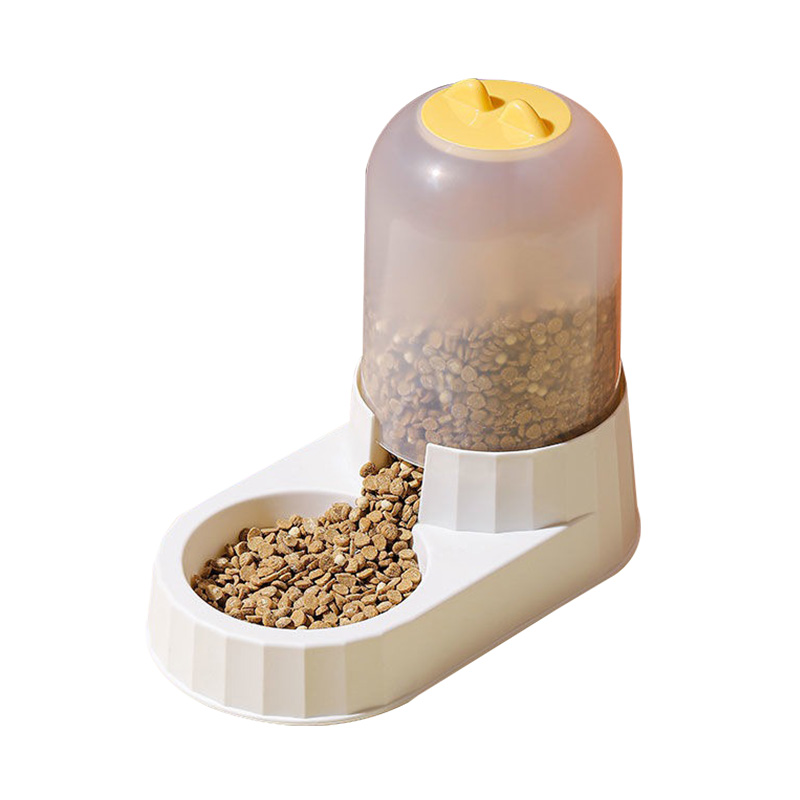
Pet Automatic Water Dispenser
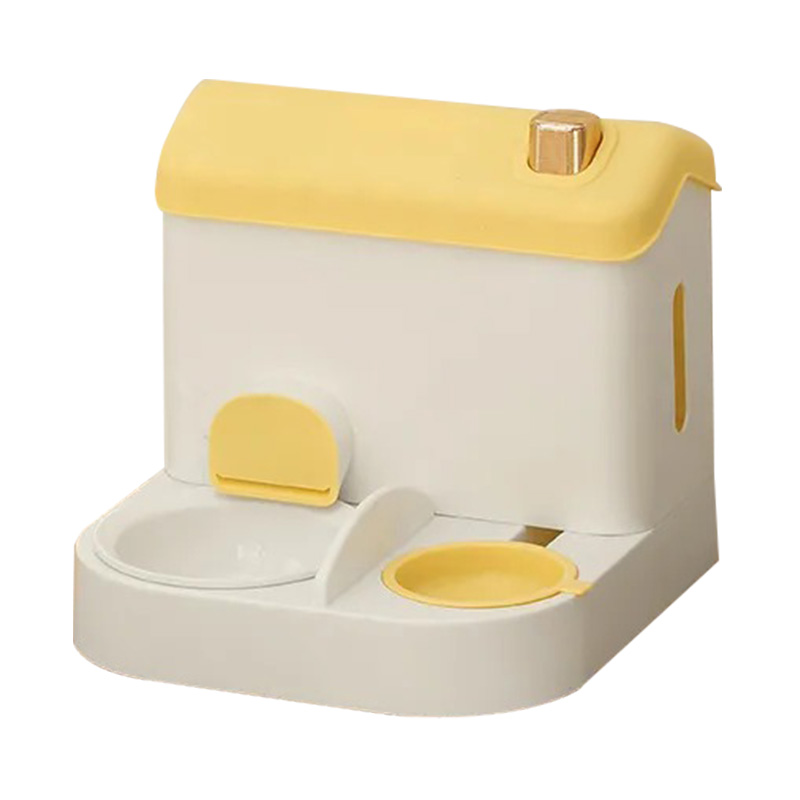
Pet Automatic Water Dispenser
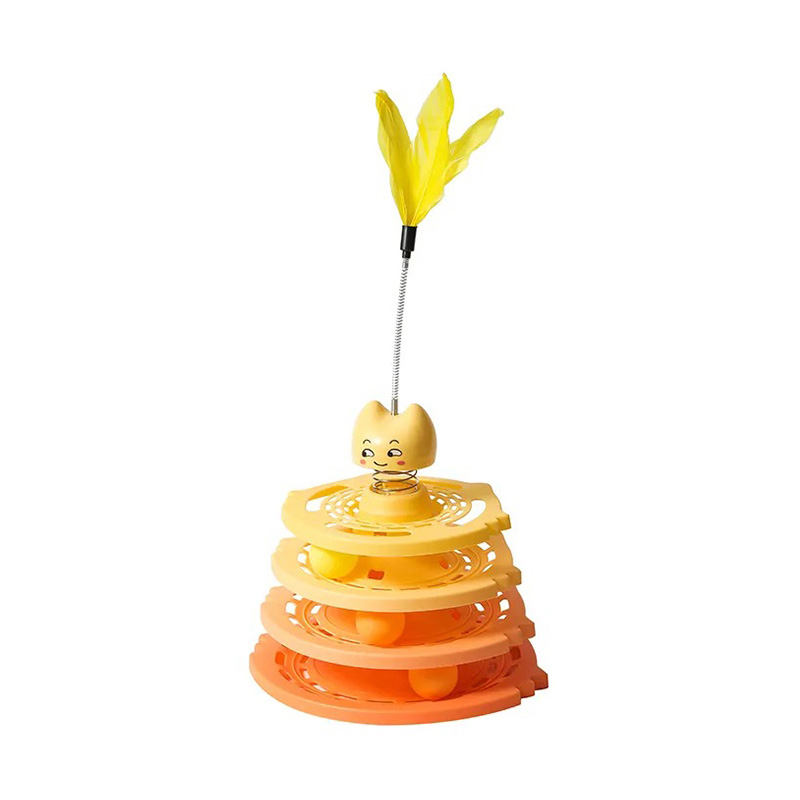
Pet Toy
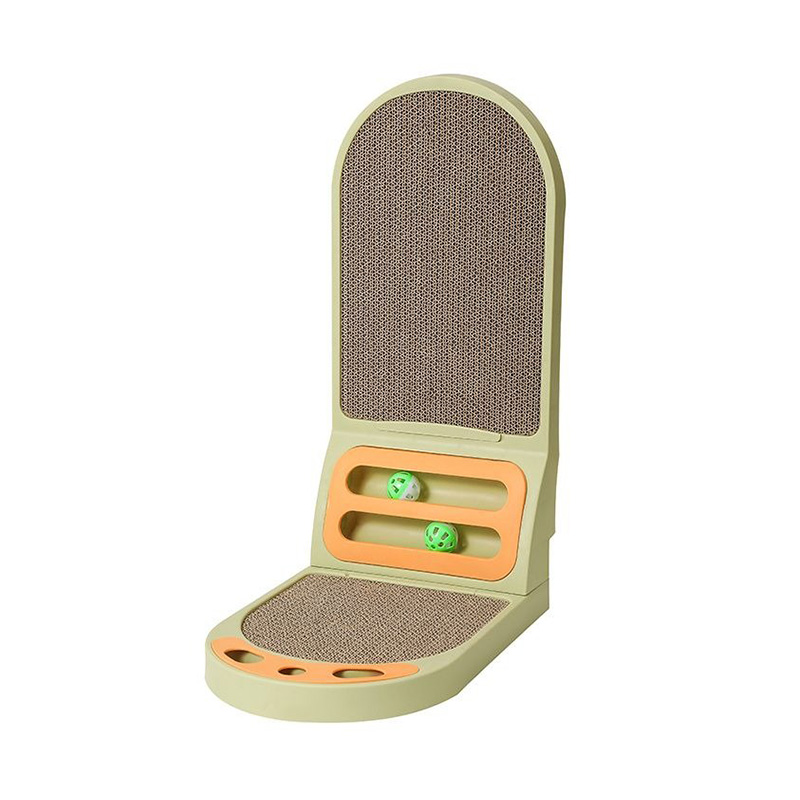
Cat Scratch Board
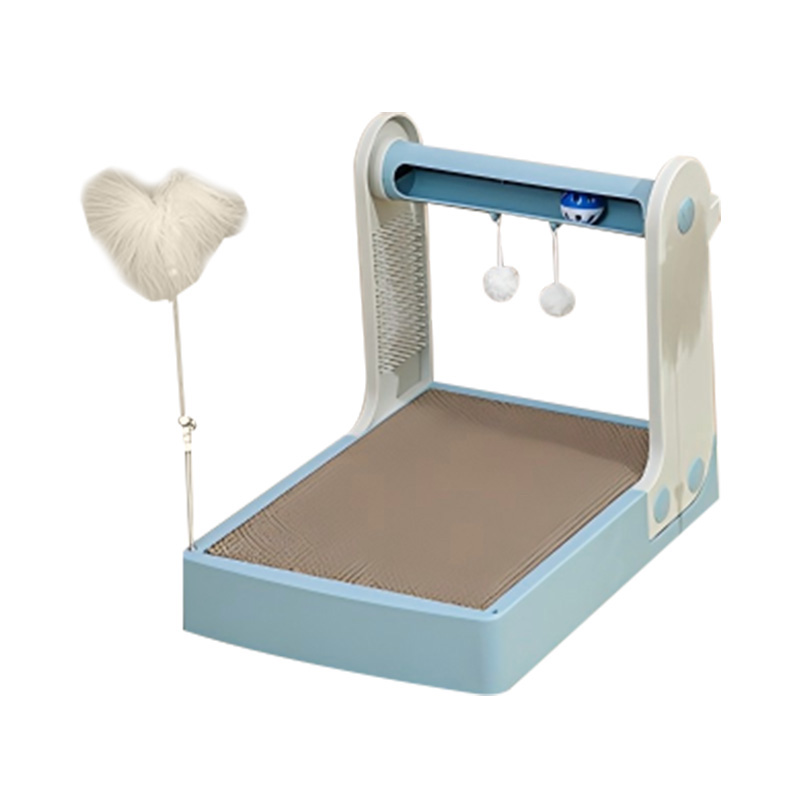
Cat Scratch Board
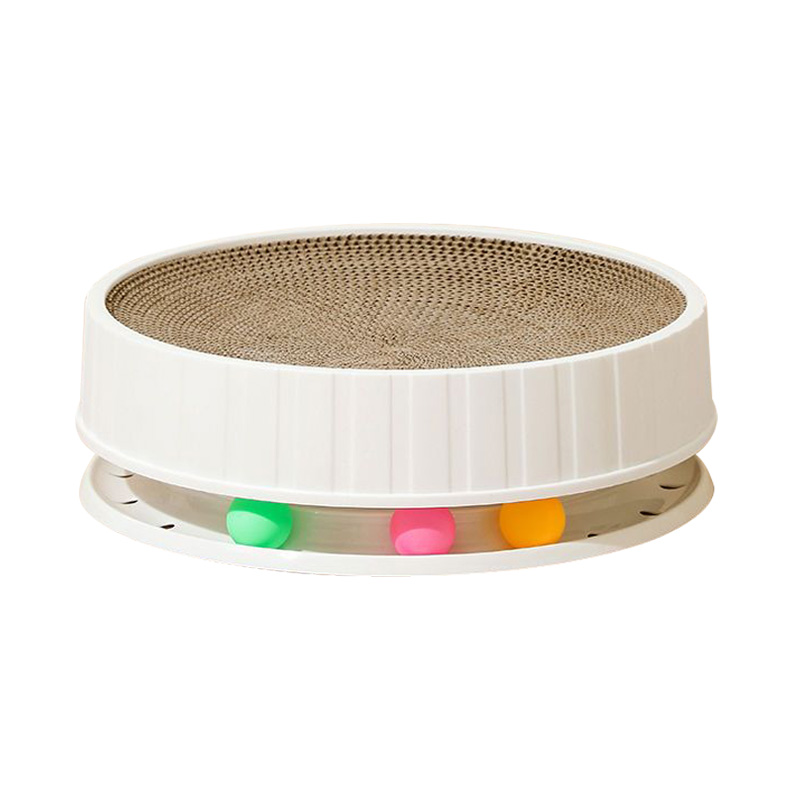
Cat Scratch Board



 +86-18329090387
 [email protected]
 Pukou Village, Xiaoshun Town, Jindong District, Jinhua City, Zhejiang, China
Pet Supplies & Products Factory

 English
 русский
 Español
 Português
 عربى
عربى