
Industry News
Indoor cats often have limited opportunities for movement and stimulation. This can create repetitive behavior patterns and reduced activity levels. Interactive play becomes an important part of daily routines, helping cats stay engaged in a controlled environment.
A Cat Teaser Stick Toy is widely used to simulate prey-like movement, encouraging cats to jump, chase, and react naturally. This type of toy focuses on interaction rather than passive entertainment, which is why it is frequently included in pet product lines.
Motion-Based Engagement Structure
The core idea behind a Cat Teaser Stick Toy is movement. Lightweight rods combined with feather attachments or elastic cords create unpredictable motion patterns. These movements trigger instinctive responses in cats, especially those related to hunting behavior.
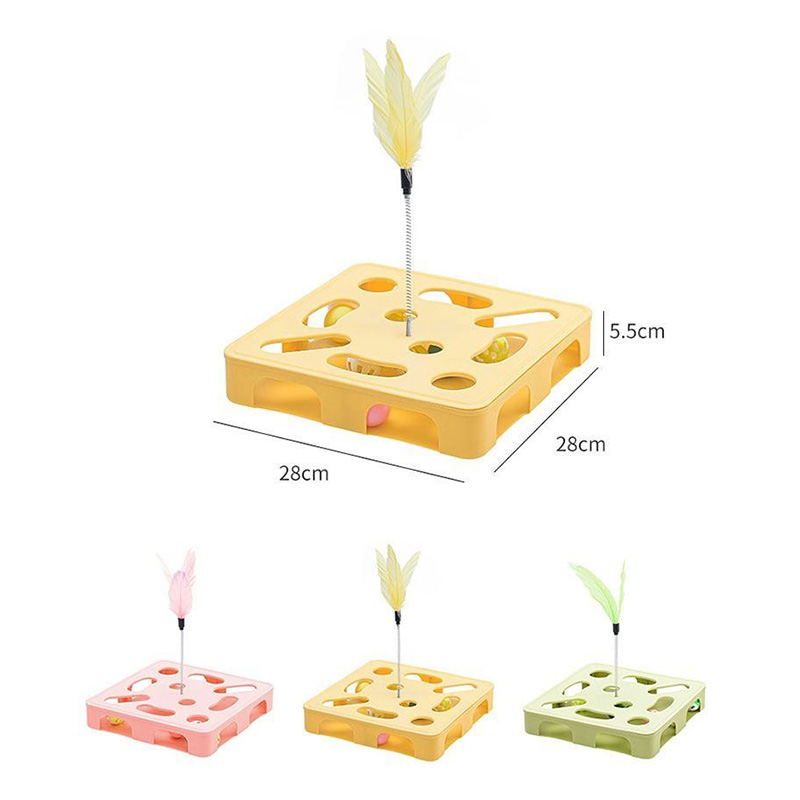
Design variations often include interchangeable attachments, allowing different textures and shapes to maintain interest during play sessions.
Lightweight and Flexible Components
Flexibility plays a key role in usability. A well-designed teaser stick uses materials that bend easily without breaking under repeated movement. Handles are typically designed for a comfortable grip, allowing longer interaction periods between pets and users.
Managing Indoor Boredom
One frequent concern among cat owners is limited stimulation indoors. Without enough activity, cats may become less responsive or develop repetitive habits.
A Cat Teaser Stick Toy provides a simple way to introduce movement-based interaction into daily routines. It does not require setup or additional equipment, making it suitable for regular use.
Encouraging Physical Activity
Cats naturally respond to moving objects. Teaser toys help activate jumping, chasing, and quick directional changes. These movements support daily activity levels without structured training.
In product development, a Cat Teaser Stick Toy Factory often focuses on creating movement effects that mimic natural prey behavior, supporting more engaging interaction.
Non-Toxic and Lightweight Materials
Material choice directly affects durability and usability. Feather elements, fabric strips, and elastic cords are commonly used in production. Handles are usually made from lightweight plastic or reinforced composite materials.
At Hongda, pet toy production focuses on non-toxic material selection to support safe and long-term use across different cat environments.
Structural Durability in Daily Use
Repeated bending and pulling require stable assembly points. Weak joints or poorly attached components can reduce product lifespan. Manufacturing precision becomes important at this stage.
A Cat Teaser Stick Toy Factory typically implements controlled assembly processes to maintain consistency across batches, especially for OEM orders.
Replaceable Toy Attachments
Many teaser sticks are designed with detachable ends. This allows different shapes or textures to be swapped without replacing the entire stick. It also keeps play sessions varied over time.
This modular approach is commonly used in modern pet toy development to maintain user engagement without changing the core product structure.
Multi-Sensory Elements
Visual movement, light, sound, and texture variation all contribute to engagement. Feather-like materials simulate motion, while crinkle textures or soft fabrics add additional sensory response.
A Cat Teaser Stick Toy Factory often explores different combinations of these elements to meet diverse market needs.
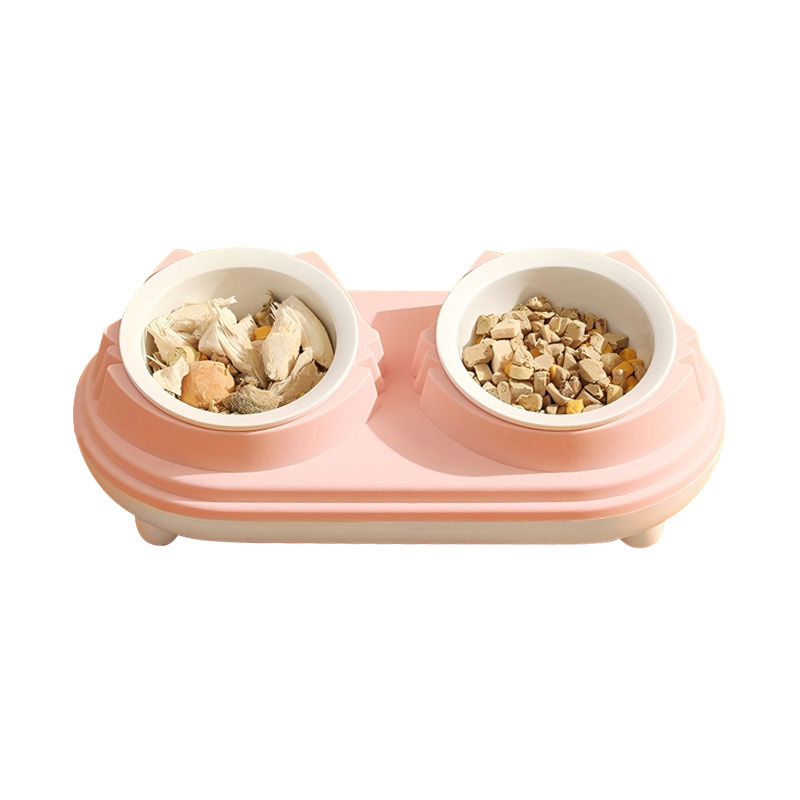
Pet Bowl
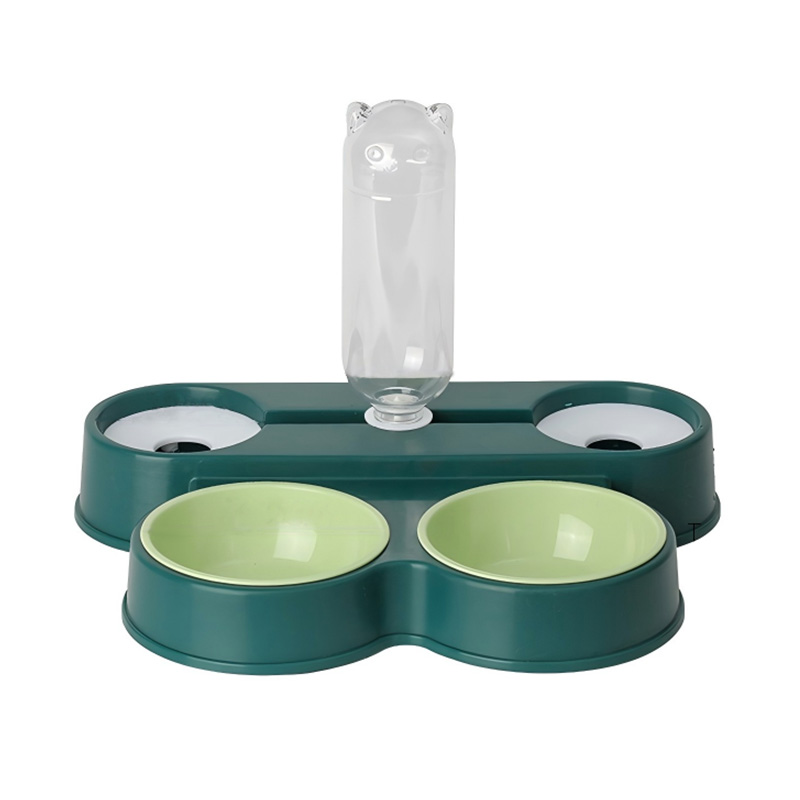
Pet Bowl
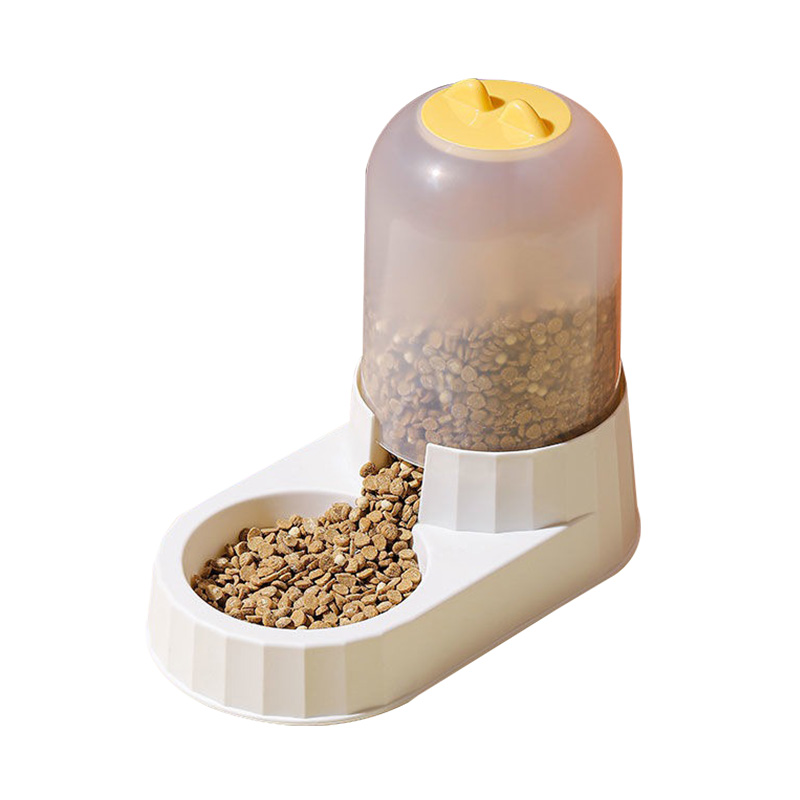
Pet Automatic Water Dispenser
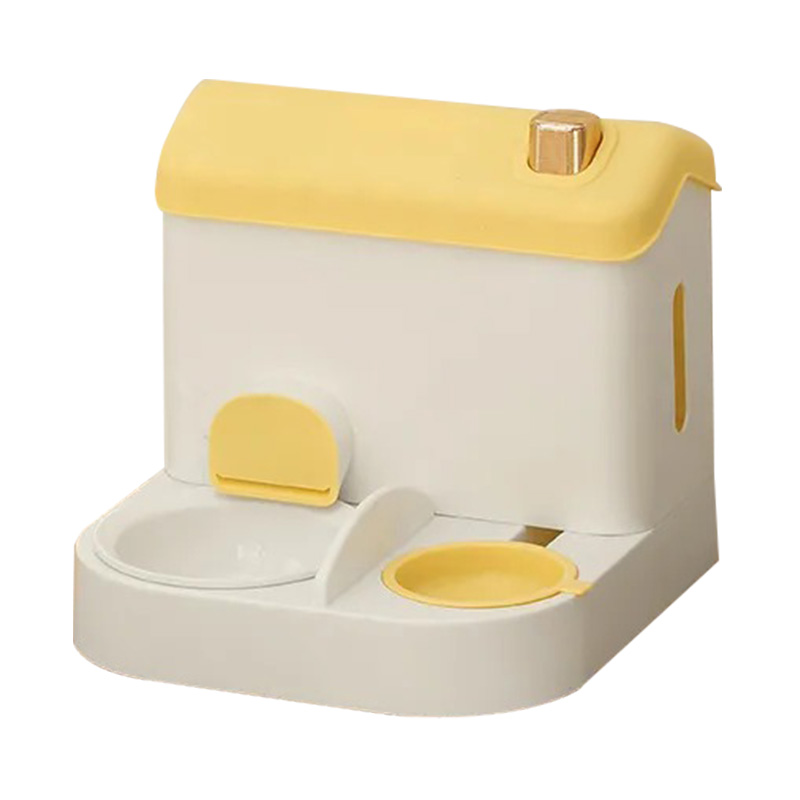
Pet Automatic Water Dispenser
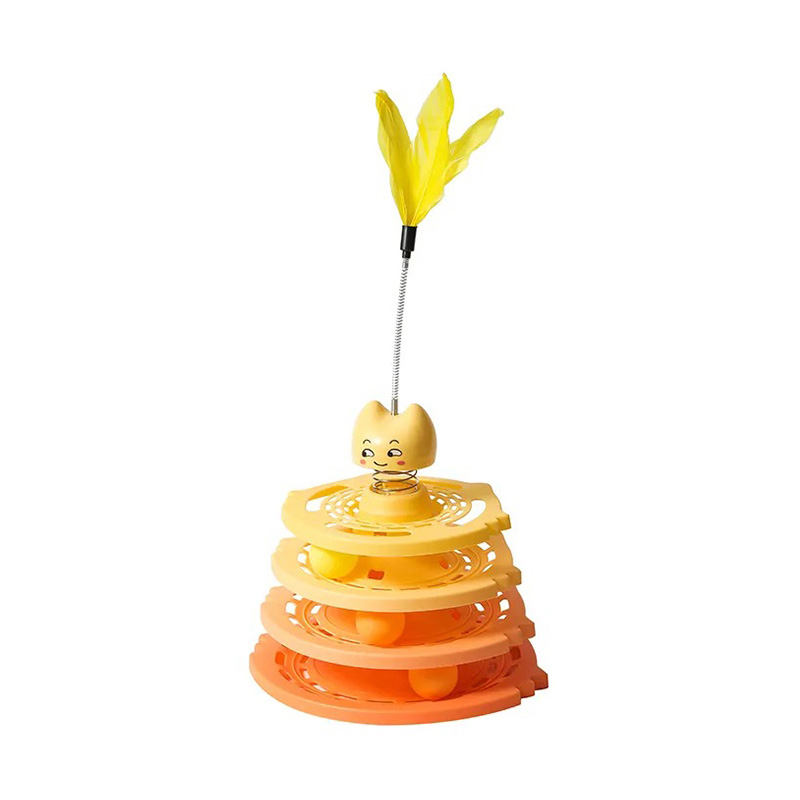
Pet Toy
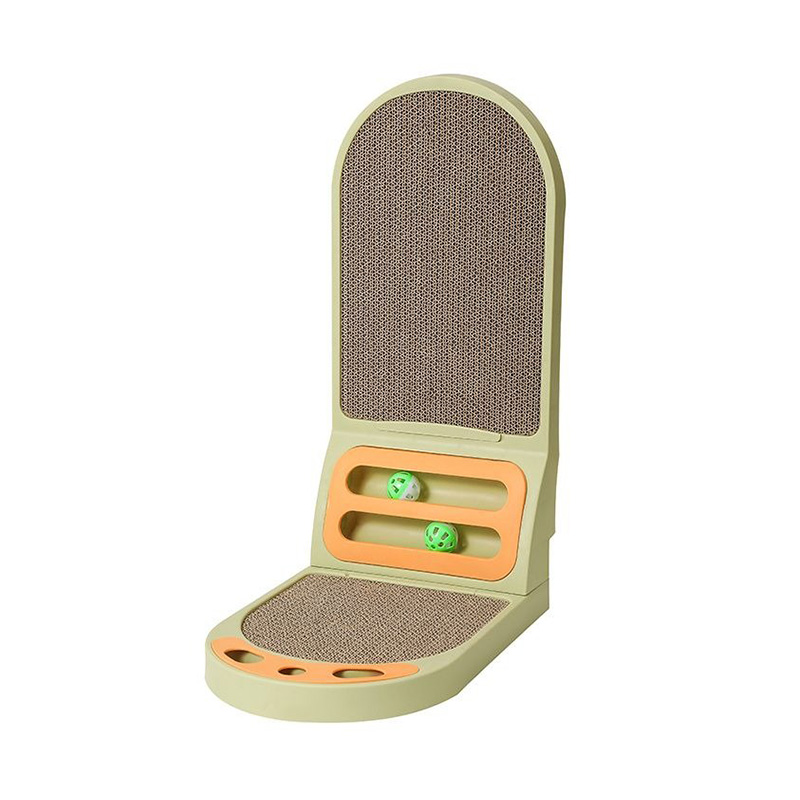
Cat Scratch Board
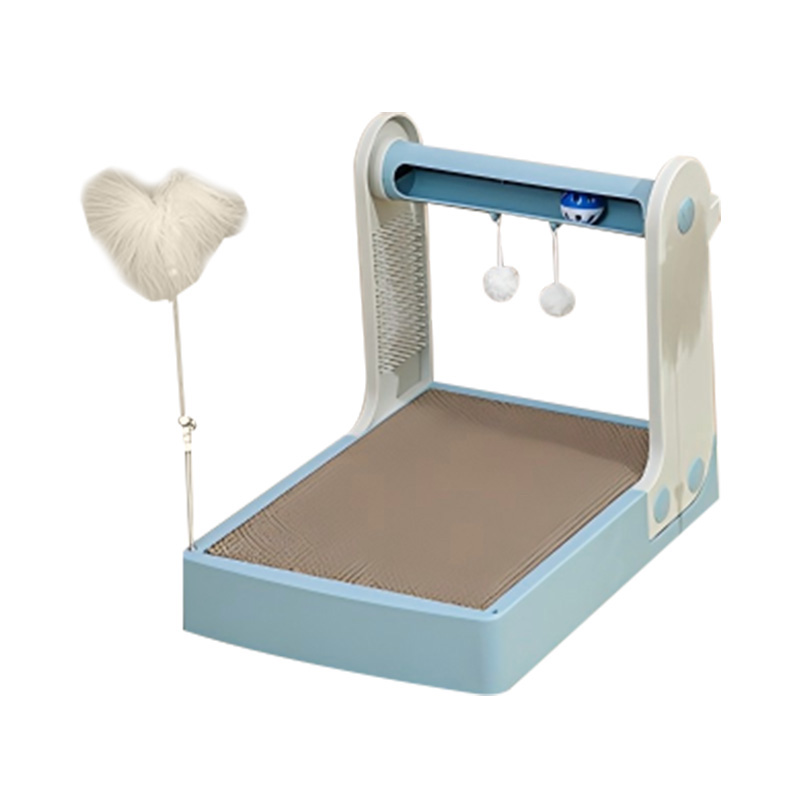
Cat Scratch Board
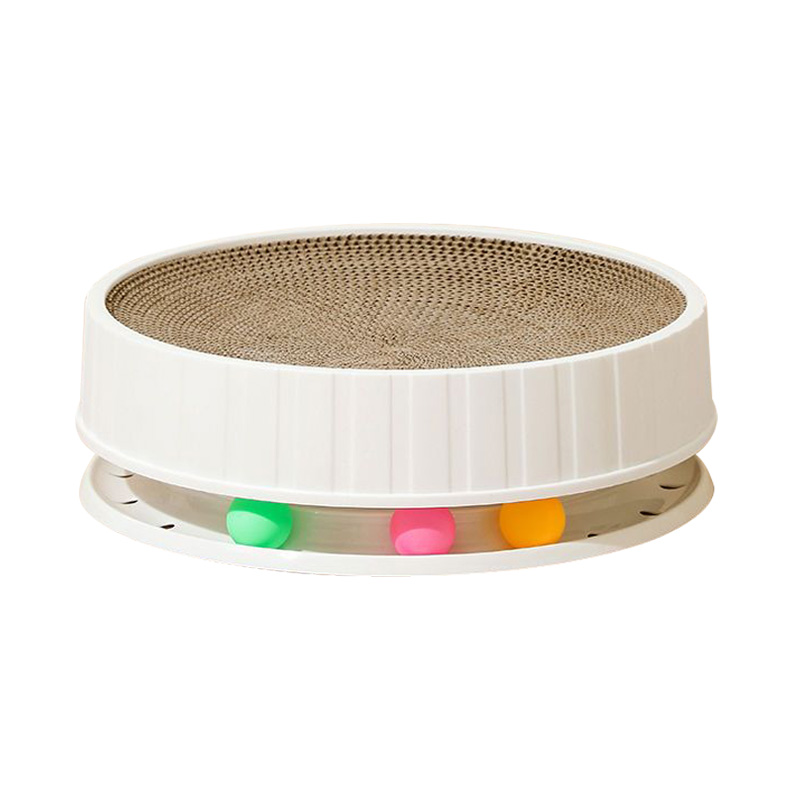
Cat Scratch Board



 +86-18329090387
 [email protected]
 Pukou Village, Xiaoshun Town, Jindong District, Jinhua City, Zhejiang, China
Pet Supplies & Products Factory

 English
 русский
 Español
 Português
 عربى
عربى