
Industry News
Automation in pet care equipment reflects broader trends in consumer product engineering, where convenience, dosing consistency, and hygiene considerations intersect. Automatic waterers and feeders are widely used in residential and commercial pet environments, particularly when caretakers need to regulate supply intervals or maintain resource availability during absences. While these systems can improve logistical efficiency, they also introduce operational considerations involving safety, maintenance, and animal behavior. The following discussion examines the working mechanisms of automatic dog waterers, evaluates potential risks related to overconsumption, presents structured cleaning procedures for automatic feeders, and reviews advantages and disadvantages associated with automated water dispensing systems.
Automatic dog waterers are designed to maintain a stable water supply through mechanical or electromechanical regulation. Basic gravity-fed models rely on hydrostatic pressure principles. A reservoir tank inverted over a bowl releases water until the bowl reaches a predefined level, at which point air pressure equilibrium halts further flow. When the water level decreases due to consumption, air enters the reservoir, allowing additional water to dispense. This system operates without electrical components and requires minimal calibration.
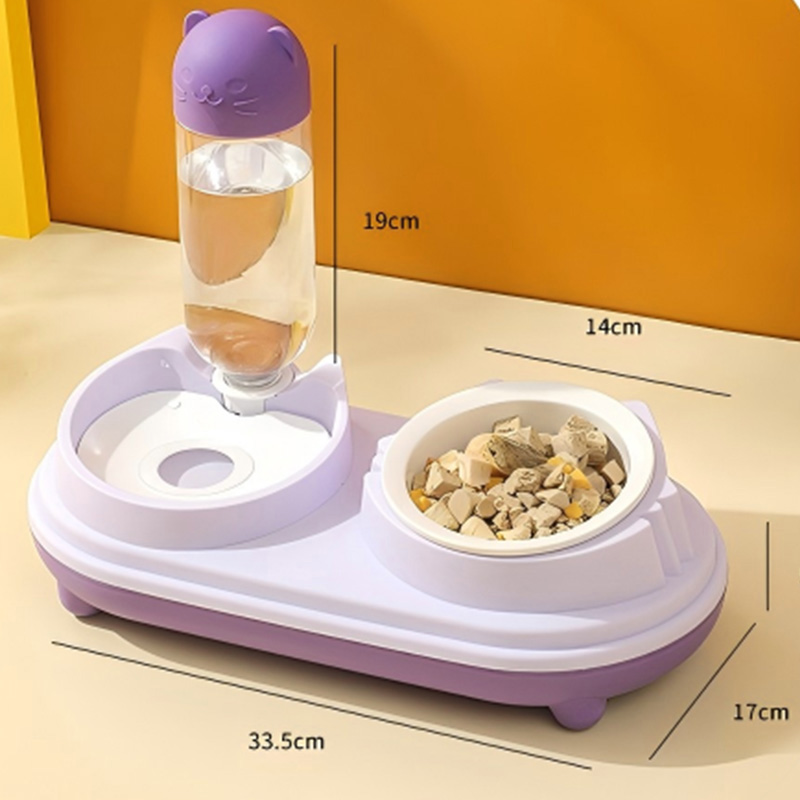
More advanced devices employ pumps and sensors. Float valves, capacitive sensors, or optical level detectors monitor fluid height within the basin. When the level falls below a programmed threshold, a microcontroller activates a pump to replenish water from the reservoir. Circulating models continuously move water through filters to remove particulates and may include carbon filtration to manage odor or taste characteristics.
Electrical variants may incorporate timing circuits, consumption monitoring, or app-based telemetry to provide usage data. Regardless of configuration, the underlying engineering objective remains maintaining accessible hydration while limiting overflow or stagnation through controlled delivery mechanisms and reservoir containment.
Water intoxication, also termed dilutional hyponatremia, occurs when excessive intake dilutes electrolyte concentrations in bodily fluids. Automatic waterers themselves do not directly induce this condition; however, unrestricted access combined with behavioral factors could contribute to elevated consumption in certain scenarios.
Dogs experiencing anxiety, boredom, or metabolic disorders may drink beyond physiological requirements. Continuous-flow dispensers that stimulate play-like interaction might also encourage repeated engagement with water streams. While animals self-regulate intake through internal homeostatic cues, deviations can occur. Monitoring behavioral changes, urine frequency, or lethargy helps identify potential overconsumption patterns.
Preventive measures include selecting waterers with controlled flow rates rather than highly dynamic circulation, observing consumption trends during initial deployment, and consulting veterinary professionals if unusual patterns arise. Devices that track volume usage can assist in identifying anomalies over time. Ultimately, the risk profile relates more to animal-specific behavioral or medical variables than to the dispensing mechanism itself, but informed oversight remains appropriate when introducing automated hydration equipment.
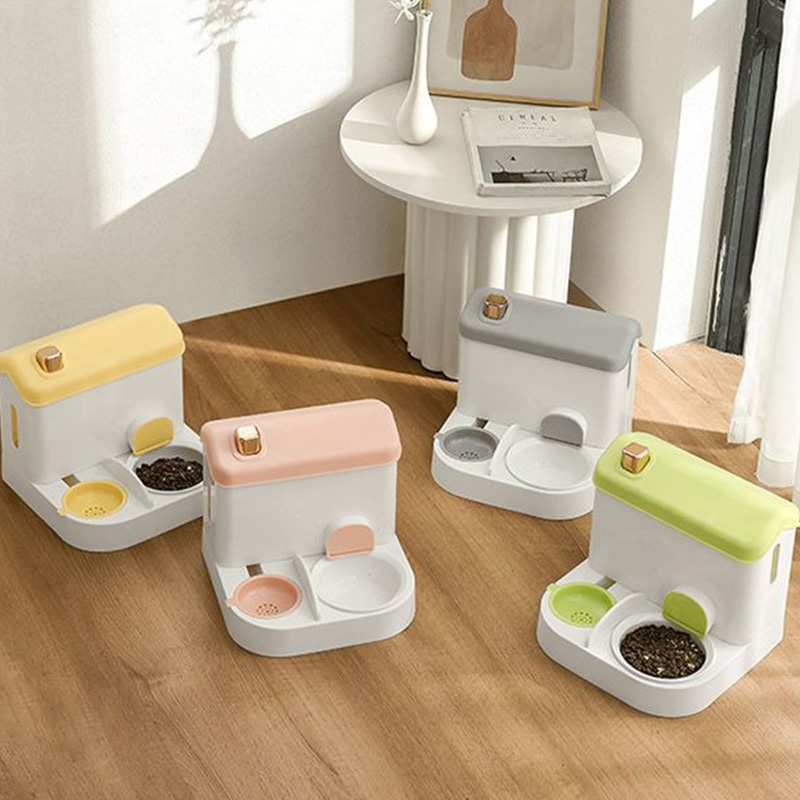
Routine sanitation of automatic feeders supports mechanical reliability and reduces microbial accumulation. The table below outlines procedural steps, associated rationale, and recommended frequency guidelines. Word count requirements are met through expanded descriptive content accompanying each step.
|
Procedure Description |
Purpose and Technical Considerations |
Suggested Frequency |
|
Disconnect the feeder from power sources and remove batteries if present. Disassemble detachable components such as lids, bowls, and dispensing chutes according to manufacturer documentation. |
Electrical isolation prevents accidental motor activation during handling. Component separation allows access to food-contact surfaces and prevents moisture intrusion into circuitry. Careful disassembly maintains alignment tolerances for reassembly. |
Before each deep cleaning cycle |
|
Empty residual kibble or wet food and discard fragments lodged within augers or compartments. Use a dry brush or soft tool to remove particulate debris from corners and seams. |
Food remnants promote microbial growth and can interfere with mechanical dosing accuracy. Mechanical clearing avoids introducing moisture prematurely and helps preserve material integrity in sensitive zones. |
After each feeding cycle or weekly |
|
Wash removable food-contact components using warm water and neutral detergent. Apply non-abrasive sponges to avoid surface scoring. Rinse thoroughly to eliminate detergent residues. |
Surfactants break down lipid films and biofilm formation. Avoiding abrasive tools maintains surface smoothness, reducing future residue adhesion. Residual detergent could affect food palatability or safety. |
Weekly or more frequently with moist food |
|
Sanitize components with diluted food-safe disinfectant or thermal rinse where materials permit. Allow adequate contact time based on solution guidelines. |
Targeted sanitation reduces bacterial load beyond routine washing. Observing material compatibility prevents polymer deformation or corrosion. |
Periodically, depending on usage intensity |
|
Air-dry components fully before reassembly. Wipe external housing with slightly damp cloth while avoiding electronic openings. |
Moisture retention encourages microbial regrowth and may damage electronics. Controlled drying ensures operational reliability. |
After each cleaning session |
|
Reassemble feeder, restore power, and run a test cycle without food to confirm mechanical alignment and dosing consistency. |
Functional verification ensures proper seating of parts and confirms absence of obstruction or motor irregularities before returning to service. |
After each reassembly |
This structured approach integrates sanitation with operational verification, supporting equipment longevity and food safety compliance within domestic environments.
Automatic water dispensers present a mixed profile of logistical benefits and operational constraints. From an advantages perspective, these devices maintain hydration availability when caregivers are absent, reducing scheduling dependency. Continuous supply can stabilize intake routines, particularly in multi-pet environments where resource competition may occur. Circulation and filtration features help limit particulate accumulation and maintain visual clarity of water, factors that can influence animal acceptance.
Measurement-enabled models provide consumption tracking, supporting health monitoring through longitudinal data review. Materials engineering improvements have also produced units with modular reservoirs and antimicrobial polymers, facilitating maintenance. Spatial organization benefits may arise as integrated systems consolidate bowls and reservoirs into compact footprints suitable for residential layouts.
However, disadvantages require consideration. Electrical units introduce reliance on power continuity, and pump mechanisms add acoustic output that may affect noise-sensitive animals. Maintenance obligations increase relative to static bowls, as filters require periodic replacement and internal channels accumulate deposits over time. Mechanical malfunction or sensor error could interrupt supply until corrected.
Behavioral responses vary among animals; some may initially resist unfamiliar devices or interact unpredictably with moving water elements. Cost structure represents another factor, as acquisition and replacement components may exceed traditional bowl expenses. Environmental impact related to disposable filters and electronic waste may also influence procurement decisions within sustainability-conscious contexts.
Evaluating these advantages and disadvantages requires contextual analysis of household patterns, pet behavior, and maintenance capacity. Automated dispensers can integrate effectively into care routines when selected and managed with attention to their mechanical and behavioral implications.
Automatic feeding and watering technologies exemplify the application of mechanical regulation and sensor-based control to companion animal care. Understanding their functional principles, monitoring potential behavioral outcomes, maintaining sanitation through structured cleaning practices, and weighing operational trade-offs contributes to informed adoption. Through systematic evaluation, these devices can be integrated into pet management strategies in a manner that balances convenience, safety, and equipment reliability over extended usage periods.
Having a pet is like having a loyal friend forever. Whether it is the cheerful barking when you get home from get off work or the expectant look in their eyes when you stay in bed on weekends, it can make you feel happy instantly. The liveliness and cuteness of pets are undoubtedly a great source of happiness in our lives.
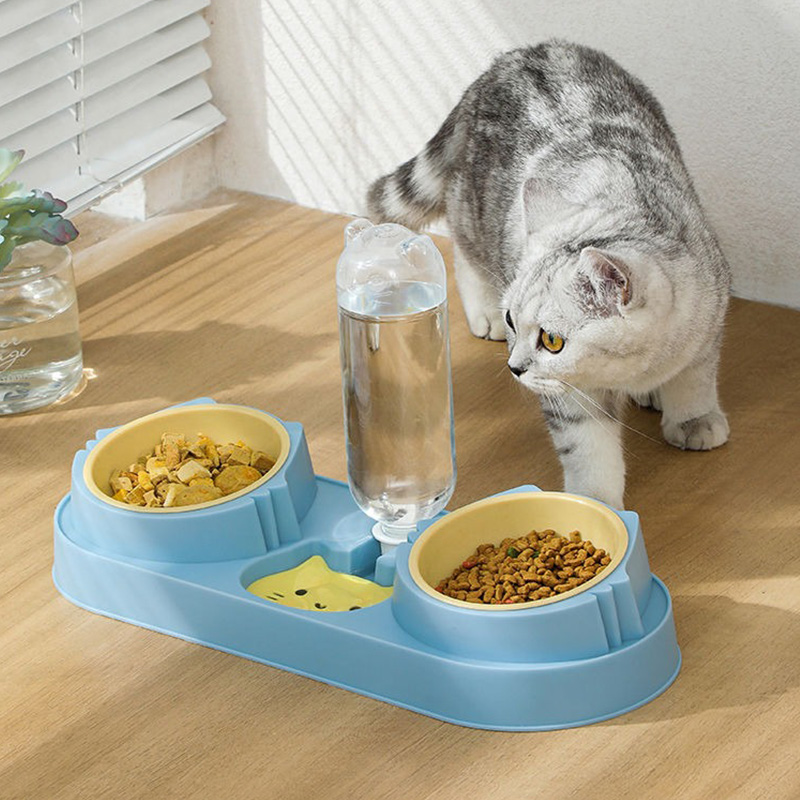
Dog owners know that walking the dog every morning and evening is actually a great opportunity for outdoor exercise. Walking with pets in parks and streets can not only breathe fresh air and enjoy the beautiful scenery, but also improve physical fitness without knowing it. For friends who have cats, interacting with cats can also promote the flexibility of fingers!
Studies have shown that getting along with pets can reduce the body's stress level and relieve tension. When you feel anxious or tired, the company of pets is like a good medicine, which can make you forget your troubles temporarily and immerse yourself in their innocent world.
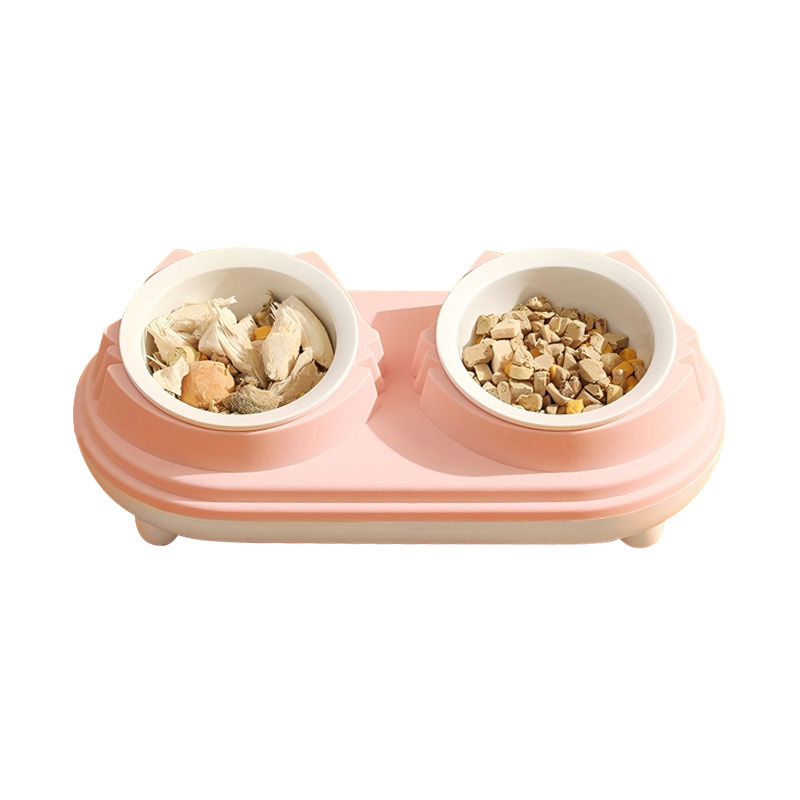
Pet Bowl
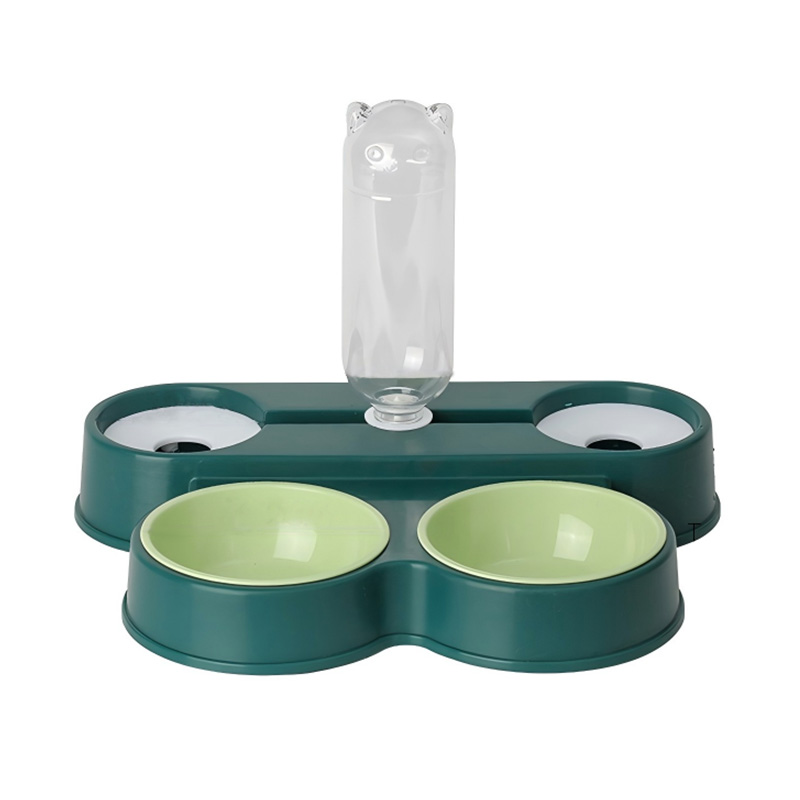
Pet Bowl
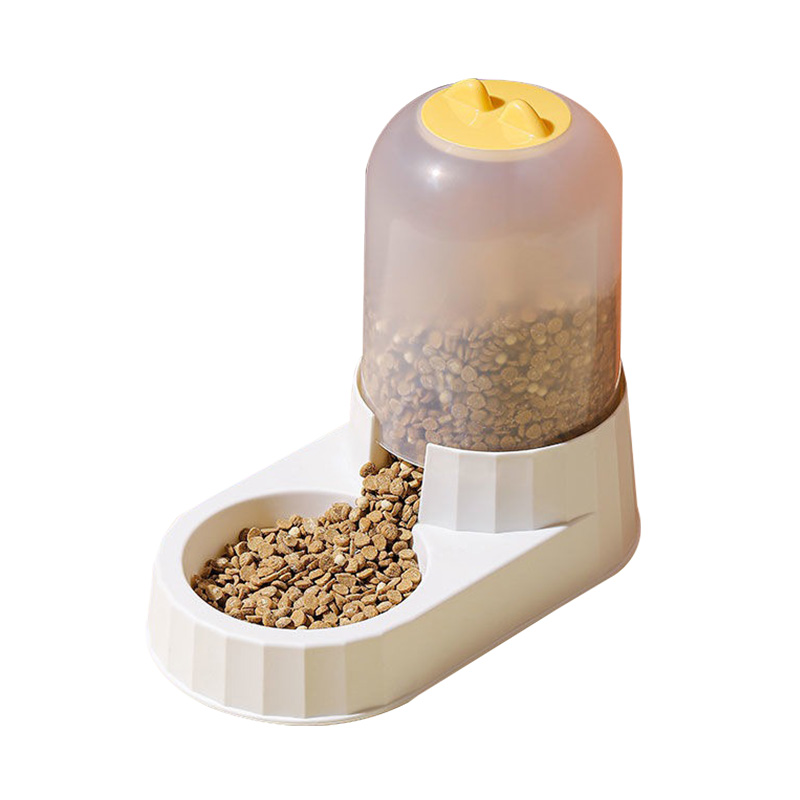
Pet Automatic Water Dispenser
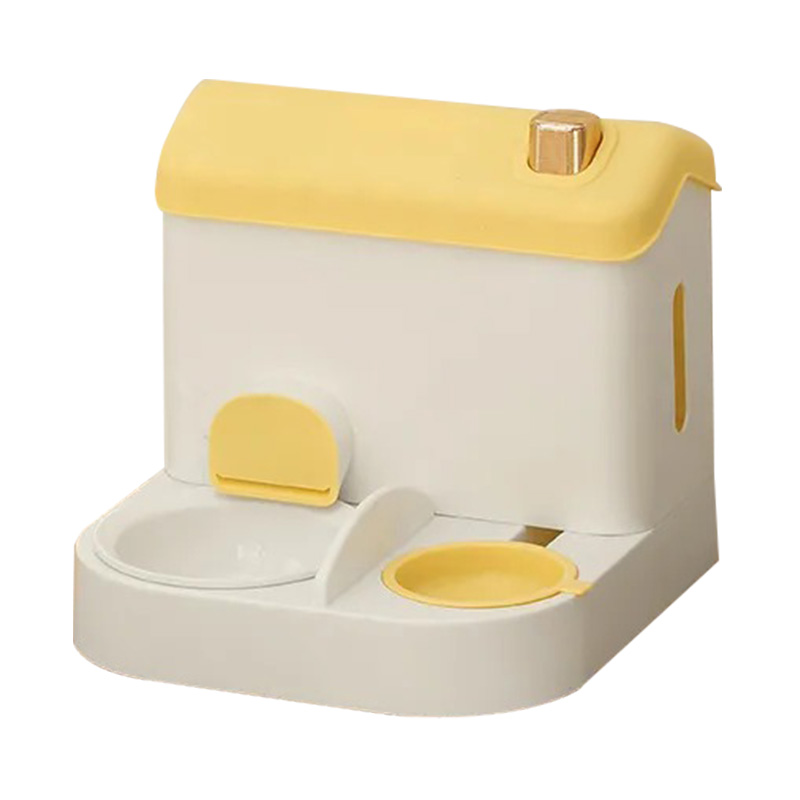
Pet Automatic Water Dispenser
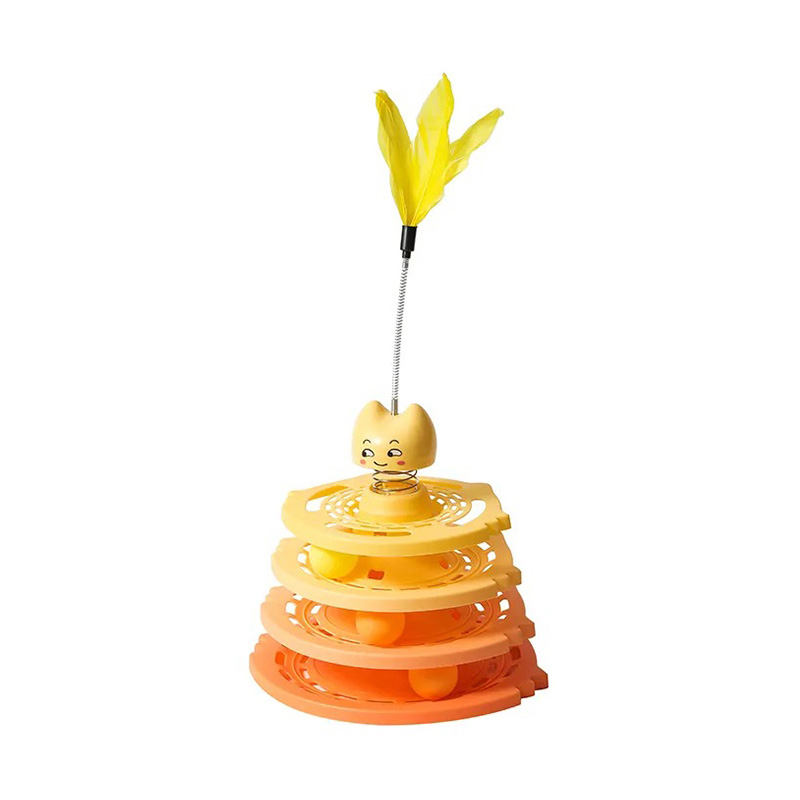
Pet Toy
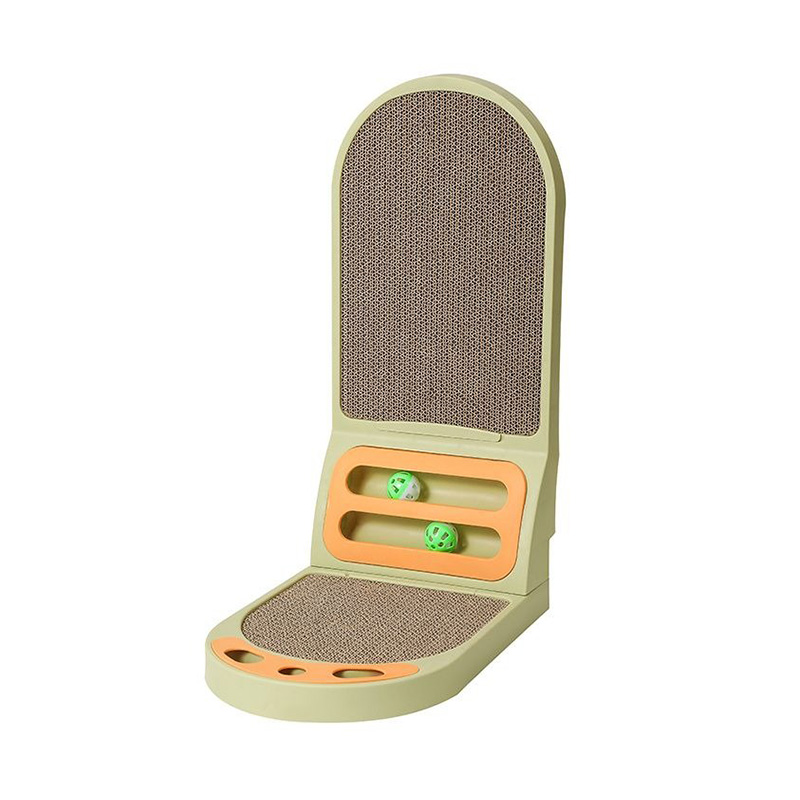
Cat Scratch Board
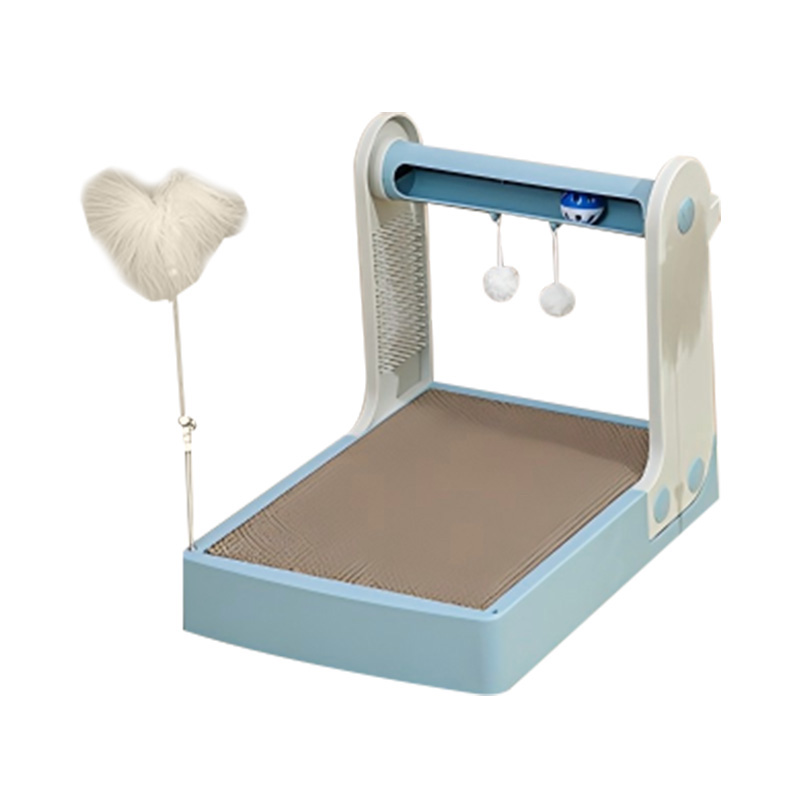
Cat Scratch Board
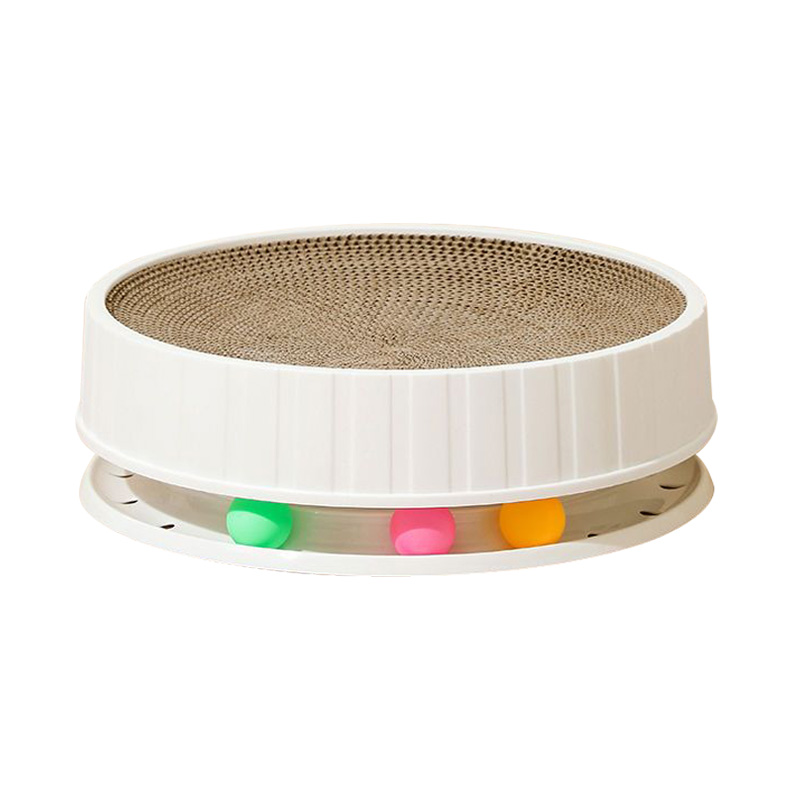
Cat Scratch Board



 +86-18329090387
 [email protected]
 Pukou Village, Xiaoshun Town, Jindong District, Jinhua City, Zhejiang, China
Pet Supplies & Products Factory

 English
 русский
 Español
 Português
 عربى
عربى