
Industry News
Indoor pet care often requires structured solutions for hygiene management. Puppies and small dogs especially need controlled environments during training stages. Without proper tools, cleaning routines can become repetitive and time-consuming.
A Plastic Dog Toilet is commonly used in indoor settings to provide a designated area for pets. It helps define boundaries for pets while supporting daily hygiene routines in homes, apartments, and training environments.
Elevated Edge Structure for Spill Control
One of the key design elements in a Plastic Dog Toilet is the raised edge structure. This feature helps contain liquid within the tray area, reducing overflow during use.
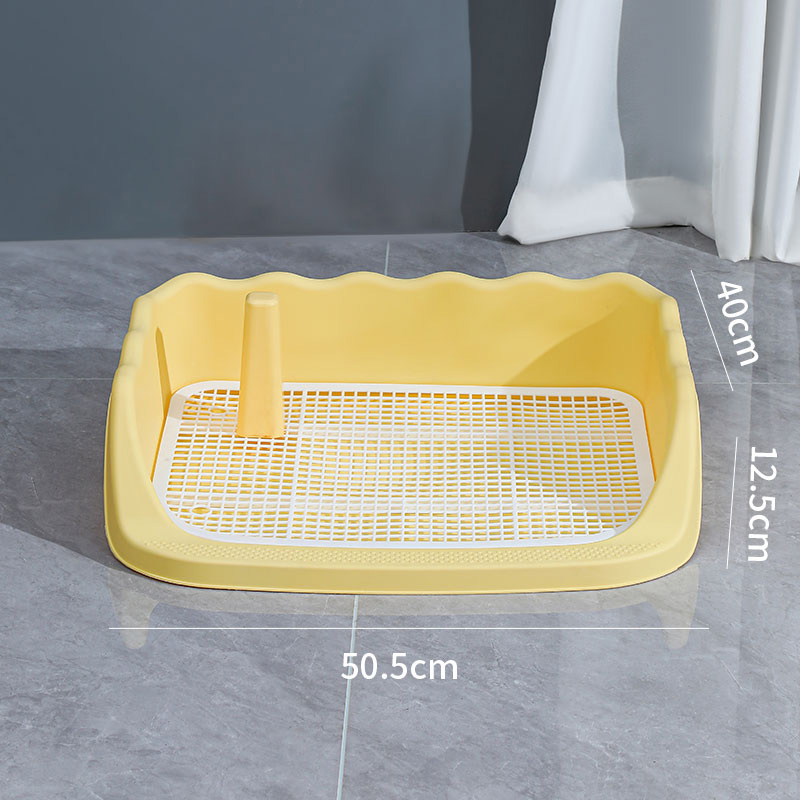
The height of the edges is designed to match common pet behavior patterns, especially for male dogs that may lift their legs during urination. This structural detail improves usability without adding complexity.
Thickened Base for Stability
A stable base reduces movement during use. Many designs incorporate reinforced bottom layers to support weight distribution and prevent shifting.
At Hongda, production focuses on structural reinforcement through controlled molding techniques. A Plastic Dog Toilet Factory typically evaluates base thickness to maintain consistent performance across production batches.
Managing Indoor Accidents
One of the main concerns for pet owners is accidental indoor mess. Without a defined area, cleaning becomes unpredictable and frequent.
A Plastic Dog Toilet provides a consistent location for pets to develop routine behavior. This reduces scattered cleaning tasks and supports more organized indoor environments.
Simplifying Daily Cleaning
Cleaning convenience is another important factor. Smooth surface design allows waste to be washed away without residue buildup. Materials such as PP plastic help reduce odor retention and support quick rinsing.
A Plastic Dog Toilet Factory often prioritizes mold design that avoids complex corners where dirt can accumulate.
Non-Toxic PP Material Usage
Most products are made from PP material due to its balance of durability and lightweight properties. It also performs well under repeated washing conditions.
Hongda uses controlled material selection processes to maintain consistency in production. This ensures that each Plastic Dog Toilet maintains similar structural characteristics across batches.
Anti-Slip Base Design
Movement during use can reduce product effectiveness. Anti-slip bases help keep the tray stable on smooth indoor floors.
This feature is especially relevant for small apartments where flooring surfaces vary. Stability contributes to predictable product behavior during daily use.
Grid and Mesh Top Options
Some models include grid-style tops that separate pets from direct contact with waste. This design helps keep paws dry and reduces tracking issues.
Different households may prefer open or grid-based layouts depending on cleaning routines and pet behavior patterns.
Size Adaptation for Pet Growth Stages
Different dog sizes require different tray dimensions. Puppies may use smaller trays, while larger breeds require wider surface areas.
Hongda operates structured production lines focused on repeatable output quality. As a Plastic Dog Toilet Factory, the workflow includes material inspection, molding calibration, and assembly verification.
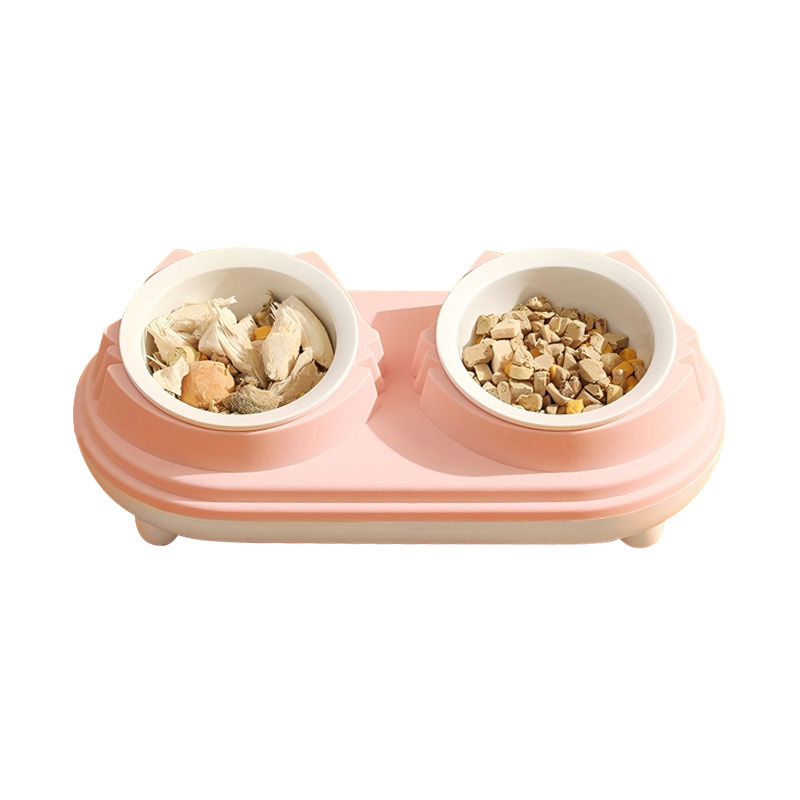
Pet Bowl
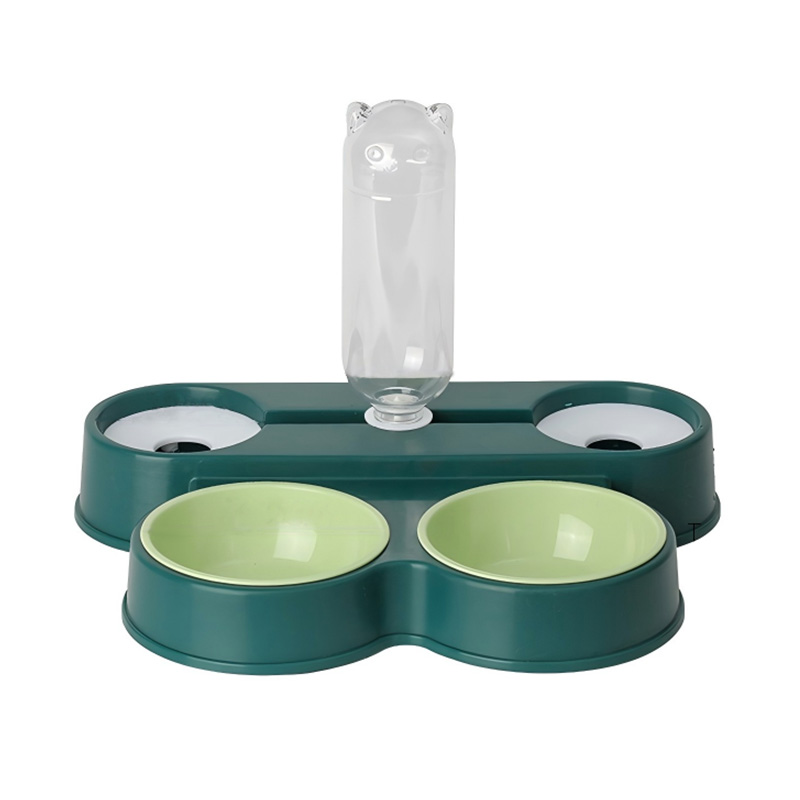
Pet Bowl
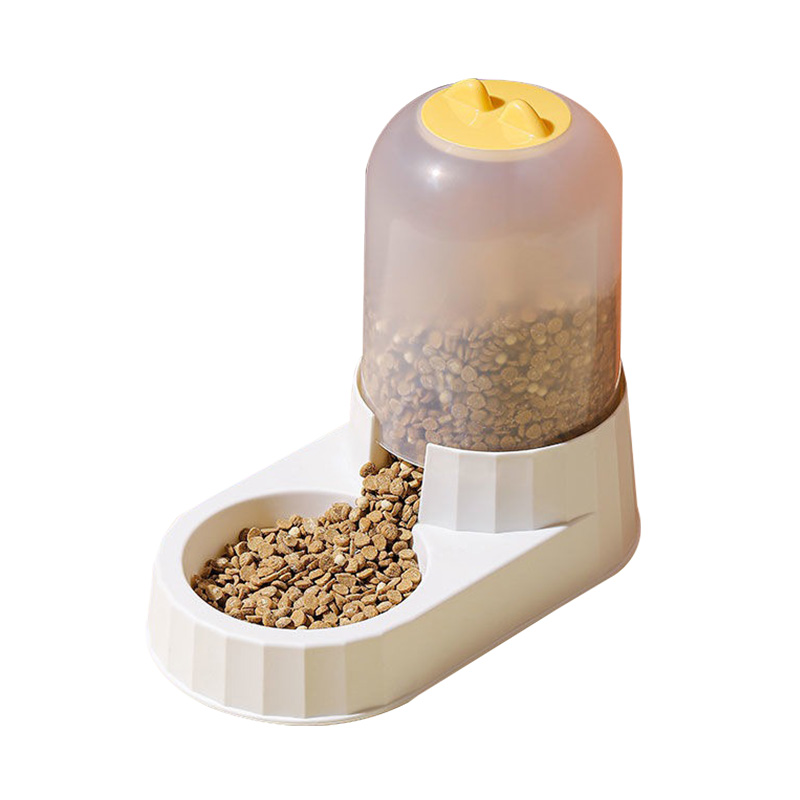
Pet Automatic Water Dispenser
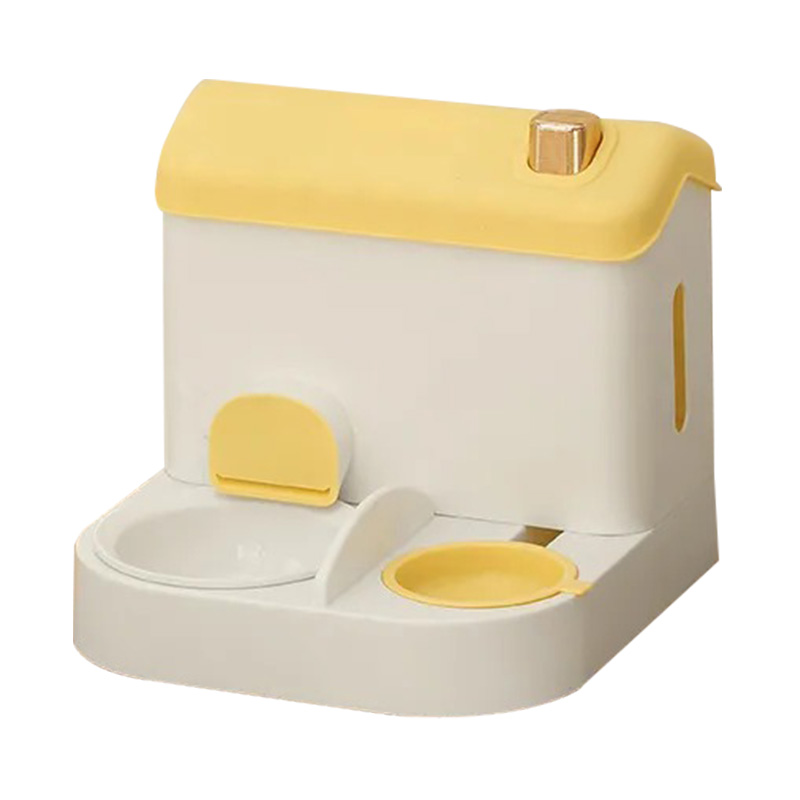
Pet Automatic Water Dispenser
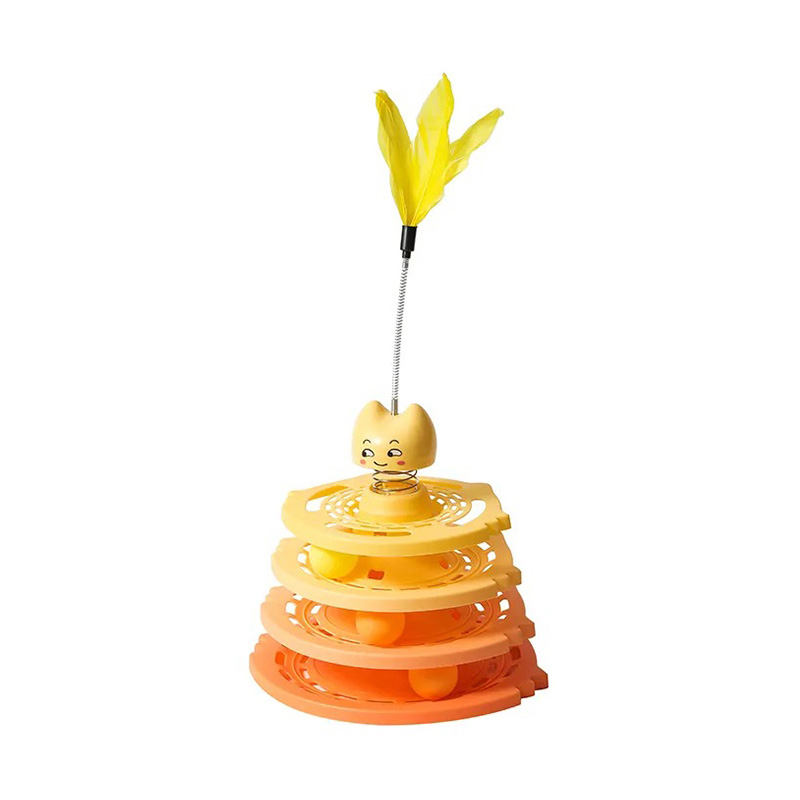
Pet Toy
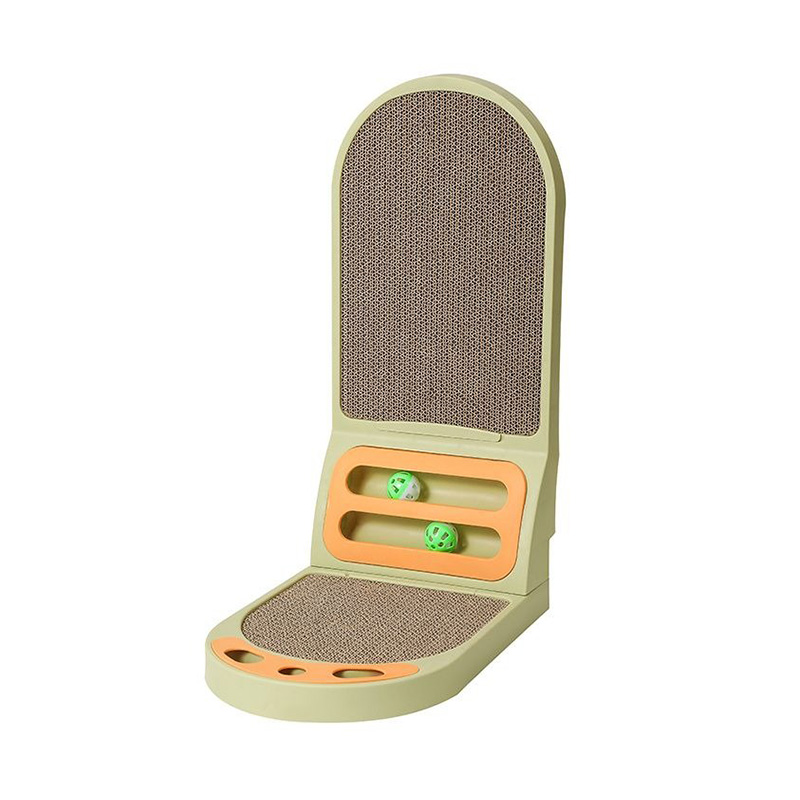
Cat Scratch Board
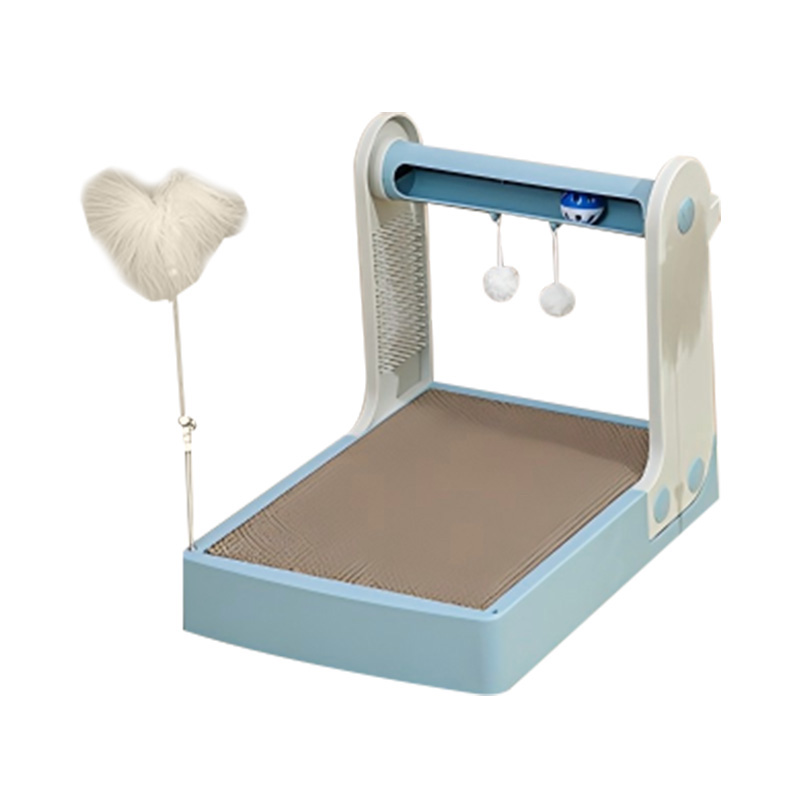
Cat Scratch Board
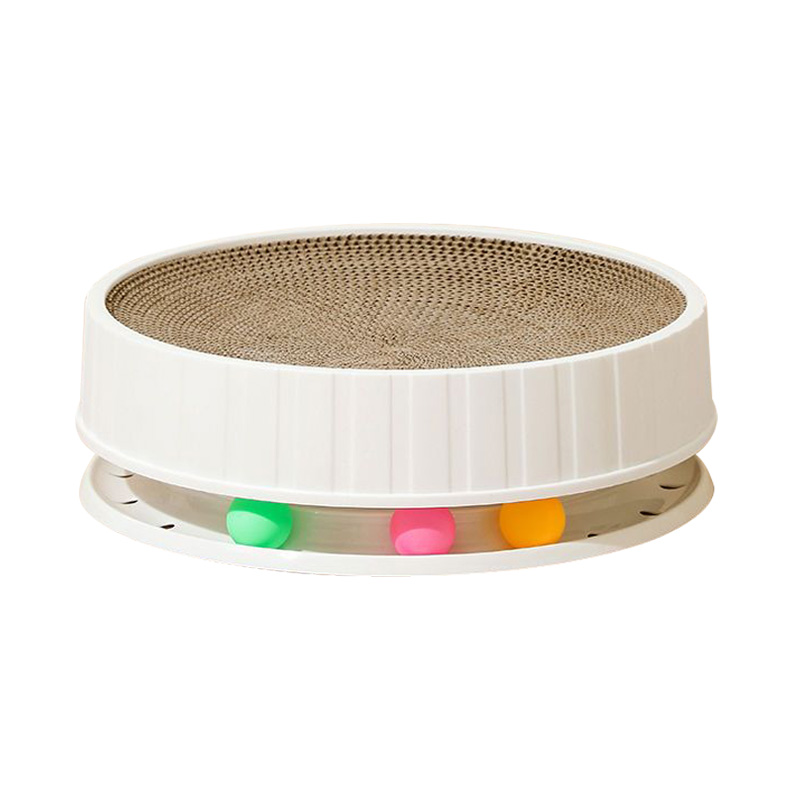
Cat Scratch Board


 +86-18329090387
 [email protected]
 Pukou Village, Xiaoshun Town, Jindong District, Jinhua City, Zhejiang, China
Pet Supplies & Products Factory

 English
 русский
 Español
 Português
 عربى
عربى