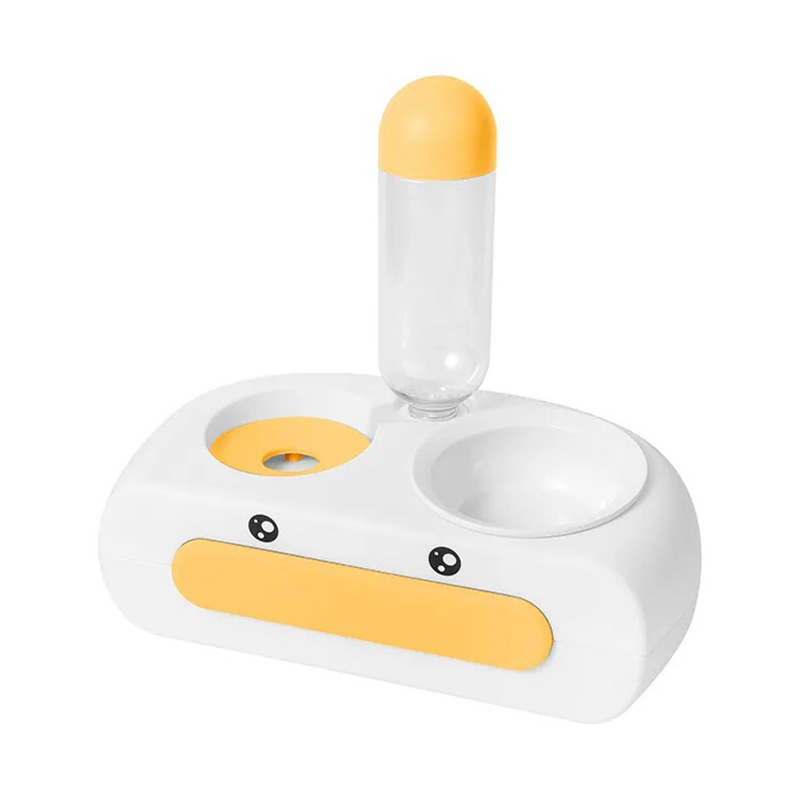
Pet Bowl
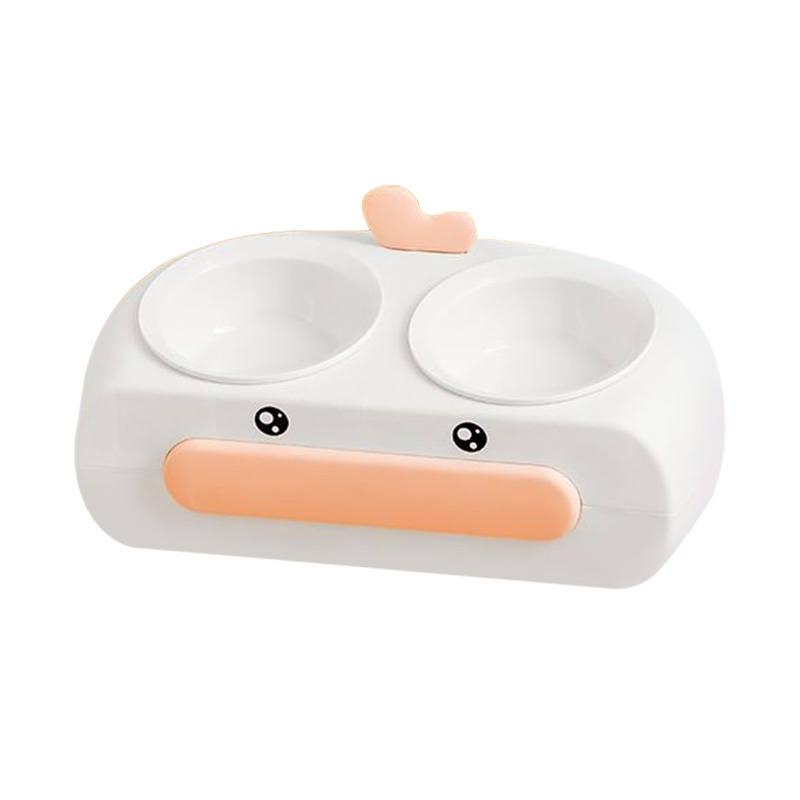
Pet Bowl
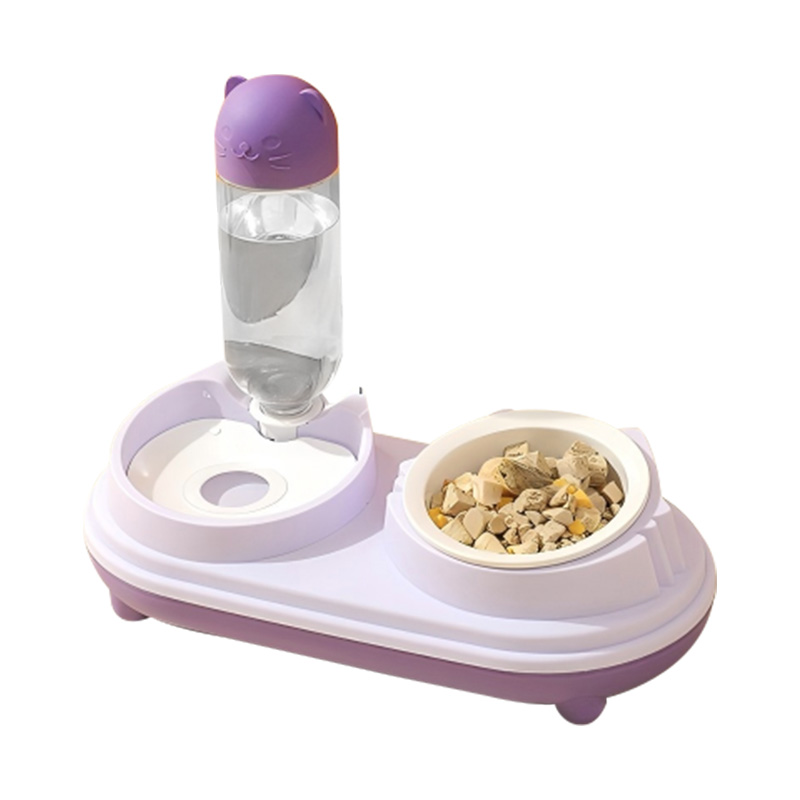
Pet Bowl
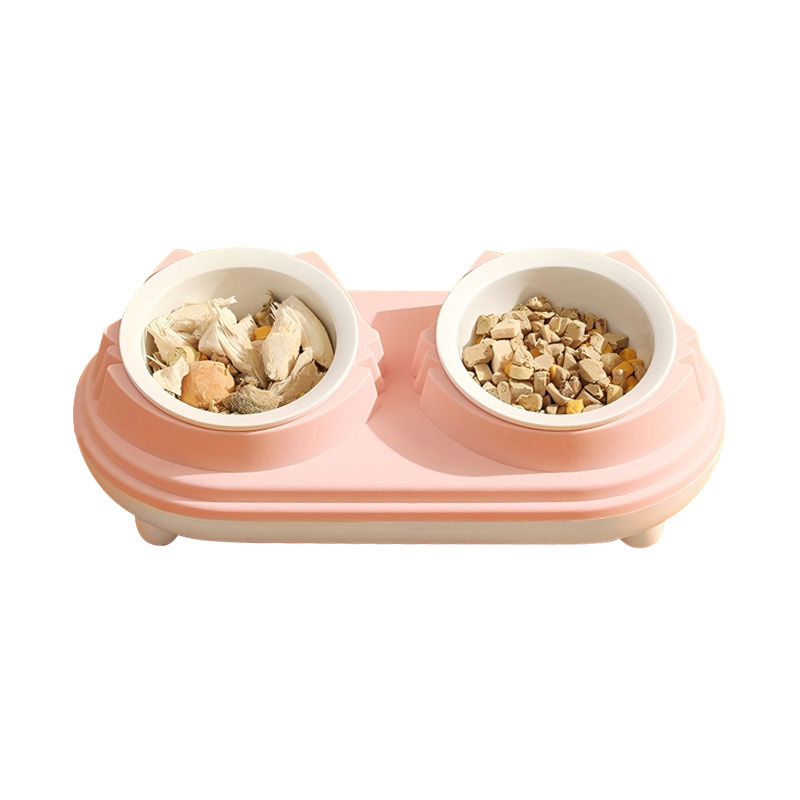
Pet Bowl

Pet Bowl

Pet Bowl
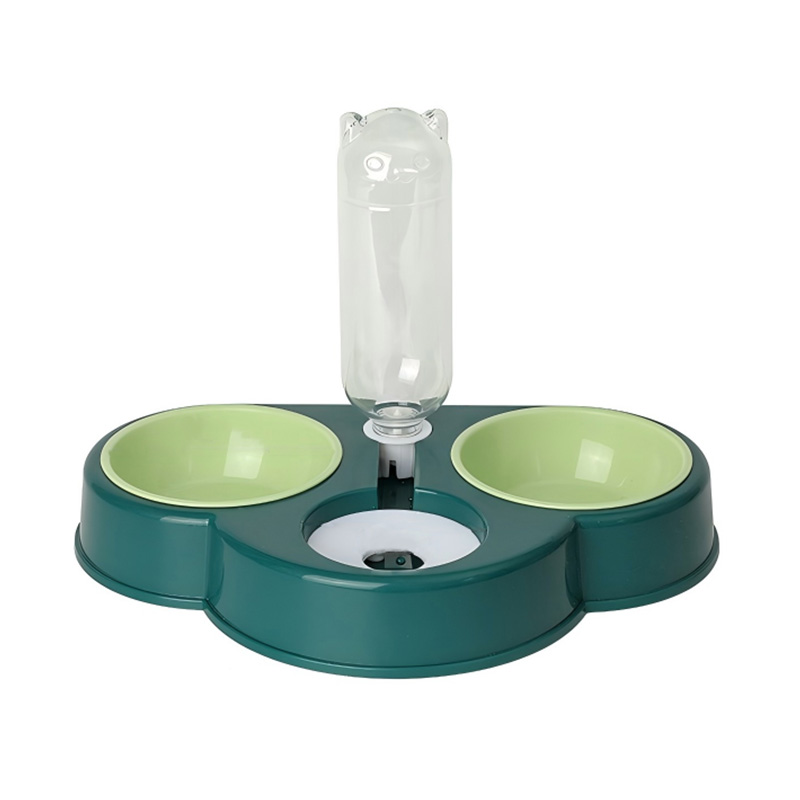
Pet Bowl
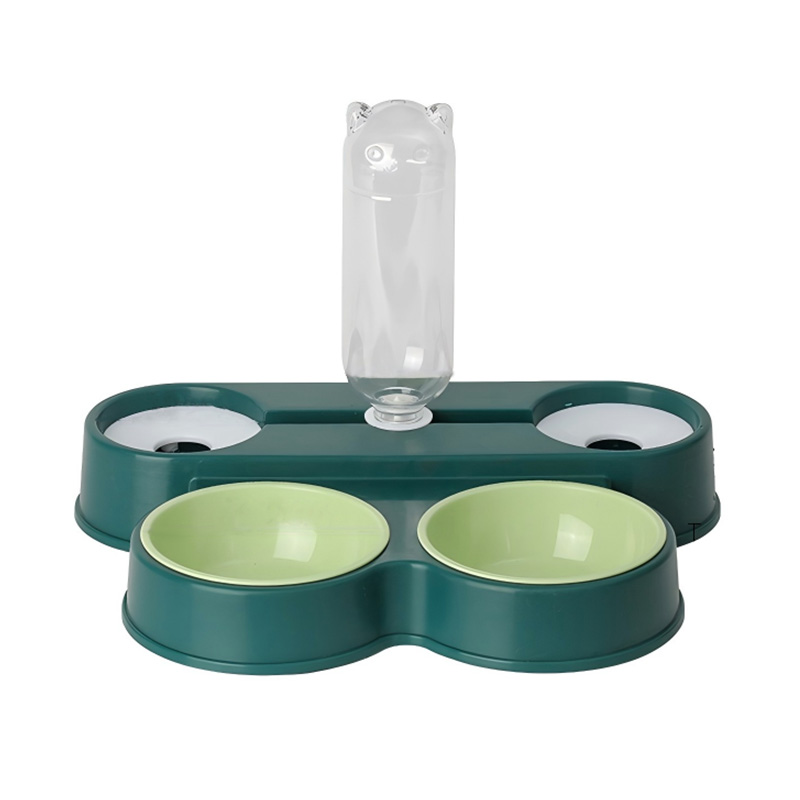
Pet Bowl
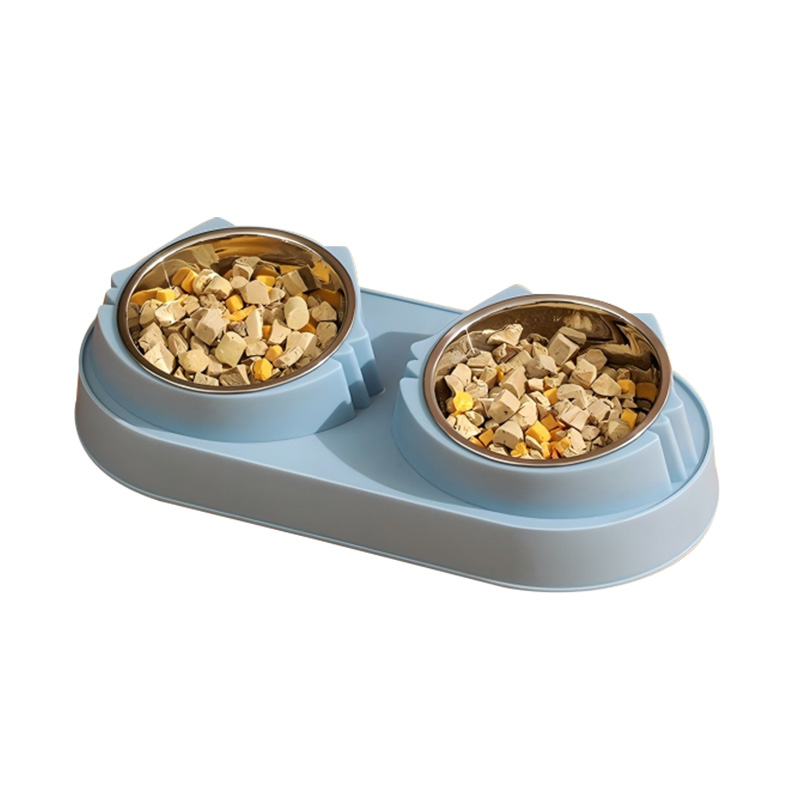
Pet Bowl
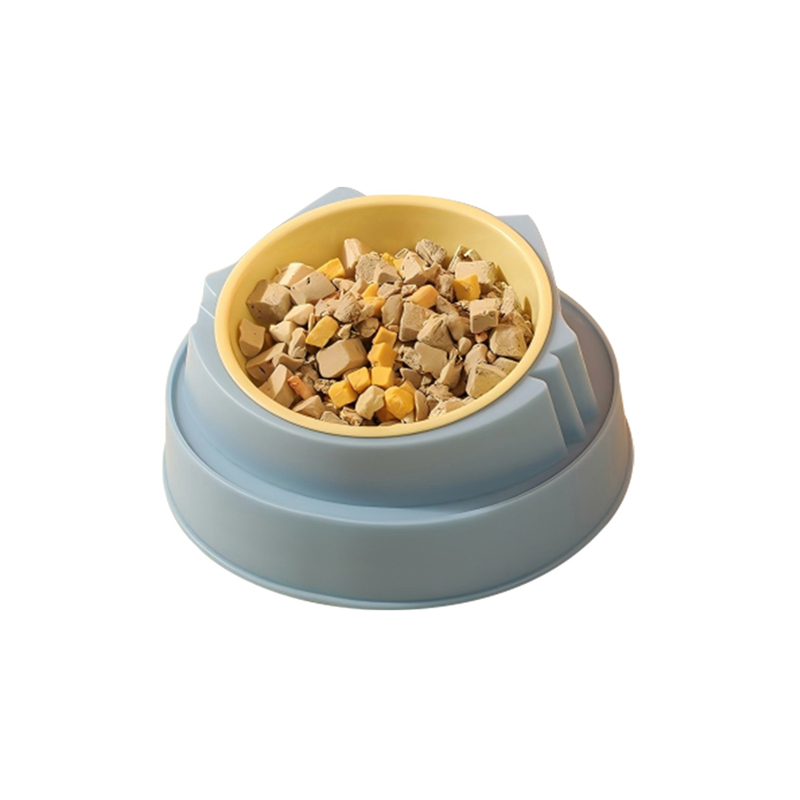
Pet Bowl
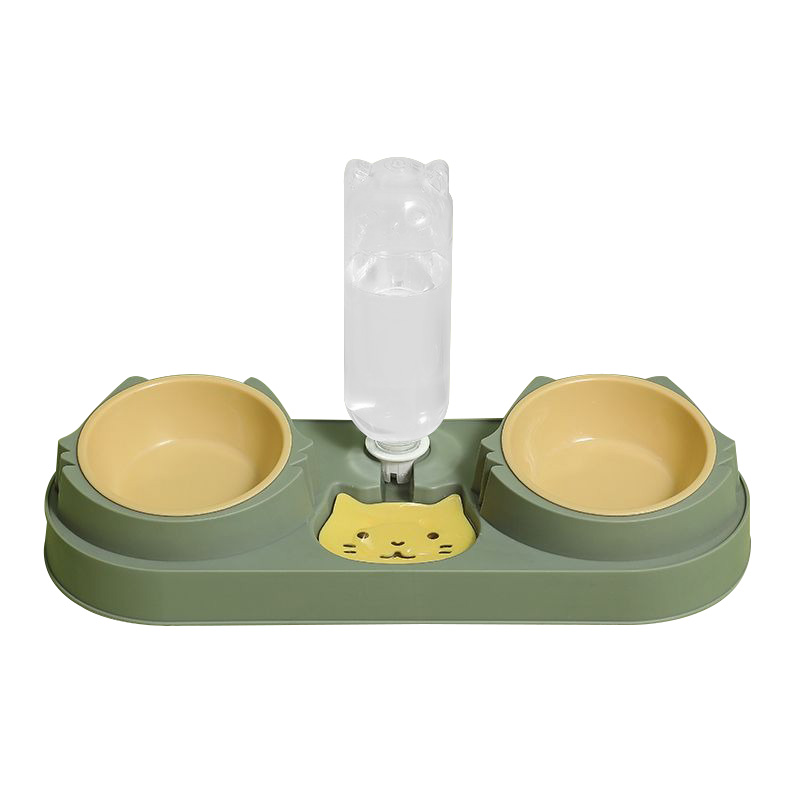
Pet Bowl
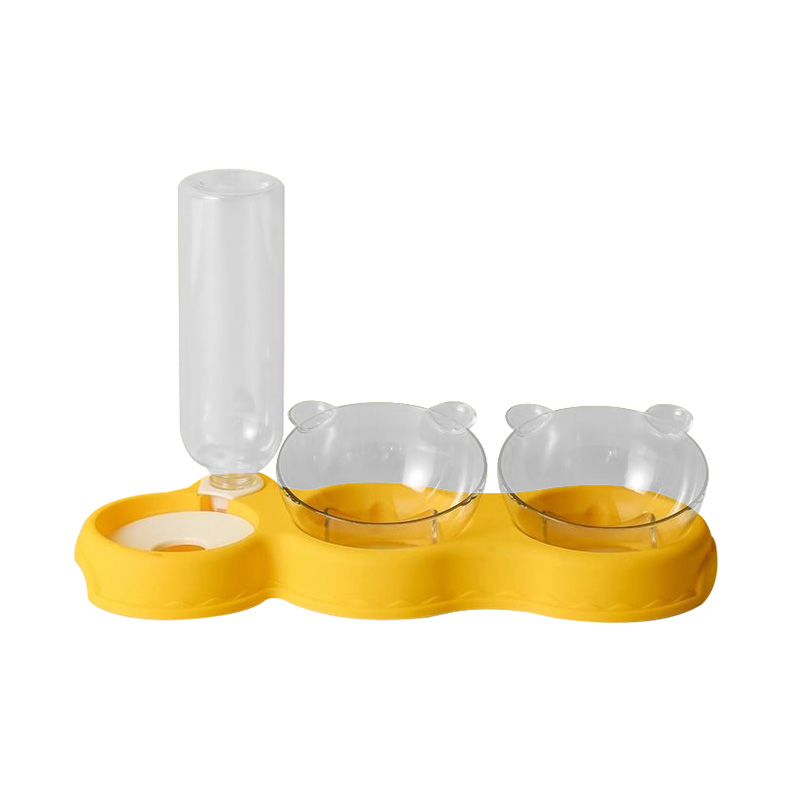
Pet Bowl
Pet Automatic Water Dispenser
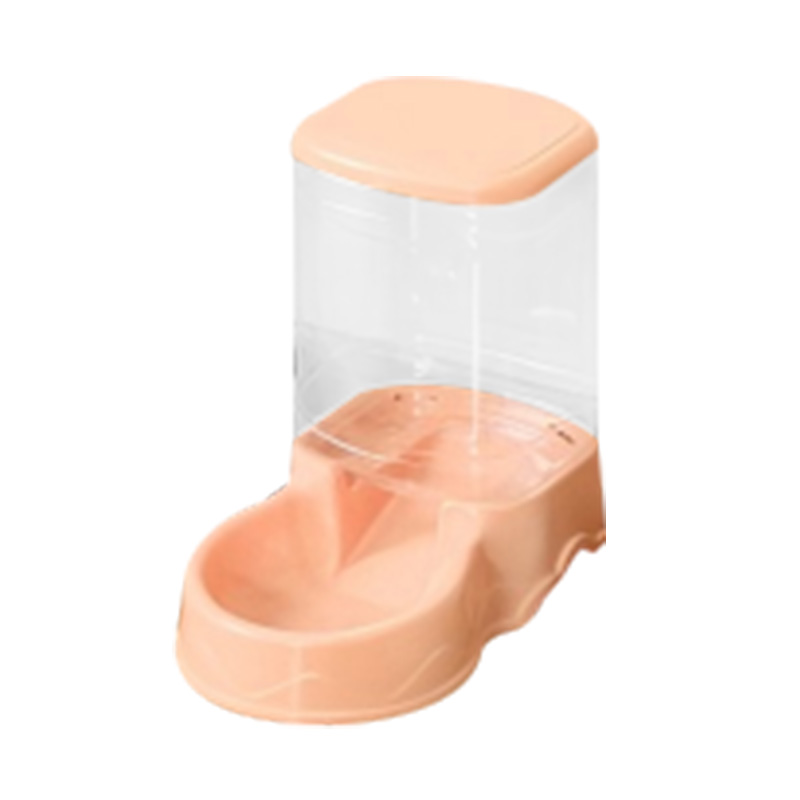
Pet Automatic Water Dispenser
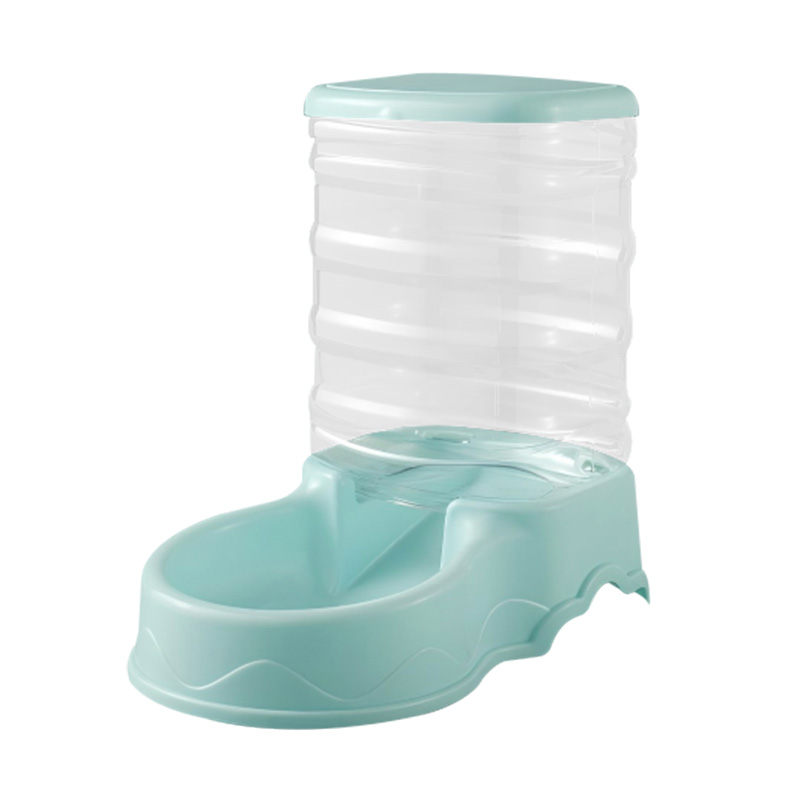
Pet Automatic Water Dispenser
Safety assurance in canine-related goods is a multi-layered process involving material selection, engineering validation, regulatory compliance, and ongoing monitoring. Each phase contributes to reducing hazards that may arise from ingestion, mechanical failure, or chemical exposure.
Material compliance and sourcing
Manufacturers typically rely on polymers, textiles, or metals that conform to safety frameworks such as REACH or CPSIA where applicable. Non-toxic dyes, phthalate-controlled plastics, and corrosion-resistant alloys are selected to minimize chemical migration or structural degradation. Documentation from upstream suppliers forms part of the compliance record.
Design validation and mechanical assessment
Dog toys, collars, crates, and feeding devices undergo mechanical testing to evaluate tensile strength, fatigue behavior, and bite resistance. Edge radii are specified to limit injury risk, and load-bearing items are assessed for deformation or fracture under expected use conditions. Engineering drawings and prototypes are reviewed before full production.
Quality assurance in manufacturing
Production lines integrate inspection checkpoints. These may include visual screening, dimensional verification, and random batch sampling. Statistical process control can be applied to identify deviations that might affect fit or durability. Traceability coding enables recall procedures if anomalies are discovered after distribution.
Packaging and labeling clarity
Instructions that define size compatibility, weight limits, or supervision recommendations are included to reduce misuse. Age classification, choking hazard warnings, and cleaning instructions are typically printed on packaging to guide purchasers.
|
Safety Dimension |
Implementation Method |
Purpose in Risk Reduction |
|
Material Screening |
Chemical composition verification |
Limits exposure to harmful substances |
|
Structural Testing |
Tensile, compression, and wear evaluation |
Reduces breakage and ingestion hazards |
|
Manufacturing Controls |
Sampling inspections and traceable batch coding |
Identifies and isolates defects |
|
Labeling and Instructions |
Usage guidelines and hazard warnings |
Encourages informed handling |
|
Post-Market Monitoring |
Customer feedback and incident logging |
Supports corrective action |
These mechanisms form a systemic approach rather than a single checkpoint. Safety therefore depends on coordination between engineering, procurement, production, and distribution channels.
Cat-oriented products cover a wide assortment of functional and environmental categories. While individual items differ, several recurrent components characterize standard supply assortments.
Feeding and Hydration Components
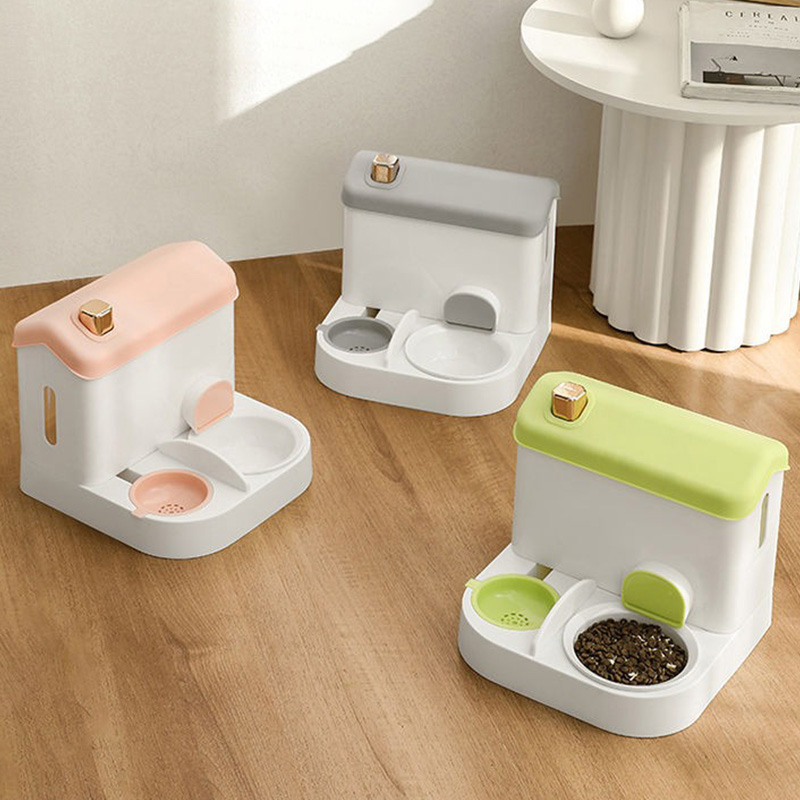
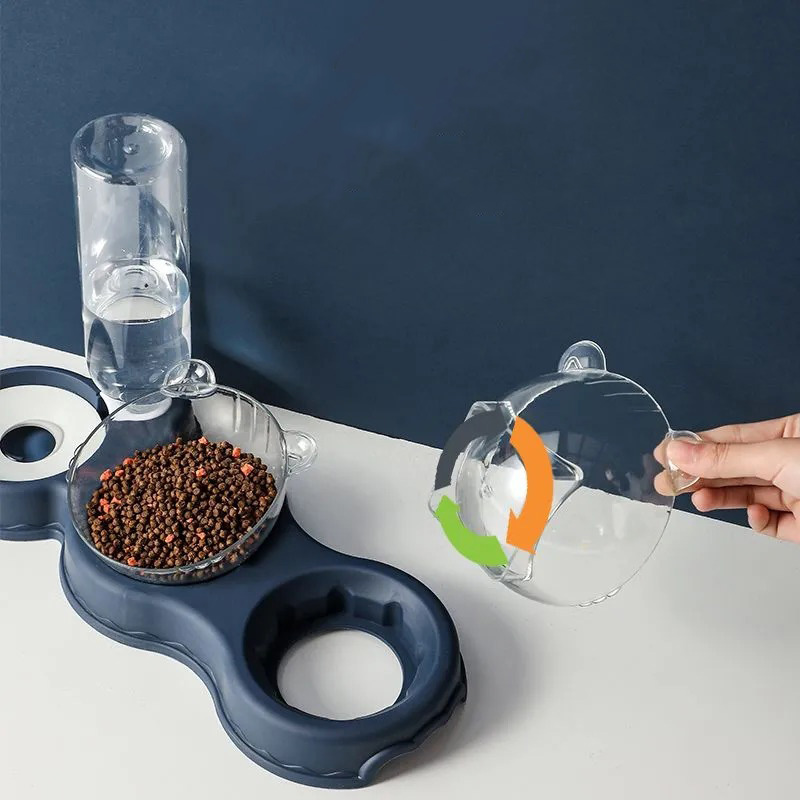
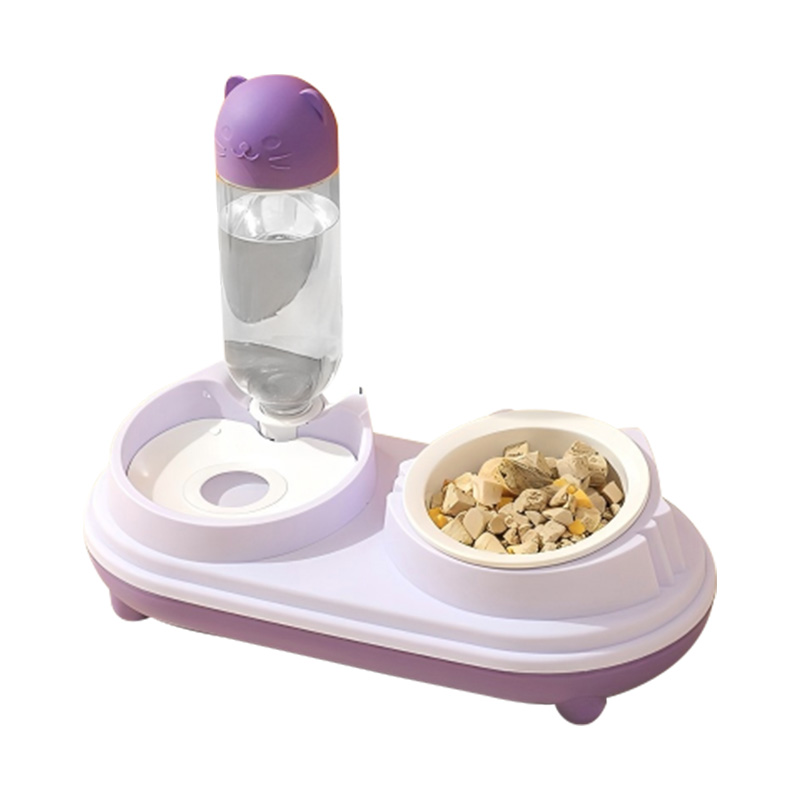
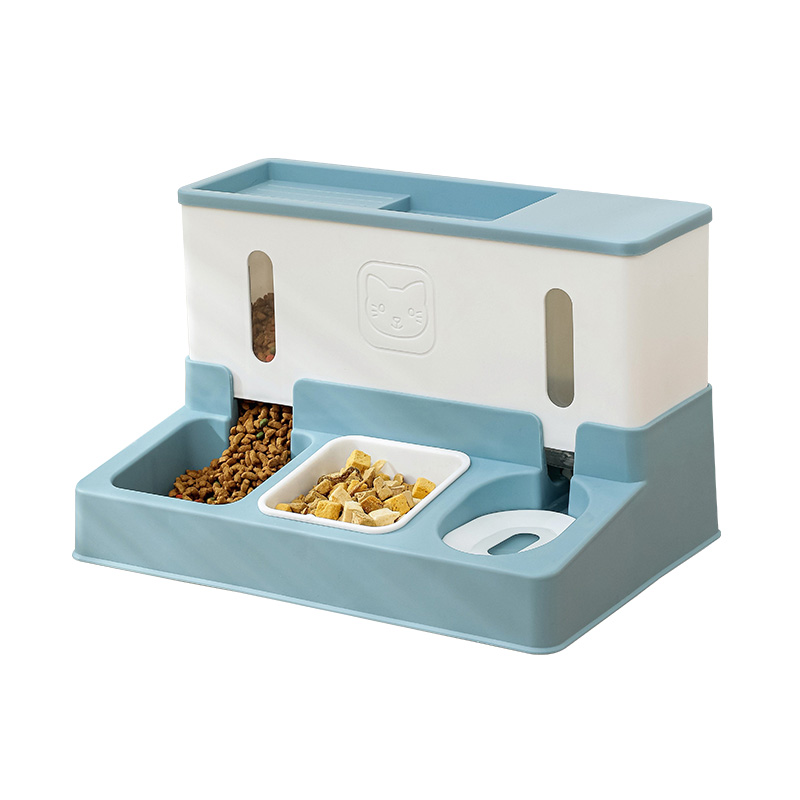
This category generally includes bowls, automatic dispensers, and storage containers. Materials often range from stainless steel to ceramic and food-grade polymers. Structural design emphasizes stability to limit tipping and features that reduce residue buildup. Filtration elements may appear in circulating hydration devices, requiring periodic replacement.
Hygiene and Habitat Accessories
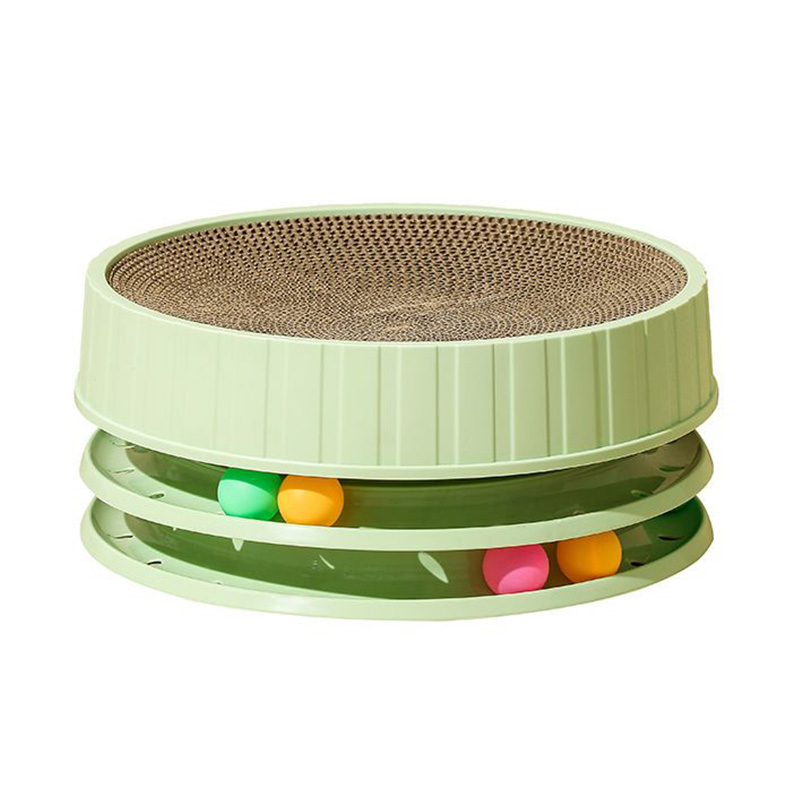
Litter trays, liners, scoops, and odor-control agents fall within this group. Many incorporate antimicrobial surfaces or modular inserts that allow removal and cleaning. Habitat accessories may include scratch boards or resting platforms constructed from fiberboard, woven textiles, or molded composites.
Enrichment and Interaction Tools
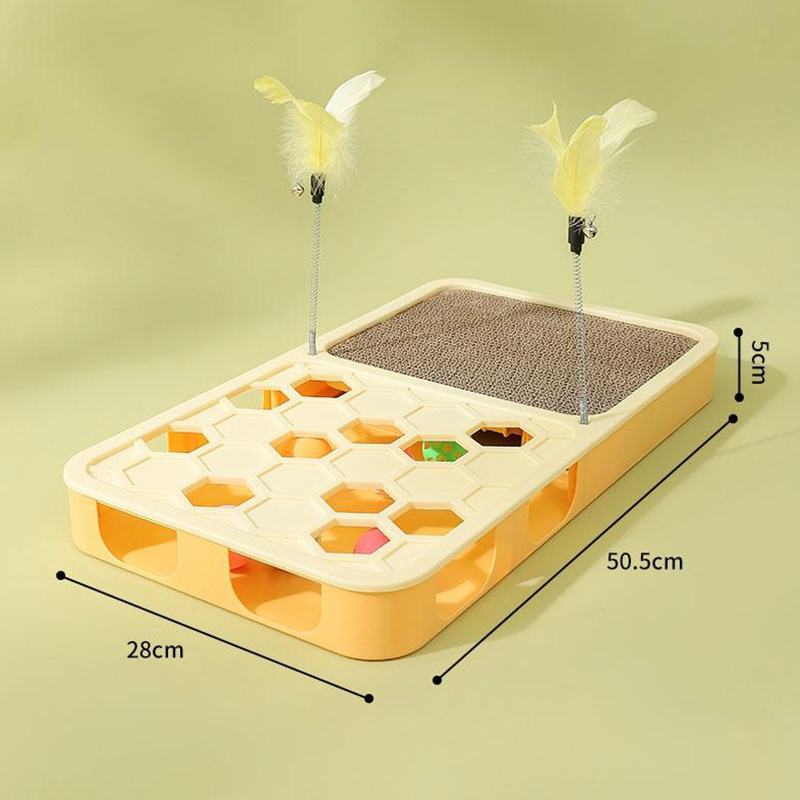
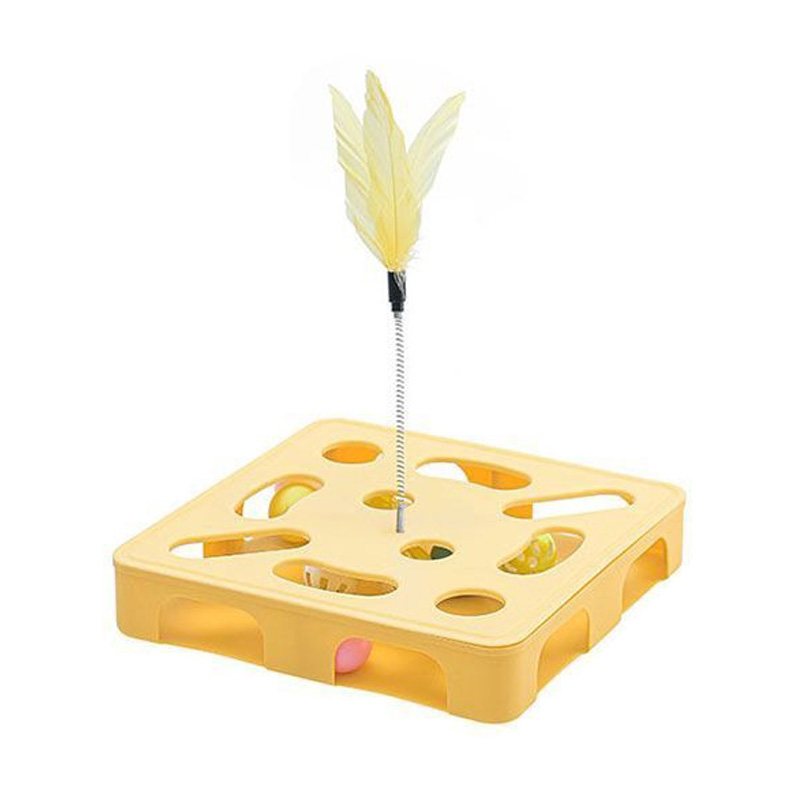
Toys, climbing structures, and sensory engagement items provide physical and cognitive stimulation. These may integrate springs, textile coverings, or modular attachments. Construction balances flexibility and wear tolerance to support repeated interaction while minimizing detachment of small components.
Collectively, cat supplies tend to emphasize maintainability, modular replacement, and adaptability to indoor environments. Packaging frequently highlights assembly requirements and compatibility with existing product lines.
Replaceable cushion inserts
Luxury cat trees, loungers, and window perches often include removable cushion cores. Spare inserts allow continued use when filling materials compress or covers wear. Rotating inserts periodically distributes loading and helps preserve shape stability.
Interchangeable scratching panels
Modular sisal, cardboard, or composite scratching surfaces are commonly supplied as spare parts. These panels can be detached without dismantling the main structure, extending the usable life of premium climbing or scratching systems.
Fastening hardware and connectors
Threaded bolts, brackets, and alignment dowels are frequently provided in spare kits. Retightening or replacing worn hardware maintains structural rigidity and prevents gradual loosening from repetitive jumping loads.
Replacement filters and cartridges
High-end fountains or automated litter devices include consumable filters or odor cartridges. Maintaining a stock of these components ensures continuous operation and helps manage particulate accumulation and smell control.
Electronic modules or sensors
Some automated feeders, lighting elements, or motion-activated toys feature replaceable sensor units or power connectors. Storing compatible modules reduces downtime in case of electrical failure.

 +86-15267916893
 [email protected]
 Pukou Village, Xiaoshun Town, Jindong District, Jinhua City, Zhejiang, China
Luxury Cat Supplies Supply

 English
 русский
 Español
 Português
 عربى
عربى