Cat Litter Box
Cat Litter Box
Cat Litter Box
Cat Litter Box
Cat Litter Box
Cat Litter Box
Cat Litter Box
Cat Litter Box
Cat Litter Box
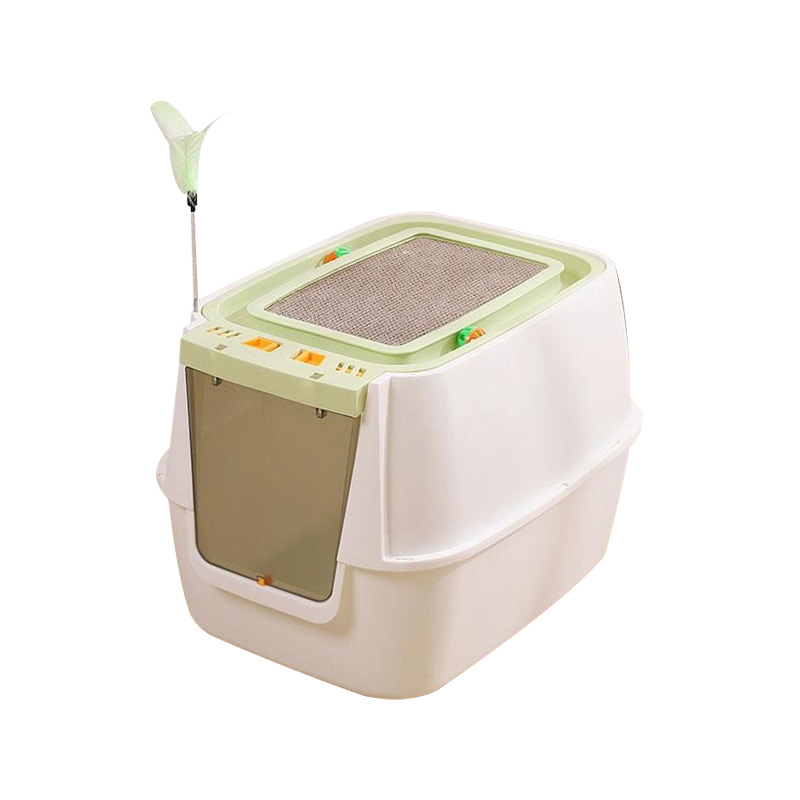
Cat Litter Box
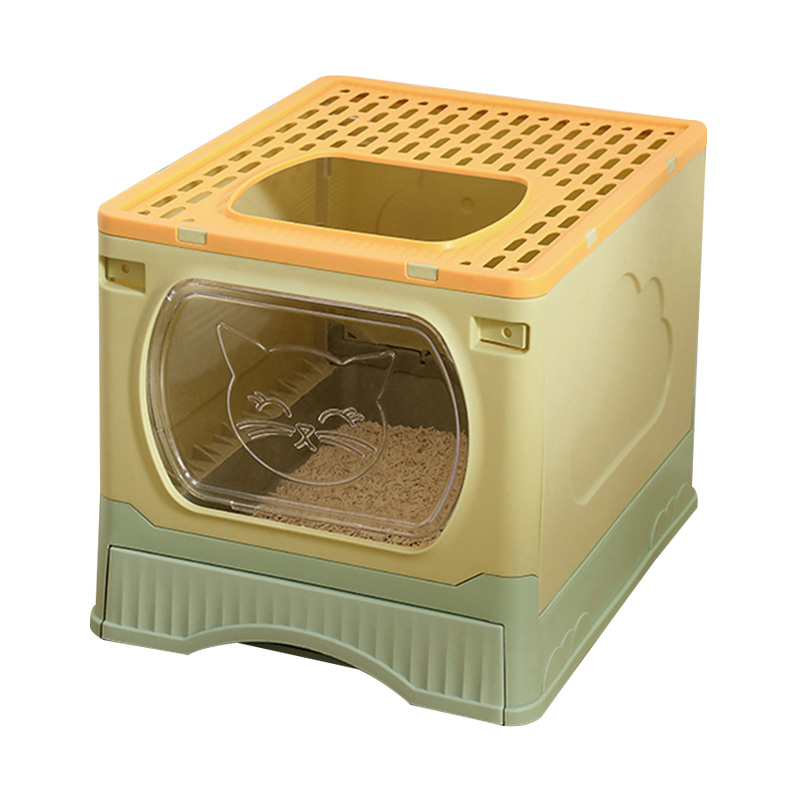
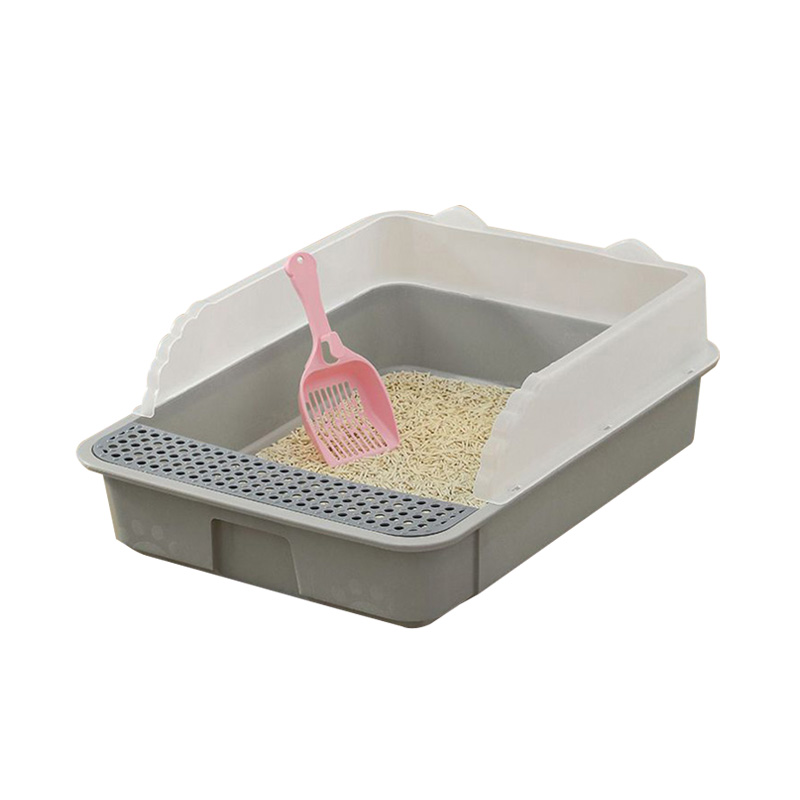
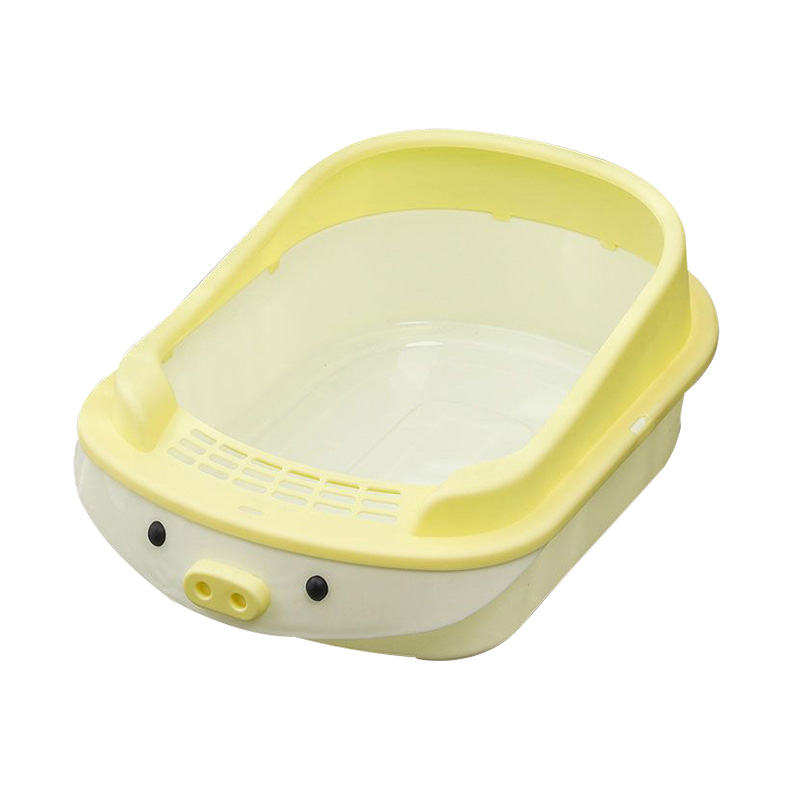
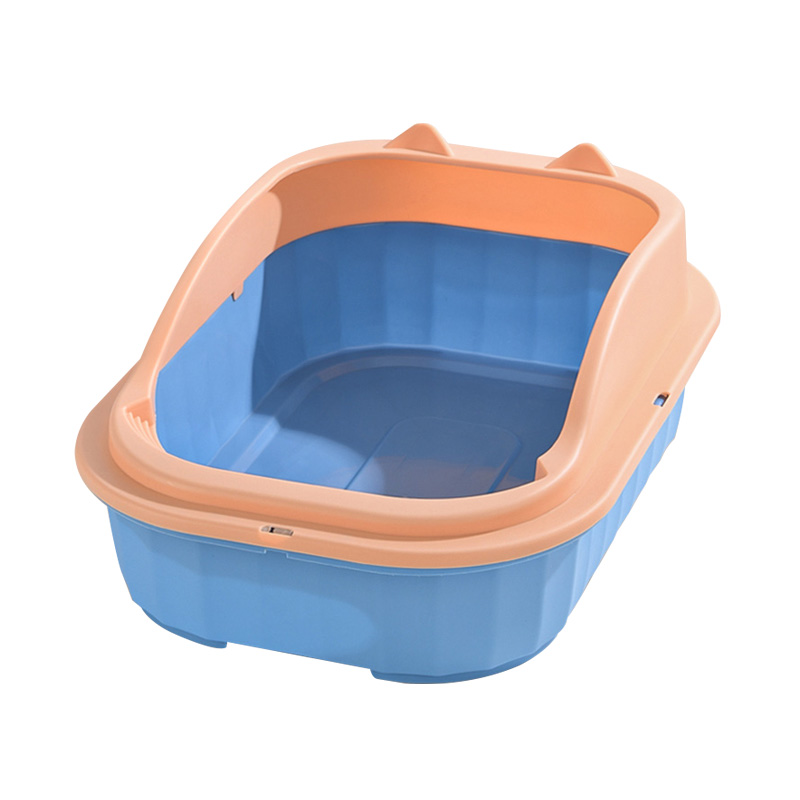
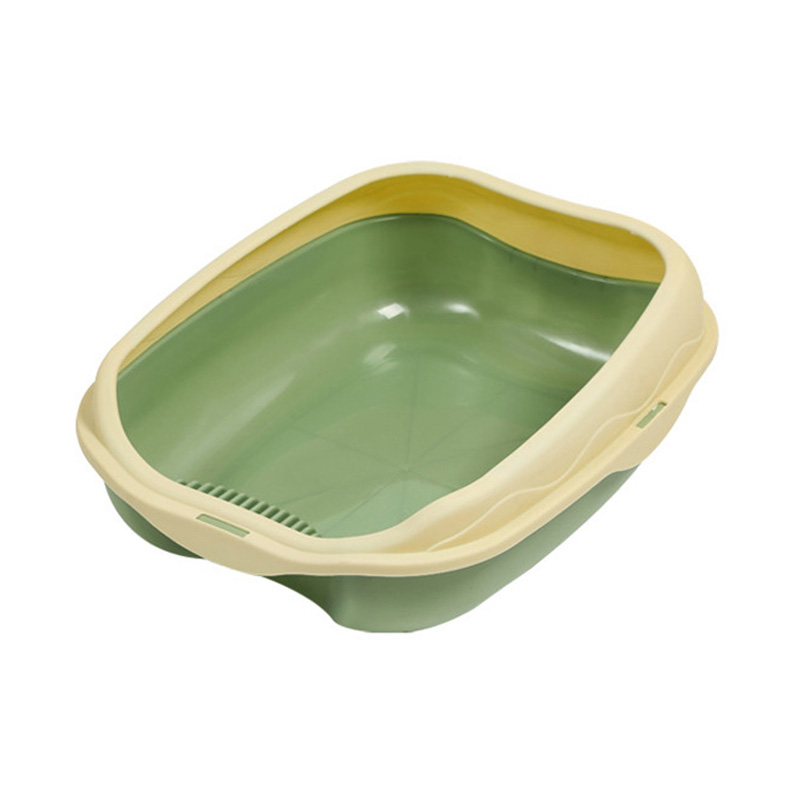
At Hongda, we design and manufacture Cat Litter Boxes and Cat Litter Scoops that combine functionality with charming, playful aesthetics. Our products feature cute shapes and vibrant color schemes, appealing to modern pet owners who value both performance and style in pet care essentials.
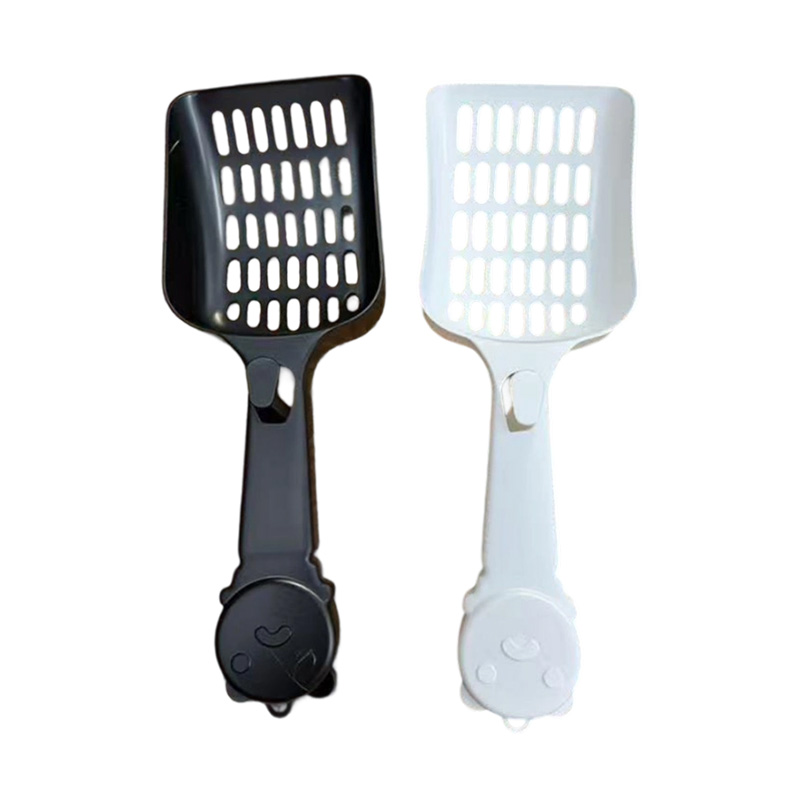
Crafted from durable, BPA-free plastic, our litter boxes come in a variety of sizes and styles—open, semi-enclosed, or fully enclosed—to suit different cat behaviors and home environments. The smooth, rounded designs make cleaning easy, while the anti-splash edges and raised backs help contain litter scatter. Each box is paired with a matching litter scoop, ergonomically designed for easy waste removal and efficient sifting.
As a professional OEM and factory supplier, Hongda offers complete customization services, including shape, color matching, branding, and packaging. Our playful and energetic product designs are ideal for retail, online, or private label brands looking to stand out in the competitive pet market.
With advanced production capabilities and strict quality control, Hongda delivers stylish, practical cat litter solutions that elevate everyday pet care. Partner with us to bring joyful design and dependable manufacturing to your product line.

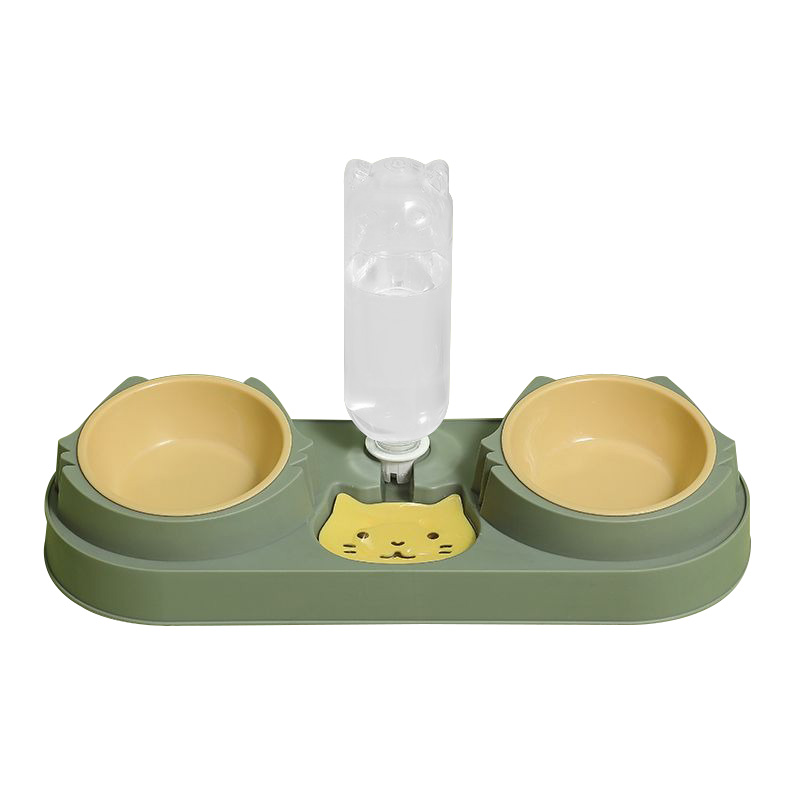
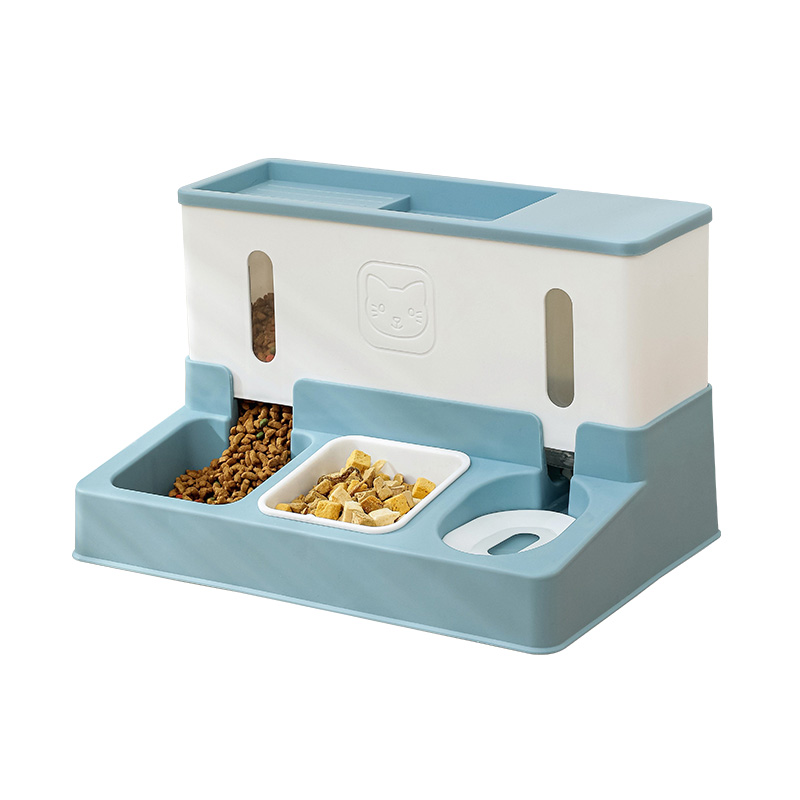
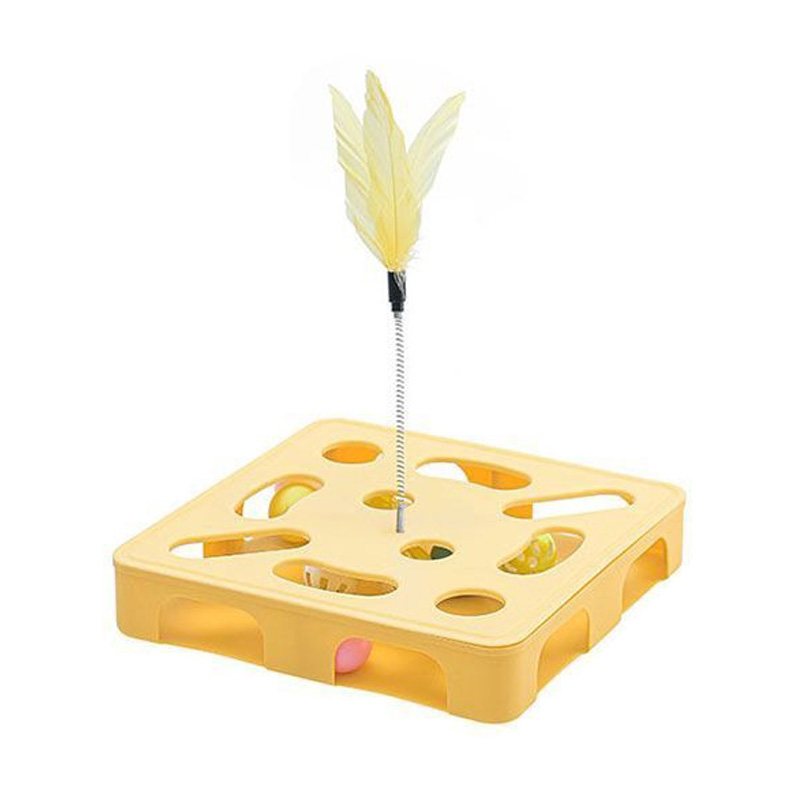
A common guideline is to maintain one litter box per cat, plus one additional box. This provides options and can prevent resource guarding or avoidance if one box is soiled. In multi-level homes, placing at least one box on each floor is advisable.
Solid waste should be removed daily. The frequency for a complete litter change depends on the type of litter, the number of cats, and the box style. For clumping litter with one cat, a full change every two to four weeks is typical, while non-clumping litter may require more frequent changes. Odor and clump integrity are practical indicators.
Avoidance can stem from medical issues, cleanliness concerns, box location, or the box type itself. A sudden change in litter box habits warrants a veterinary consultation to rule out health problems. Other factors include an unclean box, a location that is too loud or accessible, a box with sides that are too high for an older cat, or a dislike of a covered or automatic box.
Choose a quiet, low-traffic area that offers the cat privacy and easy access. Avoid placing it next to loud appliances, such as washing machines, or near food and water bowls. The location should be consistently available, not behind a door that could be closed.
Transitioning a cat to a semi-enclosed box, which has high sides or a partial hood, requires a gradual approach. The following table outlines a structured process.
|
Step |
Action |
Rationale |
|
1 |
Place the new semi-enclosed box directly next to the current, familiar open box. Do not remove the old box yet. |
Allows the cat to investigate the new box without pressure and associate it with the established toileting location. |
|
2 |
Use the same, familiar type of litter in the new box. Fill it to a depth the cat is accustomed to. |
Maintains consistency in substrate, removing a variable that could cause hesitation. The familiar scent in the new box can also be encouraging. |
|
3 |
After a few days, move a piece of the cat's soiled litter (a solid clump) from the old box into the new one. |
Transfers the cat's own scent to the new box, clearly marking it as an appropriate elimination site. |
|
4 |
Once the cat is using the new box reliably, gradually move the old box away a short distance each day, or begin to reduce the litter level in it. |
Encourages a full shift to the new box by making the old option less appealing and available. The process should be slow to avoid causing stress or confusion. |
|
5 |
After the cat is consistently using only the new semi-enclosed box for several days, the old box can be removed. |
Finalizes the transition. The original box should be cleaned thoroughly before storage in case it is needed again. |
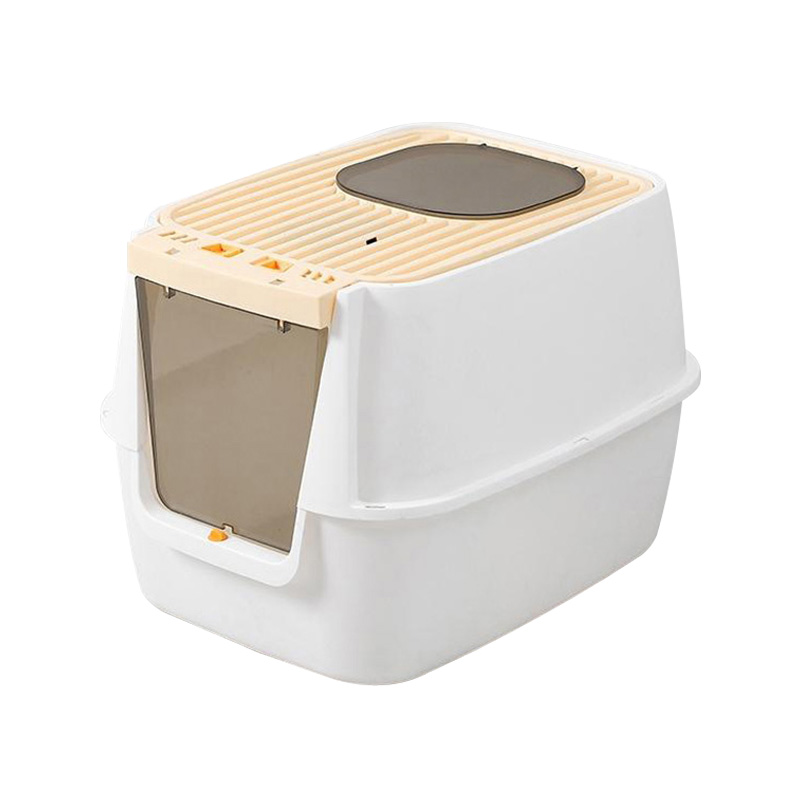
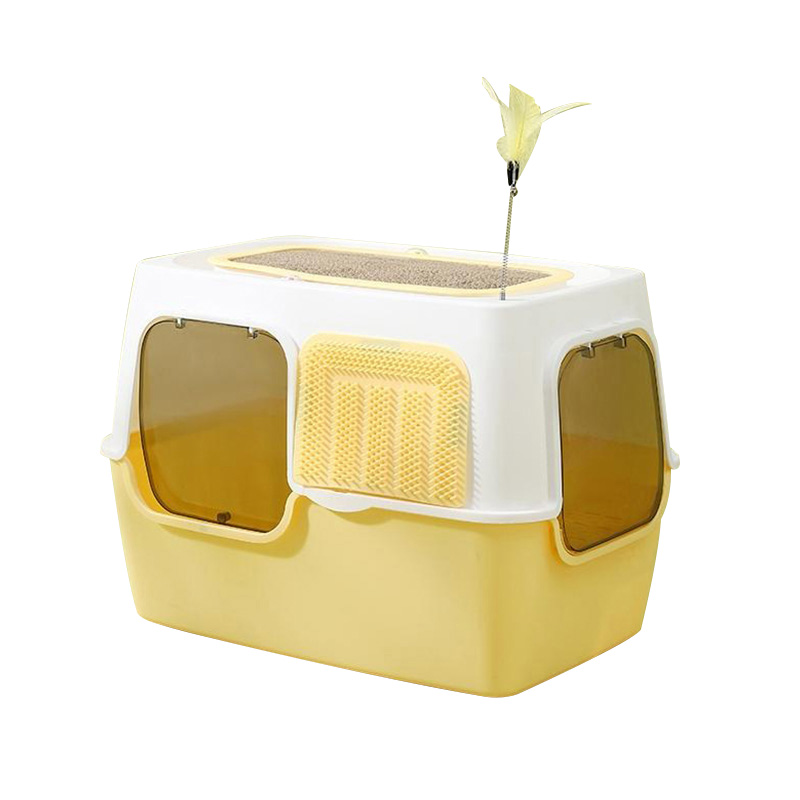
A fully enclosed litter box, with a hood and a door flap, is chosen for reasons of odor containment, litter scatter control, and aesthetics. Several features merit consideration during selection.
The interior space is a primary factor. The box should be long and wide enough to allow the cat to turn around and posture comfortably without touching the walls or ceiling. Many cats are reluctant to use a box that feels cramped. The height of the entryway is also relevant; a low threshold is easier for kittens and older cats with mobility concerns to enter, while a higher one may better contain litter. Some models offer a removable flap or a high-entry design to address different needs.
Ventilation is important for managing ammonia odors and providing air circulation. Vents positioned near the top of the housing allow odors to escape while still containing them better than an open pan. A carbon filter attached to a vent can absorb odors, though these filters require regular replacement to remain effective.
The design should facilitate cleaning. A hood that detaches easily from the base pan is necessary. The plastic should be non-porous to simplify washing and disinfecting. The entry flap, if present, should be easy to remove for cleaning or to leave open during a transition period. A smooth interior surface without hard-to-reach crevices will prevent waste from sticking and make maintenance more straightforward.


 +86-15267916893
 [email protected]
 Pukou Village, Xiaoshun Town, Jindong District, Jinhua City, Zhejiang, China
Fully Enclosed Cat Litter Box For Sale

 English
 русский
 Español
 Português
 عربى
عربى