Cat Scratch Board
Cat Scratch Board
Cat Scratch Board

Cat Scratch Board
Cat Scratch Board
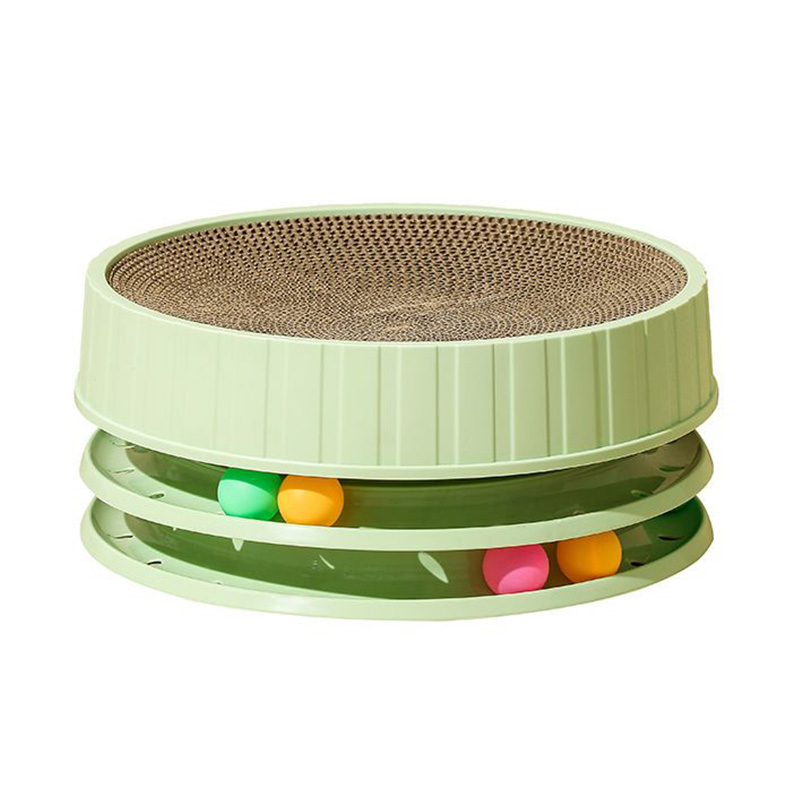
Cat Scratch Board

Cat Scratch Board
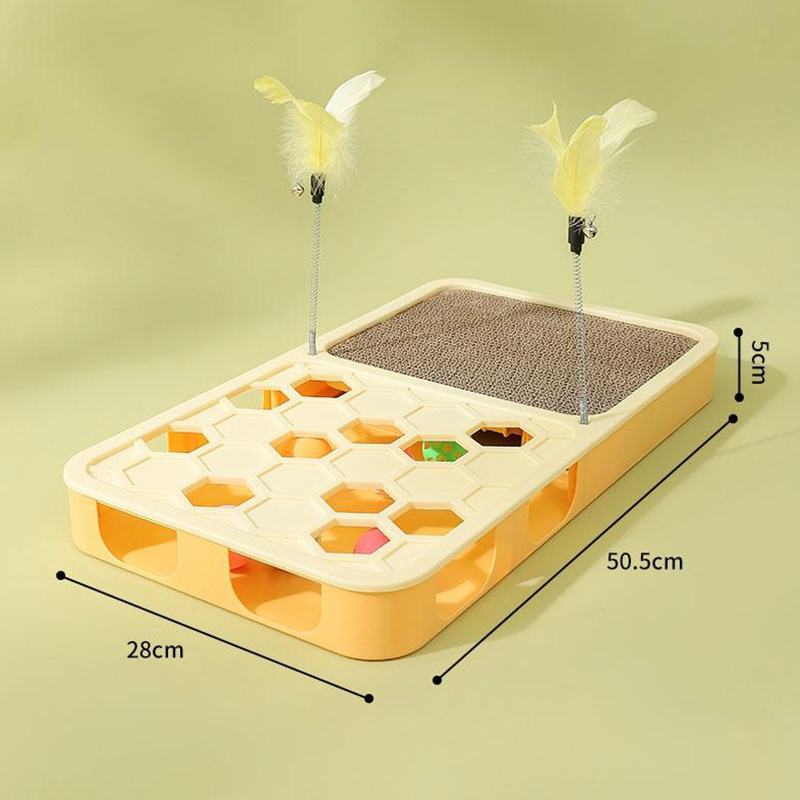
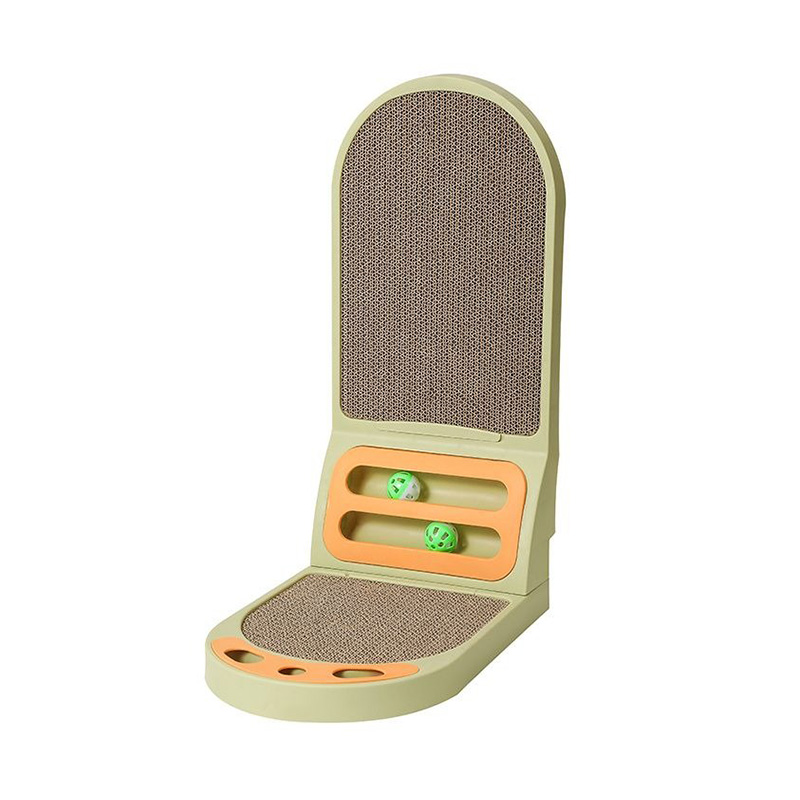
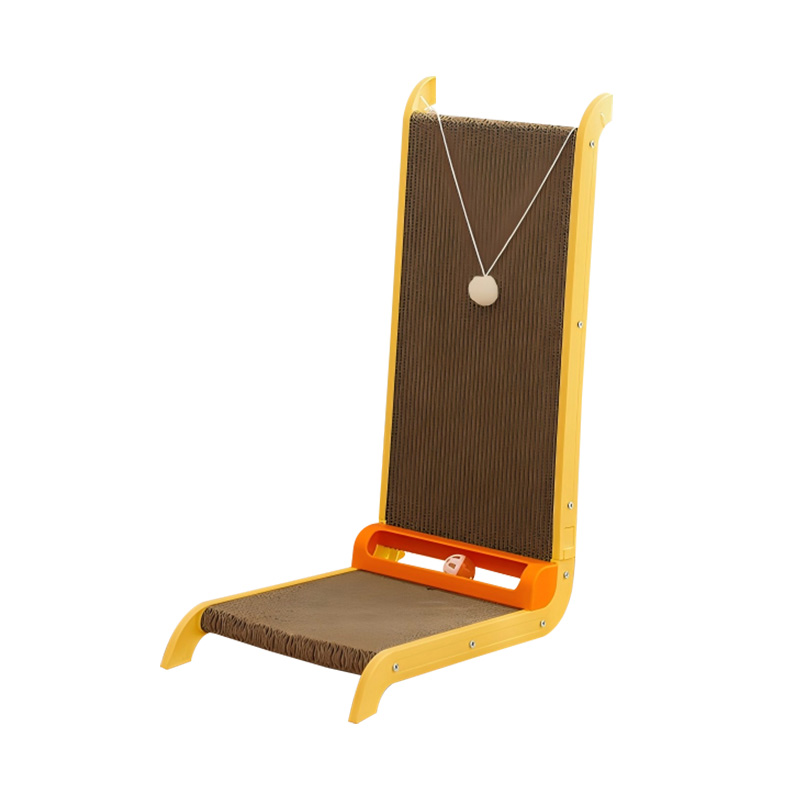
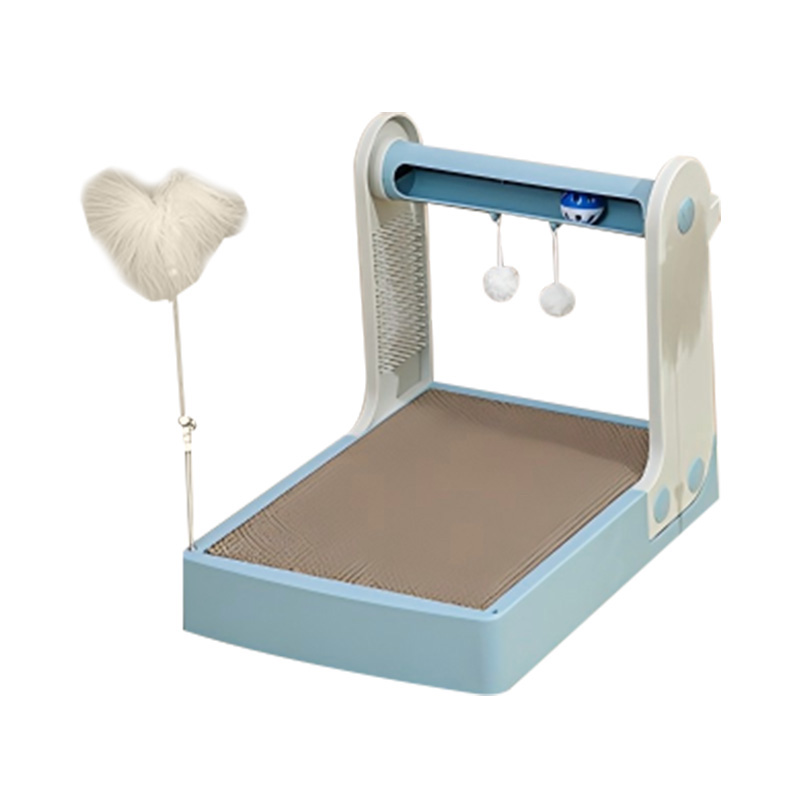
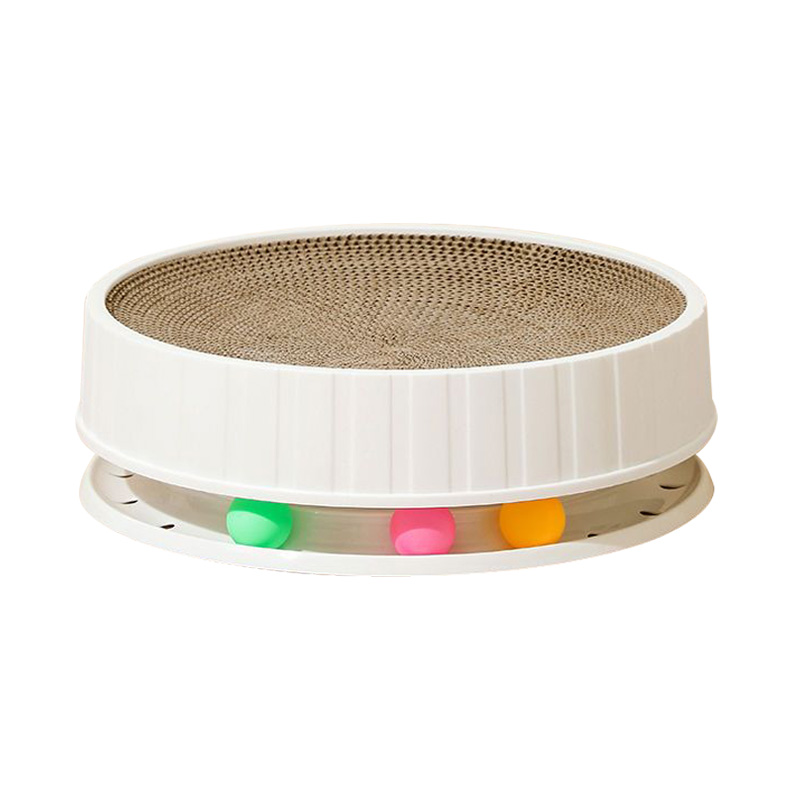
At Hongda, we manufacture high-quality Cat Scratch Boards designed to satisfy cats' natural scratching instincts while protecting household furniture. Our scratch boards are made from durable, eco-friendly corrugated cardboard, providing the perfect texture that cats love. Each board is lightweight, reversible, and built to withstand repeated use.
To enhance customer value and pet enjoyment, every Hongda Cat Scratch Board comes with a bonus pack of natural catnip, making it even more irresistible to feline users. We also offer individual replacement boards wholesale, allowing users to easily refresh the product without buying a whole new unit—economical and eco-conscious.
Our factory supports full OEM/ODM customization, including board shapes, surface patterns, packaging, and logo branding. Whether for flat boards, wave shapes, or lounge-style scratchers, Hongda ensures quality craftsmanship and efficient production timelines.
As a professional pet product OEM factory, Hongda serves global retailers, distributors, and e-commerce sellers with scratch boards that combine function, fun, and flexibility. Partner with us to deliver Engaging, pet-safe scratch solutions that meet the demands of modern cat owners.

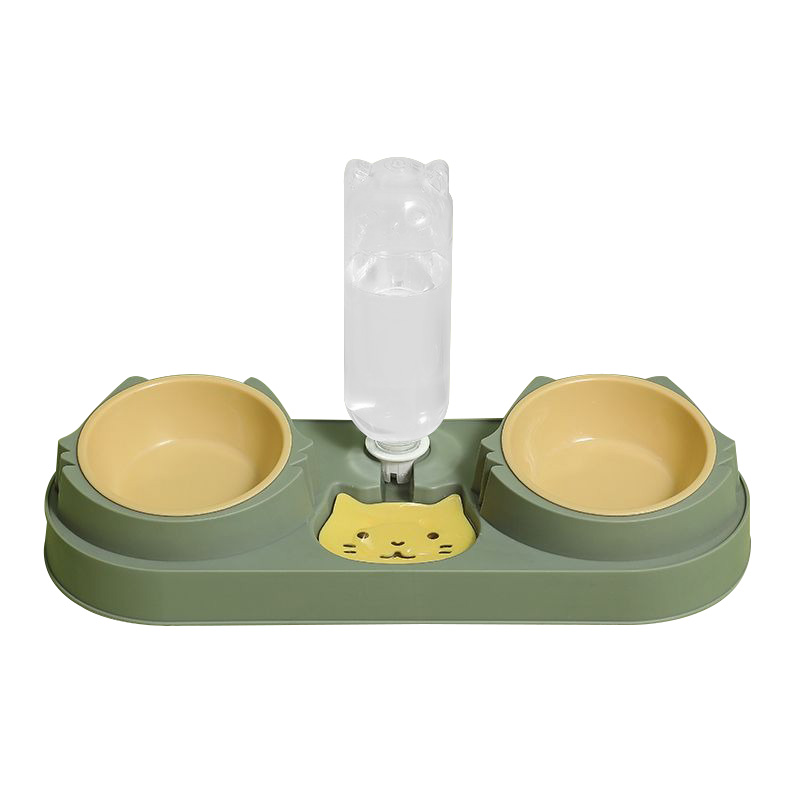
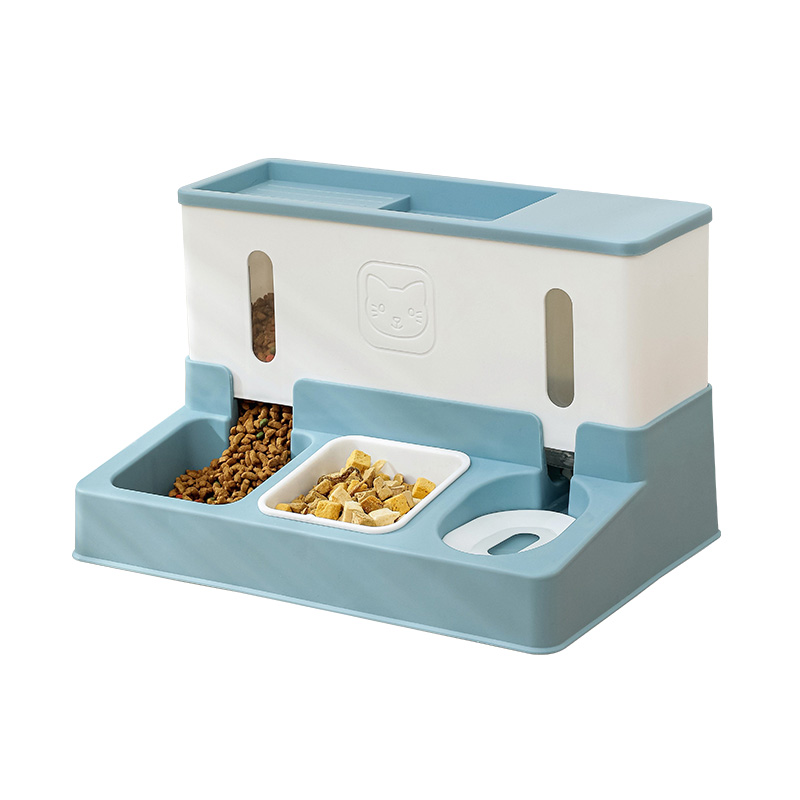
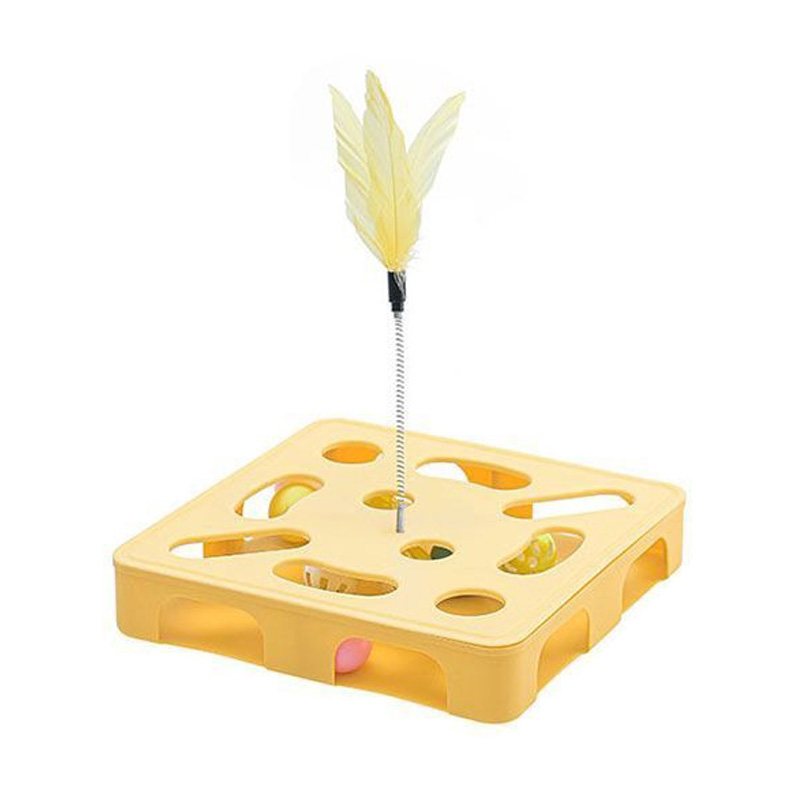
Preference is influenced by orientation, material texture, and stability rather than a single universal attribute. Behavioral observations and product feedback indicate that different configurations appeal under different conditions. The table below summarizes common board types and interaction tendencies.
|
Scratch Board Type |
Structural Features |
Observed Interaction Tendencies |
Environmental Suitability |
|
Vertical Sisal Board |
Upright mounting, fibrous rope wrapping |
Encourages stretching and forelimb extension |
Near entryways or resting zones |
|
Horizontal Cardboard Board |
Corrugated paper layers in flat alignment |
Supports digging motions and surface shredding |
Floor placement in quiet areas |
|
Inclined Hybrid Board |
Angled frame with mixed textile surfaces |
Combines reach and pressure variation |
Transitional spaces or corners |
|
Carpeted Panel Board |
Fabric covering with moderate resistance |
Attracts pawing when texture resembles furniture |
Near sofas or upholstered fixtures |
|
Modular Replaceable Board |
Interchangeable scratching inserts |
Maintains novelty through periodic surface change |
Multi-location deployment |
Cats may shift preferences based on age, activity level, and familiarity with textures encountered earlier in life. Providing multiple orientations often results in more consistent engagement because it accommodates varied postural behaviors. The stability of mounting or base weight also affects usage frequency, as surfaces that shift during contact may discourage repeated interaction.
Claw conditioning function
Scratching assists in removing outer claw sheaths that accumulate through growth cycles. Pads provide a designated medium that facilitates this process without redirecting behavior toward household structures.
Musculoskeletal engagement
The stretching and pulling motions associated with scratching activate the shoulder, spinal, and limb musculature. Pads create predictable surfaces where these movements can occur without spatial restriction.
Territorial signaling
Cats possess scent glands within paw regions. Scratching deposits, both visual markings and scent cues, establish environmental familiarity. Pads concentrate these signals into controlled zones, reducing dispersion across furniture.
Behavioral redirection
In indoor settings, pads act as substitution outlets that channel instinctive scratching away from structural elements. Placement near commonly targeted areas increases the likelihood of adoption.
Stress modulation
Engagement with textured surfaces may contribute to behavioral stabilization by allowing physical release of energy. Pads, therefore, function not only as grooming tools but also as environmental enrichment components.
Surface familiarity reinforcement
Consistent access to scratch pads supports routine formation. Cats that repeatedly interact with designated textures are more likely to maintain interaction patterns aligned with those surfaces rather than exploring alternative materials.
These functional drivers illustrate that scratch pads serve physiological, communicative, and environmental roles rather than being simple accessories.
① Distributed flat pad arrays
Corrugated pads positioned in multiple locations help reduce competition by providing simultaneous access. Distribution across rooms prevents clustering that may otherwise provoke territorial tension.
② Reversible high-density boards
Thicker cardboard constructions that can be flipped after wear accommodate repeated use cycles. In multi-cat settings, accelerated surface degradation makes reversible structures practical for maintaining usability.
③ Large-format communal pads
Oversized pads allow more than one animal to engage sequentially or in parallel without spatial restriction. Expanded surface area reduces displacement behavior during active periods.
④ Frame-supported insert systems
Pads integrated into supportive frames maintain alignment under higher cumulative load. Replaceable inserts allow restoration of texture without replacing the entire structure, which is relevant where interaction frequency is elevated.
⑤ Angled or lounge-integrated cardboard units
Pads built into resting or inclined modules provide both scratching and reclining functionality. This dual use encourages shared interaction patterns that distribute engagement over time.


 +86-15267916893
 [email protected]
 Pukou Village, Xiaoshun Town, Jindong District, Jinhua City, Zhejiang, China
China Cat Scratcher Cardboard Pads

 English
 русский
 Español
 Português
 عربى
عربى