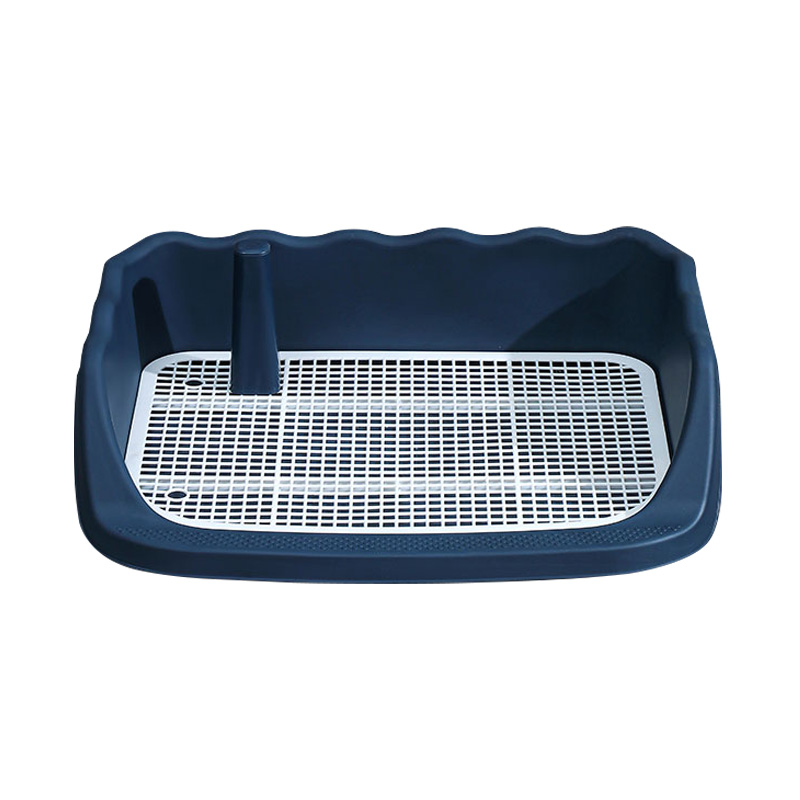
Dog Toilet
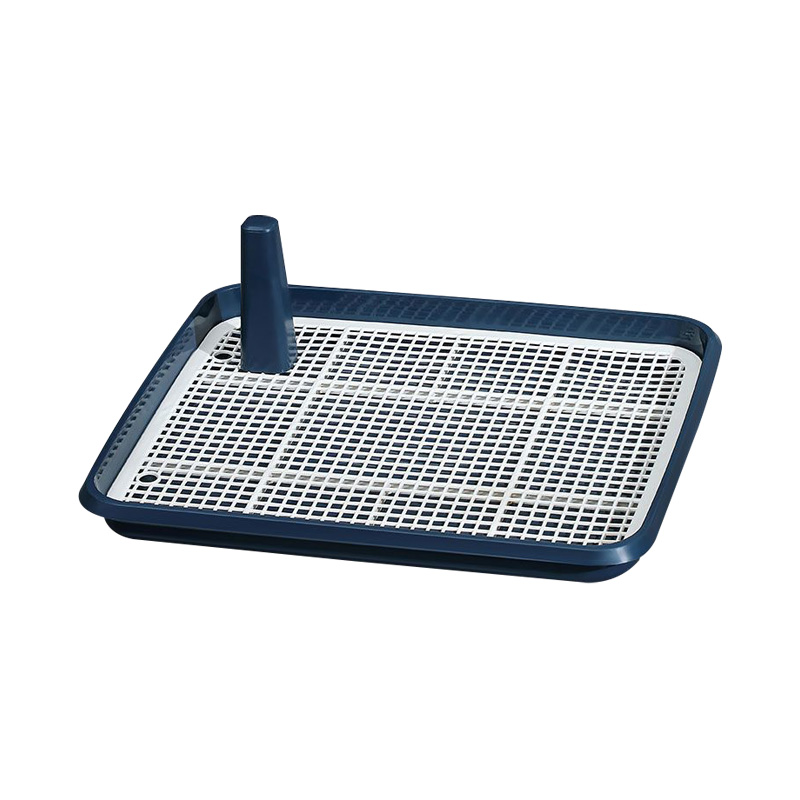
Dog Toilet
At Hongda, we specialize in manufacturing Dog Toilets that are thoughtfully designed for cleanliness, convenience, and durability. Our dog toilet models feature elevated edges, thickened bases, and enlarged surface areas to effectively prevent splashing and spillage—perfect for indoor training and hygiene control.
Constructed from high-quality, non-toxic PP material, Hongda dog toilets are sturdy, odor-resistant, and easy to clean. The raised sides help contain urine, especially for male dogs, while the anti-slip base ensures stability during use. Optional grid designs or mesh tops keep paws dry and separate waste from contact areas.
Every product undergoes strict quality control in our factory to ensure strength and safety. We also offer OEM/ODM customization, including color selection, branding, and packaging tailored to your market requirements.
Whether you are a pet brand, wholesaler, or e-commerce seller, Hongda's Dog Toilets provide a practical, high-demand solution for pet owners seeking indoor potty training tools. With a focus on functionality and production excellence, Hongda is your reliable factory partner for premium, splash-proof dog hygiene products.

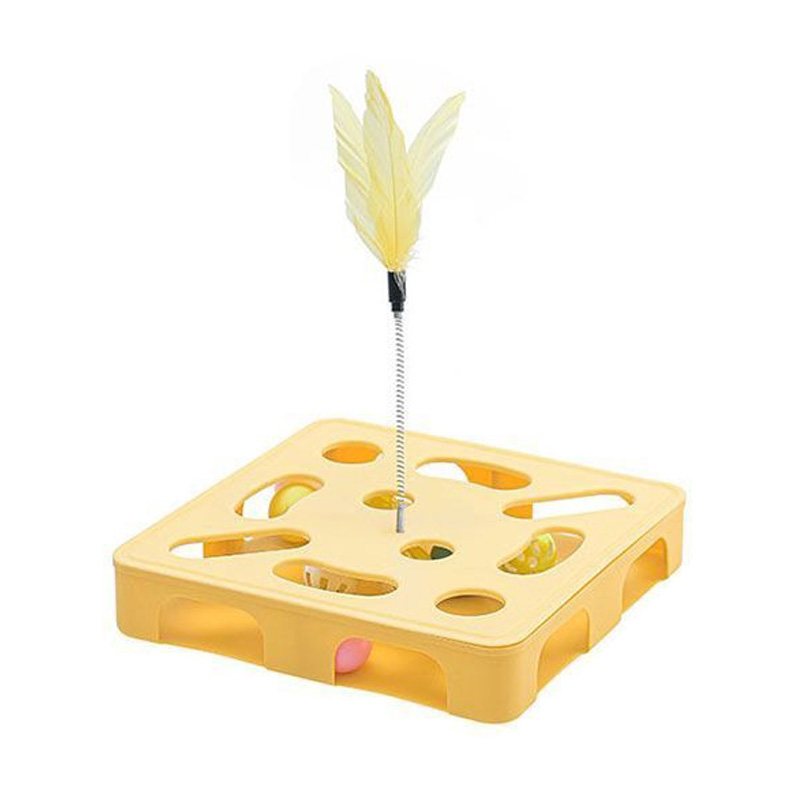
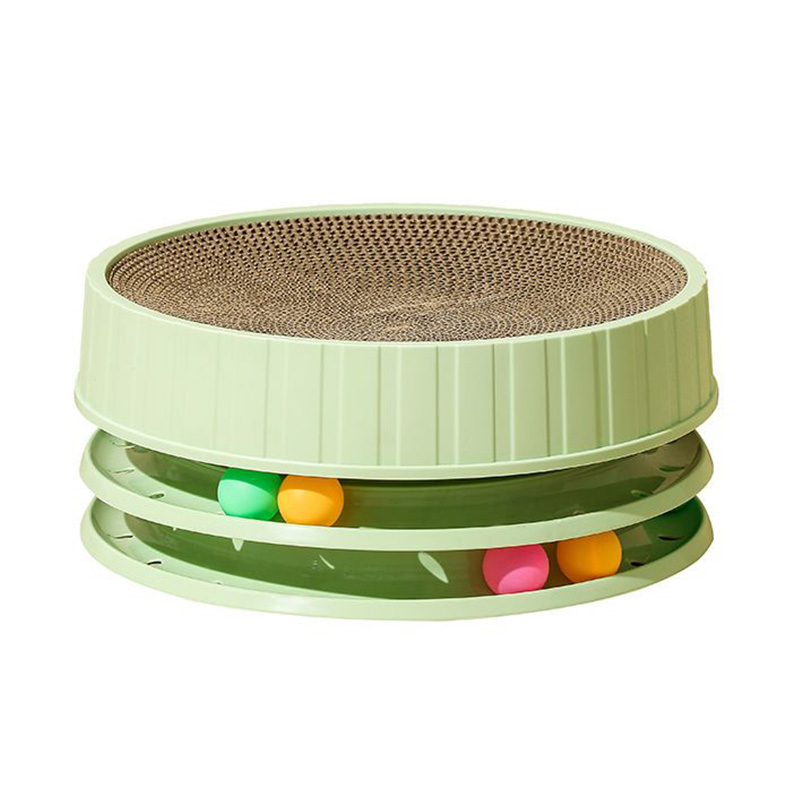
The use of a designated indoor toilet for a small puppy offers several practical advantages that address common logistical concerns.
Training relies on positive reinforcement and careful observation of the puppy's natural patterns.
Position the toilet in a quiet, low-traffic area that is still accessible to the puppy, such as a corner of a utility room or bathroom.
Introduce the puppy to the unit by placing it there after waking, eating, or playing. Use a verbal cue like "go potty" to create an association.
Supervise closely. When the puppy shows signs of needing to eliminate, such as sniffing or circling, gently guide it to the toilet.
Reward successful use immediately with a small treat and calm praise. This reinforces the desired behavior.
Clean accidents thoroughly with an enzymatic cleaner to remove odors, preventing the puppy from re-soiling the same spot. Avoid punishment, as it can create fear and hinder training progress.
The environmental impact of a plastic dog toilet involves multiple factors.
Material and Longevity: Many units are made from petroleum-based plastics. Their net impact is influenced by product durability; a robust design used for the dog's entire training period, or for multiple pets, spreads the material cost over time.
Associated Waste: The environmental burden is frequently linked to disposable components, such as single-use absorbent pads. These contribute to landfill waste.
Mitigation Strategies: The impact can be moderated by selecting a unit designed for use with washable, reusable pads or by choosing disposable pads made from recycled or biodegradable materials. Ultimately, the product's lifecycle and the owner's disposal habits determine its relative footprint.
Selecting an appropriately sized unit is necessary for functionality and comfort.


 +86-15267916893
 [email protected]
 Pukou Village, Xiaoshun Town, Jindong District, Jinhua City, Zhejiang, China
Small Puppy Dog Toilet Company

 English
 русский
 Español
 Português
 عربى
عربى