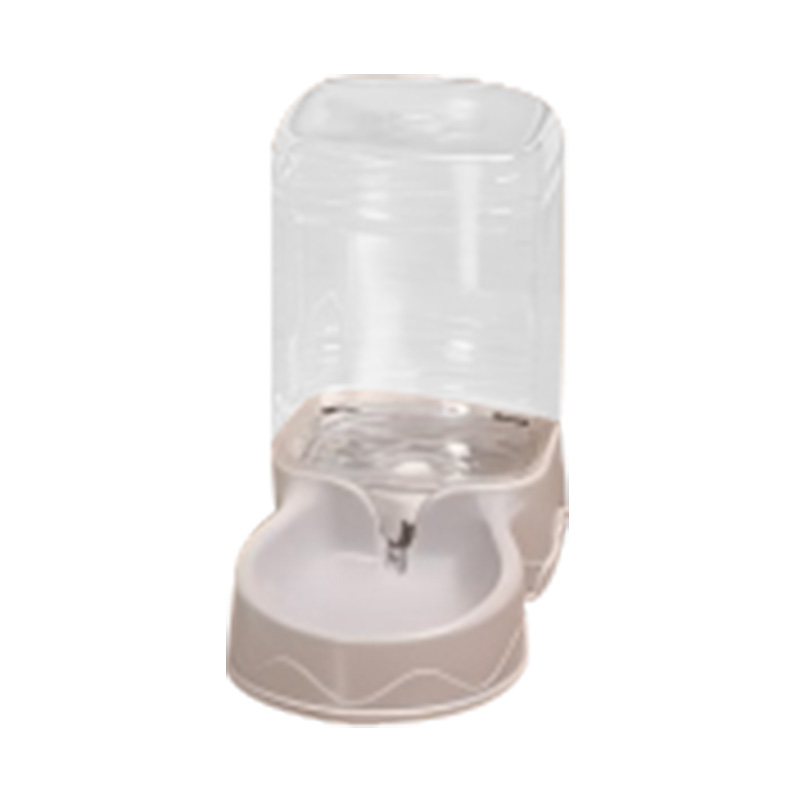
Pet Automatic Water Dispenser
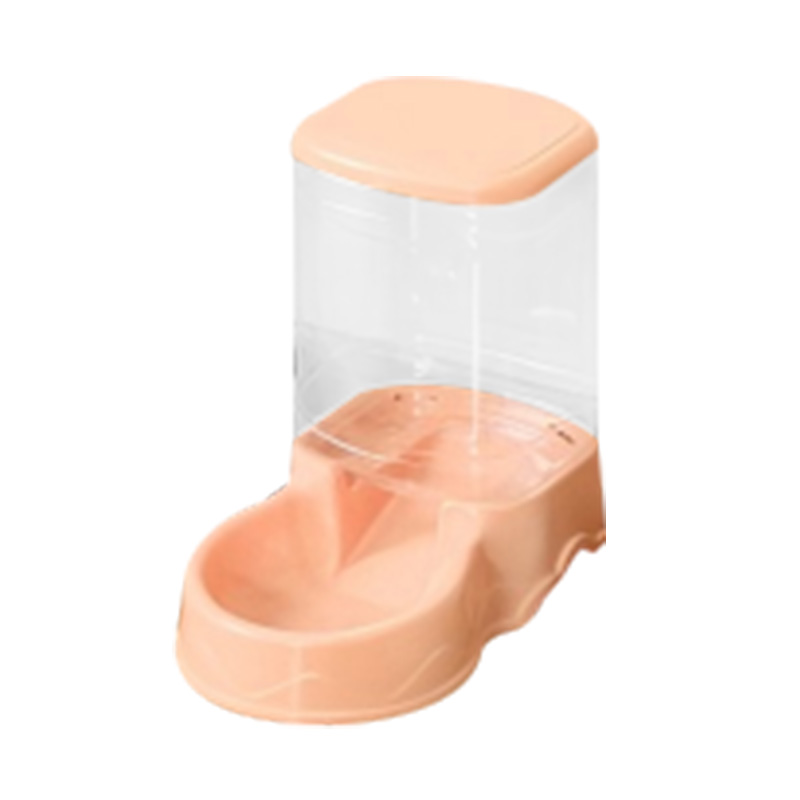
Pet Automatic Water Dispenser
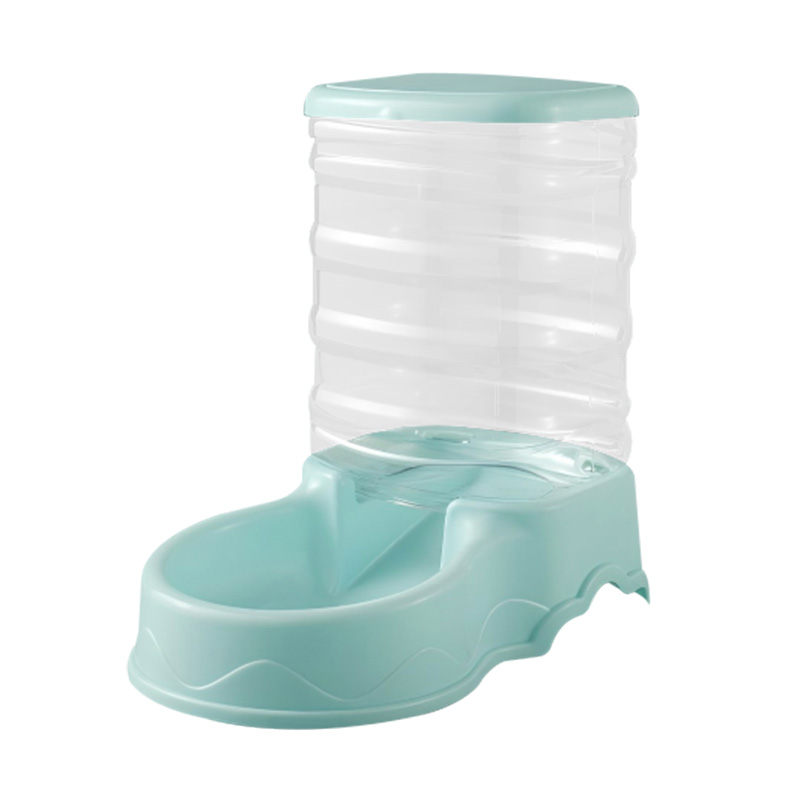
Pet Automatic Water Dispenser
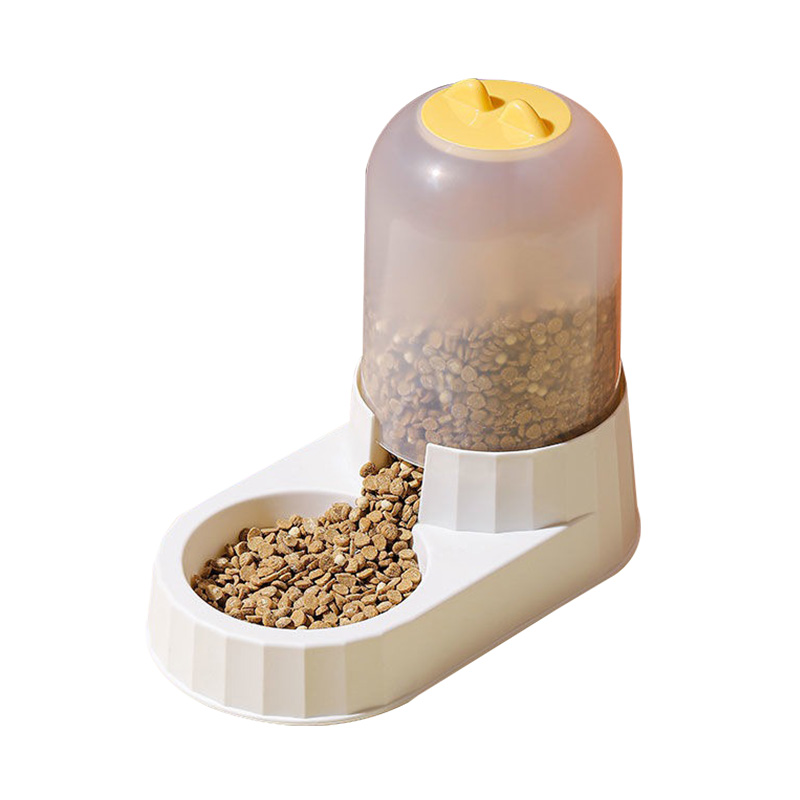
Pet Automatic Water Dispenser
Pet Automatic Water Dispenser
Pet Automatic Water Dispenser
Pet Automatic Water Dispenser
Pet Automatic Water Dispenser
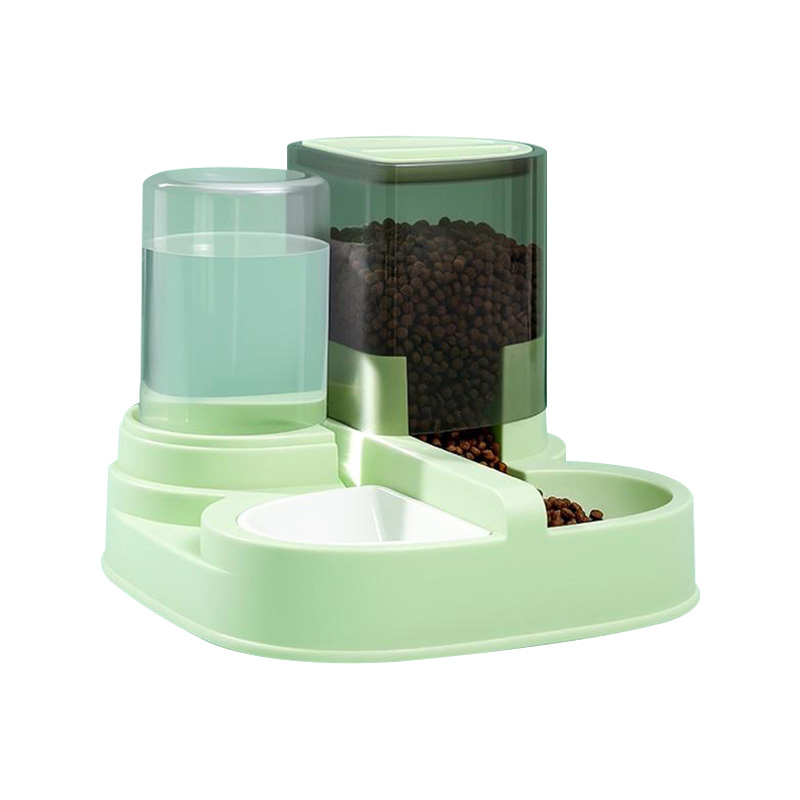
Pet Automatic Water Dispenser
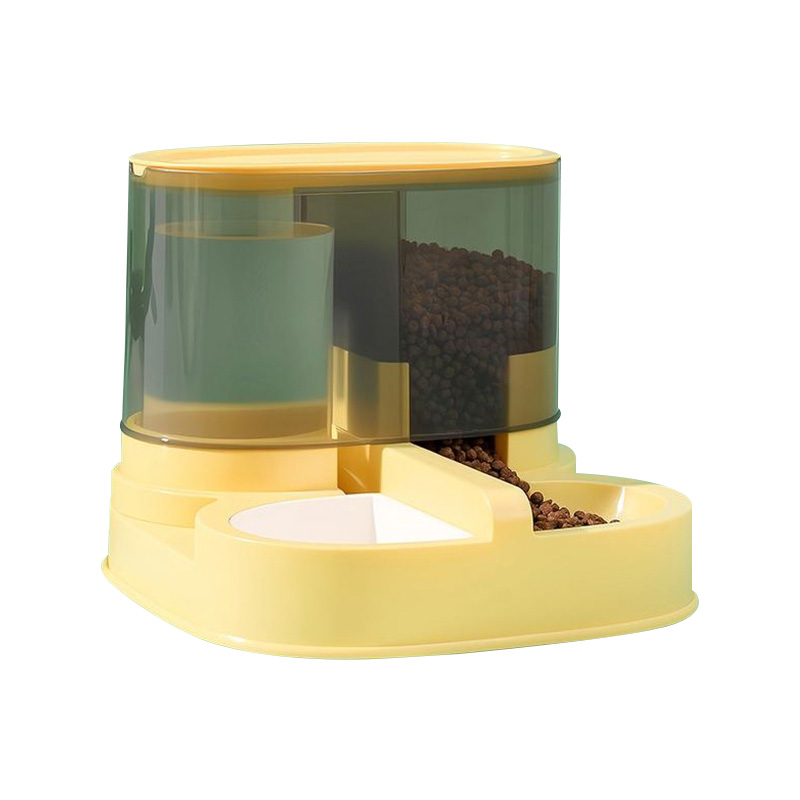
Pet Automatic Water Dispenser
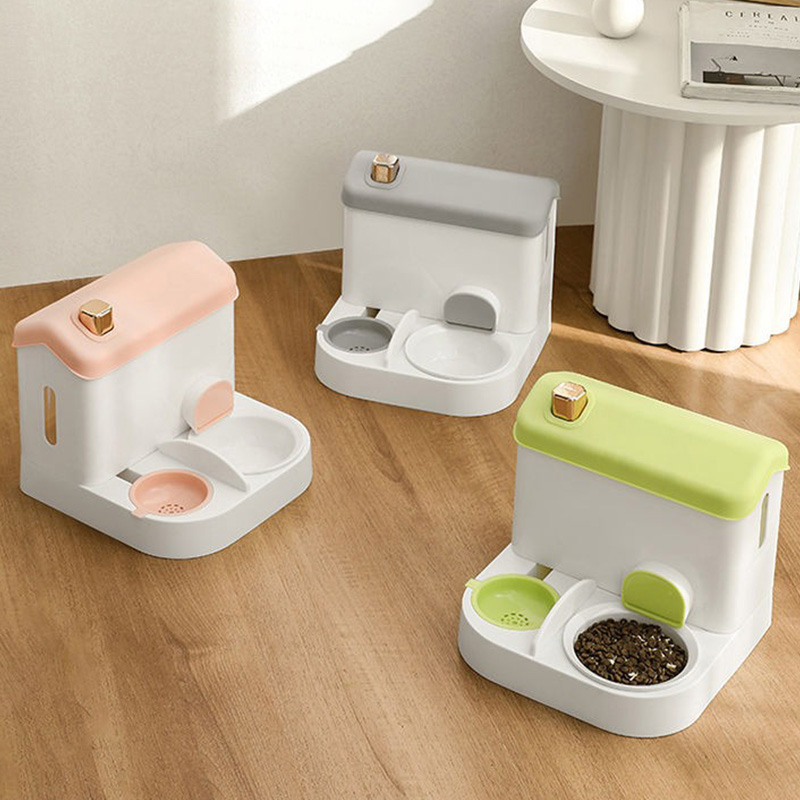
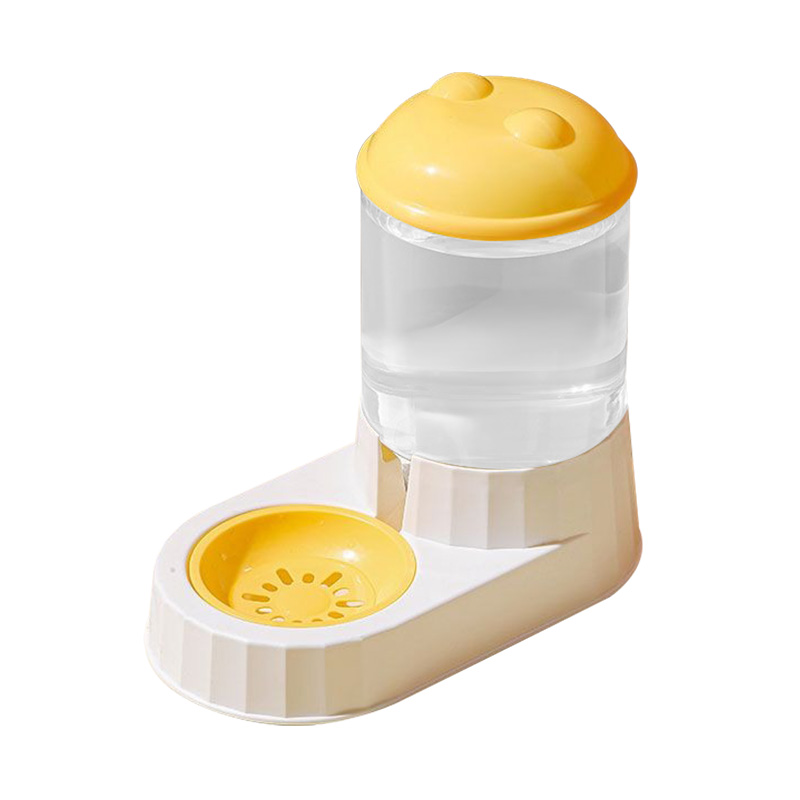
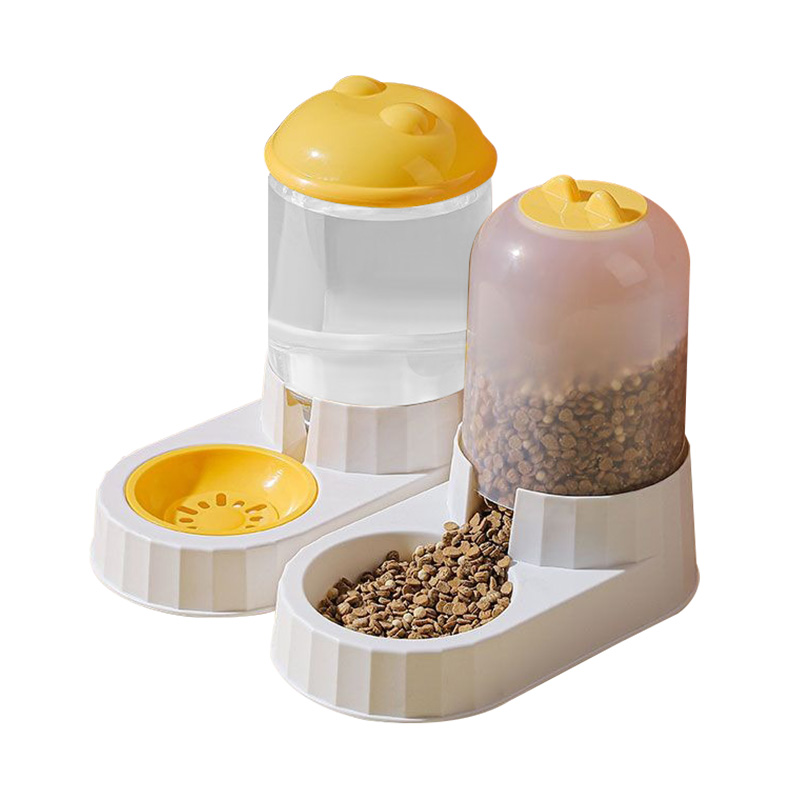
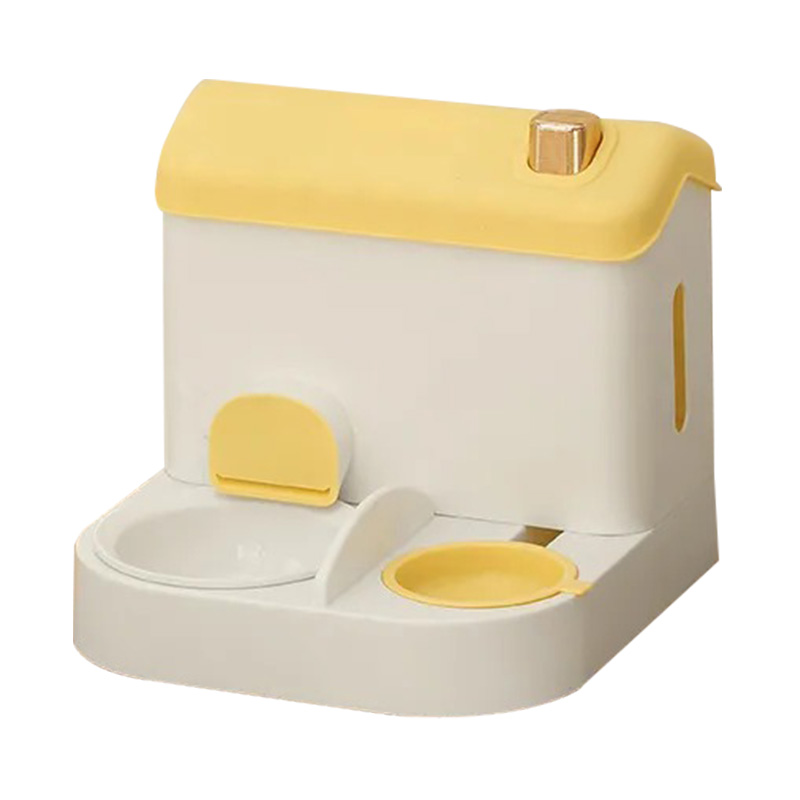
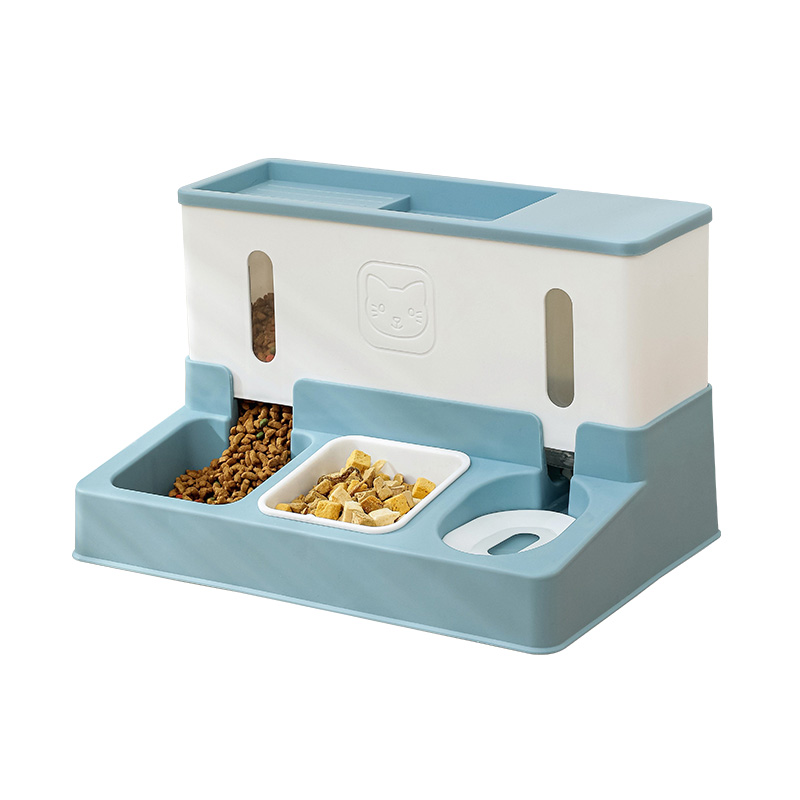
At Hongda, we manufacture high-quality Pet Automatic Water Dispensers and Feeders designed for convenience, hygiene, and smart pet care. As a trusted OEM and factory supplier, we focus on producing reliable, easy-to-use automatic feeding solutions suitable for dogs, cats, and other small animals.
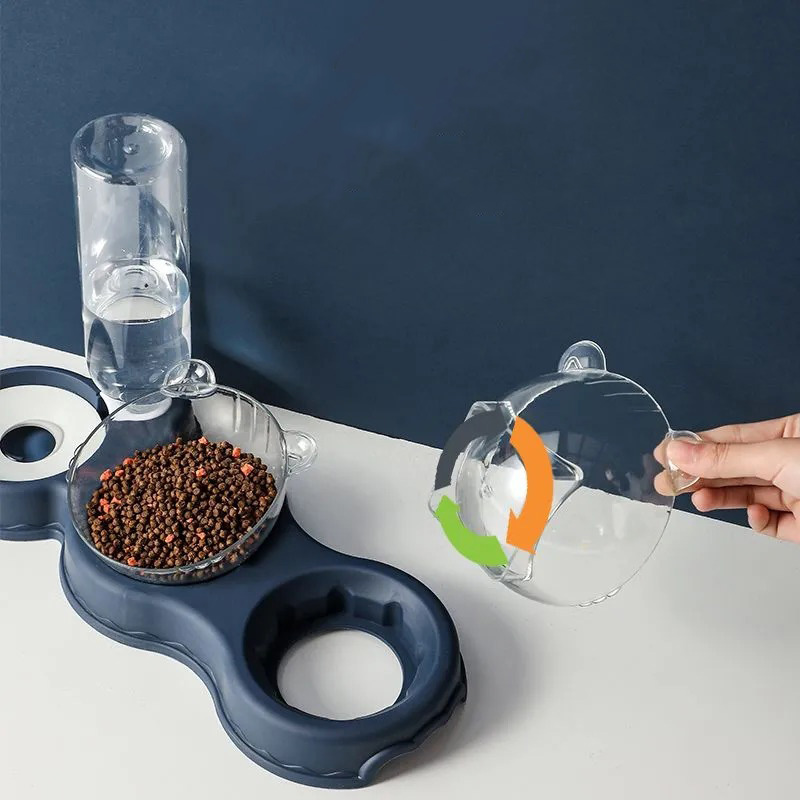
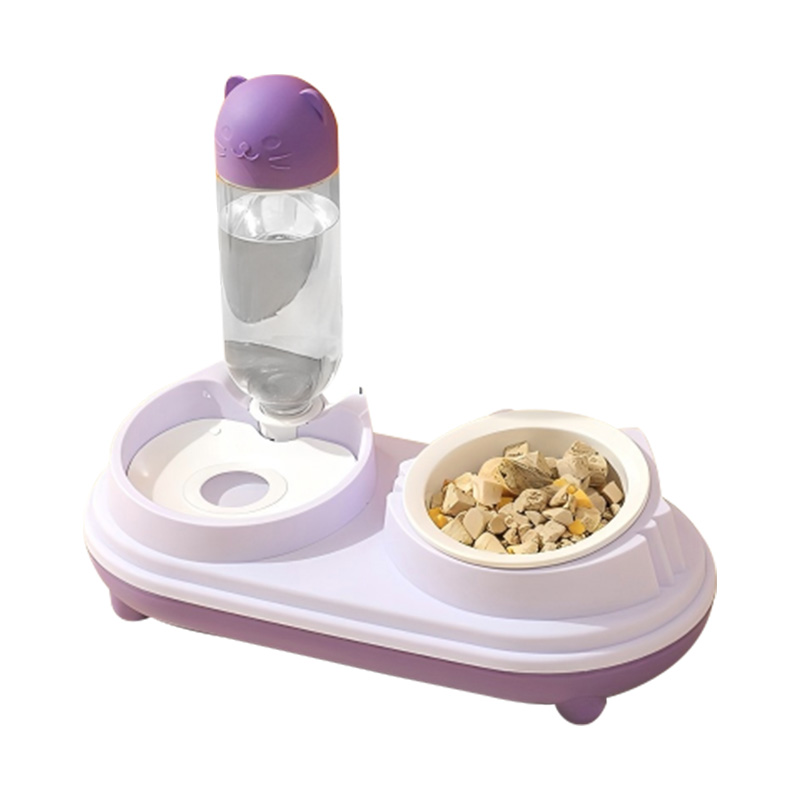
Our Pet Automatic Water Dispensers are crafted using BPA-free, food-grade materials, ensuring safe and continuous hydration for pets. With gravity-fed or siphon-based water flow systems, they ensure fresh water is always available without the need for constant refilling. Our dual-function models combine food and water compartments for an all-in-one solution.
With years of manufacturing experience, Hongda offers OEM/ODM customization, including product color, branding, and packaging design, to meet your market needs. We support bulk production with a strong commitment to quality control and timely delivery.
Whether for retail brands, e-commerce sellers, or distributors, Hongda's Pet Automatic Water Dispensers offer a practical, modern solution for everyday pet care. Our goal is to support pet owners with smart, safe, and easy-to-maintain products.
Partner with Hongda—your dependable source for efficient and innovative pet hydration and feeding systems.

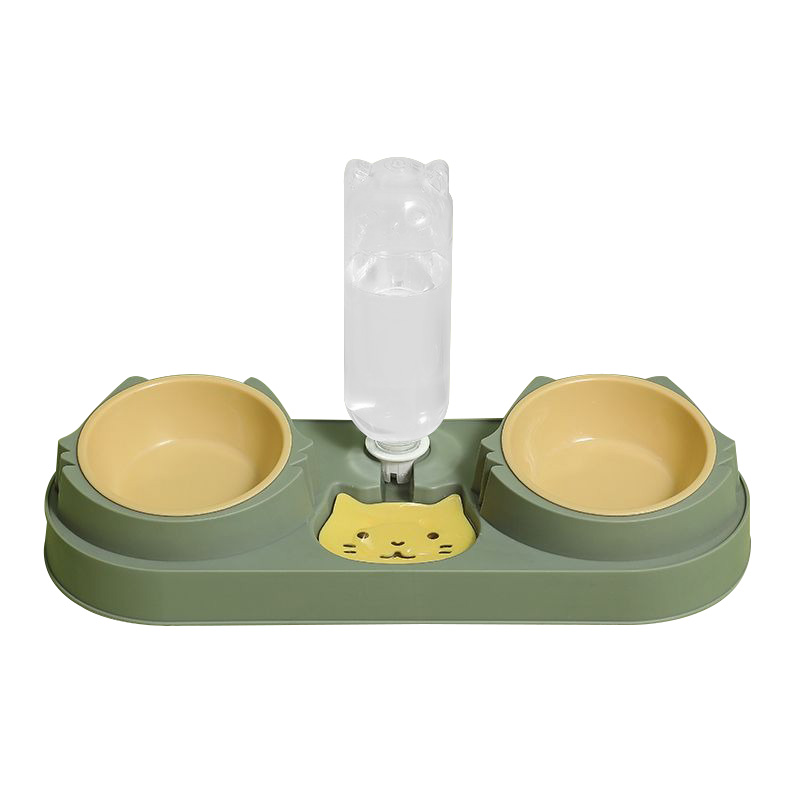
① Understanding baseline power draw
Many pet automatic water dispensers rely on compact circulation pumps operating within a low wattage range. These pumps are engineered for continuous duty cycles, but their electrical demand is generally comparable to small consumer electronics. As a result, total energy consumption over a day tends to remain limited when measured against household appliances with heating elements or motors.
② Influence of operating modes
Some dispensers incorporate intermittent flow settings, motion detection, or timer-based activation. These features reduce pump runtime, lowering cumulative energy usage. Units configured for uninterrupted circulation will naturally consume more electricity, although the difference often reflects duration rather than increased instantaneous load.
③ Design efficiency factors
Hydraulic channel geometry, impeller efficiency, and friction losses inside tubing contribute to energy behavior. Optimized flow paths allow pumps to maintain circulation with reduced mechanical resistance. Filtration density also plays a role; clogged or overly dense filters can increase motor effort and slightly raise power draw.
④ Environmental and usage context
Ambient temperature, water level consistency, and maintenance intervals influence operational efficiency. Running pumps without sufficient fluid coverage or with mineral buildup may cause inefficiency. Regular cleaning supports steady mechanical performance and stable electrical demand.
Modern feeders usually operate on low-voltage adapters and insulated pump housings designed to isolate conductive components from accessible surfaces. Compliance with electrical safety standards and use of certified adapters reduce exposure risk. Users are advised to position units away from cable tension points and inspect cords periodically.
Materials in contact with water often include food-contact-grade plastics, ceramics, or stainless steel. These substrates are selected for chemical stability and cleanability. Verification of manufacturer documentation and avoiding prolonged use of visibly degraded components helps maintain safe conditions.
Standing water and filtration elements may accumulate biological residue over time. Scheduled replacement of filters and cleaning of reservoirs mitigate this risk. Routine sanitation procedures form a central part of maintaining hygienic operation rather than indicating inherent design risk.
Animals unfamiliar with automated flow may require adjustment periods. Observing initial interactions ensures that access points remain unobstructed and that the device is sized appropriately. Stable placement prevents tipping and unintended mechanical stress.
Safe use depends on installation diligence, maintenance consistency, and adherence to instructions rather than reliance on a single design feature.
Automatic feeders encompass varied architectures shaped by timing logic, storage arrangement, and connectivity. Classification facilitates product comparison and procurement decisions.
|
Classification Basis |
Category Type |
Functional Description |
Application Context |
|
Dispensing Control Method |
Timer-driven feeders |
Release portions at preset intervals |
Structured daily feeding routines |
|
|
Sensor-responsive feeders |
Trigger distribution based on detection input |
Adaptive feeding environments |
|
Storage Configuration |
Gravity-fed units |
Rely on passive refill from elevated reservoir |
Continuous availability setups |
|
|
Compartmentalized trays |
Separate sealed segments opened sequentially |
Portion sequencing control |
|
Connectivity Integration |
Standalone mechanical units |
Operate without network interfaces |
Minimal configuration requirements |
|
|
Network-linked feeders |
Interface with mobile or cloud systems |
Remote monitoring scenarios |
|
Power Supply Arrangement |
Battery-supported devices |
Operate through replaceable cells |
Flexible placement contexts |
|
|
Mains-powered devices |
Utilize continuous external power |
Long-duration stationary deployment |
These classification dimensions are not mutually exclusive. A feeder may integrate timer logic, segmented storage, and network communication simultaneously. Understanding structural categorization aids in aligning device selection with environmental, behavioral, and operational constraints.



 +86-15267916893
 [email protected]
 Pukou Village, Xiaoshun Town, Jindong District, Jinhua City, Zhejiang, China
Pet Automatic Feeder Price

 English
 русский
 Español
 Português
 عربى
عربى