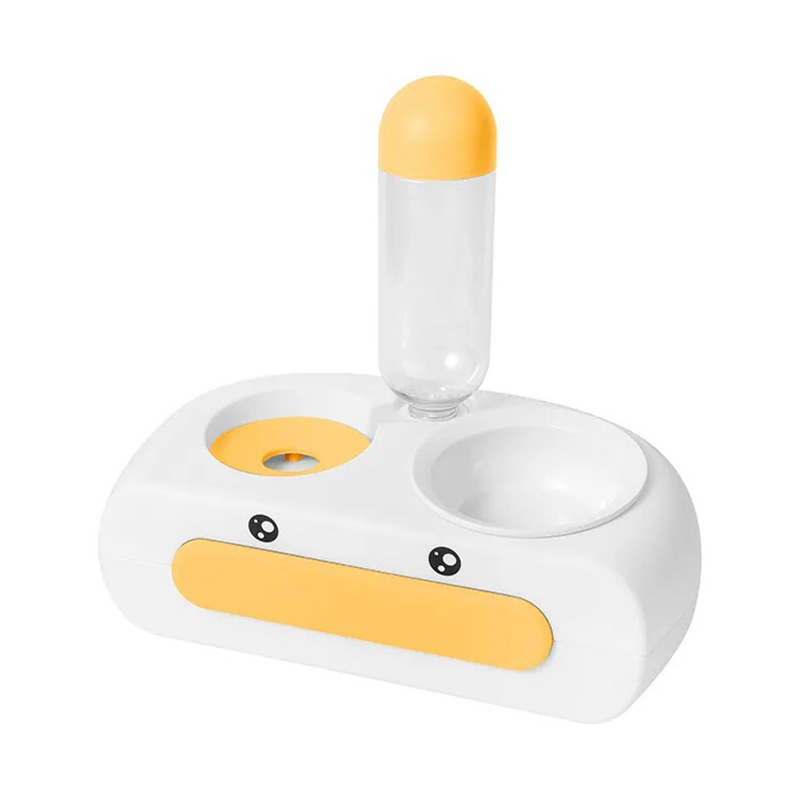
Pet Bowl
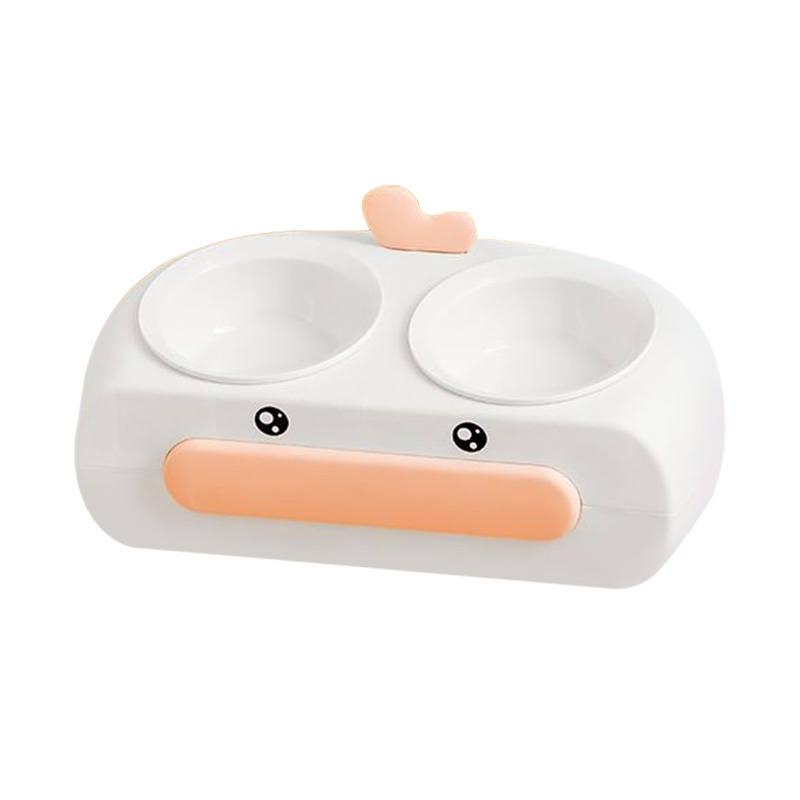
Pet Bowl
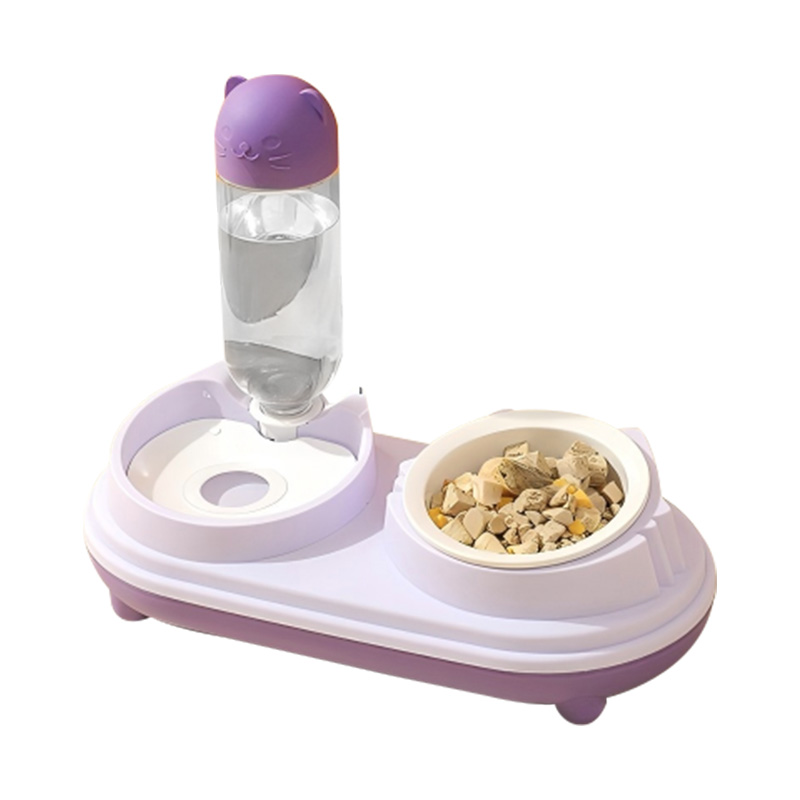
Pet Bowl
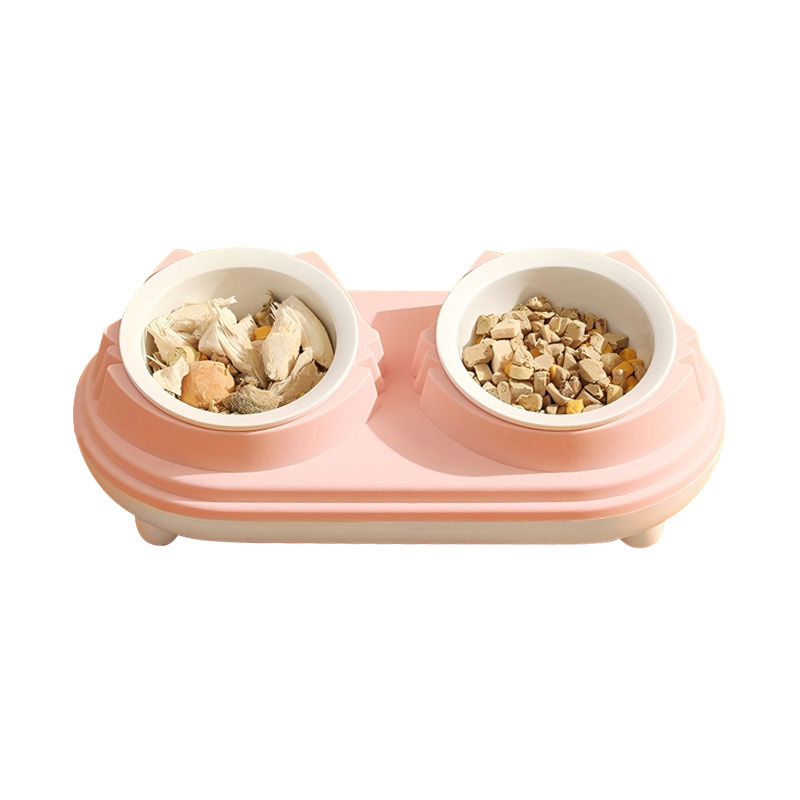
Pet Bowl

Pet Bowl

Pet Bowl
Pet Bowl
Pet Bowl
Pet Bowl
Pet Bowl
Pet Bowl
Pet Bowl
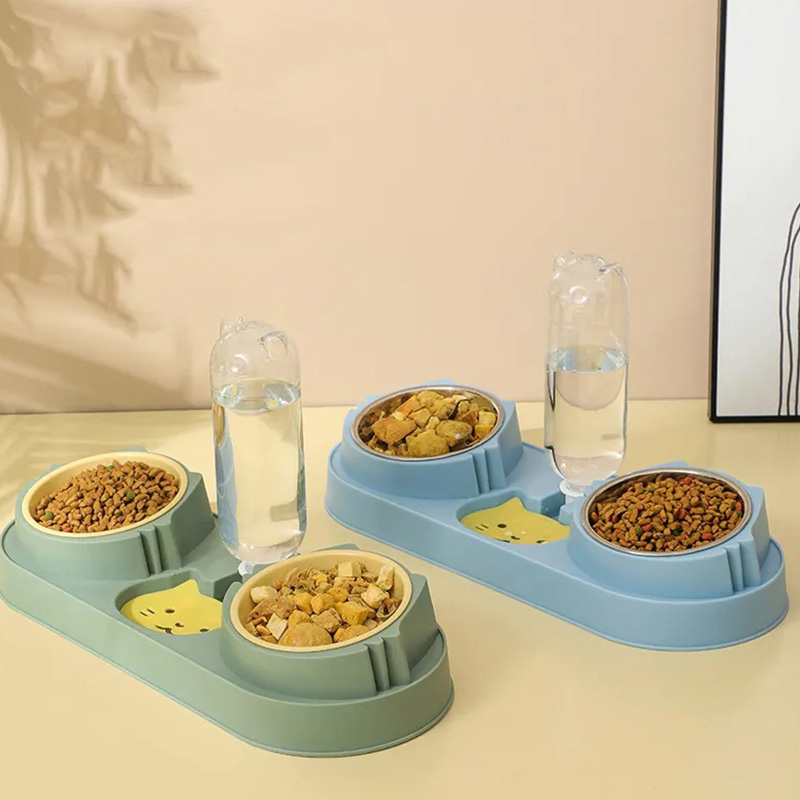
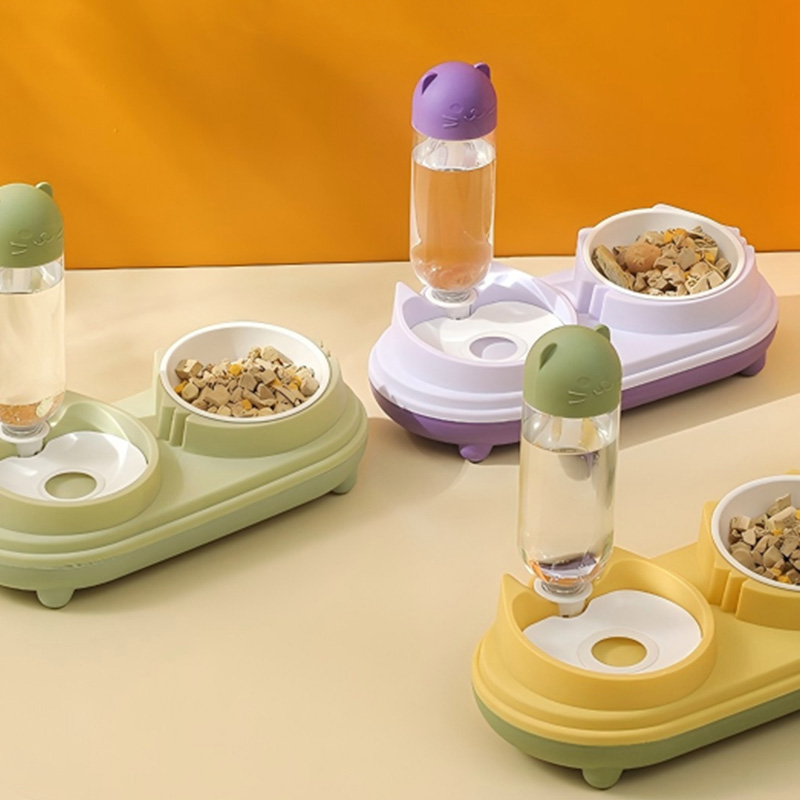
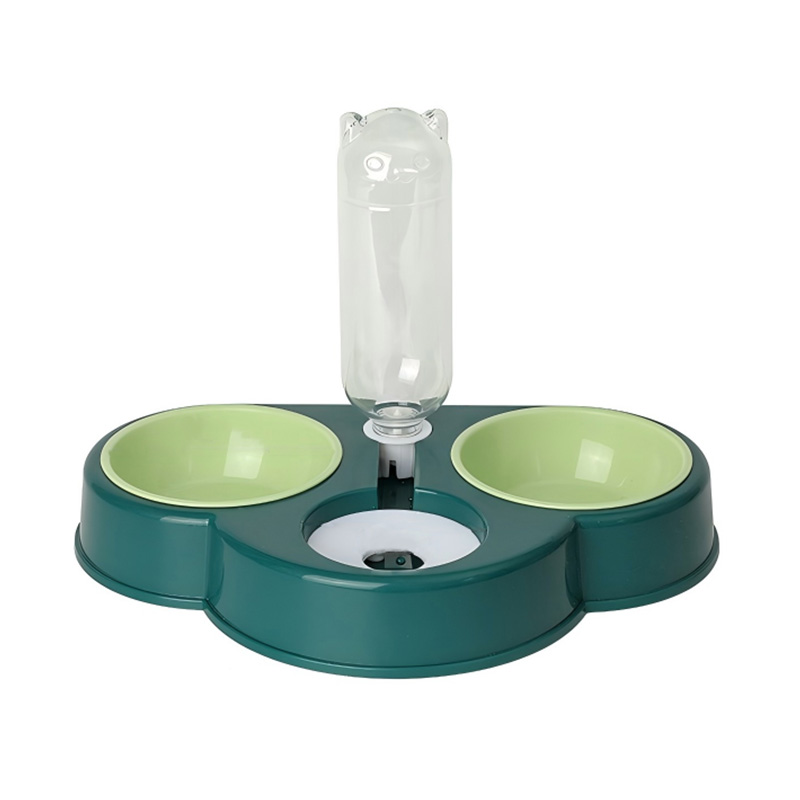
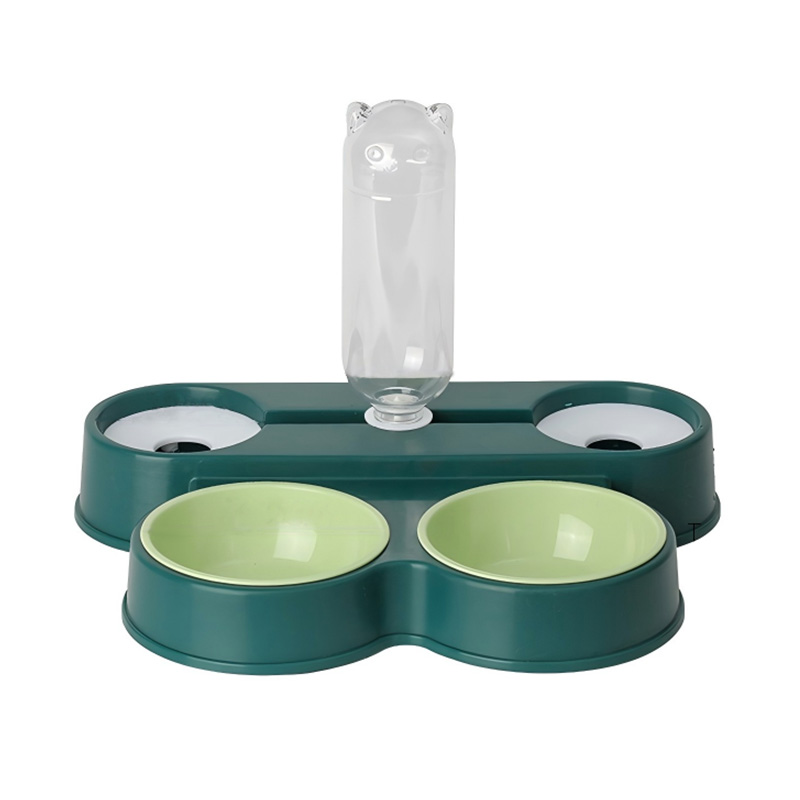
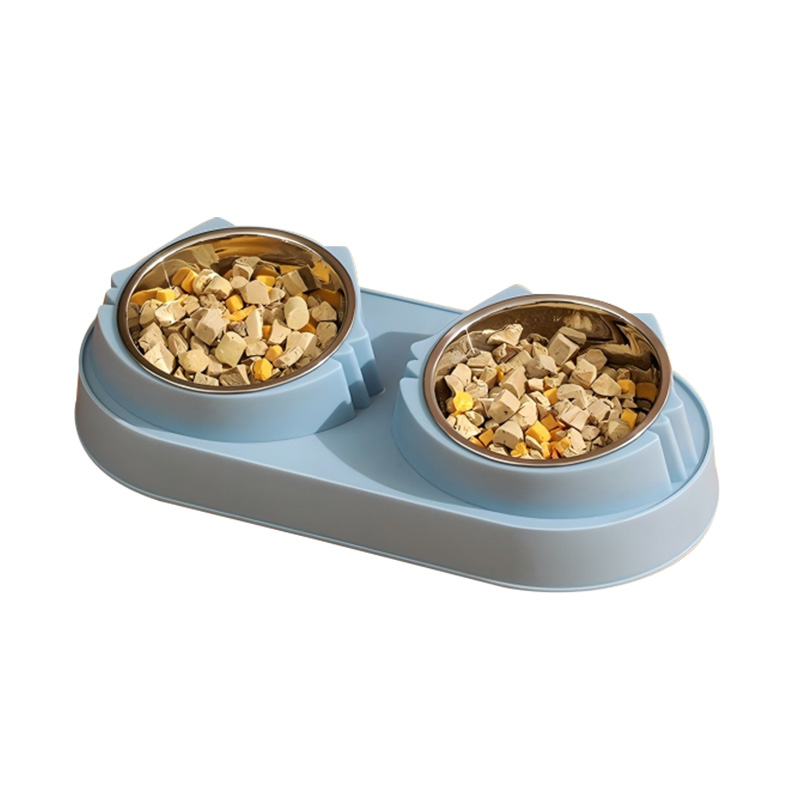
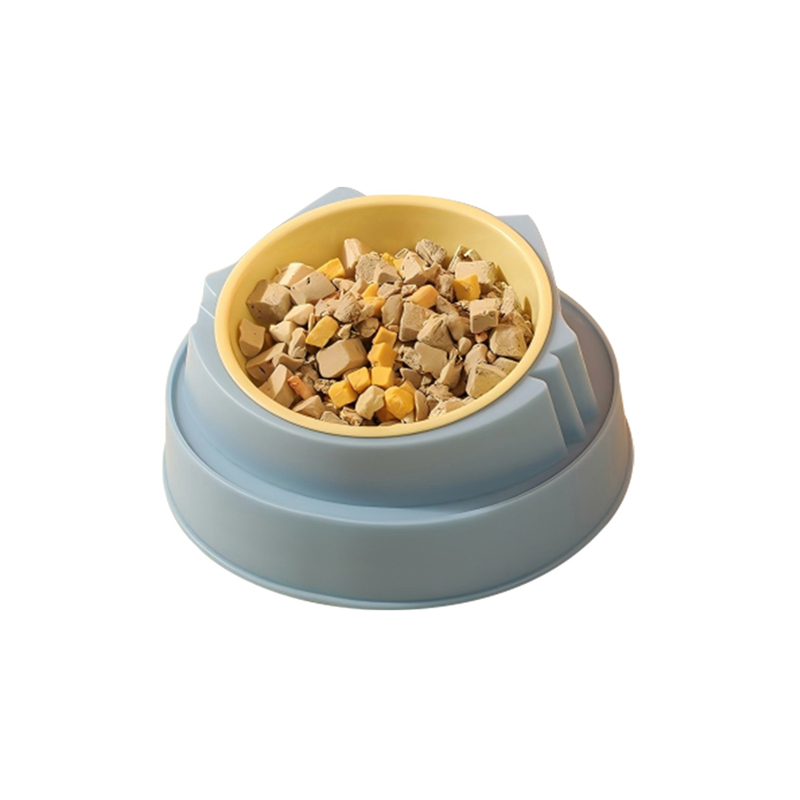
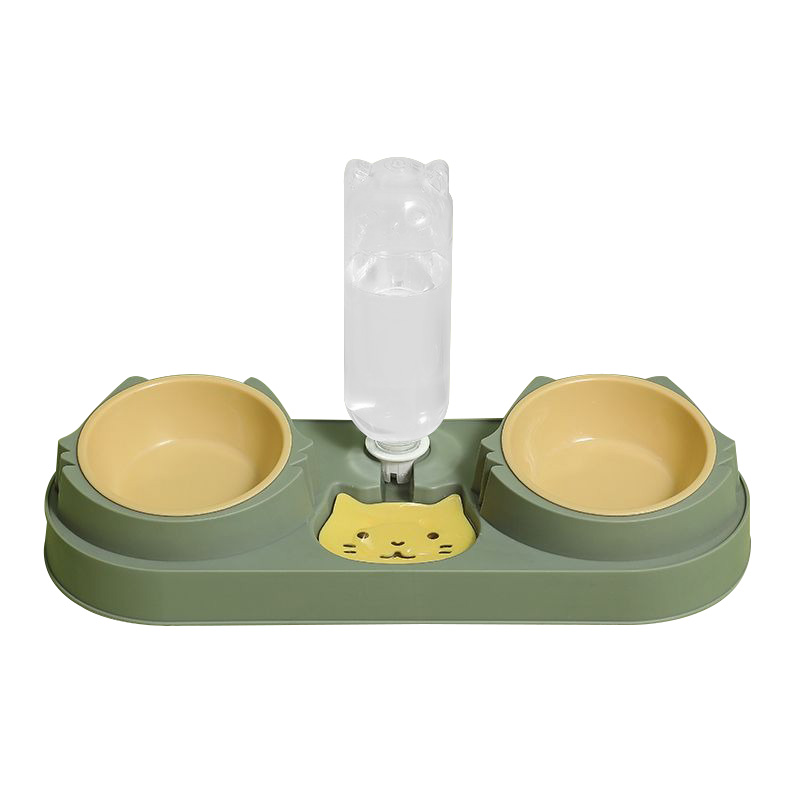
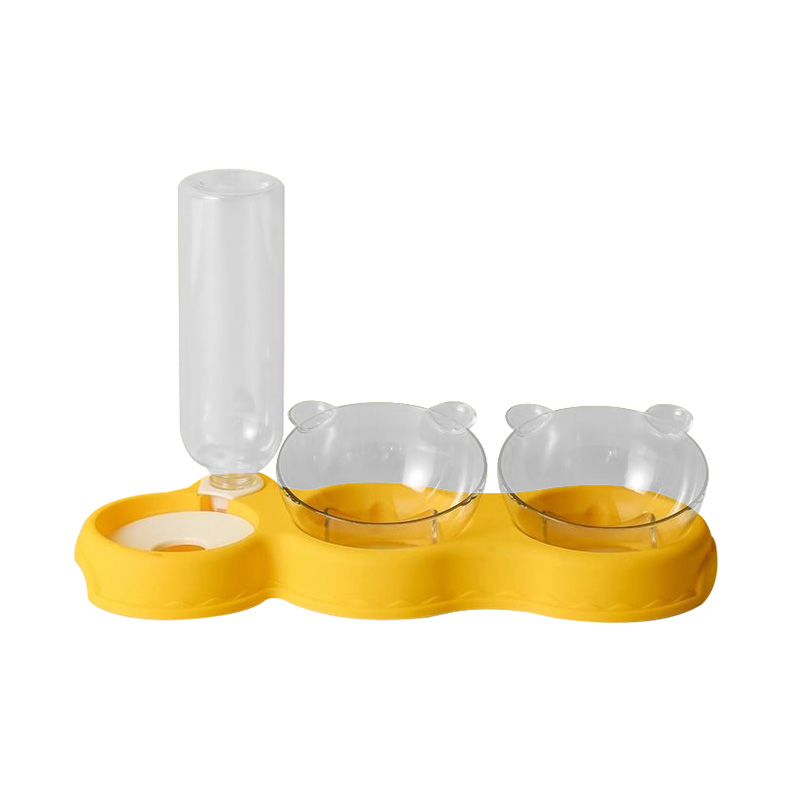
As a professional manufacturer and OEM factory, Hongda specializes in producing high-quality Pet Bowls designed to meet the diverse needs of pets and their owners. With years of experience in pet product manufacturing, we focus on functionality, durability, and comfort, offering a wide range of pet bowls including stainless steel bowls, non-slip silicone base bowls, tilted designs for spine protection, and automatic feeding sets.
At Hongda, we understand that pets are family. That's why our pet bowls are crafted from food-grade, eco-friendly PP materials, ensuring safety and hygiene. Whether for dogs, cats, or small animals, our designs aim to support healthy eating posture and reduce mess during meals.
We provide OEM/ODM services to global partners, supporting custom logos, colors, packaging, and product innovations. Our factory is equipped with advanced injection molding and assembly lines, enabling large-scale production with strict quality control processes.
With a focus on R&D, cost-efficiency, and customer satisfaction, Hongda is your reliable source for competitive pet feeding solutions. We welcome inquiries from distributors, brand owners, and retailers seeking dependable factory support for private labeling or custom designs.
Choose Hongda Pet Bowl Solutions—where quality meets care, and manufacturing meets trust.
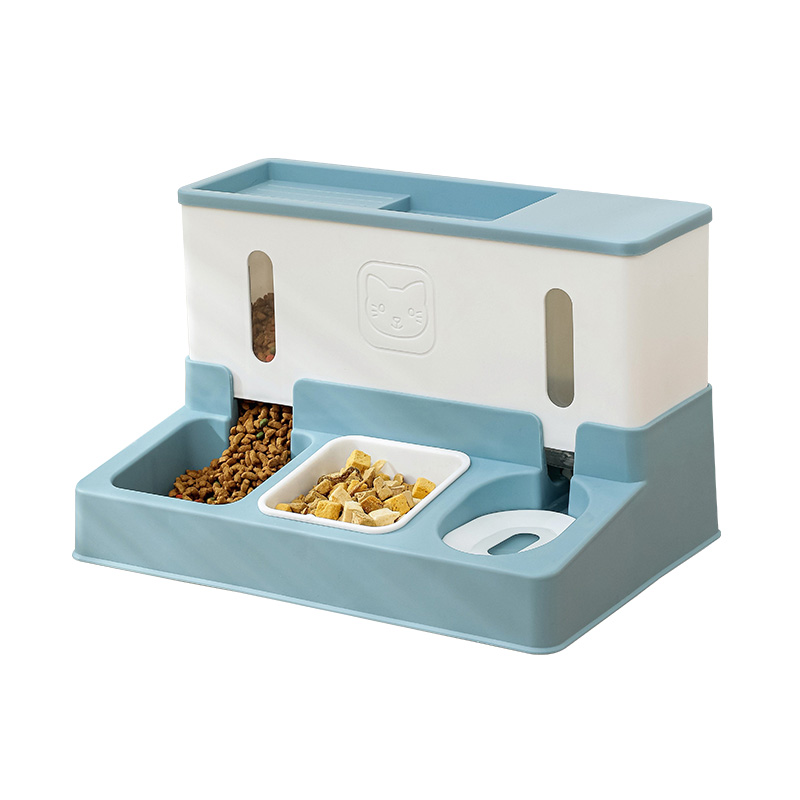
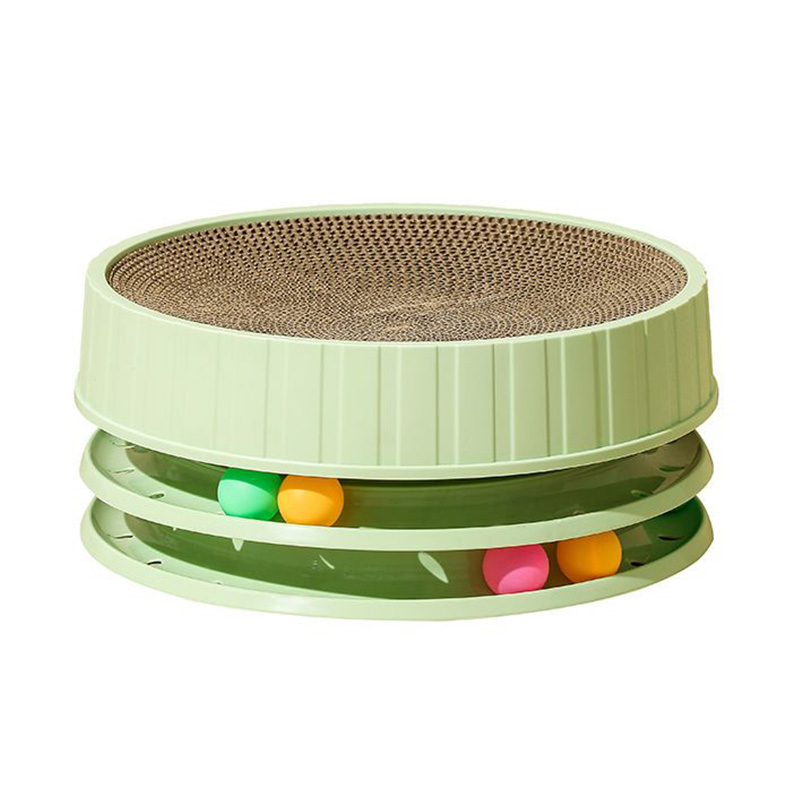
Pet bowls are fabricated from several common materials, each with distinct characteristics.
Stainless Steel: This material is noted for its durability and resistance to corrosion. It is non-porous, which hinders bacterial growth, and is generally simple to clean. Its weight provides stability, preventing easy tipping.
Ceramic: Often heavier than other types, ceramic bowls offer stability. They should be glazed properly to create a non-porous surface. It is advisable to select ceramics certified as lead-free.
Plastic: Lightweight and economical, plastic bowls are common. However, they can develop scratches over time, which may harbor bacteria. Some pets might exhibit sensitivities to certain plastics.
Silicone: Flexible and lightweight, silicone bowls are often used for travel due to their collapsible nature. They are typically resistant to stains and odors if manufactured from food-grade material.
Melamine: This is a type of hard plastic designed to resemble ceramic. It is durable and chip-resistant, but is not suitable for microwave use and can be damaged by extreme heat.
The choice among these materials involves balancing factors such as a pet's size, potential for allergies, and the intended use of the bowl.
Choosing a correctly sized automatic water bowl ensures a pet remains hydrated without constant refilling.
A methodical selection process helps maintain a consistent and clean water supply.
Disposable bowls, often made from pressed paper or biodegradable materials, are intended for temporary use and require consistent attention.
Acknowledge Single-Use Design: Recognize that these bowls are not manufactured for prolonged durability. Their material breaks down with exposure to moisture and repeated use.
Implement a Daily Replacement Rule: For sanitary purposes, dispose of and replace a disposable bowl after each meal or watering session. This prevents food residue and saliva from degrading the material and creating a medium for bacterial growth.
Address Immediate Contamination: If the bowl becomes excessively soiled, wet, or damaged during use, replace it immediately. Do not attempt to reuse a compromised disposable bowl.
Avoid Using for Perpetual Access: Disposable bowls are not suitable for leaving food or water available over many hours, as the material will deteriorate. They function better for controlled, short-duration feeding events.
Ensure Proper Disposal: Follow local guidelines for disposing of the bowl material, especially if it is labeled as compostable or biodegradable, as specific conditions may be required for proper breakdown.
Adhering to a strict replacement schedule is necessary when using disposable products to uphold hygiene standards.
Pet bowls degrade with time and use, and recognizing signs of wear is important for maintaining a safe feeding environment.
Regular inspection allows for the timely replacement of worn items, supporting ongoing cleanliness and safety.

 +86-15267916893
 [email protected]
 Pukou Village, Xiaoshun Town, Jindong District, Jinhua City, Zhejiang, China
Disposable Dog Bowls Factory

 English
 русский
 Español
 Português
 عربى
عربى