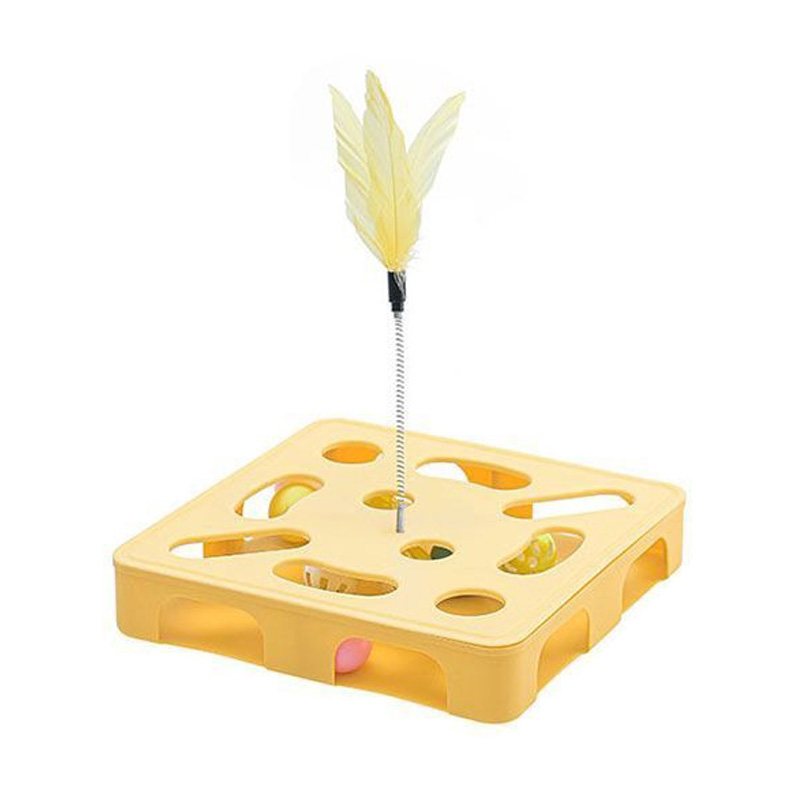
Pet Toy
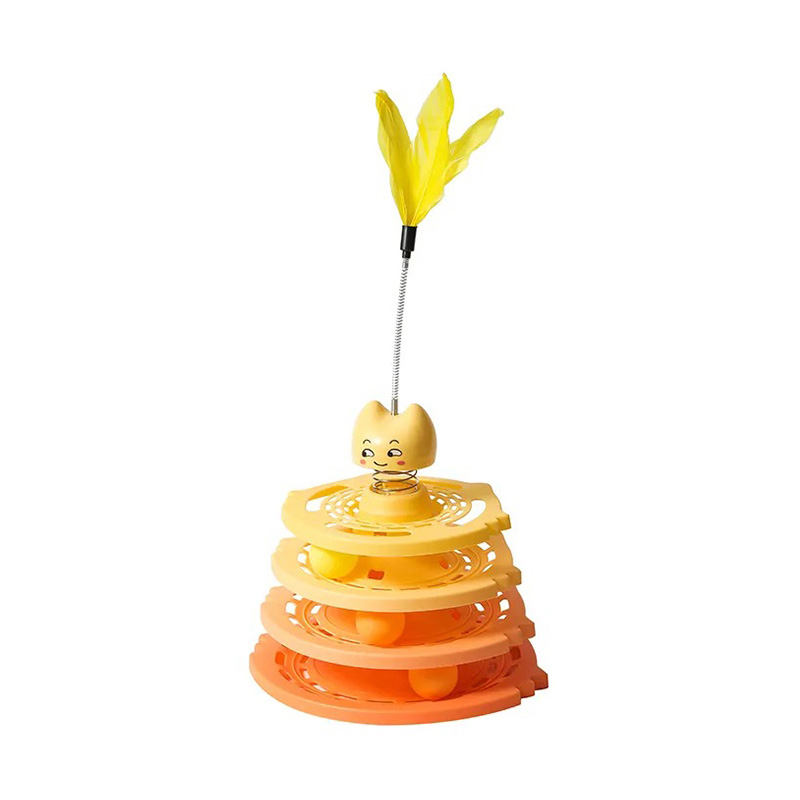
Pet Toy
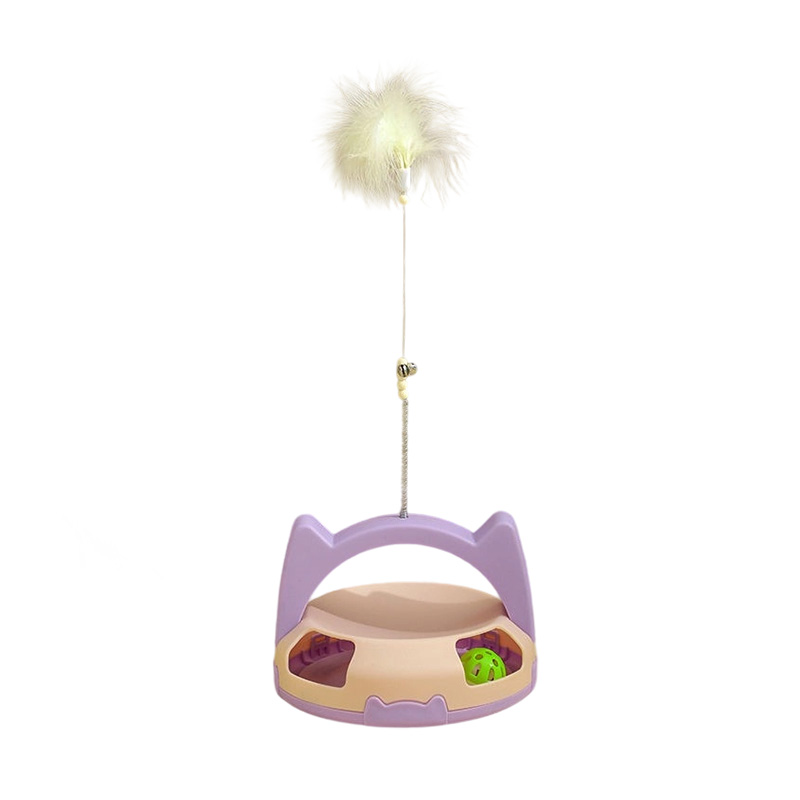
Pet Toy
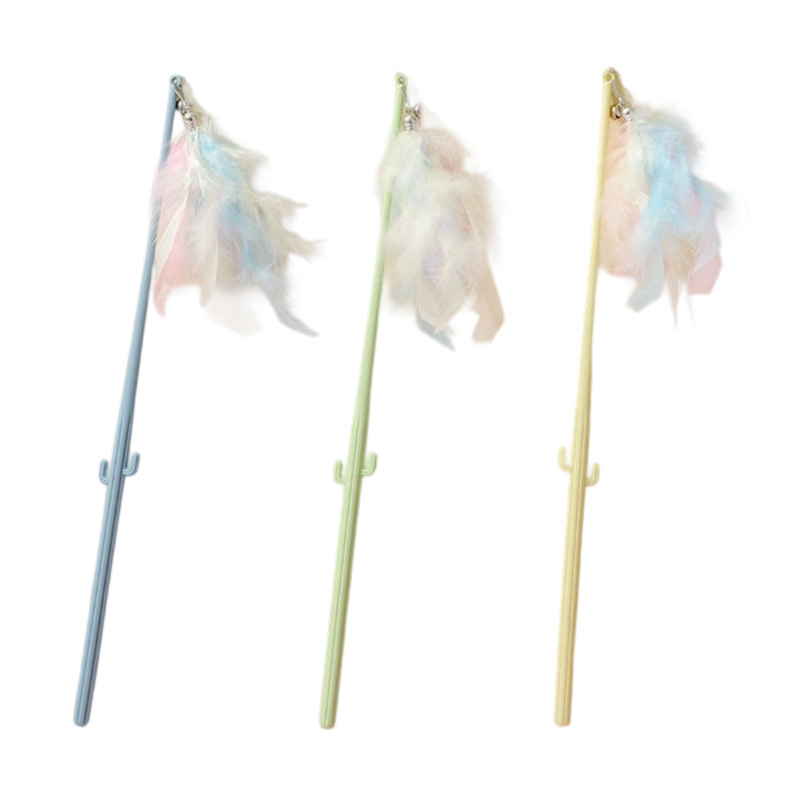
Pet Toy
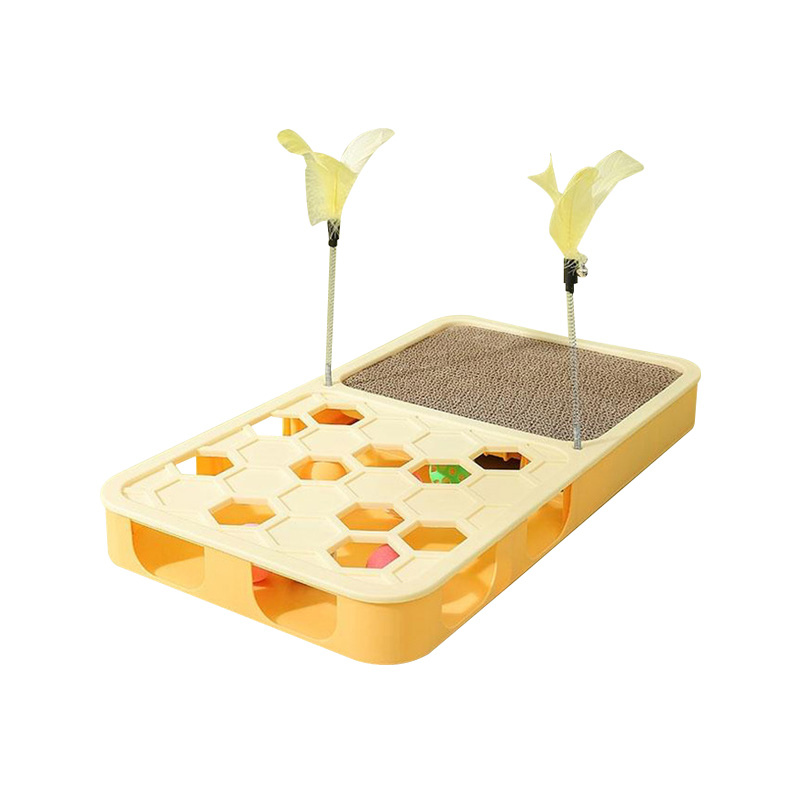
Pet Toy
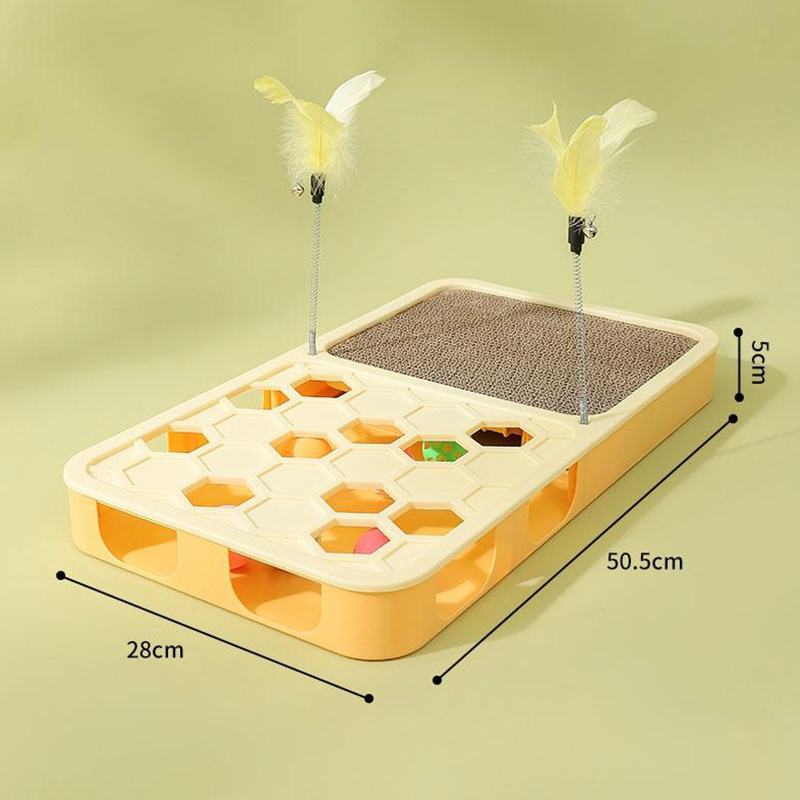
At Hongda, we specialize in manufacturing a wide range of Pet Toys, with a strong focus on interactive cat entertainment products such as teaser wands, cat turntables, and multi-level activity disks. As a professional OEM factory, we are dedicated to creating engaging, safe, and durable toys that promote physical activity and mental stimulation for pets.
Our cat teaser wands are designed with feather attachments, elastic cords, and lightweight materials to mimic real prey and spark natural hunting instincts. The cat turntables and play disks feature rolling balls and layered structures that keep cats entertained and active, helping reduce boredom and anxiety in indoor environments.
All Hongda pet toys are made from non-toxic, eco-friendly materials and undergo strict quality inspections to ensure safety and long-lasting performance. We offer full OEM/ODM services, allowing partners to customize product colors, shapes, packaging, and branding to suit various market demands.
With advanced production lines and a commitment to innovation, Hongda is your reliable manufacturing partner for fun, safe, and market-ready pet toys. Choose Hongda to bring engaging pet play solutions to your customers—where quality, creativity, and care come together.

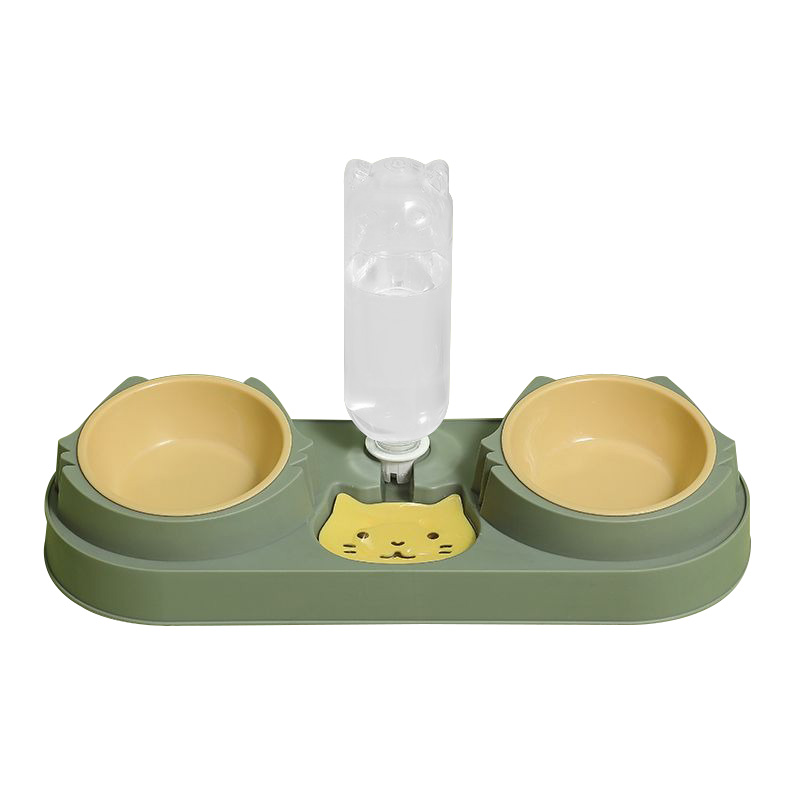
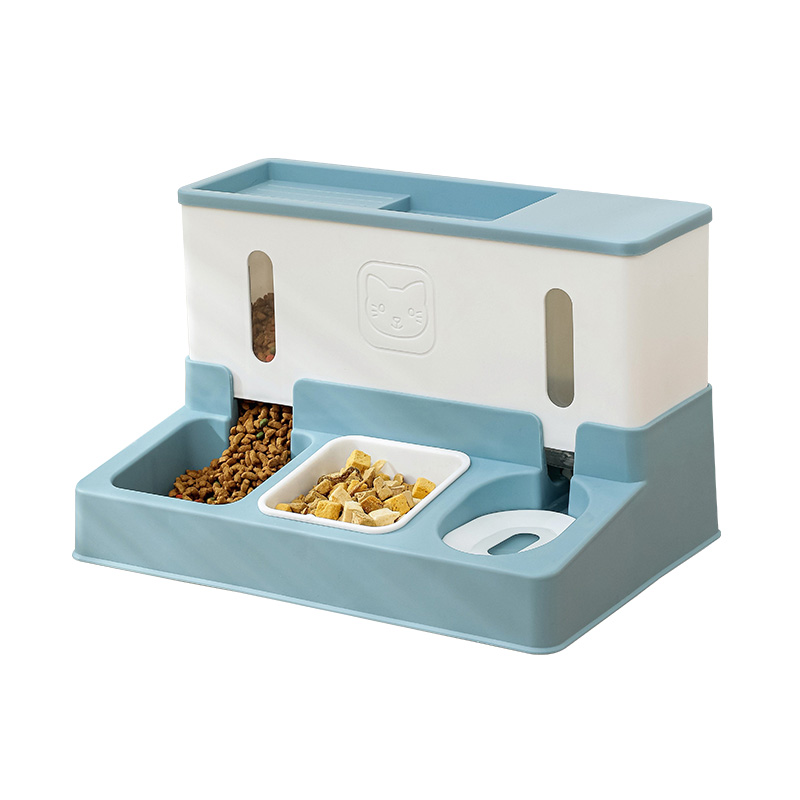
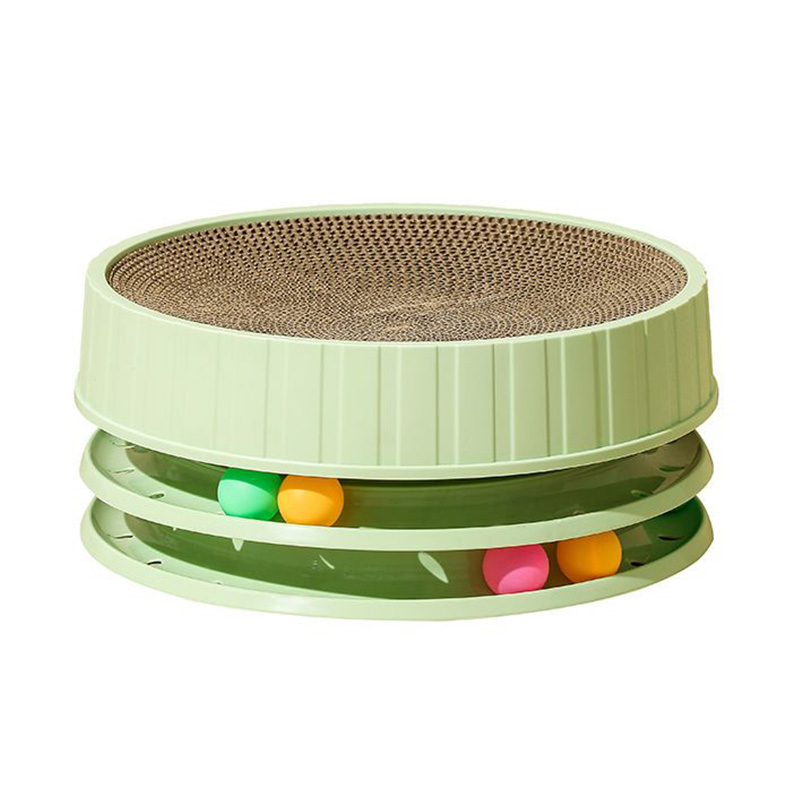
Engaging a cat in play is a recognized part of supporting its physical and mental well-being. Teaser sticks, a common type of interactive toy, often raise practical questions regarding their use, selection, and purpose.
Signs of engagement can include focused attention, dilated pupils, crouched posture, and tail twitching. Audible cues like chirping or chattering may be present. Physical engagement, such as swatting, pouncing, and biting the toy, demonstrates active play. Disinterest is shown by the cat looking away, walking away, or engaging in grooming.
Experimenting with different toy types, such as wand toys, small rolling balls, or crinkle items, can be helpful. Mimicking the movement of prey, like a scurrying rodent or a fluttering insect, with the toy often triggers interest. Scheduling short play sessions during a cat's active periods, typically dawn and dusk, may align with its natural instincts.
Rotating toys and storing them between sessions can help maintain a cat's novelty and curiosity. This practice also allows for inspection of toys for wear, ensuring they remain safe. For interactive wand toys, secure storage prevents a cat from becoming entangled in strings or cords when unsupervised.
Short, daily sessions are generally more effective than infrequent, extended play. Two or three sessions, each lasting around 10 to 15 minutes, can align with a cat's natural activity patterns. The frequency and duration can be adjusted based on the cat's age, health, and displayed interest. Concluding a session on a positive note, perhaps with a small treat, can create a satisfying routine.
Several factors merit attention during selection. Assess the durability of the construction. The rod should have a degree of flexibility without being brittle, and connections between the rod, string, and toy attachment should be secure. Second, evaluate the safety of the attachment. It should not have small, easily detached parts like glued-on feathers or plastic eyes that could be swallowed. Third, consider the storage and usability features. A retractable string or a hook for hanging can make the toy easier to manage and store safely. Finally, observe the cat's typical prey preferences; choices can include attachments that resemble birds, insects, or rodents to cater to individual interest.
The use of a cat teaser stick offers a range of practical benefits for feline health and the human-animal relationship. These benefits stem from its function as an interactive toy, requiring human participation.
One benefit is the promotion of physical activity. The enticing movement of the toy attachment encourages behaviors such as chasing, leaping, swatting, and running. This exercise can help maintain muscle tone, support healthy joint function, and contribute to weight management. For indoor cats, this simulated hunting activity provides a structured outlet for energy that might otherwise be directed toward less desirable behaviors.
A related benefit is mental stimulation. The unpredictable motion of the toy requires a cat to focus, track, and strategize, engaging its cognitive functions. This simulation of hunting sequences can provide a sense of accomplishment. This type of engagement can be particularly useful for reducing signs of boredom, which may manifest as excessive grooming, vocalization, or apathy.
Teaser sticks facilitate a form of positive social interaction. The play session becomes a shared activity, which can help build trust and strengthen the bond between the cat and its owner. It allows for interaction that respects the cat's natural instincts while keeping human hands at a safe distance from claws and teeth. The owner can control the intensity and conclusion of the play, helping to establish calm routines.



 +86-15267916893
 [email protected]
 Pukou Village, Xiaoshun Town, Jindong District, Jinhua City, Zhejiang, China
Durable & Fun Cat Toys Supplier

 English
 русский
 Español
 Português
 عربى
عربى